Published: 14 July 2026. The English Chronicle Desk. The English Chronicle Online.
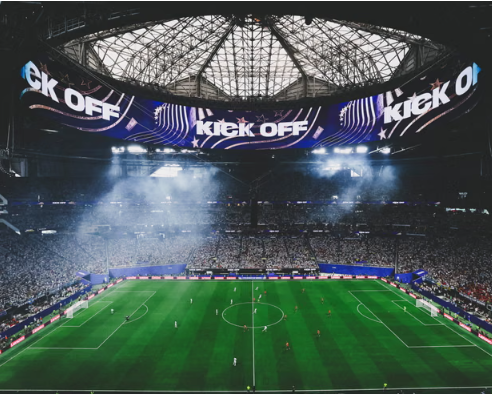
The British Broadcasting Corporation is moving its main studio operation to Atlanta for the upcoming England match. This pivotal World Cup semi-final against Argentina represents a major moment for national television broadcasting. Executives expect record-breaking viewing figures as the nation tunes in to watch Thomas Tuchel lead his squad. The corporation previously maintained a remote approach for most of this tournament while operating from Salford studios. This strategic shift reflects the massive importance of England reaching their first final since sixty-six. Millions of eager viewers are anticipated to watch the primetime kick-off at eight o’clock this Wednesday.
The BBC possesses exclusive live rights for this highly anticipated match against the formidable Argentina side. Pundits Alan Shearer, Wayne Rooney, and Micah Richards have already traveled to the United States to prepare. They will be stationed directly at the Atlanta Stadium to provide expert analysis for the global audience. This transition marks a departure from their earlier reliance on brief updates from the tournament venues. Previously, the BBC kept most of its talent based at their headquarters to manage extensive production costs. The decision highlights how broadcasters adapt their strategies based on the tournament progression and national interest.
Competition remains fierce between the BBC and ITV throughout this prestigious summer football tournament in America. ITV previously achieved a peak audience of eighteen million viewers during that dramatic Saturday victory over Norway. That particular broadcast featured intense extra-time action that captured the hearts of fans across the United Kingdom. ITV continues to utilize a hybrid approach with a rooftop studio located in busy Brooklyn, New York. Their team of reporters remains embedded in the stadiums to provide immediate coverage for the home audience. The battle for ratings showcases how significantly football dominates the landscape of British television during major tournaments.
England’s impressive progress to the semi-final stage has effectively justified the BBC’s earlier risky broadcast scheduling plans. The corporation strategically saved their first-pick selections for these later, high-stakes matches during the tournament stages. ITV broadcast two group games plus the last-thirty-two victory against the Democratic Republic of Congo earlier this month. They also aired the exciting Norway thriller which kept fans glued to their screens until the final whistle. While ITV currently leads the total ratings war, the BBC expects to surge ahead this week. History suggests that the final will generate immense interest and draw larger audiences than any other match.
The BBC faced significant challenges during the earlier rounds due to the awkward local kick-off times involved. For example, England’s thrilling last-sixteen victory against Mexico began at two o’clock on a Monday morning. Despite the extreme hour, the broadcast still captured a peak audience of over nine million passionate viewers. This figure officially tripled the previous record for television audiences during that specific early morning time slot. The previous record had been held since the twenty-sixteen Olympic Games held in Rio de Janeiro, Brazil. Such massive engagement numbers demonstrate the enduring power of international football to unite the British viewing public.
Broadcasting executives have faced difficult questions regarding the necessity of traveling to the United States this summer. The BBC recently initiated a complex process of cutting two thousand jobs to save five hundred million pounds. Public scrutiny regarding corporate spending remains high during this period of significant financial austerity for the broadcaster. BBC Sport director Alex Kay-Jelski defended the Salford operation extensively during interviews held just last month. He explained that sending hundreds of extra staff abroad would cost millions of pounds in total expenses. He argued that the production quality for viewers at home remained largely identical regardless of the physical location.
The decision to move now acknowledges that a semi-final requires a higher level of presence and prestige. Producing live coverage from the stadium creates a unique atmosphere that studio-based broadcasting sometimes struggles to replicate. Fans often feel more connected to the action when presenters are standing on the actual pitch side. The presence of famous pundits like Wayne Rooney adds immediate gravitas to the high-stakes pre-match segments. Viewers expect world-class commentary and analysis during such critical games for the national team’s historic aspirations. The investment in Atlanta serves as a clear commitment to delivering the best experience for the audience.
Technology has fundamentally changed how broadcasters handle international events in the modern era of live sports production. High-speed connectivity allows for seamless interaction between remote studios and reporters stationed in distant stadiums across continents. This capability allows networks to balance fiscal responsibility with the desire for high-quality, authentic sports reporting. The BBC has successfully utilized this remote technology for the majority of this current World Cup tournament. Moving to Atlanta now is a calculated decision to elevate the broadcast for the most crucial matches. This flexible approach ensures that the broadcaster maintains efficiency while still capturing the intensity of major finals.
The upcoming semi-final match against Argentina is widely expected to be the most-watched sporting event this year. English fans are daring to believe that this talented squad can finally secure a second World Cup trophy. The atmosphere in Atlanta will certainly be electric as the world turns its collective eyes toward this stadium. Every pass, tackle, and goal will be analyzed in minute detail by the expert BBC punditry team. For viewers back in the United Kingdom, the live broadcast will provide an essential link to the action. It remains to be seen if the BBC’s late shift will successfully overcome the competition from ITV.
The broadcasting industry will closely monitor these final viewing figures to understand shifting trends in television consumption habits. Digital streaming and on-demand services are becoming increasingly important for younger fans watching matches on various mobile devices. Broadcasters must continuously innovate to keep these audiences engaged throughout long tournaments like this international football competition. Combining traditional television presence with modern digital engagement strategies will be key for future sporting events in America. The BBC’s transition to Atlanta marks the culmination of weeks of careful planning and tactical broadcast decisions. All eyes are now fixed on the pitch as England prepares for this massive battle in Georgia.
Related News:
 The Influencer World Cup: Fifa’s TikTok Bet on a New Fan Era
 Brady Tkachuk Denies AI Video Claims After Olympic Gold
 Robots Outpace Humans in Beijing Half-Marathon
 Disney+ Wins Champions League Rights in Key Markets
 Study Launches Into Brain Injury Risks in Women’s Rugby
 Virgin Trains Moves Closer to Challenging Eurostar Monopoly
 UK Bans Fake Numbers: Scammers Lose Their Trick
 Vibe coding’ named Collins dictionary’s word of the year
 Patients to Test Health at Home to Ease NHS Winter Pressure
 Britain deploys RAF specialists to assist Belgium with drone threats
 Northern Lights may illuminate UK skies this week
 UK and Ireland Announce Venues for Euro 2028 Tournament
 Saka Solidifies Role as Tuchel’s Key England Lieutenant
 New AI tool could cut wasted efforts in organ transplants
 Sundar Pichai Cautions on AI Hype and Market Risks
 Google Chief Urges Caution: Don’t Trust AI Blindly
 Tiny Curacao Makes History as Smallest Nation to Reach World Cup
 Australia Face Big Changes as Cummins and Lyon Ruled Out of Ashes
 ECB powerless to halt England’s recurring Ashes failures
 Aston Villa Remain Arsenal’s Key Obstacle in Title Pursuit
 Google Removes Some AI Health Summaries Over Safety Concerns
 Xabi Alonso leaves Real Madrid, Arbeloa Takes Over
 EU launches Grok AI probe into X over explicit images
 ABC Facebook Page Briefly Hacked, Adult Photos Posted
 Chelsea warn fans of danger in Naples after hospital incidents
 Liverpool Chase Champions Glory With Stunning Qarabag Victory
 Meta trial over child exploitation claims begins
 Autistic Girls Often Missed in Childhood Diagnoses, Study Finds
 Ben Stokes injury joke after brutal ball strike
 Wrestler at 60: A Powerful New Start in the Ring
 BT Names New Openreach Chief Amid Major Fibre Expansion
 Tech Trends Set to Transform Life in 2026
 Arsenal blow lead as Arteta rues Wolves draw
 BBC World Cup Presenting Duties Shared Among Trio
 Craig Tiley Leaves Australian Open Legacy
 Ocean Warming Drives Massive Marine Life Loss, Study Warns
 Stewart Brand on Musk, Bezos and a Life of Long Thinking
 Facial Recognition Error Leads to Wrongful Arrest in Milton Keynes
 English Cricket Faces Moral Crisis Over Indian Investment
 Hudson-Odoi Sends Nottingham Forest Into Europa Last 16
 World Cup Drinks Breaks Could Bring ITV Ad Debate
 Spurs Coach Defends Early Kinsky Substitution at Atlético
 The Kill Line: A Shifting Vision of the American Dream
 ‘Drinking from a Fetid Pond’: Superbug Genes in Lough Neagh
 Teenage Titan: Sooryavanshi Smashes IPL Records
 Sam Konstas Dropped as Australia Unveils New Contract List
 The Wildest Plastico: Leverkusen and Wolfsburg Thriller
 Artemis II Returns After Historic Moon Flyby
 UK Banks to Deploy Controversial Mythos AI Tool Next Week
 Scott Parker Leaves Burnley After Premier League Drop
 UK Watchdogs Warn Over AI Facial Recognition Oversight
 Arteta urges Arsenal to step up in Atlético semi-final
 DeepMind Staff Vote to Unionize Over US Military Contract
 RFU Backs Borthwick Despite England’s Poor Six Nations
 Infantino Defends Soaring World Cup 2026 Ticket Costs
 England Call Up Janse van Rensburg for Nations Campaign
 Guardiola to Exit Man City; Maresca Lineup Nears
 Alice Capsey Sparks England Win With Brilliant Fifty
 The Battle for Wembley Sparking Unprecedented Legal Warfare
 Ben Proud Defends Enhanced Games Participation
 Tech Trends and the Battle Against Exam Hall Cheating
 Man City Threaten Legal Action Over Haaland Real Madrid Shirt
 Is Ollie Robinson the Chaos English Cricket Needs Today?
 Captain in the Spotlight: The Future of England Cricket
 Stolen Mobiles Could Soon Become Useless Bricks
 From Pocket Monsters to the Frontline
 Fifa Official Under Investigation Over Hand Gesture Controversy
 Williams Sisters Reunite for Wimbledon Icon Return
 Canada Secure Historic Last 16 Spot with Late Goal
 Trump Faces Backlash Over $2bn Earnings Since Return
 US Advance Past Bosnia in World Cup Thriller
 England Triumph in Azteca World Cup Thriller
 Trump’s Red-Card Intervention Hurts the US World Cup
 Kylian Mbappé Slams Paraguayan Senator Over Racist Attack
 Telstra Software Fault Triggers Massive Nationwide Outage
 Sports, Women’s Cricket A Historic Lord’s Bow for Beaumont and England
 Wallabies Call Upon Meredith Amid Injury Crisis
 Meta Under Fire: The Battle Over Addictive Social Media Design
 England and Norway Fans Turn Miami Into World Cup Carnival
 Gen Z turns to BirdTok for a gentler digital escape