Published: 27 August 2025. The English Chronicle Desk
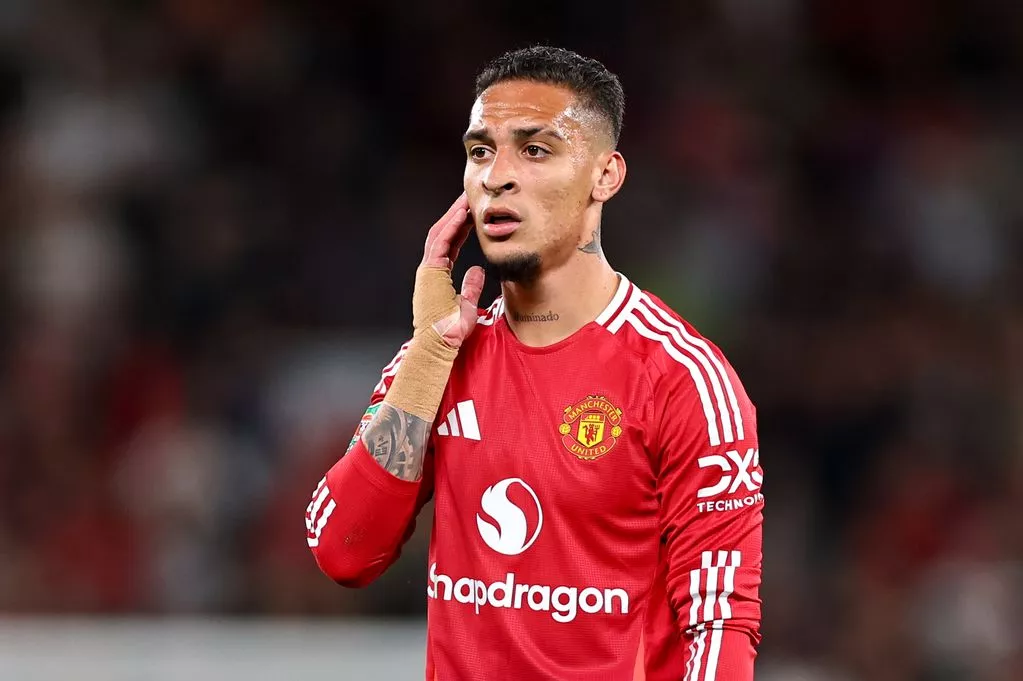
Manchester United’s difficulties in the transfer market have once again been laid bare by research that paints a deeply troubling financial picture of the club’s current squad. Despite spending more than £1.1 billion on recruitment over recent years, United’s players are now collectively valued at around £769 million — a staggering £322.9 million less than the club actually paid to assemble the team.

The figures, compiled by Transfermarkt, underline a problem that has haunted Old Trafford for over a decade: paying inflated fees for players who have failed to maintain or increase their market value. While other Premier League clubs have thrived by signing players who blossomed into stars, United have earned a reputation for overspending and underdelivering. Former captain Gary Neville once described Old Trafford as a “graveyard” for footballers and managers, and the statistics suggest his assessment was far from exaggerated.
For context, Arsenal currently sit at the opposite end of the spectrum. The Gunners’ squad, assembled for £826m, is now valued at £1.14 billion — an impressive £315.9m increase on their initial outlay. The success stories of Martin Ødegaard and William Saliba, whose market values have risen dramatically, epitomise the north London club’s ability to identify and nurture talent. Manchester City, Liverpool and Newcastle United have also managed to remain in positive territory, bolstering their competitive edge both domestically and in Europe.

United’s transfer woes are easy to trace. One glaring example is Casemiro. Signed from Real Madrid for £70m in 2022, the Brazilian midfielder enjoyed a bright debut campaign but has since struggled to maintain his previous standards. Now 33 and on a lucrative wage packet, his value has plummeted, symbolising the club’s tendency to invest heavily in ageing stars nearing the end of their prime.
Equally troubling are the big-money signings who have failed to make the desired impact. Jadon Sancho, acquired for £72m in 2021, and Antony, who arrived from Ajax for £81m the following year, have both struggled to live up to their price tags. United would now be fortunate to recoup even half of those sums if they were to offload the players before the close of the transfer window. Harry Maguire’s situation tells a similar story: bought in 2019 for a world-record £80m fee for a defender, the England international is now valued at just £11m.
This summer’s business has been more restrained and arguably more strategic. United have spent £206m on Bryan Mbeumo, Matheus Cunha and Benjamin Šeško. Mbeumo and Cunha are proven Premier League performers, while Šeško is regarded as one of Europe’s brightest young strikers, with the potential to grow in value over the course of his career at Old Trafford. The approach is seen as a step forward compared with the first summer under Sir Jim Ratcliffe’s INEOS ownership, when recruitment was widely criticised.
That previous transfer window saw signings such as Joshua Zirkzee, purchased for £36.5m but now worth just £25m, and Manuel Ugarte, another player who has depreciated in value significantly. Such examples illustrate why the club currently finds itself in such a precarious position in terms of squad value and highlight the financial losses that poor recruitment decisions have inflicted over the years.

As the new season unfolds, United’s challenge will not only be to compete on the pitch but also to reverse years of wasteful spending that has left them lagging behind their Premier League rivals. Under INEOS’s stewardship, there is hope that a more disciplined and data-driven transfer strategy can help restore efficiency to the club’s operations. Yet the numbers provide a stark reminder that Manchester United’s missteps in the market have cost them dearly — more than £300 million in lost value, with little sign so far that the club has found a sustainable formula for success.
The English Chronicle Online will continue to monitor developments around United’s transfer policy, its long-term financial implications, and the club’s efforts to regain its place at the pinnacle of English and European football.
Related News:
 Sri Lanka Crush Bangladesh by 99 Runs to Seal ODI Series 2-1
 England’s Euro Odyssey: A Tale of Grit, Glory and the Lionesses’ Miraculous March to the Final
 Predicted Leicester Line-ups Reflect Cifuentes’ Tactical Plans Ahead of New Season
 Central London Gears Up for Lionesses’ Victory Parade as Thousands Prepare to Celebrate Historic Women’s Euros Win
 London Set to Honour Euro 2025 Champions as Lionesses Take Victory Parade Through the Capital
 Rangers Boss Russell Martin Launches Blistering Critique After Disappointing Draw with Motherwell
 Tottenham Takes On Newcastle
 Ngumoha Shines Bright as Liverpool’s Future Looks Fiercely Promising
 Golden Glory Beckons: Ballon d’Or 2025 Nominee Frenzy Ignites Global Football Stage
 It’s Thanks to Gabby That I Caught My Prostate Cancer in Time’ – Kenny Logan Opens Up on His Battle and His Mission to Save Lives
 Minute’s Silence for Diogo Jota Abruptly Ended After Wembley Tribute Disrupted
 Rugby Confronts Safety Concerns with Smart Mouthguards at Women’s World Cup
 Premier League Supercomputer Predicts Tough Season for Man Utd Amid Three-Team Title Battle
 Aston Villa Under Pressure as Newcastle Take on Hosts in Premier League Opener
 FIFA Eyes Biennial Club World Cup from 2029, Plans Possible Expansion
 European Football: Atlético Madrid Stumble at Espanyol as Vitinha Secures PSG Win
 Nottingham Forest Clarifies Position on Nuno Espirito Santo’s Future Following Opening Weekend Victory
 Grimsby Stun Manchester United in Dramatic Penalty Shootout
 Club Brugge Crush Ten-Man Rangers to Deepen Russell Martin’s Crisis
 Guardiola Admits City ‘Forgot to Play’ After Shock Defeat to Brighton
 Morgan MacRae: From 17 Minutes Dead to Returning to Rugby in Six Weeks
 Serbia Humiliated 0-5 by England in World Cup Qualifier
 Fábio Carvalho’s Last-Minute Heroics Deny Chelsea Victory at Brentford
 Tottenham Cruise to 3-0 Victory Over 10-Man West Ham in London Derby
 Simeone Explains Emotional Reaction to Fan Incident After Liverpool’s Late Winner
 Guardiola Faces Criticism for Defensive Approach in Manchester City’s Clash with Arsenal
 Dembélé and Bonmatí Shine as Ballon d’Or Winners in Glittering Paris Ceremony
 Hannah Hampton Makes History as First Winner of Women’s Yashin Trophy at Ballon d’Or Awards
Liverpool Vs outhampton Set for Carabao Cup Clash at Anfield
Hannah Hampton Makes History as First Winner of Women’s Yashin Trophy at Ballon d’Or Awards
Liverpool Vs outhampton Set for Carabao Cup Clash at Anfield
 Chelsea Survive Lincoln City Scare to Advance in Carabao Cup
 Aston Villa Edge Bologna as Europa League Campaign Kicks Off
 Dramatic Derby: Sorloth Strikes as Atletico and Real Madrid Share the Spoils
 Arsenal VS Newcastle Hearts with Dramatic Late Turnaround at St James’ Park
 Aston Villa Fight Back to End Winless Run with Convincing Victory over Fulham
 Barcelona vs Real Sociedad
 ICC Women’s World Cup 2025: India to Host as Pakistan Fixtures Moved to Neutral Venues
 Postecoglou Stands Firm Amid Mounting Forest Fan Frustration
 Bournemouth Stun Fulham with Dramatic Comeback in Premier League Thriller
 Arsenal Showcase Depth and Flexibility as Arteta Eyes Title Challenge
 Cristiano Ronaldo Becomes Football’s First Billionaire Player
 Tuchel Critiques Wembley Atmosphere After England Victory, Sparks Debate on Fan Engagement
 Ruben Neves Strikes Late as Portugal Beat Ireland
 Kane’s Double Seals England’s World Cup Qualification
 Fulham vs Arsenal Trossard Strike Sends Gunners Three Points Clear
 Ange Postecoglou’s Naivety Premier League Misadventure Ends
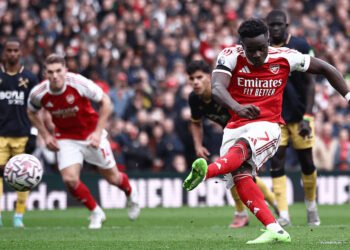 Arsenal vs Atlético Madrid,Gyökeres Double Secures 4-0 Champions League Victory
 Gibbs-White Inspires Forest to Thrilling Win Over Porto
 Go Ahead Eagles Shock Aston Villa as Buendía Misses Late Penalty
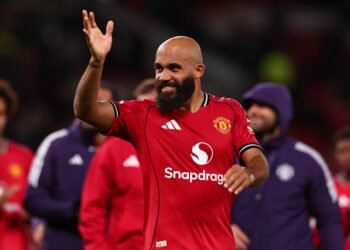 Manchester United triumph as Mbeumo brace seals thrilling win
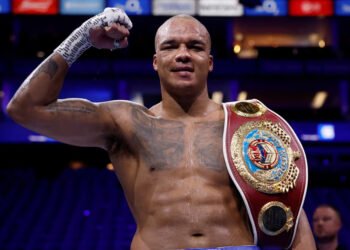 Fabio Wardley stuns Joseph Parker to earn Usyk title shot
 Sarr Double Sinks Young Liverpool in Carabao Cup
 Salah & Gravenberch Lead Liverpool to Win Against Villa
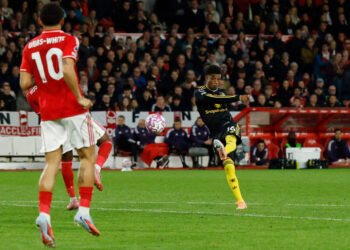 Dyche Criticises Corner Decision as Forest Draw with United
 Granit Xhaka Rescue Earns Everton Draw at Sunderland
 Burn and Joelinton Head Newcastle to Victory Over Bilbao
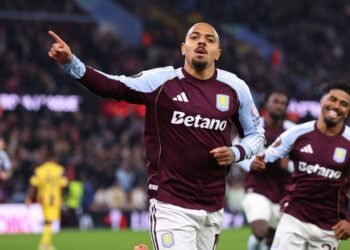 Tension and Turmoil at Aston Villa v Maccabi Match
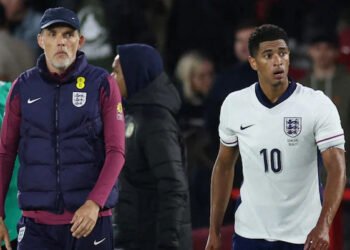 Bellingham has ‘the edge’ among England No 10s
 Man City Masterclass on Guardiola’s Milestone Day Exposes Liverpool Woes
 Lando Norris Dominates Brazil GP to Strengthen F1 Title Bid
 England cannot afford to be in awe of the All Blacks, warns Jamie George
 VAR Must Rein Its Neck In to Save Football’s Spirit
 Trescothick Hints Pope Will Keep Number Three Spot
 Ronaldo Confirms Final World Cup and Plans Retirement
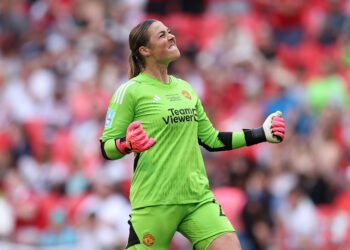 Mary Earps’s Manchester United Return Faces Mixed Reception
 Sam Kerr Stars in Chelsea Return with Champions League Double
 This kid is something else: Alex Scott’s rise to England call-up
 Former Lion Heskey Warns of Shortage of England Strikers
 Australia Mourns Paralympic Champion Paige Greco
 Irish Hero Parrott Says Goal Brought First Tears in Years
 From heartbreak to glory: Scotland’s dramatic return to the World Cup
 Haiti Qualifies for World Cup Despite Coach Never Visiting Country
 Barcelona Returns to Camp Nou vs Athletic Bilbao
 Moyes Defends Gueye After Dramatic Everton Bust-Up
 Mbappe Scores 4 as Real Madrid Edge Olympiakos
 Man City Lose, Champions League Risk
 Jac Morgan to Miss Six Nations Start After Surgery
 Alexander Isak ends drought as Liverpool stop rot with win at West Ham
 Barcelona, Atletico set for decisive La Liga showdown
 Maxwell withdraws from IPL 2026 after 13 seasons
 Mbappe stars as Real Madrid thrash Athletic, close on Barca