Published: 16 September ‘2025. The English Chronicle Desk
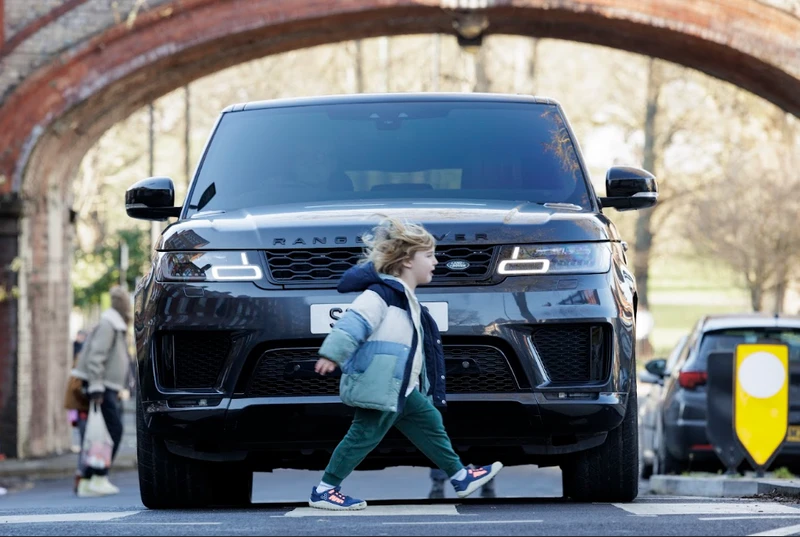
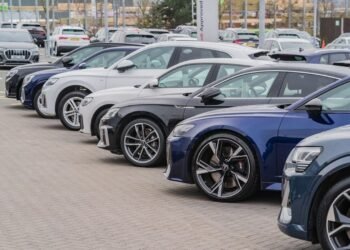
The UK has the potential to raise close to £2 billion annually by introducing a tax on sport utility vehicles (SUVs) aligned with rates in other European countries, according to a recent study by the Transport & Environment (T&E) thinktank. The organisation has urged the government to use the upcoming autumn budget to implement a levy targeting the largest and heaviest vehicles, arguing that it would reflect the environmental and infrastructural harm these vehicles cause.
T&E highlighted that the current vehicle taxation system in the UK has not kept pace with changes in the car market. Heavier and more polluting vehicles are largely escaping proportional taxation, enabling them to dominate the roads. An “SUV loophole” allows UK buyers to pay substantially less than their European counterparts for large models, incentivising higher SUV sales. For instance, a new £85,000 BMW X5 would incur £3,200 in tax in the UK, compared with £66,600 in France. This discrepancy has driven UK SUV sales to four times the level seen in France.

Across 13 European countries, acquisition taxes on similar SUVs are more than three times higher than in the UK, though seven nations impose no tax at all. Some adjustments to the UK’s vehicle excise duty were introduced in April to make higher-polluting cars pay more. However, T&E argues that these measures, which are based on lab-tested carbon emissions, still underestimate the true environmental impact and wider societal costs associated with larger vehicles.
The thinktank has proposed a weight-based levy, applying an additional £10 per kilogram for vehicles above 1,600 kilograms, with an extra 400-kilogram allowance for heavier battery electric vehicles. Given that SUVs account for nearly 60% of new car registrations in the UK, this measure could raise approximately £1.72 billion annually under current market conditions.
While the proposed levy could add more than £10,000 to the cost of some vehicles, such as a Land Rover Defender, T&E noted that many optional extras already inflate vehicle prices by a similar amount. Tim Dexter, T&E UK’s vehicles policy manager, said the policy represents a simple and effective method to help address the UK’s £50 billion fiscal deficit: “A straightforward weight-based levy would ensure that larger vehicles contribute fairly for the damage they cause to roads, safety, and the environment, while protecting most family cars from additional costs.”
Public opinion appears to support the initiative, with recent YouGov polling indicating that about three in five UK car owners believe SUVs occupy too much space, while fewer than one in five disagreed.

However, the car industry has raised concerns about the proposal. Mike Hawes, chief executive of the Society of Motor Manufacturers and Traders, emphasised that vehicles have grown in size to accommodate evolving consumer preferences, enhanced safety features, and new technologies such as larger battery packs for electric vehicles. He warned that a levy on heavier cars could unfairly penalise families requiring larger vehicles and potentially hinder the adoption of electric vehicles in an already stressed market.
The study underscores a growing debate over the balance between consumer choice, environmental responsibility, and fiscal policy, placing the government at the center of discussions on how to shape the future of vehicle taxation in the UK.
Related News:
 Anglian Water Fined £63 Million Over Sewage Scandal Amid National Outrage
 How to Exit Your Broadband Contract Without Paying Exit Fees
 Permission Granted for Britain’s First Vertical Rocket Launch at Shetland Spaceport
 Government Expands Electric Car Grant Scheme, Offers Discounts on Five More Models
 Ed Davey Urges Government to Block Elon Musk’s Tesla from Supplying UK Home Energy
 Google Pledges £5bn AI Investment in UK Ahead of Trump State Visit
 Donald Trump’s UK State Visit Kicks Off Amid Major Tech Investments and Business Engagements
 Jaguar Land Rover Extends Production Halt Following Cyber-Attack
 British AI Startup Outshines Human Forecasters in Global Prediction Contest
 Royal Mail Owner Acquires Stake in Collect+ and Launches High Street Rebrand
 Jaguar Land Rover to Resume Production After Cyber-Attack, Launches Supplier Support Scheme
 NHS May Pay 25% More for Medicines Amid US Drug Talks
 Watchdog Rules Red Tractor Ad Misled Public on Environmental Claims
 Eurostar to launch doubledecker trains through Channel Tunnel by 2031
 North Sea oil workers must lose weight or face job loss
 UK Taskforce Unveils Plan to Streamline Nuclear Reactor Rules
 Supreme Court Ruling on Car Finance Scandal Poised to Impact Millions of Motorists and Banks
 Unseen Killers of the Deep Inside the UK Lab Uncovering the Silent Deaths of Sea Creatures
 AI Tools Used by English Councils Found to Downplay Women’s Health Issues, Raising Concerns Over Gender Bias in Care
 Chancellor Rachel Reeves Pushes for Sweeping Changes to Environmental Protections to Accelerate Development
 Shocking Rise in Children’s Exposure to Violent Online Pornography Raises Alarm
 Inflation Latest: Cost of Living Expected to Rise Again in Key Figures Released Today
 Retail Sales See Uptick Amid Errors and Delays as ONS Faces Scrutiny
 UK House Prices Hit Record £299,331 as Market Shows Steady Growth
Shein UK Faces Allegations of Shifting Majority of Profits to Singapore to Reduce UK Tax
UK House Prices Hit Record £299,331 as Market Shows Steady Growth
Shein UK Faces Allegations of Shifting Majority of Profits to Singapore to Reduce UK Tax
 UK Mobile Retailers Lock Doors Amid Surge in Organised Phone Thefts
 UK Retail Sales Rise in August, but Tax Concerns Loom Over Festive Period
 UK and US Forge Landmark Deals to Build Modular Nuclear Reactors Across Britain
 Big Pharma Investment Freeze Puts UK Life Sciences Sector Under Strain
 UK Labour Market Shows Signs of Cooling as Wage Growth Slows and Redundancies Rise
 UK Wage Growth Remains High, But Cost of Living Pressures Bite
 Dagenham Left in Limbo After Smithfield and Billingsgate Market Relocation Cancelled
 Vodafone Franchisees Sound Alarm: Mental Health Toll of Commission Cuts Revealed Years Before £120m Court Battle
 UK Government Backs Return of International Rail Travel to Kent Stations
 UK Fighter Jet Purchase Could Breach Nuclear Treaty, Warns CND
 Omeprazole Alert: NHS Issues Guidance on Safe Use for Heartburn and Indigestion
 AstraZeneca to List on New York Stock Exchange While Retaining London Ties
 Retailers Warn Tax Rises Could Prolong Inflation as Shop Prices Climb
 Marks & Spencer Staff to Work on Boxing Day for First Time in Five Years Amid Cost-Cutting Measures
 Senior Tories Condemn Badenoch’s Vow to Repeal Climate Change Act as Catastrophic
 Wetherspoon vows to keep prices low amid soaring energy and tax costs
 Russia repeatedly targets UK military satellites, warns Space Command chief
 Millions of households in England face looming water bill hikes amid regulatory scrutiny
 He-Man Set for Big Comeback as UK Toy Industry Rides ‘Newstalgia’ Wave
 Delivery Apps Could Double the Cost of Your Groceries, Warns Consumer Watchdog
 Eligibility Confusion Over COVID Vaccination Leaves Pharmacies Struggling Across the UK
 Millions in the UK at Risk of Cyber-Attacks as Microsoft Ends Windows 10 Updates, Warns Which?
 Majority of UK Men Would Opt for Prostate Cancer Screening, Survey Finds
 Cooper Unveils £4m Cyber Plan Against Russian Hackers
 Survey Shows Most GPs Rushing Appointments
 Yvette Cooper Backs Digital ID Plan for UK Teens
 Genetic Tests May Predict Return of Blood Cancer
 UK Woman Becomes Longest Survivor of Heart-Lung Transplant
 Labour MPs Warn Digital ID Scheme Risks Cost and Support
 Royal Mail Fined £21m for Delivery Failures
 Parents spending £5,000 on special school assessments in England
 Thousands in the UK sue Johnson & Johnson over alleged talcum powder, linked to cancer
 ‘Game-Changing’ HIV Prevention Jab Set for NHS Approval
 China warns UK over delayed London mega embassy decision
 Pizza Hut to shut 68 sites after collapsing into administration
 Reform UK candidate fined £19,000 after using AI-generated cases to challenge election
 Harry and Meghan join global AI leaders urging superintelligence ban
 Met Launches Drones to Respond Rapidly to 999 Calls
 Lotto result jackpot draw halted due to technical glitch
 ABF May Split Primark from Food Division Amid Tough Market
 UPS Cargo Plane Crash in Kentucky Kills Seven
 Tony Blair think tank warns Rachel Reeves must cut taxes if manifesto broken
 Oprah enjoys Meghan’s jam on English muffins
 Government urges schools to ban phones to curb classroom disruption
 UK toy market enjoys bumper year as ‘kidults’ fuel demand
 New laws to bolster UK’s defences against cyber attacks on NHS, transport and energy
 Valve Opens the Door for Android Games on Steam
 Global markets drop amid tech sell-off and China slowdown
 UK launches major AI drive to fight deadly superbugs
 PM Highlights UK Business at G20 in South Africa
 Mossmorran Plant Closure Hits Cowdenbeath Hard
 Coffins Now Too Large to Cremate Amid Rising Obesity Crisis
 Steel billionaire Lakshmi Mittal reportedly leaves UK
 Virgin Media Fined £23.8m Over Telecare Safety Failures
 Rising Water Bills Lift Troubled Thames Back to Profit