Published: 06 September 2025. The English Chronicle Desk
The United States has entered yet another government shutdown, effective from 1 October 2025, following Congress’s failure to reach a consensus on a new funding bill. While essential services such as emergency response and hospitals will continue to function, the partial suspension of federal operations is expected to create a wave of uncertainty across multiple sectors, particularly travel. From airport security delays to the closure of museums and the scaling back of services at national parks, travellers within and outside the US are bracing themselves for significant complications.
The travel industry, a vital contributor to the American economy, is already projecting major losses as the shutdown begins. According to the US Travel Association, the shutdown is costing an estimated $1 billion every week, adding both financial and logistical strain to an already complex travel environment.
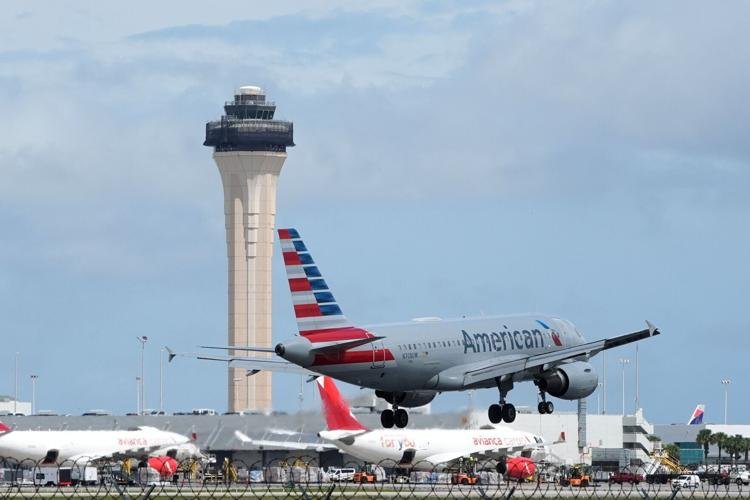
For air travel, commercial flights will continue to operate on schedule, as airlines and their staff are not directly affected. However, the Transportation Security Administration (TSA), which oversees airport security, has warned that longer queues and wait times could become the norm if the shutdown drags on. With thousands of federal employees furloughed or working without pay, passenger screening and other services could be understaffed. Travellers are being urged to arrive earlier than usual at airports and to monitor their flight statuses closely.

Rail travel will not face immediate disruption, with Amtrak announcing that all of its trains, including services along the busy Northeast Corridor and routes connecting the US and Canada, will continue to run. As a for-profit corporation, Amtrak receives federal funding but is not wholly reliant on it for daily operations, thus insulating passengers from short-term impacts. In a statement to ABC News, Amtrak reassured passengers that it remains “open for business” despite the political turmoil.
Passport and visa processing is another area drawing concern. The State Department has confirmed that consular operations, both domestically and overseas, will remain functional, allowing for applications and renewals to proceed. However, The Hill has reported that processing delays are inevitable due to staff shortages and increased demand, stretching the usual four-to-six-week timeline. The United States Postal Service (USPS), which operates independently of federal funding, continues to provide passport application and photo services, but applicants have been advised to apply as early as possible.
For tourists, the shutdown could cast a shadow over visits to some of America’s most iconic destinations. National parks will technically remain open, but visitors will notice a sharp decline in services. Visitor centres, guided programs, and maintenance along trails are expected to be suspended, while over half of the National Park Service staff are furloughed. The National Parks Conservation Association (NPCA) has strongly warned against repeating mistakes of past shutdowns, when parks were left accessible but unprotected, leading to environmental damage and safety hazards. “We know what happened last time park staff were forced to leave parks open and unprotected, and the impacts were disastrous,” said NPCA President Theresa Pierno, urging the government to take a more responsible approach.
The National Park Service has pledged to keep park roads, lookout points, trails, and open-air memorials accessible “as much as possible” during the shutdown. Critical functions such as law enforcement and emergency response will remain operational to ensure visitor safety. However, park websites and social media pages will not be updated, except in emergencies, leaving many travellers without real-time information. Visitors have been advised to check the Department of the Interior’s official channels before planning their trips.
Cultural institutions are also caught in the uncertainty. The Smithsonian Institution, which manages 21 museums and the National Zoo in and around Washington, DC, has announced that it will remain open until at least 6 October 2025, drawing on reserve funds. Beyond that date, however, closures are expected if Congress does not resolve the budget crisis. The Smithsonian, which receives 62 percent of its funding from the federal government, has warned that prolonged disruption could mean shuttered museums and the suspension of educational programs. In a statement, the National Zoo confirmed that it too would close under a prolonged shutdown, in line with the Smithsonian’s policy.

Despite these disruptions, critical services remain untouched. Emergency dispatch systems, hospitals, and Veterans Affairs medical centres are continuing to operate normally. These facilities are considered essential and are not subject to shutdown furloughs.
For now, the duration of the shutdown remains unclear. Previous shutdowns have lasted anywhere from a few days to over a month, depending on political negotiations. Until an agreement is reached, millions of travellers, both domestic and international, will have to navigate the ripple effects of a federal government in partial paralysis. For many, the shutdown is not just a political standoff in Washington, but a direct obstacle to accessing the country’s transport networks, cultural treasures, and natural wonders.
Related News:
 Modi’s London Visit Seals Historic UK-India Trade Pact Amid Global Tensions
 Global Trade Earthquake: Trump Slaps 35% Tariff on Canada and Expands Tariff Blitz to Over 90 Nations
 China’s crackdown on civil servant perks sparks economic concerns
 Shein UK Faces Allegations of Shifting Majority of Profits to Singapore to Reduce UK Tax
 UK Imposes 100 New Sanctions Targeting Russia’s Revenues and Military Supplies
 Assumption Island Dispute Dominates Seychelles Election as Environment, Economy and Geopolitics Collide
 African Workers in Limbo as Agoa Faces Expiry
 Rachel Reeves to lead UK trade push in Saudi Arabia amid rights debate
 US Super-Rich Are Draining Planet’s Safe Climate Space
 Fed Cuts US Interest Rates Again Amid Labour Market Uncertainty
 China Gained Military-Tech Access Through UK Investments
 India’s Labour Law Overhaul Sparks Fierce Debate
 Carney’s Alberta Pipeline Deal Sparks Immediate Pushback
 Kinnock’s Rebuke Echoes Loudly as Corbyn Allies Launch Left-Wing Breakaway: “A Gift to Farage”
 UK Banks Granted Reprieve as BoE Delays Basel III Capital Rules Until 2028
 Trump Administration Dismisses 17 Immigration Judges, Sparking Debate Over Judicial Independence
 England’s Euro Odyssey: A Tale of Grit, Glory and the Lionesses’ Miraculous March to the Final
 UK Must Act with Courage and Clarity on Israel-Palestine Conflict, Says Foreign Affairs Committee Report
 Northern Ireland Family of Three Shot Dead in Maguiresbridge Home Incident
 Seventeen Dead as Russia Targets Ukrainian Prison in Devastating Airstrike
 Tottenham Takes On Newcastle
 Gen Z Embraces the Big, Bold ‘Fake’ Indian Wedding Party Trend
 Trump Threatens 100% Tariff on Nations Importing Russian Oil Amid India Standoff Over Ukraine War
 Chancellor Faces Mounting Pressure Amid “Impossible Trilemma” Over Tax Rises
 A Budget Crossroads: Stammer Faces Pressure as £50bn Fiscal Hole Threatens Autumn Plans
 Radioactive Leak at UK’s Nuclear Warhead Base Sparks Outcry Over Safety and Secrecy
 Mutual Inconvenience: Why Alaska Was Chosen for the Trump-Putin Summit on Ukraine
 Terence Stamp, ’60s British Film Legend and Star of Superman, Dies at 87
 Larger Families Could Gain Thousands if Labour Ends Two-Child Benefit Cap
 Hong Kong Summons UK and Australian Envoys Following Asylum Grants to Democracy Activists
 Inflation Latest: Cost of Living Expected to Rise Again in Key Figures Released Today
 Is the UK Ready to Put Boots on the Ground in Ukraine? Assessing Military Capacity and Challenges
 Costa Blanca Holiday Horror as Food Poisoning Outbreak Hits Four-Star Hotel
 Rising Food Bank Dependence Highlights Deepening Hardship Across the UK
 Conservative Influencer Charlie Kirk Fatally Shot During University Debate
 Big Pharma Investment Freeze Puts UK Life Sciences Sector Under Strain
 Channel Crossings Surge: Over 1,000 People Arrive in the UK in Small Boats in a Single Day
 Widow of Charlie Kirk Forgives Killer at Emotional Memorial Service
 Las Vegas Faces Decline as Rising Costs Drive Tourists Away
 Public Executions in Gaza City Captured on Video Amid Ongoing Conflict
 Macron Phones Trump Over Traffic Jam in New York
 UK Government Backs Return of International Rail Travel to Kent Stations
 Comey Indictment Deepens Fears of Political Retribution Under Trump
 Google at 27: The Untold Story of Ruth Kedar, the Woman Behind the Iconic Logo
 Yvette Cooper Signals Global Momentum Towards Gaza Peace Deal Amid Humanitarian Crisis
 “It Was Very Tough, But I Love Life”: Former Israeli Hostage Rebuilds Life After Family Killed by Hamas
 Chaos at Ibrox as Martin’s Rangers Era Comes to an End
 Arsenal Showcase Depth and Flexibility as Arteta Eyes Title Challenge
 Public Trust in SNP Hits Historic Low Amid NHS Concerns
 Cooper Unveils £4m Cyber Plan Against Russian Hackers
 Johnson Suggests Mandelson Linked to China Spy Controversy
 Zelensky to Urge Missile Aid as Trump and Putin Plan Summit
 Rachel Reeves signals welfare reform ahead of key budget
 Ireland Votes as Two Women Compete for Presidency
 WW2 Pilot’s Long-Lost Crash Site Unearthed in Essex
 Experts Warn Russia’s Burevestnik Missile Could Destabilise Arms Control
 Johnson Approved China’s London ‘Super-Embassy’ in 2018
 Tragedy on Lizard Island: Cruise Passenger Dies
 Green Party Surges Past Labour in Latest UK Poll
 Celebrities and Charities Demand UK Government Act on Child Poverty
 Top Christmas Books Reads: Classics to Cozy Romcoms
 Just Stop Oil Protesters Convicted Amid Climate Defence Row
 Tony Blair think tank warns Rachel Reeves must cut taxes if manifesto broken
 US Senate Passes Funding Bill to End Historic Shutdown
 Skims Eyes Global Expansion After Reaching $5 Billion Value
 Japan Deploys Police to Curb Deadly Bear Attacks
 US Justice Department Files Lawsuit Against California Over Partisan Voting Maps
 Pokémon to open world’s first theme park in Japan next year
 Global markets drop amid tech sell-off and China slowdown
 Trump Deploys DHS to Charlotte in Major Arrest Operation
 Orban Says Ukraine Has ‘No Chance’ as EU Support Continues
 Israeli Strike Kills 13 Near Palestinian Camp in Lebanon
 Haiti Qualifies for World Cup Despite Coach Never Visiting Country
 Pentagon Officials in Ukraine to Discuss War End
 Vietnam Battles Deadly Floods as Rains Continue
 Venezuela Threatens Nobel Winner Machado with Fugitive Status
 Two National Guard Soldiers Critically Injured Near White House
 Southern Lebanon reels as Israeli strikes shatter communities
 Sri Lanka Floods Leave 56 Dead, Dozens Missing
 Rising Water Bills Lift Troubled Thames Back to Profit