
Published: 17 October 2025. The English Chronicle Desk. The English Chronicle Online.
Tensions between the United Kingdom and China have intensified after Beijing expressed strong criticism over further delays to a planning decision on its proposed “mega embassy” in London. The diplomatic row adds complexity to Prime Minister Keir Starmer’s efforts to reset relations with Beijing amid concerns over espionage and national security.
China’s Ministry of Foreign Affairs conveyed its “grave concern and strong dissatisfaction” following the announcement that Housing Secretary Steve Reed has postponed the final decision on the embassy proposal until 10 December. The delay comes after months of wrangling over the £255 million site, purchased by Beijing in 2018 near the Tower of London. Tower Hamlets council initially refused planning permission in 2022, and subsequent discussions have been further complicated by security concerns and procedural delays.

Lin Jian, a spokesperson for China’s foreign ministry, condemned the UK’s handling of the matter during a press briefing in Beijing on Friday. He accused Britain of showing “disregard for contractual spirit, acting in bad faith and without integrity” and said China had acted “with the utmost sincerity and patience.” Lin warned that the UK should “immediately fulfil its obligations and honour its commitments, otherwise the British side shall bear all consequences,” signalling potential diplomatic repercussions if the project does not proceed as China expects.
Starmer has sought to improve relations with Beijing to attract foreign investment and support major UK infrastructure projects. However, his administration has faced multiple hurdles, including two controversies involving alleged Chinese espionage. In one recent case, British citizens Christopher Cash and Christopher Berry were accused of spying for China, though the case collapsed last month, prompting claims of government intervention to protect diplomatic ties.
Further complicating the embassy project, reports suggest that Beijing has been accessing classified British data for several years, raising concerns that the new London embassy could be used to strengthen surveillance capabilities. Matt Western, Labour MP and chair of the joint committee on national security, warned the government in a recent letter that approving the embassy could be “not in the UK’s long-term interest.” He highlighted the strategic risks posed by the proposed location, which lies near fibre-optic cables, data centres, and telecommunications exchanges serving Canary Wharf and the City of London. Western argued that these factors create potential “eavesdropping risks in peacetime and sabotage risks in a crisis.”
The decision-making process has seen multiple changes in personnel. Angela Rayner, then Housing Secretary, initially handled the proposal, but the responsibility passed to Reed days before a September 9 deadline. That deadline was postponed to 21 October after China redacted significant portions of its plans, citing security concerns. Downing Street confirmed this week that the latest delay is unrelated to political considerations but reflects the complex nature of the application and the need to consider all representations thoroughly.
A spokesperson for the Ministry of Housing, Communities and Local Government emphasised that “given the detailed nature of the representations that have been provided, and the need to give parties sufficient opportunity to respond, more time is needed for full consideration of the applications.” The statement suggests that officials are balancing procedural fairness with growing diplomatic pressure from Beijing.
The London mega embassy project has long been a focal point of contention, blending issues of urban planning, national security, and international diplomacy. While China seeks a prominent and modern facility, UK authorities are tasked with ensuring compliance with legal, planning, and security frameworks, a process that has repeatedly delayed the final decision.
As the December deadline approaches, the UK government faces mounting scrutiny both domestically and internationally. Observers note that the embassy row reflects broader tensions in UK–China relations, where commercial interests, security concerns, and geopolitical considerations often intersect. Approval of the project could boost investment ties, but critics warn that it may also compromise security and exacerbate existing espionage risks.

Downing Street maintains that careful evaluation is essential given the embassy’s location and strategic implications. Officials stress that the government’s priority is to ensure that any planning approval safeguards national interests while adhering to planning and legal obligations. At the same time, the UK faces pressure from China, which has repeatedly framed the delays as breaches of trust and contractual commitments.
The situation underscores the delicate balancing act in UK–China relations. Starmer’s government must navigate competing priorities: fostering investment and international engagement while protecting national security and responding to public and parliamentary scrutiny. The embassy row is the latest in a series of diplomatic challenges, highlighting the complex interplay between domestic policy, foreign relations, and national security considerations.
With the new December timeline, all parties now have additional time to submit representations and address outstanding concerns. However, tensions remain high, with Beijing’s warning indicating that further delays or perceived obstruction could escalate diplomatic friction. As the UK weighs its next steps, officials will need to reconcile planning procedures, security assessments, and diplomatic obligations in a situation with potentially far-reaching consequences for bilateral relations.
Related News:
 Shein UK Faces Allegations of Shifting Majority of Profits to Singapore to Reduce UK Tax
 British AI Startup Outshines Human Forecasters in Global Prediction Contest
 Rachel Reeves to lead UK trade push in Saudi Arabia amid rights debate
 UPS Cargo Plane Crash in Kentucky Kills Seven
 Modi’s London Visit Seals Historic UK-India Trade Pact Amid Global Tensions
 UK Must Act with Courage and Clarity on Israel-Palestine Conflict, Says Foreign Affairs Committee Report
 How to Exit Your Broadband Contract Without Paying Exit Fees
 Supreme Court Ruling on Car Finance Scandal Poised to Impact Millions of Motorists and Banks
 Stunning Welsh Island with Historic Fort and Modern Luxuries Hits Market for £3 Million
 Radioactive Leak at UK’s Nuclear Warhead Base Sparks Outcry Over Safety and Secrecy
 Mutual Inconvenience: Why Alaska Was Chosen for the Trump-Putin Summit on Ukraine
 UK Jobs Market Faces Strain as Employers Cut Bonuses and Hiring Amid Economic Slowdown
 China’s crackdown on civil servant perks sparks economic concerns
 Terence Stamp, ’60s British Film Legend and Star of Superman, Dies at 87
 Where Is Prince William and Kate Middleton’s New House? Inside the Historic Lodge Set to Become Their ‘Forever Home’
 Chancellor Rachel Reeves Pushes for Sweeping Changes to Environmental Protections to Accelerate Development
 FIFA Eyes Biennial Club World Cup from 2029, Plans Possible Expansion
 Inflation Latest: Cost of Living Expected to Rise Again in Key Figures Released Today
 EuroMillions Record-Breaking £210m Jackpot Won by Lucky Lottery Ticket Holder
 Is the UK Ready to Put Boots on the Ground in Ukraine? Assessing Military Capacity and Challenges
 Ed Davey Urges Government to Block Elon Musk’s Tesla from Supplying UK Home Energy
Retail Sales See Uptick Amid Errors and Delays as ONS Faces Scrutiny
Ed Davey Urges Government to Block Elon Musk’s Tesla from Supplying UK Home Energy
Retail Sales See Uptick Amid Errors and Delays as ONS Faces Scrutiny
 UK House Prices Hit Record £299,331 as Market Shows Steady Growth
 British Couple Among 16 Killed in Lisbon Funicular Tragedy
 UK Mobile Retailers Lock Doors Amid Surge in Organised Phone Thefts
 Protests Expected as Israeli Arms Firms Join Global Defence Trade Fair in London
 UK Retail Sales Rise in August, but Tax Concerns Loom Over Festive Period
 Serbia Humiliated 0-5 by England in World Cup Qualifier
 Jaguar Land Rover Extends Production Halt Following Cyber-Attack
 UK Labour Market Shows Signs of Cooling as Wage Growth Slows and Redundancies Rise
 UK Wage Growth Remains High, But Cost of Living Pressures Bite
 Thousands Gather in London to Protest Donald Trump’s Second UK State Visit
 Trump Urges UK to “Call Out the Military” to Secure Borders Amid State Visit
 Dagenham Left in Limbo After Smithfield and Billingsgate Market Relocation Cancelled
 Vodafone Franchisees Sound Alarm: Mental Health Toll of Commission Cuts Revealed Years Before £120m Court Battle
 Great Britain’s Energy Operator Commits to Strengthening Grid to Prevent Blackouts
 Liverpool Vs outhampton Set for Carabao Cup Clash at Anfield
 UK Government Backs Return of International Rail Travel to Kent Stations
 UK Fighter Jet Purchase Could Breach Nuclear Treaty, Warns CND
 Royal Mail Owner Acquires Stake in Collect+ and Launches High Street Rebrand
 A Third of EU Citizens in UK Report Discrimination by Public Bodies Post-Brexit
 Marks & Spencer Staff to Work on Boxing Day for First Time in Five Years Amid Cost-Cutting Measures
 Senior Tories Condemn Badenoch’s Vow to Repeal Climate Change Act as Catastrophic
 Wetherspoon vows to keep prices low amid soaring energy and tax costs
 He-Man Set for Big Comeback as UK Toy Industry Rides ‘Newstalgia’ Wave
 Delivery Apps Could Double the Cost of Your Groceries, Warns Consumer Watchdog
 UK House Price Growth Slows as Buyers Exercise Caution Ahead of Autumn Budget
 Kemi Badenoch Unveils ‘Golden Rule’ to Halve Spending Cuts for Deficit Reduction at Tory Conference
 Public Trust in SNP Hits Historic Low Amid NHS Concerns
 Cooper Unveils £4m Cyber Plan Against Russian Hackers
 Johnson Suggests Mandelson Linked to China Spy Controversy
 Royal Mail Fined £21m for Delivery Failures
 Parents spending £5,000 on special school assessments in England
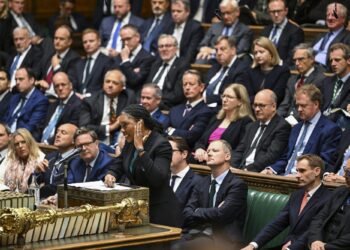 Witness statements reveal the CPS China spy row collapse in the UK
 Rachel Reeves signals welfare reform ahead of key budget
 Pizza Hut to shut 68 sites after collapsing into administration
 Kosovo agrees to host Britain’s refused asylum seekers
 Fabio Wardley stuns Joseph Parker to earn Usyk title shot
 Lotto result jackpot draw halted due to technical glitch
 British Woman in Iran ‘Losing Hope’ Amid Ongoing Detention
 Johnson Approved China’s London ‘Super-Embassy’ in 2018
 BBC Journalist Held and Interrogated in Vietnam
 ABF May Split Primark from Food Division Amid Tough Market
 Top Christmas Books Reads: Classics to Cozy Romcoms
 Just Stop Oil Protesters Convicted Amid Climate Defence Row
 Tony Blair think tank warns Rachel Reeves must cut taxes if manifesto broken
 Oprah enjoys Meghan’s jam on English muffins
 Tension and Turmoil at Aston Villa v Maccabi Match
 MPs Press Rachel Reeves to Hike Gambling Taxes
 Lando Norris Dominates Brazil GP to Strengthen F1 Title Bid
 UK toy market enjoys bumper year as ‘kidults’ fuel demand
 Global markets drop amid tech sell-off and China slowdown
 Rama Rebukes Mahmood for Targeting Albanian Families
 PM Highlights UK Business at G20 in South Africa
 Mossmorran Plant Closure Hits Cowdenbeath Hard
 UK Taskforce Unveils Plan to Streamline Nuclear Reactor Rules
 Steel billionaire Lakshmi Mittal reportedly leaves UK
 India’s Labour Law Overhaul Sparks Fierce Debate
 Virgin Media Fined £23.8m Over Telecare Safety Failures
 Rising Water Bills Lift Troubled Thames Back to Profit