Published: 17 October 2025. The English Chronicle Desk. English Chronicle Online
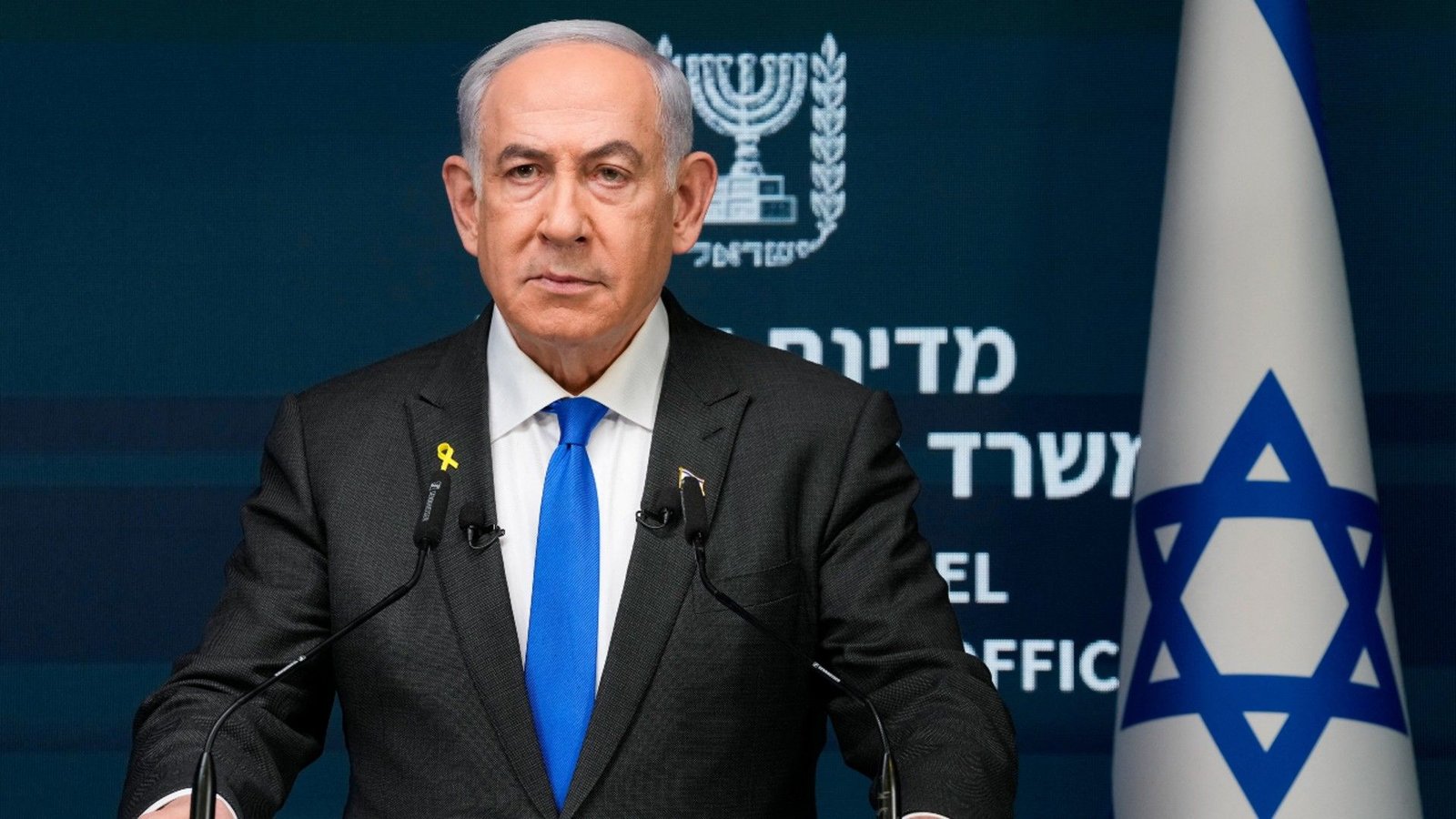
Israel’s Prime Minister Benjamin Netanyahu has vowed to continue Israel’s battle against terrorism “with full force” as anger mounts over Hamas’s failure to return the bodies of Israeli hostages in Gaza. His comments came during a memorial ceremony in Jerusalem marking the second Hebrew calendar anniversary of the 7 October 2023 Hamas-led attack that killed about 1,200 people in southern Israel and saw 251 others taken hostage.
The Israeli leader’s remarks followed the return of two more bodies by Hamas, identified as 22-year-old Inbar Hayman and Sergeant Major Muhammad al-Atarash. Their handover, supervised by masked Hamas gunmen in Gaza City and coordinated by the International Committee of the Red Cross, brought the total number of bodies returned since Monday to nine out of the 28 agreed upon under last week’s ceasefire deal.
Despite the partial return, fury has erupted in Israel over Hamas’s inability to locate and hand over the remaining 19 bodies. Hamas insists it remains committed to the truce and accused Netanyahu’s government of hampering recovery efforts by denying access for heavy equipment and diggers to search rubble in Gaza. In footage broadcast by Al Jazeera, Hamas fighters were seen guarding bulldozers operating at night in Khan Younis as they continued the grim task of locating remains. Mediators have reportedly been provided with coordinates and aerial photos to aid the search.

The United States, meanwhile, has attempted to calm the situation. Two senior advisers to President Donald Trump said that while delays in body recoveries were unfortunate, Washington did not believe Hamas had violated the ceasefire agreement, noting that the militant group had acted “in good faith” by sharing detailed information through intermediaries. A leaked version of the deal, published in Israeli media, reportedly allows for delays due to the extensive destruction in Gaza.
Still, Netanyahu’s government has hinted at new punitive measures, including restricting the flow of humanitarian aid into the territory. Addressing mourners at Mount Herzl cemetery, Netanyahu reaffirmed his resolve to retrieve the remaining hostages’ bodies and warned that Israel would not hesitate to resume full-scale military action if provoked again. “Our fight against terrorism will continue with full force,” he declared. “We will not allow evil to raise its head. We will exact the full price from anyone who harms us.”
The prime minister’s warning came amid renewed U.S. comments about the fragility of the ceasefire. President Trump suggested in a post on his Truth Social platform that Washington might support renewed fighting if Hamas “continues to kill people,” though he reiterated that American troops would not be deployed in Gaza.
According to Gaza’s health ministry, at least 67,967 people have been killed since Israel’s military campaign began in response to the 2023 attacks. The United Nations continues to regard the ministry’s casualty figures as broadly credible. The Hostages and Missing Families Forum in Israel has called on the government to “immediately halt the implementation” of the ceasefire deal until all the hostages’ bodies are returned.
Meanwhile, the exchange process continues on both sides. On Thursday, Israel returned the bodies of 30 Palestinians as part of the ongoing swap arrangement, bringing the total number of remains returned to 120. Gaza authorities are working to identify the deceased.
Attention has also turned to the Rafah crossing on the Egypt-Gaza border, which has remained closed since Israeli forces seized the area in May 2024. The latest ceasefire agreement states that Rafah will reopen under the same conditions as earlier in the year, allowing only humanitarian movement. An official from Cogat, the Israeli military body overseeing Palestinian territories, confirmed that the date for reopening Rafah “will be announced at a later stage,” pending coordination with Egyptian authorities. The official added that aid would continue entering Gaza via the Kerem Shalom crossing and other routes following strict Israeli security checks.

As tensions simmer, Israel finds itself navigating between domestic pressure for accountability, international mediation efforts, and the humanitarian complexities of a devastated Gaza. The fate of the remaining hostages—and the fragile truce designed to bring them home—remains a critical test for both the Israeli leadership and the broader prospects for regional stability.
Related News:
 Kinnock’s Rebuke Echoes Loudly as Corbyn Allies Launch Left-Wing Breakaway: “A Gift to Farage”
 UK and Norway Forge Stronger Ties Through Joint Sanctions and Enhanced Defence Cooperation
 Trump Administration Dismisses 17 Immigration Judges, Sparking Debate Over Judicial Independence
 England’s Euro Odyssey: A Tale of Grit, Glory and the Lionesses’ Miraculous March to the Final
 UK Must Act with Courage and Clarity on Israel-Palestine Conflict, Says Foreign Affairs Committee Report
 Northern Ireland Family of Three Shot Dead in Maguiresbridge Home Incident
 Seventeen Dead as Russia Targets Ukrainian Prison in Devastating Airstrike
 Tears in Tarragona: British Siblings Drown in Spanish Sea as Holiday Turns to Horror
 Global Trade Earthquake: Trump Slaps 35% Tariff on Canada and Expands Tariff Blitz to Over 90 Nations
 Tottenham Takes On Newcastle
 Gen Z Embraces the Big, Bold ‘Fake’ Indian Wedding Party Trend
 Trump Threatens 100% Tariff on Nations Importing Russian Oil Amid India Standoff Over Ukraine War
 Radioactive Leak at UK’s Nuclear Warhead Base Sparks Outcry Over Safety and Secrecy
 Mutual Inconvenience: Why Alaska Was Chosen for the Trump-Putin Summit on Ukraine
 China’s crackdown on civil servant perks sparks economic concerns
 Terence Stamp, ’60s British Film Legend and Star of Superman, Dies at 87
 Where Is Prince William and Kate Middleton’s New House? Inside the Historic Lodge Set to Become Their ‘Forever Home’
 FIFA Eyes Biennial Club World Cup from 2029, Plans Possible Expansion
 Hong Kong Summons UK and Australian Envoys Following Asylum Grants to Democracy Activists
 Is the UK Ready to Put Boots on the Ground in Ukraine? Assessing Military Capacity and Challenges
 Costa Blanca Holiday Horror as Food Poisoning Outbreak Hits Four-Star Hotel
 Shein UK Faces Allegations of Shifting Majority of Profits to Singapore to Reduce UK Tax
 British Couple Among 16 Killed in Lisbon Funicular Tragedy
 Conservative Influencer Charlie Kirk Fatally Shot During University Debate
 Thousands Gather in London to Protest Donald Trump’s Second UK State Visit
 Channel Crossings Surge: Over 1,000 People Arrive in the UK in Small Boats in a Single Day
 Widow of Charlie Kirk Forgives Killer at Emotional Memorial Service
 Las Vegas Faces Decline as Rising Costs Drive Tourists Away
 Public Executions in Gaza City Captured on Video Amid Ongoing Conflict
 Liverpool Vs outhampton Set for Carabao Cup Clash at Anfield
 Macron Phones Trump Over Traffic Jam in New York
 Denmark Investigates Professional Drone Incursions Across Multiple Airports, No Evidence of Russian Involvement
 Comey Indictment Deepens Fears of Political Retribution Under Trump
 Google at 27: The Untold Story of Ruth Kedar, the Woman Behind the Iconic Logo
 Yvette Cooper Signals Global Momentum Towards Gaza Peace Deal Amid Humanitarian Crisis
 ICC Women’s World Cup 2025: India to Host as Pakistan Fixtures Moved to Neutral Venues
 A Third of EU Citizens in UK Report Discrimination by Public Bodies Post-Brexit
 “It Was Very Tough, But I Love Life”: Former Israeli Hostage Rebuilds Life After Family Killed by Hamas
 Chaos at Ibrox as Martin’s Rangers Era Comes to an End
 Arsenal Showcase Depth and Flexibility as Arteta Eyes Title Challenge
 Nobel Prize Honours Pioneers Behind Materials That Could Heal the Planet
 Public Trust in SNP Hits Historic Low Amid NHS Concerns
 Johnson Suggests Mandelson Linked to China Spy Controversy
 Trump Claims Modi Has Agreed to Halt Russian Oil Imports Amid Heightened US Pressure
 Zelensky to Urge Missile Aid as Trump and Putin Plan Summit
 Rachel Reeves signals welfare reform ahead of key budget
 Kosovo agrees to host Britain’s refused asylum seekers
 Ireland Votes as Two Women Compete for Presidency
 Fabio Wardley stuns Joseph Parker to earn Usyk title shot
 WW2 Pilot’s Long-Lost Crash Site Unearthed in Essex
 Experts Warn Russia’s Burevestnik Missile Could Destabilise Arms Control
 British Woman in Iran ‘Losing Hope’ Amid Ongoing Detention
 Johnson Approved China’s London ‘Super-Embassy’ in 2018
 Tragedy on Lizard Island: Cruise Passenger Dies
 Fed Cuts US Interest Rates Again Amid Labour Market Uncertainty
 Top Christmas Books Reads: Classics to Cozy Romcoms
 Just Stop Oil Protesters Convicted Amid Climate Defence Row
 US Senate Passes Funding Bill to End Historic Shutdown
 Suicide Bombing at Islamabad Court Kills 12, Injures Dozens
 Hitler’s DNA Confirms He Truly Had Only One Testicle
 Japan Deploys Police to Curb Deadly Bear Attacks
 US Justice Department Files Lawsuit Against California Over Partisan Voting Maps
 Oklahoma Governor Grants Last-Minute Clemency to Death Row Inmate
 Pokémon to open world’s first theme park in Japan next year
 Trump Deploys DHS to Charlotte in Major Arrest Operation
 Orban Says Ukraine Has ‘No Chance’ as EU Support Continues
 Israeli Strike Kills 13 Near Palestinian Camp in Lebanon
 Zelensky Meets US Envoy in Turkey to Push Ukraine Peace Talks
 Haiti Qualifies for World Cup Despite Coach Never Visiting Country
 Pentagon Officials in Ukraine to Discuss War End
 Vietnam Battles Deadly Floods as Rains Continue
 Venezuela Threatens Nobel Winner Machado with Fugitive Status
 At Least Three Dead in Bangladesh Earthquake
 Israel Confirms Hamas Returned Dror Or’s Body
 Two National Guard Soldiers Critically Injured Near White House
 Southern Lebanon reels as Israeli strikes shatter communities
 Mbappe Scores 4 as Real Madrid Edge Olympiakos
 Sri Lanka Floods Leave 56 Dead, Dozens Missing
 India’s Labour Law Overhaul Sparks Fierce Debate
 Global campaign launched to free Palestinian leader Barghouti