Published: 21 October 2025. The English Chronicle Desk. The English Chronicle Online.
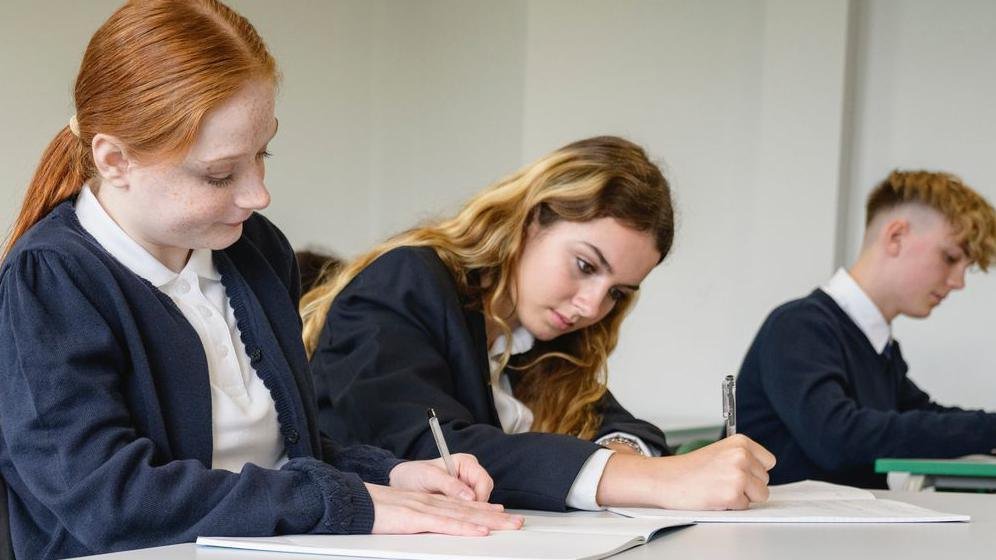
The UK government has announced that all secondary-age pupils in England, specifically those in year eight aged 12 and 13, will be required to take a compulsory reading test. Officially, the purpose of the test is to help raise literacy standards and ensure that “everyone can thrive” in the education system. While the intention may seem straightforward, the introduction of this assessment has sparked significant debate among educators, parents, and researchers about its potential benefits, costs, and unintended consequences.
Under the new scheme, the results of the reading tests will not be published publicly. Instead, the scores will be shared with families and the Office for Standards in Education, Children’s Services and Skills (Ofsted), which is responsible for inspecting schools. Proponents argue that this could encourage secondary schools to devote more attention to improving literacy, particularly for pupils who are struggling. In theory, the test may act as a catalyst for schools to focus on reading skills during a stage in education where literacy can often be overshadowed by the pressures of subject-specific learning.
England has historically performed well in international assessments of reading among young people. Average literacy levels remain high compared to other nations, though, like many countries, England experienced a small decline in reading scores following the disruption of the COVID-19 pandemic. Critics of the new test argue that it may do little to improve outcomes for the majority of pupils who are already proficient in reading, instead drawing attention and resources away from other important areas of the curriculum.

The primary concern should arguably be the minority of pupils who enter secondary school without a strong foundation in literacy. These children often struggle to access the wider curriculum because their reading skills are insufficient for comprehending subject material in science, history, or mathematics. Research shows that low literacy at age 12 or 13 is strongly linked to lower exam results at the General Certificate of Secondary Education (GCSE) stage. Ensuring that pupils meet a minimal threshold in literacy is therefore not only important for their current education but for their long-term academic prospects.
Primary schools in England typically place a strong emphasis on literacy and numeracy, reflecting the understanding that these skills form the foundation for all subsequent learning. Secondary schools, however, tend to focus more on discrete subjects, which often assume fluency in reading. Without intervention, pupils who lag in literacy may find themselves increasingly marginalised in their studies, unable to fully participate in classroom discussions, comprehend complex texts, or complete assignments independently. Advocates of the test suggest that if secondary schools use the results to identify and support these “catch-up” pupils, the initiative could have a positive impact.
However, the introduction of any new test comes with costs and challenges. Preparing students for the assessment will require curriculum time, teacher effort, and financial resources. There is a risk that, if schools do not actively prepare for the test, it may merely offer a snapshot of existing literacy levels without driving meaningful improvement. Additionally, the test may highlight the lower achievement of pupils from disadvantaged backgrounds, including those with special educational needs and disabilities (SEND), as well as children from poorer households. While identifying these gaps is important, it also raises concerns about stigmatisation and the psychological impact on students.
Testing can create anxiety for some pupils, particularly those who struggle academically. It is well documented that standardised assessments can generate stress and affect performance, meaning that the test may not always provide an accurate reflection of a child’s reading ability. For instance, children born in the summer months often start primary school at a younger developmental stage than their peers and tend to score lower on reading assessments, even when their skills are age-appropriate. This raises questions about the fairness and accuracy of a single test as a measure of literacy at age 12 or 13.
Achieving universal success on the reading test is likely to be challenging. Even the primary phonics screening test, taken in year one, sets a target of 90% pass rates, leaving around 10% of pupils who do not meet the standard. The new secondary test should arguably focus on the pupils who struggle most with literacy, rather than attempting to enforce a one-size-fits-all benchmark. Without targeted interventions, the results reported to Ofsted could simply reflect socio-economic disparities and existing learning challenges rather than prompting meaningful improvement. Research has shown that Ofsted inspections sometimes struggle to separate contextual factors, such as poverty and SEND prevalence, from raw test outcomes, leading to unfair assessments of schools.
Some experts argue that if the goal is to raise literacy among secondary pupils, earlier intervention might be more effective. Introducing the test at a younger age, perhaps in year four when children are still developing core reading skills, could allow two years for targeted support before the transition to secondary education. Early intervention aligns with evidence that reading proficiency is best developed in the early years and that literacy skills become harder to improve once children fall behind. However, this approach could be controversial, as primary schools already face pressure from multiple assessments and may resist adding another compulsory test to an already crowded curriculum.

Critics of the secondary test also question whether high-stakes assessments motivate schools to improve teaching quality or simply encourage “teaching to the test.” While the government intends to ensure every child can read fluently, without additional resources and professional development for teachers, schools may struggle to provide the individualised support needed for struggling pupils. Moreover, literacy improvement is a long-term process that involves reading practice, comprehension strategies, and engagement with texts, not just exam preparation.
Some parents and educators have expressed concern that the test could widen existing inequalities. Children who come from households where reading is less emphasised or who have limited access to books may be disproportionately affected. Additionally, pupils with SEND may find standardised assessments particularly challenging, potentially reinforcing negative self-perceptions and affecting motivation. Ensuring that schools use the results to provide targeted support rather than punitive measures is therefore critical.
Despite these concerns, proponents argue that any mechanism that draws attention to literacy gaps is valuable. The test could provide a clear signal to schools about which pupils need additional help and encourage investment in reading support programs. If implemented carefully, with appropriate teacher training and resources, the initiative could help ensure that all pupils achieve the literacy levels needed to succeed academically and in everyday life.
In conclusion, the proposed compulsory reading test for 13-year-olds in England highlights the tension between assessment, educational priorities, and equity. While literacy is undoubtedly vital for academic achievement and life skills, the effectiveness of a single test depends on careful implementation, sufficient resources, and a focus on pupils who are most in need. Without these considerations, the test risks being a superficial measure of performance rather than a tool for genuine improvement.
Related News:
 China-Backed Confucius Institutes at UK Universities Face Uncertainty Under New Free Speech Rules
 University of Edinburgh Lecturers Launch Five-Day Strike Amid £140m Budget Cuts
 It Changed My View’: Campaign Encourages Pupils in Deprived Areas to Consider University
 UK Universities Warn Students Ahead of 7 October Pro-Palestine Protests
 Oxford Union president-elect ousted following Charlie Kirk scandal
 Bridget Phillipson Vows to Confront Unions Over Reading Tests
 England’s Special Needs Support Faces Breaking Point
 UK Must Act with Courage and Clarity on Israel-Palestine Conflict, Says Foreign Affairs Committee Report
 Wethersfield Controversy Deepens as Asylum Seeker Numbers Set to Surge by 50%
 Chancellor Faces Mounting Pressure Amid “Impossible Trilemma” Over Tax Rises
 Princess of Wales Launches Animated Video Series to Support Early Childhood Development
 Radioactive Leak at UK’s Nuclear Warhead Base Sparks Outcry Over Safety and Secrecy
 Mass Arrests in London as Protest Defies Ban on Palestine Action
 Mutual Inconvenience: Why Alaska Was Chosen for the Trump-Putin Summit on Ukraine
 Russell T Davies Warns of Declining UK Gay Rights Amid Rise of Reform UK and Trump Influence
 UK Government Expands ‘Deport Now, Appeal Later’ Policy to 23 Countries
 Farage Accuses PM of ‘Democratic Disparity’ in House of Lords Representation
 Chancellor Rachel Reeves Pushes for Sweeping Changes to Environmental Protections to Accelerate Development
 Larger Families Could Gain Thousands if Labour Ends Two-Child Benefit Cap
 Why Where You Live Can Affect Your School Grades – And the Gap Between Areas Is Only Widening
 Is the UK Ready to Put Boots on the Ground in Ukraine? Assessing Military Capacity and Challenges
 Education Leaders Call for End to Compulsory GCSE Resits in English and Maths
 Palestine Action Ban Protesters Plan Tactic to Overwhelm Police at Next London Demonstration
 Police Scotland Spends £500,000 Compensating Officers Over Trump Visit
 Britain’s Migration Challenge: Rising Asylum Numbers and Hotel Pressures
 Elon Musk Sparks New Controversy by Backing Tommy Robinson Amid Farage Feud
 Thousands of New School Nursery Places to Be Rolled Out Across England
 Urgent Action Needed on Windrush Compensation as Survivors Speak of “Waiting to Die”
 Tanni Grey-Thompson Faces Abuse Over Opposition to Assisted Dying Bill
 TfL Invites RMT to Resume Talks as London Tube Strikes End
 UK Rejoining EU ‘Unlikely in My Lifetime,’ Says Starmer’s Europe Reset Negotiator
 UK Graduates in Healthcare Report Highest Satisfaction with Degree Choices
 ‘Unite the Kingdom’ Rally Sparks Fears of Far-Right Normalisation Among Minority Britons
 Growing Crisis in UK Schools: One in Three Parents Seek Special Needs Assessments
 Thousands Gather in London to Protest Donald Trump’s Second UK State Visit
 Zarah Sultana Seeks Legal Action After Bitter Clash with Jeremy Corbyn Over Party Membership Funds
 UK Launches Initiative to Teach Democracy to Toddlers in Memory of Sir David Amess
 Nigel Farage Unveils Controversial Immigration and Welfare Plans at Reform UK Press Conference
 Top Andy Burnham Ally Launches Fierce Critique of Starmer Ahead of Labour Conference
 Mahmood Pledges Reform of Modern Slavery Laws After Court Blocks Deportation Appeal
 White Low-Income Pupils in England Show Lowest Levels of School Engagement, Study Finds
 Ed Miliband Warns UK Government on X, Citing Elon Musk as a “Dangerous Influence”
 Ed Miliband Urges Labour to Confront Billionaire-Backed Opposition to Net Zero Goals
 A Third of EU Citizens in UK Report Discrimination by Public Bodies Post-Brexit
 Teacher Permanently Banned After Slapping Pupil Over Classroom Incident
 Digital ID Plans Ignite Debate Over £600m Treasury Tax Boost and Privacy Concerns
 Kemi Badenoch Unveils ‘Golden Rule’ to Halve Spending Cuts for Deficit Reduction at Tory Conference
 Public Trust in SNP Hits Historic Low Amid NHS Concerns
 Yvette Cooper Backs Digital ID Plan for UK Teens
 Johnson Suggests Mandelson Linked to China Spy Controversy
 UK border officers deployed to Balkans to tackle migrant smuggling
 Ministry of Justice fails to file £11bn in spending receipts
 UK MPs warn of repeat riots over online misinformation
 Rachel Reeves signals welfare reform ahead of key budget
 New V-Level qualification to transform post-16 education
 Reform UK candidate fined £19,000 after using AI-generated cases to challenge election
 Kosovo agrees to host Britain’s refused asylum seekers
 One in 12 Secondary Pupils Sent to Isolation Weekly
 William Steps Up Over Prince Andrew Palace Response
 UK Health Leaders Push for Urgent Tobacco & Vape Bill
 How the Royal Navy Can’t Stop the Channel Boats
 Johnson Approved China’s London ‘Super-Embassy’ in 2018
 Green Party Surges Past Labour in Latest UK Poll
 Celebrities and Charities Demand UK Government Act on Child Poverty
 Zarah Sultana Launches Party to Change Politics
 Children to Learn Local History in Major Curriculum Overhaul
 FBI Director Kash Patel Defends Girlfriend Amid Government Jet Claims
 Top Christmas Books Reads: Classics to Cozy Romcoms
 Greta Thunberg Backs Student Facing UK Visa Revocation
 Labour immigration crackdown could cost UK £4.4bn
 London’s Childlessness Crisis: Schools Closing as Families Shrink
 ‘Reckless’ cuts to victims’ services will cost more than they save
 Starmer Faces Growing Dissent as Labour MPs Weigh Leadership Challenge
 Politics latest: Starmer ‘will fight any leadership coup’ as Streeting denies attempt to oust Labour PM
 Pressure Mounts on Starmer to Sack Chief of Staff Over Briefing Row
 Peers Flood Assisted Dying Bill with 942 Amendments
 MoD warned over Excel risks before Afghan data breach
 Most Tories Expect to Support a Farage-Led Government
 Labour MP claims devolution bill is ‘blatant discrimination’ against Cornwall
 Millions Face Higher Taxes Under Reeves New Budget