Published: 23 October 2025. The English Chronicle Des. The English Chronicle Online.
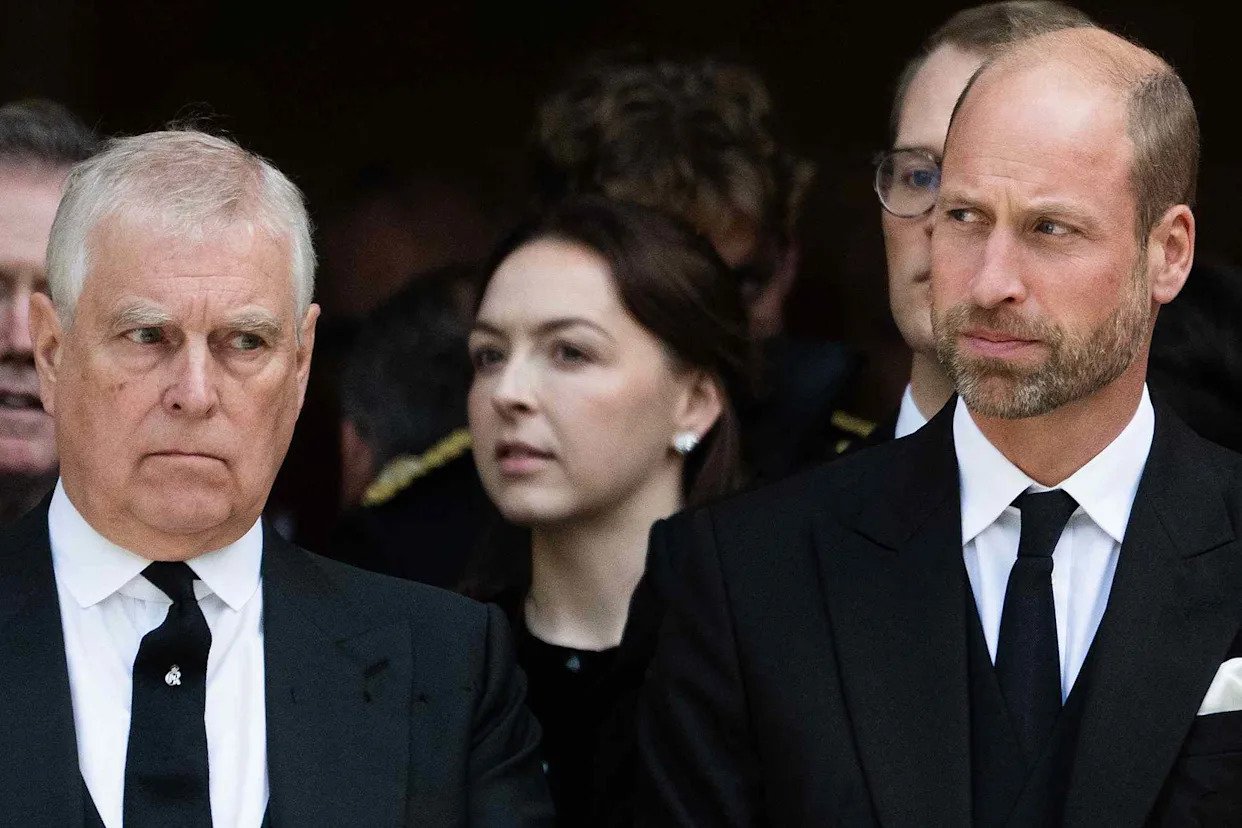
Prince William is reportedly taking charge of the Palace’s response to the ongoing Prince Andrew scandal, following widespread criticism over the monarchy’s slow handling of the matter. Sources indicate that the Prince of Wales is closely involved in discussions about the future of the monarchy amid growing cabinet unease.
“William is on it,” a Whitehall source told BBC Newsnight, reflecting the sense of urgency within royal circles as the Palace seeks to manage the fallout from years of controversy surrounding Andrew. The Duke of York has been under intense scrutiny following allegations that he sexually abused Virginia Giuffre, claims he has consistently denied.

Pressure on the King’s brother intensified last week after he attempted to draw a line under the controversy by stepping down from public duties, surrendering his dukedom, and relinquishing several other honours. This move came ahead of the posthumous publication of Ms Giuffre’s memoir, which includes further allegations against the prince.
Despite Andrew’s repeated denials, public and political scrutiny continues to mount. Reports have also emerged concerning the terms of Andrew’s Royal Lodge residence, raising questions over whether he has been occupying the mansion on a “peppercorn rent” for nearly two decades. The Guardian has reported that MPs are now “pushing hard” for a formal probe into the arrangement, reflecting broader concerns about transparency and accountability in Crown properties.
Labour leader Sir Keir Starmer has joined calls for Andrew to be summoned before parliament to provide evidence, emphasising the need for “proper scrutiny” of all Crown properties. The development highlights the growing political and public pressure on the monarchy to respond decisively to controversies surrounding members of the Royal Family.
Whitehall insiders suggest that William’s involvement signals a more coordinated approach from the Palace, with the Prince of Wales seen as taking responsibility for guiding the institution through what some describe as one of its most challenging periods in recent years. Analysts note that this hands-on approach may also be aimed at reassuring the public and ministers that the monarchy is actively addressing concerns over accountability and conduct.
The controversy surrounding Andrew’s association with the late financier Jeffrey Epstein has continued to cast a shadow over the Royal Family, raising questions about ethics, privilege, and the responsibilities of senior royals. Andrew’s resignation from public duties and forfeiture of titles came after sustained media attention and growing calls from both parliamentarians and public figures for accountability.
Legal experts have observed that while Andrew has denied all allegations, the combination of memoir revelations, historical accusations, and political scrutiny creates a complex environment for the Palace. The situation has prompted renewed debate over the constitutional role of royal titles, the management of Crown properties, and the broader implications for the monarchy’s public image.
Political commentators argue that William’s active role may also reflect a generational shift in how the Royal Family responds to crises. Whereas previous generations have been criticised for perceived secrecy or delay, the current approach under William appears focused on prompt intervention, structured communication, and measured responses aimed at mitigating reputational damage.

Observers note that the King, while supportive of his brother, is reportedly navigating a delicate balance between family loyalty and institutional responsibility. Sources indicate that internal discussions continue regarding the longer-term implications of Andrew’s actions for the monarchy, including public trust, parliamentary oversight, and media scrutiny.
As the Palace manages the fallout, attention remains firmly on forthcoming parliamentary inquiries, media coverage, and the public reception of Ms Giuffre’s memoir. With Andrew’s future engagements curtailed and his public role diminished, the Royal Family appears intent on containing the controversy while maintaining the dignity of the institution.
The ongoing developments serve as a reminder of the complex interplay between personal conduct, public office, and institutional reputation. Analysts suggest that William’s leadership in managing the response may be pivotal in shaping both short-term crisis management and long-term public confidence in the monarchy.
Related News:
 Prince Andrew Hosted Epstein Days Before Arrest
Prince Andrew Under Pressure as MPs Question Royal Lodge Rent Arrangements
Prince Andrew Hosted Epstein Days Before Arrest
Prince Andrew Under Pressure as MPs Question Royal Lodge Rent Arrangements
 Second world war veterans honoured as King leads Remembrance Sunday
 Farage appointee to lead Reform youth accused of anti-British views
Palace to reinstate hyphen in Andrew’s surname
Farage appointee to lead Reform youth accused of anti-British views
Palace to reinstate hyphen in Andrew’s surname
 UK Must Act with Courage and Clarity on Israel-Palestine Conflict, Says Foreign Affairs Committee Report
 Wethersfield Controversy Deepens as Asylum Seeker Numbers Set to Surge by 50%
 Chancellor Faces Mounting Pressure Amid “Impossible Trilemma” Over Tax Rises
 Prince Harry Cleared of Bullying Allegations Amid Charity Dispute Fallout
 Radioactive Leak at UK’s Nuclear Warhead Base Sparks Outcry Over Safety and Secrecy
 Mass Arrests in London as Protest Defies Ban on Palestine Action
 Mutual Inconvenience: Why Alaska Was Chosen for the Trump-Putin Summit on Ukraine
 Russell T Davies Warns of Declining UK Gay Rights Amid Rise of Reform UK and Trump Influence
 UK Government Expands ‘Deport Now, Appeal Later’ Policy to 23 Countries
 Farage Accuses PM of ‘Democratic Disparity’ in House of Lords Representation
 Where Is Prince William and Kate Middleton’s New House? Inside the Historic Lodge Set to Become Their ‘Forever Home’
 Chancellor Rachel Reeves Pushes for Sweeping Changes to Environmental Protections to Accelerate Development
 Larger Families Could Gain Thousands if Labour Ends Two-Child Benefit Cap
 Is the UK Ready to Put Boots on the Ground in Ukraine? Assessing Military Capacity and Challenges
 Palestine Action Ban Protesters Plan Tactic to Overwhelm Police at Next London Demonstration
 Police Scotland Spends £500,000 Compensating Officers Over Trump Visit
 Britain’s Migration Challenge: Rising Asylum Numbers and Hotel Pressures
 Elon Musk Sparks New Controversy by Backing Tommy Robinson Amid Farage Feud
 Urgent Action Needed on Windrush Compensation as Survivors Speak of “Waiting to Die”
 Tanni Grey-Thompson Faces Abuse Over Opposition to Assisted Dying Bill
 Protests Expected as Israeli Arms Firms Join Global Defence Trade Fair in London
 TfL Invites RMT to Resume Talks as London Tube Strikes End
 UK Rejoining EU ‘Unlikely in My Lifetime,’ Says Starmer’s Europe Reset Negotiator
 ‘Unite the Kingdom’ Rally Sparks Fears of Far-Right Normalisation Among Minority Britons
 France Proposes Ceiling on UK Role in €150bn EU Defence Fund
 Thousands Gather in London to Protest Donald Trump’s Second UK State Visit
 Zarah Sultana Seeks Legal Action After Bitter Clash with Jeremy Corbyn Over Party Membership Funds
 Nigel Farage Unveils Controversial Immigration and Welfare Plans at Reform UK Press Conference
 Top Andy Burnham Ally Launches Fierce Critique of Starmer Ahead of Labour Conference
 Mahmood Pledges Reform of Modern Slavery Laws After Court Blocks Deportation Appeal
 It Changed My View’: Campaign Encourages Pupils in Deprived Areas to Consider University
 UK Fighter Jet Purchase Could Breach Nuclear Treaty, Warns CND
 Ed Miliband Warns UK Government on X, Citing Elon Musk as a “Dangerous Influence”
 Ed Miliband Urges Labour to Confront Billionaire-Backed Opposition to Net Zero Goals
 A Third of EU Citizens in UK Report Discrimination by Public Bodies Post-Brexit
 Senior Tories Condemn Badenoch’s Vow to Repeal Climate Change Act as Catastrophic
 Digital ID Plans Ignite Debate Over £600m Treasury Tax Boost and Privacy Concerns
 Kemi Badenoch Unveils ‘Golden Rule’ to Halve Spending Cuts for Deficit Reduction at Tory Conference
 Public Trust in SNP Hits Historic Low Amid NHS Concerns
 Sussexes Warn on Children’s Phone Use Echoing Princess of Wales
 Yvette Cooper Backs Digital ID Plan for UK Teens
 Prince Andrew told Epstein “we are in this together”
 Johnson Suggests Mandelson Linked to China Spy Controversy
 UK border officers deployed to Balkans to tackle migrant smuggling
 Ministry of Justice fails to file £11bn in spending receipts
 UK MPs warn of repeat riots over online misinformation
 Rachel Reeves signals welfare reform ahead of key budget
Giuffre’s bombshell memoir names Prince Andrew 88 times in shocking revelations
Rachel Reeves signals welfare reform ahead of key budget
Giuffre’s bombshell memoir names Prince Andrew 88 times in shocking revelations
 Reform UK candidate fined £19,000 after using AI-generated cases to challenge election
 Harry and Meghan join global AI leaders urging superintelligence ban
 UK Health Leaders Push for Urgent Tobacco & Vape Bill
 How the Royal Navy Can’t Stop the Channel Boats
 British Woman in Iran ‘Losing Hope’ Amid Ongoing Detention
 Johnson Approved China’s London ‘Super-Embassy’ in 2018
 Green Party Surges Past Labour in Latest UK Poll
 Celebrities and Charities Demand UK Government Act on Child Poverty
 Zarah Sultana Launches Party to Change Politics
 FBI Director Kash Patel Defends Girlfriend Amid Government Jet Claims
 Prince William Plants Trees with Brazil’s Nature Heroes
 King Charles to Lead Nation in Remembrance Sunday Service
 ‘Reckless’ cuts to victims’ services will cost more than they save
 Starmer Faces Growing Dissent as Labour MPs Weigh Leadership Challenge
 Politics latest: Starmer ‘will fight any leadership coup’ as Streeting denies attempt to oust Labour PM
 Pressure Mounts on Starmer to Sack Chief of Staff Over Briefing Row
 Peers Flood Assisted Dying Bill with 942 Amendments
 England’s Special Needs Support Faces Breaking Point
 MoD warned over Excel risks before Afghan data breach
 Labour Faces Historic Decline in Wales
 PM Highlights UK Business at G20 in South Africa
 Kate Forbes: Motherhood Harder Than Politics
 Most Tories Expect to Support a Farage-Led Government
 Labour MP claims devolution bill is ‘blatant discrimination’ against Cornwall
 Millions Face Higher Taxes Under Reeves New Budget
 Peers Get Extra Time to Debate Assisted Dying Bill
 “Enough is Enough”: Local MP Vows to Fight Rainham Quarry Plans