13 November 2025. The English Chronicle Desk. The English Chronicle Online
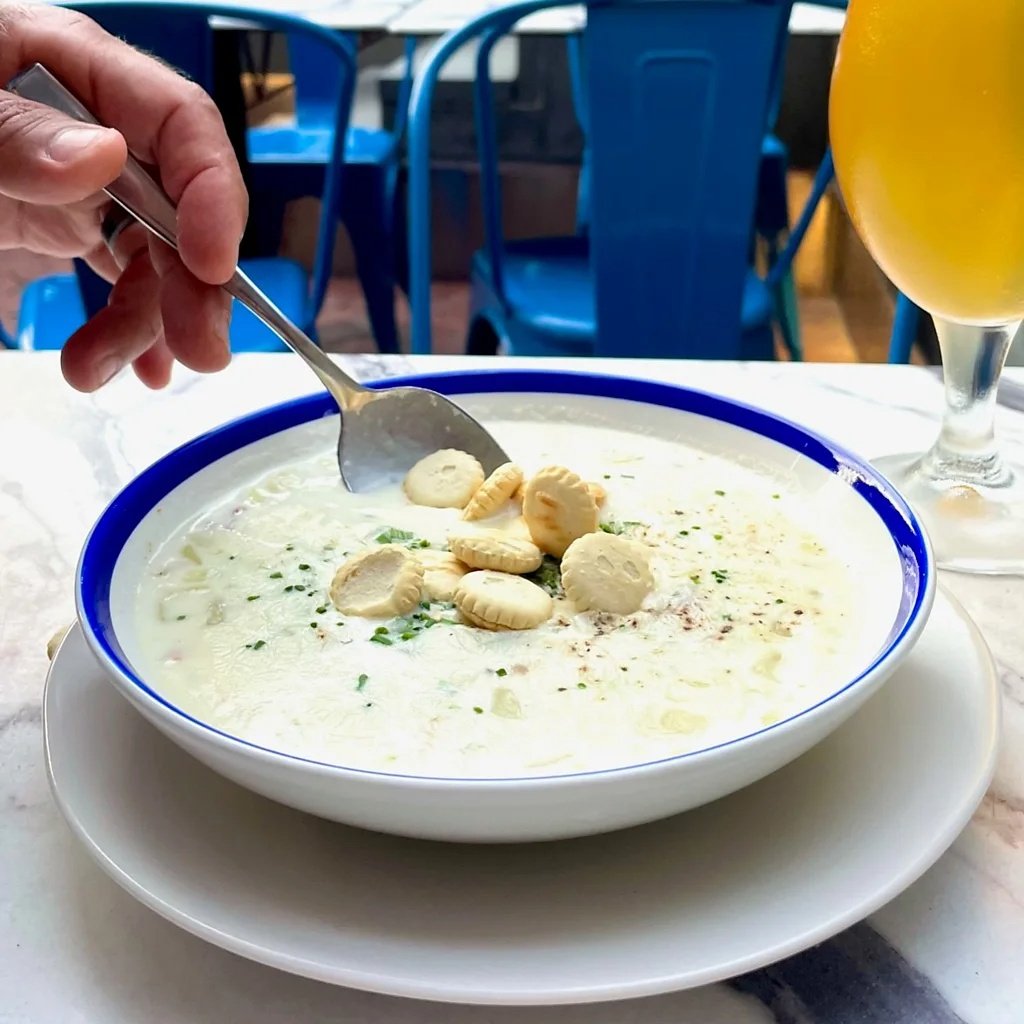
Jeremy Sewall, a chef with experience in restaurants around the globe, is renowned in his hometown of Boston for his expertise in clam chowder. From Neptune Oyster to Yankee Lobster, Sewall shares his top recommendations for the city’s standout bowls.
New England clam chowder—a creamy, hearty stew made with clams and potatoes—has become a symbol of Boston’s culinary identity. The origins of clear broth-style chowders trace back hundreds of years to the Indigenous peoples of what is now Massachusetts, who used local shellfish, fish, corn, and beans. English settlers later adapted the recipes, replacing some ingredients with potatoes. Since 1836, chowder—or “chowdah,” as Bostonians pronounce it—has been served at Boston’s Union Oyster House, the oldest continuously operating restaurant in the US. Over time, New England-style clam chowder has become an enduring part of the city’s food culture.

Not all clam chowders are created equal, however. Sewall, chef and partner at Row 34 in Boston’s Seaport district, highlights the subtle differences that make certain bowls exceptional. While the traditional characteristics of New England clam chowder—a milky base, chopped clams, diced potatoes, and often bacon or salt pork—remain central, other elements can vary. At Row 34, Sewall thickens his chowder with a classic roux of butter and flour, incorporating bacon fat for a rich, velvety flavour. His secret touch is a hint of green Tabasco, which adds a gentle spice and acidity.
“Chowder has long been part of Boston culture and represents New England itself,” Sewall says. “It’s a simple, hearty dish, but when done right, it’s iconic. That’s why it has endured for centuries and remains one of Boston’s most beloved dishes.”
Boston’s location on Massachusetts Bay and access to the Atlantic Ocean naturally ensures fresh seafood for local chefs. “We have clams readily available here, and it’s just part of how we cook,” Sewall explains. “Even a simple dish like chowder benefits from the quality of local ingredients.”
Sewall’s recommendations showcase some of the finest clam chowders across Boston, offering both locals and visitors a chance to experience the city’s culinary heritage in its most classic form.
Related News:
 UK Charters Emergency Flights to Evacuate Britons from Jamaica
 World Whisky Tour: 9 Global Gems
 Shouting Works Best to Deter Gulls, UK Study Finds
 Mary Earps’s Manchester United Return Faces Mixed Reception
 Seven Countries, One Winner: Europe’s Best Christmas Market
 MP Offers Seat to Help Burnham Challenge Starmer
 Director Michael Caton-Jones Reflects on Career and Beginnings
 Miss Mexico Wins Miss Universe After Walkout Drama
 Night Bus Crash in Cambodia Kills 16
 The 20 best Christmas markets in the UK, from Bath to Edinburgh
 Putin Intensifies Territorial Demands Before US Talks
 Scotland Gains 33 New Towns – Life in Growing Communities
 A Colourful Cultural Escape in Mexico’s Querétaro
 Search underway for British man overboard off Tenerife
 Manchester Airport Faces Delays After EasyJet Planes’ Wings ‘Clip’ on Runway
 Access to Iconic Cornish Beach Cut Off by National Trust Amid Safety Concerns
 Costa Blanca Holiday Horror as Food Poisoning Outbreak Hits Four-Star Hotel
 Hospice Cuts Raise Alarm Across England Amid Funding Crisis
 Tragedy on Lizard Island: Cruise Passenger Dies
 Green Party Surges Past Labour in Latest UK Poll
 Celebrities and Charities Demand UK Government Act on Child Poverty
 UK launches search for first-ever ‘town of culture’ to highlight overlooked areas
 The Lowry Hotel: Manchester’s Iconic Five-Star Retreat
 London’s Childlessness Crisis: Schools Closing as Families Shrink
 Britain deploys RAF specialists to assist Belgium with drone threats
 ‘Reckless’ cuts to victims’ services will cost more than they save
 US Senate Passes Funding Bill to End Historic Shutdown
 VAR Must Rein Its Neck In to Save Football’s Spirit
 From Lego to Pokémon: How Adults Are Driving UK Toy Market Growth
 Sam Kerr Stars in Chelsea Return with Champions League Double
 Politics latest: Starmer ‘will fight any leadership coup’ as Streeting denies attempt to oust Labour PM
 Son Reveals UK Couple in Iran Resort to Hunger Strike for Help
 Hitler’s DNA Confirms He Truly Had Only One Testicle
 US Justice Department Files Lawsuit Against California Over Partisan Voting Maps
 Former Lion Heskey Warns of Shortage of England Strikers
 Israel Confirms Returned Hostage as Meny Godard
 How Cultures Interpreted the Aurora Through History
 Orban Says Ukraine Has ‘No Chance’ as EU Support Continues
 Mother Watches in Horror as Teen Daughter Dies on Tracks
 South African Detained After Neo-Nazi Rally in Australia
 Israeli Strike Kills 13 Near Palestinian Camp in Lebanon
 Zelensky Meets US Envoy in Turkey to Push Ukraine Peace Talks
 Commuters warned as yellow snow and ice alert hits Northern Ireland
 UK Vulnerable to Attack, Defence Committee Finds
 Haiti Qualifies for World Cup Despite Coach Never Visiting Country
 US Judge Says Meta Did Not Hold Illegal Social Media Monopoly
 Labour Faces Historic Decline in Wales
 Rama Rebukes Mahmood for Targeting Albanian Families
 Serial Rapist and Former Cop Found Guilty Again
 Woman Meets Boy Whose Life She Saved with Kidney
 Two Officers Injured After Van Deliberately Rams Patrol Car
 Pentagon Officials in Ukraine to Discuss War End
 Ex-Harvard President Pauses Teaching Over Epstein Emails
 Vietnam Battles Deadly Floods as Rains Continue
 Raccoons Could Become America’s Next Pet
 Scottish Families Take Legal Action Over School CO Leak
 Venezuela Threatens Nobel Winner Machado with Fugitive Status
 At Least Three Dead in Bangladesh Earthquake
 Clifftop Lodges Spark Fears Over Jurassic Coast Stability
 Most Tories Expect to Support a Farage-Led Government
 These are the best Airbnb cottages in the UK for getaway inspired by The Holiday
 Vicki Fears Losing Motability Car
 Israel Confirms Hamas Returned Dror Or’s Body
 Trump Envoy to Discuss Ukraine Peace at Kremlin
 Millions Face Higher Taxes Under Reeves New Budget
 Peers Get Extra Time to Debate Assisted Dying Bill
 Planned Palestinian Flag Raising at Belfast City Hall Faces Delay Amid Legal Concerns
 Two National Guard Soldiers Critically Injured Near White House
 Mbappe Scores 4 as Real Madrid Edge Olympiakos
 Man City Lose, Champions League Risk
 Sri Lanka Floods Leave 56 Dead, Dozens Missing
 India’s Labour Law Overhaul Sparks Fierce Debate
 Video shows Israeli troops kill Palestinians after surrender
 Machynlleth High Street Left Without Christmas Lights
 Jordan Bardella: France’s Young Presidential Contender
 AI Actress Creator Says Tilly Norwood Won’t Replace Actors
 Pavarotti statue frozen in Italian ice rink sparks backlash
 Barcelona, Atletico set for decisive La Liga showdown
 Maxwell withdraws from IPL 2026 after 13 seasons
 Indonesia to Repatriate Two Dutch Drug Convicts