Published: 18 November 2025 Tuesday . The English Chronicle Desk. The English Chronicle Online
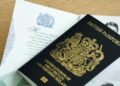
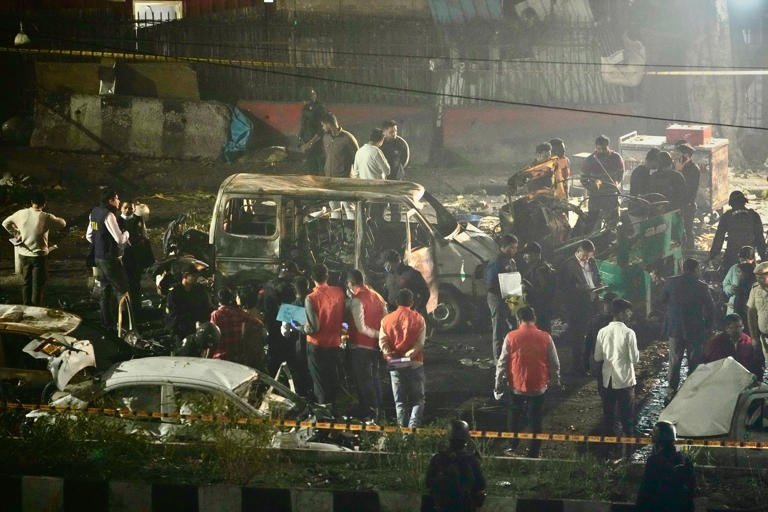
Two British doctors were arrested in northern India after allegedly crossing into the country from Nepal without valid visas, authorities confirmed over the weekend. The incident occurred amid heightened security along the Rupaidiha border in Uttar Pradesh, following a deadly car explosion in Delhi earlier this month that claimed 13 lives.
The arrested individuals, identified as Dr Hassan Amman Saleem, 35, a British citizen of Pakistani origin residing in Manchester, and Dr Sumitra Shakeel Olivia, 61, originally from Udupi in southern India and currently based in Gloucester, were reportedly working on a medical mission in Nepal. The pair walked across the frontier into India and were intercepted shortly thereafter by the Sashastra Seema Bal (SSB) along with local police.
Ganga Singh Udawat, commandant of the SSB 42nd Battalion, stated that while the border is open to Indian and Nepalese citizens, all foreign nationals are required to carry valid visas for both countries. “During scrutiny of their documents, it was found that both were British nationals and did not possess valid Indian visas. They failed to provide a satisfactory reason for their entry into India,” he told the PTI news agency.

Following their detention, the two doctors were handed over to the Rupaidiha police for further legal action. Officials are investigating the circumstances of their border crossing, with authorities reportedly treating the matter seriously due to heightened security concerns in the wake of the Delhi attack.
Security experts noted that the arrest underscores India’s strict border control measures, particularly in regions bordering Nepal, where monitoring has intensified in recent weeks. The Rupaidiha border, a major crossing point for trade and tourism between India and Nepal, has seen increased patrolling and scrutiny of travelers after the car bombing incident in Delhi raised fears of potential cross-border threats.
Both doctors are understood to have been traveling out of professional curiosity rather than with any ill intent. Sources close to the detained individuals indicated that they were visiting India briefly while engaged in humanitarian work in neighboring Nepal. Nevertheless, Indian authorities are bound by legal procedures regarding unauthorized entry, particularly for foreign nationals during periods of elevated security alerts.
Dr Saleem and Dr Olivia have cooperated with local authorities during initial questioning, according to reports. It remains unclear whether they will face formal charges or be deported to the United Kingdom after verification of their identities and purposes of travel. The case has drawn attention in both British and Indian media, highlighting the complexities of visa regulations and border security enforcement in South Asia.
Legal experts have emphasized that even in cases of humanitarian or medical missions, foreign nationals are required to obtain valid visas prior to entering India. “Border rules exist to ensure security and proper documentation. Unauthorized entry, even if unintentional, can carry serious consequences,” said a senior immigration lawyer in Delhi.

The Rupaidiha incident follows a pattern of increased vigilance across India’s northern borders, with authorities taking stringent measures to prevent any security breaches in the aftermath of the deadly Delhi car explosion. Police and border security agencies have intensified checks, particularly focusing on foreign nationals traveling from neighboring countries.
While both doctors are currently in custody, diplomatic channels between the UK and India are expected to be engaged to resolve the matter. Officials in London have acknowledged awareness of the incident and are reportedly monitoring developments closely. The British government has advised all citizens traveling abroad to strictly comply with local visa and entry regulations.
As investigations continue, local residents in Rupaidiha expressed support for the authorities’ swift action, emphasizing the need to maintain stringent security measures along sensitive border areas. At the same time, medical colleagues of the detained doctors in Nepal have expressed hope that the matter will be resolved quickly without unnecessary legal complications.
The incident serves as a reminder of the importance of adhering to international travel requirements and visa protocols, especially in regions with complex security dynamics. It also highlights the delicate balance authorities must maintain between ensuring safety and facilitating legitimate cross-border travel for professionals engaged in humanitarian work.
Authorities have not yet released a timeline for the resolution of the case, but all parties involved have pledged to cooperate fully. Both Dr Saleem and Dr Olivia face an uncertain period in custody while the legal and administrative procedures take their course, and their families are awaiting updates from the Indian authorities.
Related News:
 Singapore Women Acquitted After Pro-Palestine March
 ICC to Rule on Duterte’s Provisional Release
 Chinese & Japanese Boats Clash Near Disputed Islands
 Hong Kong Orders Probe Into Deadly 151-Death Fire
 Putin Meets US Envoy Amid Key Ukraine Peace Talks
 Indonesia to Repatriate Two Dutch Drug Convicts
 China’s Youth Save, Not Spend, Amid Job and Housing Worries
 Seven Conditions That Automatically Qualify You for a Free Bus Pass
 US Justice Department Files Lawsuit Against California Over Partisan Voting Maps
 Bataclan Anniversary: France Remembers but Jihadist Danger Lingers
 UK Asylum Reforms: Temporary Refugee Status and Faster Deportations
 Mahmood Announces Temporary Refugee Status Plan
 South African Detained After Neo-Nazi Rally in Australia
 Minister Defends Tough New Asylum Reform Plan
 UK Net Migration Falls Sharply After ONS Revisions
 Israeli Strike Kills 13 Near Palestinian Camp in Lebanon
 Only One Republican Opposes Mass Release of Epstein Files
 Congress Approves Release of Epstein Files, Trump Expected to Sign
 Court to Hear Challenge to Wimbledon Expansion Plan
 Serial Rapist and Former Cop Found Guilty Again
 Two Officers Injured After Van Deliberately Rams Patrol Car
 Senedd Suspends Politician Over Offensive Racial Slur
 Trump Slams Democrats With ‘Seditious’ Death Claim
 Night Bus Crash in Cambodia Kills 16
 Texas Governor Faces Lawsuit From CAIR
 Runaway Driver Caught by DNA Evidence
 Teens Launch High Court Challenge to Australia’s Social Media Ban
 Peers Get Extra Time to Debate Assisted Dying Bill
 Hong Kong Wang Fuk Court Fire Leaves Dozens Dead
 Thousands Homeless After Massive Fire in Dhaka Shantytown
 US National Guard Member Killed in DC Shooting
 Sri Lanka Floods Leave 56 Dead, Dozens Missing
 India’s Labour Law Overhaul Sparks Fierce Debate
 Video shows Israeli troops kill Palestinians after surrender
 Man Arrested Over Manchester Synagogue Terror Attack
 Second homes curbs quashed in Gwynedd legal ruling
 Fury After Hong Kong’s Deadliest Fire in Decades
 Southeast Asia floods claim 241 lives, rescue efforts continue
 Trump to pause migration from ‘third-world countries’
 Tokyo court rules Japan’s same-sex marriage ban constitutional
 Twelve Prisoners Released in Error, Two Still Missing
 Maxwell withdraws from IPL 2026 after 13 seasons
 Franklin Turtle, Sabrina Carpenter Slam US Social Media Use
 Trump Administration Dismisses 17 Immigration Judges, Sparking Debate Over Judicial Independence
 Northern Ireland Family of Three Shot Dead in Maguiresbridge Home Incident
 Singapore Corruption Scandal: Details Emerge on Iswaran’s Luxury Flight and Ties to Tycoon Ong Beng Seng
 Xi, Putin and Kim Display Unified Front at Massive Beijing Military Parade
 India Triumph in Dubai Amid Unexpected Twists
 Hospice Cuts Raise Alarm Across England Amid Funding Crisis
 French Taxi Driver Cleared in David Lammy Theft Case After Fare Dispute
 King Charles to Lead Nation in Remembrance Sunday Service
 Britain deploys RAF specialists to assist Belgium with drone threats
 From Lego to Pokémon: How Adults Are Driving UK Toy Market Growth
 Shouting Works Best to Deter Gulls, UK Study Finds
 PM Condemns Leaks, Vows Loyalty to Ministers and Stability
 Son Reveals UK Couple in Iran Resort to Hunger Strike for Help
 TalkTV Fires Mike Graham Over Racist Facebook Post
 Major Rent Reform Ends No-Fault Evictions in England
 Saka Solidifies Role as Tuchel’s Key England Lieutenant
 Former Lion Heskey Warns of Shortage of England Strikers
 Trump Deploys DHS to Charlotte in Major Arrest Operation
 December Run-Off in Chile as Election Produces No Winner
 Zelenskyy Signs Fighter Jet Deal Amid Russian Drone Attacks
 Orban Says Ukraine Has ‘No Chance’ as EU Support Continues
 Stroke Patient Mistaken for Drunk, Care Delayed
 Seven Countries, One Winner: Europe’s Best Christmas Market
 Commuters warned as yellow snow and ice alert hits Northern Ireland
 Haiti Qualifies for World Cup Despite Coach Never Visiting Country
 Pentagon Officials in Ukraine to Discuss War End
 Vietnam Battles Deadly Floods as Rains Continue
 Scottish Families Take Legal Action Over School CO Leak
 Venezuela Threatens Nobel Winner Machado with Fugitive Status
 Vicki Fears Losing Motability Car
 Millions Face Higher Taxes Under Reeves New Budget
 Two National Guard Soldiers Critically Injured Near White House
 Southern Lebanon reels as Israeli strikes shatter communities
 Jordan Bardella: France’s Young Presidential Contender
 Search underway for British man overboard off Tenerife
 Virgin Media Fined £23.8m Over Telecare Safety Failures
 Pavarotti statue frozen in Italian ice rink sparks backlash