Published: 18 November 2025 Tuesday . The English Chronicle Desk. The English Chronicle Online
After years of celebrating Christmas under the blazing Australian sun, one family decided to swap sunscreen for snow—and discovered festive magic in the heart of Europe. The allure of twinkling lights, the scent of roasting chestnuts, and the joy of winter markets proved irresistible. Their adventure began with a simple goal: to experience Christmas in its quintessential European form, across seven countries and eight cities.
Christmas in Australia comes in the middle of summer, often involving sticky brows, overheated plum puddings, and roast dinners consumed in sweltering conditions. For the family of four, this year marked a turning point. With their eldest child now officially an adult, it was the perfect opportunity to pursue the wintery Christmas they had long dreamed of. They packed woollen scarves, hats, gloves, and a sense of adventure, boarding a flight from Melbourne to London.
From the moment they set foot in Europe, the family found themselves enchanted. The plan was a train journey through Germany, Austria, the Czech Republic, Hungary, Belgium, and France, making stops in cities known for their festive markets. Each city offered its own interpretation of the season, from towering Christmas trees and sparkling ornaments to local treats and handcrafted gifts.

In Mainz, Germany, their journey began with the scent of kartoffelpuffer, golden potato pancakes served with applesauce. The town square was alive with carol singers, echoing around the 1,000-year-old cathedral. Nativity scenes with hand-carved, life-sized figures captured the imagination, reminding the family of centuries-old traditions that had endured through generations. The children’s eyes lit up at the sight of intricate wooden figurines, and the parents couldn’t resist stopping at every stall to admire ornaments, candles, and tiny handmade gifts.
Prague followed, with its old-world charm amplified by festive decorations draped across cobblestone streets. The family discovered klobása, the Czech sausage served with hearty mustard and freshly baked bread. The aroma was irresistible, and local vendors shared stories of their traditions, adding depth to every bite. The city’s medieval architecture seemed to glow under strings of fairy lights, and ice-skating rinks filled with local children added to the winter wonderland feeling.
Budapest offered a different taste of European Christmas. Langos, deep-fried flatbreads topped with cheese, garlic, and sour cream, proved an instant family favourite. The riverside market along the Danube was particularly magical in the evening, when the lights reflected on the water and street musicians played familiar holiday tunes. Mulled wine, or “forralt bor,” warmed the parents’ hands and hearts alike, each stall offering unique seasonal variations.
Of all the markets, Nuremberg’s Christmas market left the most lasting impression. Here, the family discovered feuerzangenbowle, a traditional punch made from mulled wine and rum-soaked sugar cones set aflame above a 9,000-litre bowl. As the sugar melted, it dripped its rich, toasty sweetness into the wine, creating a spectacle both visual and culinary. Socially acceptable at any hour, it became a ritual for the family, who found excuses to return frequently for a taste. Even in the biting cold, the warmth of the spiced drink and the communal atmosphere made it impossible not to smile.

Beyond food and drink, each market offered unique entertainment. The merry-go-rounds in Nuremberg and Mainz twirled gracefully, accompanied by traditional tunes that transported the family to another era. In Prague, the children joined in puppet shows, while the adults admired handcrafted toys and decorations. Everywhere they went, the markets were alive with laughter, music, and a palpable sense of community. The family discovered that part of the magic lay in the small details: wooden stalls handcrafted by local artisans, vendors sharing stories of their craft, and families gathered together, sharing the joy of the season.
Belgium and France offered yet another layer to the experience. Brussels’ Grand-Place sparkled under a canopy of lights, and its market stalls were filled with Belgian chocolates and delicate pastries. Strasbourg, often called the “Capital of Christmas,” impressed with its meticulously decorated streets and enormous tree in Place Kléber. Here, the family sampled spiced biscuits and marzipan, indulging in delicacies that had been made the same way for centuries. Every city brought a distinct flavour, yet all shared the same warmth, joy, and sense of celebration.
Alongside food and lights, the family was struck by the way local traditions shaped each market. In some towns, nativity scenes were placed prominently, while in others, children’s markets were carefully crafted to spark wonder. Music was omnipresent, whether carol singers in Mainz, brass bands in Budapest, or the soft strains of French carols drifting through cobbled streets. Each city told its own story, yet all contributed to the larger narrative of European Christmas, rooted in centuries of culture, faith, and community.

The family’s journey was more than culinary and visual delight—it was a lesson in culture, history, and human connection. Each market revealed how communities celebrated together, cherishing traditions and sharing joy with strangers and locals alike. For the children, it was a lesson in the beauty of diversity, the richness of other cultures, and the simple pleasure of gathering together to celebrate. For the parents, it was a chance to reconnect with their own sense of wonder, lost perhaps under the pressures of daily life.
By the time the journey ended, the family had sampled countless treats, witnessed countless lights, and shared laughter with countless strangers. Yet, for them, the true magic of Christmas was not in any single market, dish, or ornament—it was in the shared experience, the connection to history, culture, and each other. They returned to Australia with full hearts, fond memories, and a renewed appreciation for both their summer Christmases at home and the winter magic of Europe.
Traveling through Europe’s Christmas markets had given them a gift far richer than any material present: the joy of discovery, the warmth of togetherness, and the enduring spirit of a season celebrated across borders and generations. The experience proved that, sometimes, stepping out of the familiar and embracing new traditions is the best way to truly celebrate the holidays.
Related News:
 Shouting Works Best to Deter Gulls, UK Study Finds
 Scotland Gains 33 New Towns – Life in Growing Communities
 Search underway for British man overboard off Tenerife
 Lisbon’s Historic Funicular Turns to Tragedy: The Elevador da Glória Derailment
 Derby Bounce Centre to Close Amid Car Park Dispute
 Hospice Cuts Raise Alarm Across England Amid Funding Crisis
 UK launches search for first-ever ‘town of culture’ to highlight overlooked areas
 UK Charters Emergency Flights to Evacuate Britons from Jamaica
 The Lowry Hotel: Manchester’s Iconic Five-Star Retreat
 World Whisky Tour: 9 Global Gems
 From Lego to Pokémon: How Adults Are Driving UK Toy Market Growth
 Seven Conditions That Automatically Qualify You for a Free Bus Pass
 A Local Chef’s Guide to Iconic Boston Clam Chowder
 PM Condemns Leaks, Vows Loyalty to Ministers and Stability
 Son Reveals UK Couple in Iran Resort to Hunger Strike for Help
 Two in Three Women in UK Armed Forces Report Harassment
 Bataclan Anniversary: France Remembers but Jihadist Danger Lingers
 UK Asylum Reforms: Temporary Refugee Status and Faster Deportations
 Five Young People Killed in Tragic Dundalk Road Crash
 Owner Hits Out at Amazon After Pet Hurt During Delivery
 Mother Watches in Horror as Teen Daughter Dies on Tracks
 Snow and Ice Warnings Affect Scotland and Northern England
 Mum and Three Children Killed in Jealous Ex’s Fire
 Van Dwellers Face Eviction After Park Misuse Sparks Outcry
 Commuters warned as yellow snow and ice alert hits Northern Ireland
 Arctic Blast Hits UK as Snow and Ice Warnings Trigger Travel Disruption
 Paramilitary Murals and Memorials Persist on Public Housing Land
 Court to Hear Challenge to Wimbledon Expansion Plan
 Snow and Ice Cause Travel Chaos in North Yorkshire
 Woman Meets Boy Whose Life She Saved with Kidney
 Senedd Suspends Politician Over Offensive Racial Slur
 Covid Doctor’s Emotional Farewell Letter to Family
 Raccoons Could Become America’s Next Pet
 Australia to Ban Social Media for Kids Under-16 Starting December
 Director Michael Caton-Jones Reflects on Career and Beginnings
 TikTok Star Jessie Yendle Mocked by KFC
 UK Energy Bills to Rise Slightly in January
 South African Women Call Purple Protest Over Gender Violence
 Night Bus Crash in Cambodia Kills 16
 Rookie Driver Hollie McRae Flips Car but Walks Away Safe
 Vicki Fears Losing Motability Car
 Planned Palestinian Flag Raising at Belfast City Hall Faces Delay Amid Legal Concerns
 Sudanese Family Vows to Stay After Racist Graffiti
 Australians Angry as BOM Website Revamp Backfires
 Five-Year-Old Dies After Rare Tonsil Surgery Complication
 Machynlleth High Street Left Without Christmas Lights
 Second homes curbs quashed in Gwynedd legal ruling
 Fury After Hong Kong’s Deadliest Fire in Decades
 A Colourful Cultural Escape in Mexico’s Querétaro
 Southeast Asia floods claim 241 lives, rescue efforts continue
 Hong Kong Orders Probe Into Deadly 151-Death Fire
 UK Criticises Gaza Aid Delays as Tents Arrive After Year
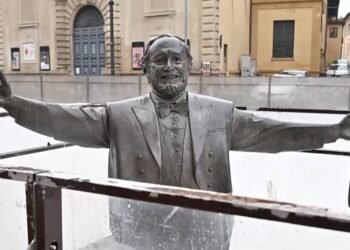 Pavarotti statue frozen in Italian ice rink sparks backlash
 More Patients Now Contacting GPs Online, Data Shows
 7 Travel Trends Set to Shape 2026 Adventures
 Post Office Scandal Compensation Tops £1 Billion as Victims Finally See Justice
 Army Barracks to House Migrants as Hotels Phase Out
 Peterborough Mosques Tighten Security After Attack
 Army Officers Orders to Cut Ties with Men-Only Clubs
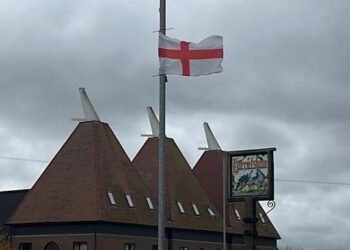 Kent village told to remove flags before Christmas lights go up
 Britain deploys RAF specialists to assist Belgium with drone threats
 Reeves rejects £1bn plea for NHS redundancy payouts
 TalkTV Fires Mike Graham Over Racist Facebook Post
 Senator John Fetterman Hospitalized After Fall from Heart Flare-Up, Keeps Sense of Humor
 Saka Solidifies Role as Tuchel’s Key England Lieutenant
 December Run-Off in Chile as Election Produces No Winner
 Zelenskyy Signs Fighter Jet Deal Amid Russian Drone Attacks
 Stroke Patient Mistaken for Drunk, Care Delayed
 What Now for the Queen’s Childhood Playhouse After Andrew’s Eviction?
 Israeli Strike Kills 13 Near Palestinian Camp in Lebanon
 ‘Traumatic Wait’: Northern Ireland Women Face Breast Cancer Delays
 Haiti Qualifies for World Cup Despite Coach Never Visiting Country
 Serial Rapist and Former Cop Found Guilty Again
 Pentagon Officials in Ukraine to Discuss War End
 Scottish Families Take Legal Action Over School CO Leak
 Venezuela Threatens Nobel Winner Machado with Fugitive Status
 Two National Guard Soldiers Critically Injured Near White House
 Fibromyalgia Patients Struggle as NHS Fails to Provide Care
 Jordan Bardella: France’s Young Presidential Contender
 Virgin Media Fined £23.8m Over Telecare Safety Failures