Published: 19 November 2025 Wednesday . The English Chronicle Desk. The English Chronicle Online
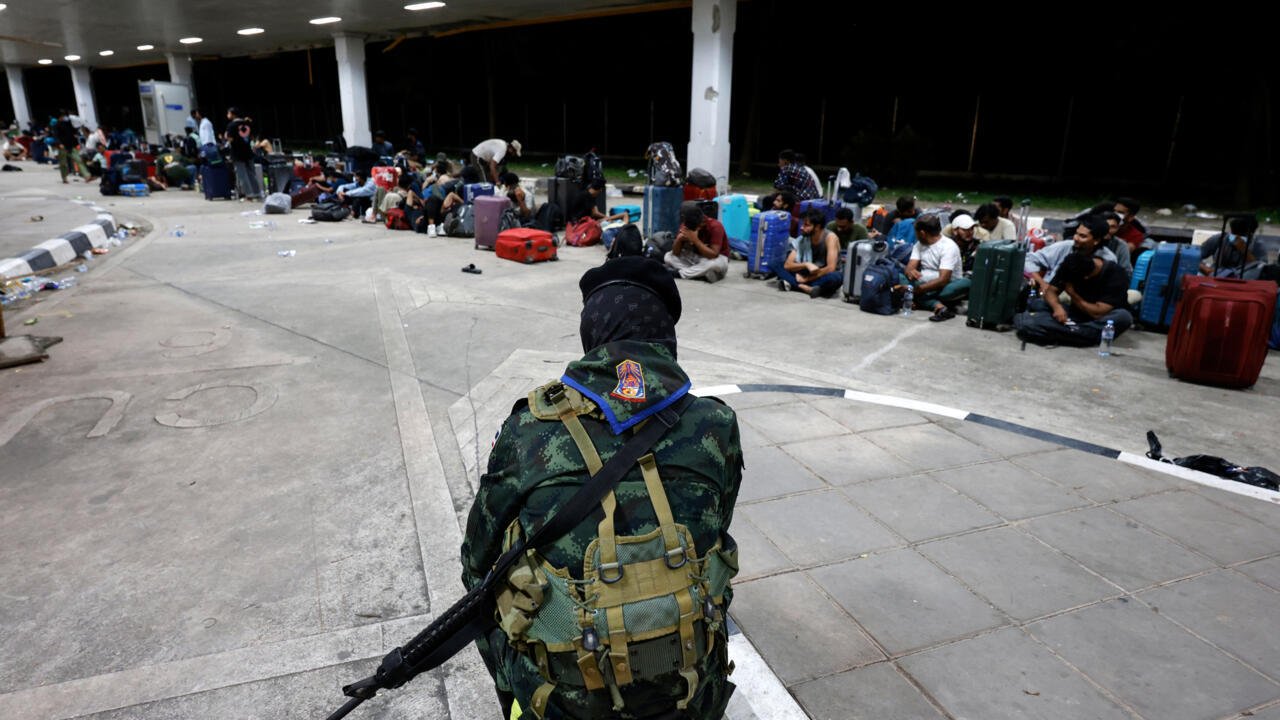
Myanmar’s military has carried out a large-scale raid on a notorious online scam hub located along the Thai border, arresting nearly 350 individuals in what authorities are calling a crackdown on illegal operations that have flourished in the region for years. The operation, announced on Wednesday by the Myanmar Armed Forces, targeted Shwe Kokko, a gambling and fraud compound that has been accused of exploiting both local and foreign nationals to run extensive online scams.
According to the state-run publication The Global New Light of Myanmar, the military began the raid early on Tuesday morning after regaining control of the area, which had been under the influence of armed opposition groups. The army accused these groups of allowing criminal networks to operate with impunity, facilitating large-scale online gambling and fraudulent schemes. “During the operation, 346 foreign nationals currently under scrutiny were arrested,” the report said, adding that nearly 10,000 mobile phones used in illegal online gambling and scam activities were confiscated.
The authorities identified the Yatai Company, owned by Chinese-Cambodian racketeer She Zhijiang, as the central operator behind Shwe Kokko. She Zhijiang, who was arrested in Thailand in 2022 and extradited to China last week, faces charges related to organizing online gambling and fraud operations. Both She and his Yatai company have previously been targeted by international sanctions imposed by the United States and the United Kingdom, highlighting the transnational nature of these illegal enterprises.
Shwe Kokko has long been a hub for online scams, particularly targeting victims in East Asia, Europe, and North America. Residents of the compound, often coerced or misled into working there, have been forced to participate in fraudulent schemes that range from investment scams and online gambling fraud to fake e-commerce websites. The compounds’ remote location along the border has allowed these operations to flourish, making it difficult for authorities to intervene until now.

The United Nations has previously reported that the border regions connecting Myanmar, Thailand, Laos, and Cambodia have become centers for human trafficking and online fraud, generating billions of dollars in illicit revenue. Hundreds of thousands of individuals have been affected, many of whom were reportedly lured under false pretenses and forced into labor within these compounds. The situation in Shwe Kokko reflects a broader regional issue, with local governments struggling to contain organized online crime amid political instability and limited oversight.
The raid by Myanmar’s military marks one of the most highly publicized efforts to dismantle these illegal networks. The operation was coordinated after the armed forces regained control of territory previously dominated by opposition factions, signaling a direct attempt to assert state authority and address the growing problem of online scams. Authorities emphasized that their action targeted criminal elements rather than the general population, though concerns remain about the safety and rights of those detained during the operation.
The Myanmar military’s statement stressed that the crackdown was necessary due to the economic and social damage caused by these operations. “These compounds have not only defrauded countless individuals internationally but have also become hubs for coercion and exploitation of vulnerable workers,” the statement said. Officials argued that armed opposition groups had enabled the proliferation of these operations in exchange for local protection or financial gain.
Shwe Kokko has previously made headlines for its role in facilitating online gambling, which has expanded dramatically in Myanmar and neighboring countries during the COVID-19 pandemic. Restrictions on physical casinos and entertainment venues during the pandemic reportedly pushed operators to migrate to online platforms, with Shwe Kokko becoming a central node in this network. The military’s intervention may now signal a shift toward stricter oversight and enforcement, though experts note that dismantling such networks entirely will be challenging.
The arrest of 346 individuals, most of whom were foreign nationals, highlights the international reach of these fraud operations. Authorities have indicated that they will conduct thorough investigations to determine each individual’s level of involvement in criminal activity. Meanwhile, the seizure of nearly 10,000 mobile devices is expected to provide critical evidence for prosecuting those responsible for the scams. Law enforcement officials have underscored that the operation is part of a long-term strategy to dismantle organized online crime and prevent similar hubs from emerging along Myanmar’s borders.
Experts on Southeast Asian organized crime have pointed out that Shwe Kokko is not an isolated case. Similar compounds have reportedly operated in remote border regions, exploiting local populations and foreigners alike. While many of these operations rely on coercion and threats, some attract voluntary participants through promises of high-paying employment. The dual nature of these hubs—as both criminal operations and economic centers—complicates law enforcement efforts and raises concerns about the welfare of individuals caught up in them.
China and Cambodia have also been closely monitoring the situation due to the involvement of She Zhijiang and his Yatai company. Both nations have previously cooperated with Myanmar on cross-border crime and human trafficking cases. The extradition of She to China last week represents an important step in holding the leadership of these operations accountable, though analysts warn that dismantling the wider network may take months or even years of coordinated effort across multiple jurisdictions.

The military’s raid has drawn attention to broader questions about governance, security, and economic development in Myanmar’s border regions. These areas have long suffered from weak state presence, armed conflict, and illicit economic activity. The rise of online scam compounds like Shwe Kokko underscores the need for regional cooperation, stricter oversight of digital financial systems, and stronger protections for vulnerable populations.
The Global New Light of Myanmar reported that the operation proceeded without significant resistance from residents, though the military has vowed to maintain a presence in the area to prevent the resurgence of criminal networks. Officials also emphasized that their priority is the safe handling of detainees, many of whom are likely to face prosecution for their roles in online fraud and illegal gambling.
Observers note that while this raid represents a significant tactical victory against organized crime, it also highlights structural challenges in the region. Political instability, weak governance, and economic deprivation have created conditions in which these scam hubs can thrive. International organizations and human rights groups have stressed the importance of ensuring that the crackdown does not disproportionately harm vulnerable populations who may have been coerced into participation.
The crackdown at Shwe Kokko also reflects a global trend in which online fraud and digital criminal enterprises are increasingly moving into physically remote and politically complex regions. As technology enables wider access to victims and financial systems, traditional law enforcement methods are often inadequate. Experts argue that multinational cooperation, improved cybersecurity measures, and international sanctions are critical to addressing the evolving landscape of digital crime.
Related News:
 Shook the ground under my feet: Panic as car blast hits near Delhi’s Red Fort
 Ex-PM Hasina Gets Death Penalty for Crimes Against Humanity
 Southern Lebanon reels as Israeli strikes shatter communities
 Video shows Israeli troops kill Palestinians after surrender
 Peterborough Mosques Tighten Security After Attack
 Badenoch Warns Farage’s Grooming Gangs Plan Could Backfire
 Five More Prisoners Freed by Mistake in Essex Week
 Nearly 48,000 Zombie Knives Removed from UK Streets in a Year
 Afghan man charged with murder after west London knife attack
 FBI Director Kash Patel Defends Girlfriend Amid Government Jet Claims
 Trump Speaks on Prince Andrew’s Royal Scandal Fallout
 Police Probe Four Knife Incidents Linked to Cambridgeshire Train Attack
 French Taxi Driver Cleared in David Lammy Theft Case After Fare Dispute
 UK Bans Fake Numbers: Scammers Lose Their Trick
 Just Stop Oil Protesters Convicted Amid Climate Defence Row
 Prison sentencing reforms expected to raise crime by up to 6%, police warn
 Met Police Culture Makes Racial Harm ‘Inevitable’
 British Grandmother to Return Home After Death Sentence in Bali
 Eleven Arrested After Pro-Palestine Protest at Villa Match
 Jailed UK climate protesters face extremist-style restrictions
 How to get help when a child goes missing – call 999 urgently
 ‘Reckless’ cuts to victims’ services will cost more than they save
 Suicide Bombing at Islamabad Court Kills 12, Injures Dozens
 China’s Youth Save, Not Spend, Amid Job and Housing Worries
 Madeleine McCann Suspect Forced into Woodland Hideout After Release
 New Epstein Files Spark Political Clash in Washington
 South Korea’s Jeju Island Faces Rising Tide of Illicit Drugs
 Thai King Embarks on Historic China Visit After 50 Years
 Delhi Car Blast Kills Eight, Declared Terror Incident
 ‘Fever Pitch’ Screaming: Red Flags Before Sara Sharif’s Death
 Oklahoma Governor Grants Last-Minute Clemency to Death Row Inmate
 Rio Raid’s Death Toll Raises Questions About Gang Impact
 Israel Confirms Returned Hostage as Meny Godard
 Japan Tourism Stocks Slide Amid China-Taiwan Row
 Delhi Car Bomb Arrest: Suspect Linked to Deadly Attack
 South Korea Gains US Support for Nuclear Submarine Programme
 Jurors Visit Beach Where Queensland Murder Victim Found
 New Evidence Emerges in Haditha Family Killings
 Criminal Gangs Pose as Truckers to Hijack UK Supply Chains
 UK Candidate Moved to Safe House After Election Threats
 Paralegal Fired After Exposé on Illegal Worker Scam
 Mother Watches in Horror as Teen Daughter Dies on Tracks
 Charlotte Raids: 130 Arrested in Major Immigration Sweep
 South African Detained After Neo-Nazi Rally in Australia
 Convicted Killer Challenges Vegemite Ban Behind Bars
 Why India is Unlikely to Return Sheikh Hasina to Face Execution
 The Lasting Legacy of Seven: Crime, Morality, and Urban Decay
 Israeli Strike Kills 13 Near Palestinian Camp in Lebanon
 Newport Man Left Injured After Electric Bike Collision
 Serial Rapist and Former Cop Found Guilty Again
 Man Charged Over Attempted Murder of Senior Officer
 Two Officers Injured After Van Deliberately Rams Patrol Car
 Podcaster Faces Abuse Charges Over Controlling Behaviour
 Ex-Olympian Snowboarder Now Drug Kingpin Charged with Murder
 WhatsApp Messages Expose Nathan Gill’s Bribery
 Venezuela Threatens Nobel Winner Machado with Fugitive Status
 Night Bus Crash in Cambodia Kills 16
 Police Name Woman Who Died in Swindon as Murder Probe Continues
 Swindon Counsellor Dies; Teen Arrested and Released
 Gardener Guilty of Brutal Attack on Teacher Partner
 Ex-Classmate Accuses Farage of Dishonesty on Racism Claims
 Trump Envoy to Discuss Ukraine Peace at Kremlin
 Twenty-Four Nigerian Schoolgirls Freed After Abduction
 Sudanese Family Vows to Stay After Racist Graffiti
 Two National Guard Soldiers Critically Injured Near White House
 Delhi’s Toxic Air Crisis Leaves Children Sick and Vulnerable
 Singapore Women Acquitted After Pro-Palestine March
 Thousands Homeless After Massive Fire in Dhaka Shantytown
 Sri Lanka Floods Leave 56 Dead, Dozens Missing
 India’s Labour Law Overhaul Sparks Fierce Debate
 Families wait in agony for missing after Hong Kong tower blaze
 Guinea-Bissau President Flees After Military Coup
 Rare shark attack kills woman, injures man at remote NSW beach
 UK MP Tulip Siddiq sentenced in Bangladesh land case
 Chinese & Japanese Boats Clash Near Disputed Islands
 Hong Kong Orders Probe Into Deadly 151-Death Fire
 Putin Meets US Envoy Amid Key Ukraine Peace Talks
 Maxwell withdraws from IPL 2026 after 13 seasons
 Man Swallows $19K Fabergé Egg Pendant in Theft
 Indonesia to Repatriate Two Dutch Drug Convicts