Published: 27 November 2025 Thursday. The English Chronicle Desk. The English Chronicle Online
Australia is preparing the biggest overhaul of its environmental laws in decades, introducing sweeping reforms aimed at better protecting nature while supporting major projects in housing, renewable energy, and critical minerals. The Labor government reached a last-minute agreement with the Greens party after talks with the opposition stalled, allowing the changes to move forward.
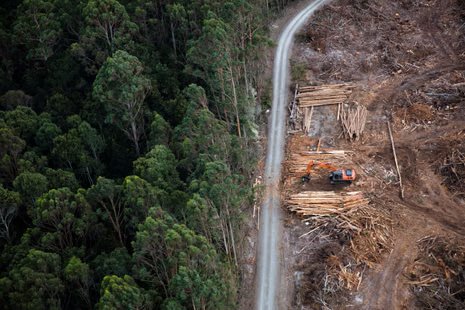
Key reforms include stricter rules on land clearing, additional protections for native forests, and limits on fast-tracking coal and gas projects. The legislation will also establish Australia’s first independent national environment regulator and a set of national environmental standards to protect endangered wildlife and manage water use for large projects.

Prime Minister Anthony Albanese described the changes as a win for both nature and business, emphasizing the need to modernize laws that were deemed outdated by a review conducted five years ago. “Everyone agrees that the laws as they stand are broken and need to be reformed,” Albanese said. “Getting these laws passed is vital to protect our environment and to boost productivity in our economy.”
Greens leader Senator Larissa Waters welcomed the agreement but criticized the government for not including a climate trigger that could halt fossil fuel projects based on carbon emissions. Instead, projects must report emissions and show plans to reach net zero by 2050. A water trigger will require federal approval for coal and gas projects’ water usage.

Climate experts have highlighted gaps in the reforms, warning that new coal and gas projects still largely escape scrutiny for climate pollution. Amanda McKenzie, head of the independent Climate Council, said, “That is a gaping hole in a law that should protect nature from the ravages of climate change.”
Climate Change Minister Chris Bowen warned that Australia may miss its 2035 emissions reduction targets without significant changes, noting the government’s goal to cut emissions by at least 62% compared to 2005 levels over the next decade, while current projections suggest a reduction of only 48–52%.
The legislation is expected to pass through the Senate on Thursday, marking a historic step in modernizing Australia’s environmental framework and setting up the country’s first national regulator to oversee environmental protections.
Related News:
 Turkey to Host COP31 After Breakthrough Deal with Australia
 Sri Lanka Floods Leave 56 Dead, Dozens Missing
 Europe Swelters Under Historic Heatwave as Wildfires Rage Across the Continent
 Search Underway for Missing After Pakistan Flash Floods Kill Over 330
 US Super-Rich Are Draining Planet’s Safe Climate Space
 UK Charters Emergency Flights to Evacuate Britons from Jamaica
 Delhi Tightens Curbs as Citizens Protest Over Toxic Air
 UK Faces Arctic Blast as Polar Vortex Disruption Brings Heavy Snow
 Thousands at Risk in Gaza Amid Winter Flooding
 West Councils Falling Behind on Climate Goals
 Africa Demands Climate Justice Linked to Colonial Past
 Vietnam Battles Deadly Floods as Rains Continue
 Trump EPA Moves to Roll Back Soot Pollution Limits
 Delhi’s Toxic Air Crisis Leaves Children Sick and Vulnerable
 Families wait in agony for missing after Hong Kong tower blaze
 Carney’s Alberta Pipeline Deal Sparks Immediate Pushback
 Rare shark attack kills woman, injures man at remote NSW beach
 Delhi’s Toxic Air Drives Spike in Respiratory Illnesses
 ‘Extinct’ Antelope Returns to Sahara, Bringing Hope
 Severe Thunderstorms Lash England and Scotland: Met Office Issues Amber and Yellow Warnings Amid Flooding Risks
 British Woman in Iran ‘Losing Hope’ Amid Ongoing Detention
 BBC Journalist Held and Interrogated in Vietnam
 Hurricane Melissa Leaves Devastation Across Jamaica as Death Toll Rises
 UK University Suspends Human Rights Research Following Pressure from China
 UK University Faces Counter-Terror Probe Over China Pressure
 Prince William Plants Trees with Brazil’s Nature Heroes
 Top Christmas Books Reads: Classics to Cozy Romcoms
 World Whisky Tour: 9 Global Gems
 Just Stop Oil Protesters Convicted Amid Climate Defence Row
 Tension and Turmoil at Aston Villa v Maccabi Match
 Jailed UK climate protesters face extremist-style restrictions
 BBC to Apologise Over Edited Trump Speech Amid Backlash
 Lando Norris Dominates Brazil GP to Strengthen F1 Title Bid
 Britain deploys RAF specialists to assist Belgium with drone threats
 Palace May Restore Hyphen to Andrew Mountbatten-Windsor’s Name
 US Senate Passes Funding Bill to End Historic Shutdown
 Suicide Bombing at Islamabad Court Kills 12, Injures Dozens
 Northern Lights may illuminate UK skies this week
 Ukraine-Russia war latest: Putin’s troops exploit bad weather to force Kyiv withdrawal from multiple towns
 Algeria Pardons French-Algerian Novelist Sansal After Year in Jail
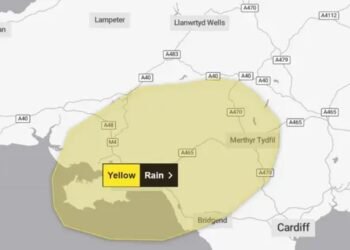 New weather warning issued with risk of flooding
 Hitler’s DNA Confirms He Truly Had Only One Testicle
 US Justice Department Files Lawsuit Against California Over Partisan Voting Maps
 Oklahoma Governor Grants Last-Minute Clemency to Death Row Inmate
 Israel Confirms Returned Hostage as Meny Godard
 Greene Pushes Epstein Files Amid Trump Fallout
 Trump Deploys DHS to Charlotte in Major Arrest Operation
 December Run-Off in Chile as Election Produces No Winner
 Zelenskyy Signs Fighter Jet Deal Amid Russian Drone Attacks
 Orban Says Ukraine Has ‘No Chance’ as EU Support Continues
 Irish Hero Parrott Says Goal Brought First Tears in Years
 Canada Passes Carney’s First Budget in Tight Parliamentary Vote
 Israeli Strike Kills 13 Near Palestinian Camp in Lebanon
 Zelensky Meets US Envoy in Turkey to Push Ukraine Peace Talks
 Shadow Fleet at Sea: Europe’s Battle Against Illicit Oil Shipping
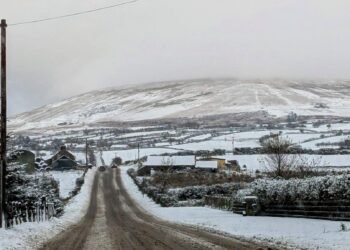 Commuters warned as yellow snow and ice alert hits Northern Ireland
 Tiny Curacao Makes History as Smallest Nation to Reach World Cup
 Haiti Qualifies for World Cup Despite Coach Never Visiting Country
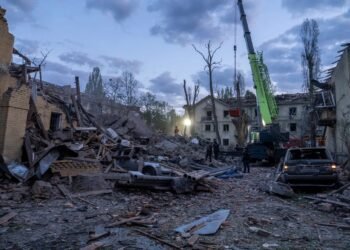 Deadly Russian Strikes Hit Western Ukraine, 20 Killed in Ternopil
 Snow and Ice Cause Travel Chaos in North Yorkshire
 Pentagon Officials in Ukraine to Discuss War End
 Ukraine Peace Plan: Zelensky Ready for Dialogue
 Venezuela Threatens Nobel Winner Machado with Fugitive Status
 At Least Three Dead in Bangladesh Earthquake
 Barcelona Returns to Camp Nou vs Athletic Bilbao
 Royal Navy Shadows Russian Warships Entering the Channel
 Clifftop Lodges Spark Fears Over Jurassic Coast Stability
 Labour’s ‘blinkered’ drive to build risks pushing wildlife to point of no return, nature experts warn
 Israel Confirms Hamas Returned Dror Or’s Body
 Trump Envoy to Discuss Ukraine Peace at Kremlin
 US Suspends Afghan Immigration After White House Shooting
 Two National Guard Soldiers Critically Injured Near White House
 Southern Lebanon reels as Israeli strikes shatter communities
 Mbappe Scores 4 as Real Madrid Edge Olympiakos
 Man City Lose, Champions League Risk
 India’s Labour Law Overhaul Sparks Fierce Debate
 Video shows Israeli troops kill Palestinians after surrender
 A Colourful Cultural Escape in Mexico’s Querétaro
 Chinese & Japanese Boats Clash Near Disputed Islands
 Indonesia to Repatriate Two Dutch Drug Convicts