Published: 10 December 2025. The English Chronicle Desk. The English Chronicle Online.
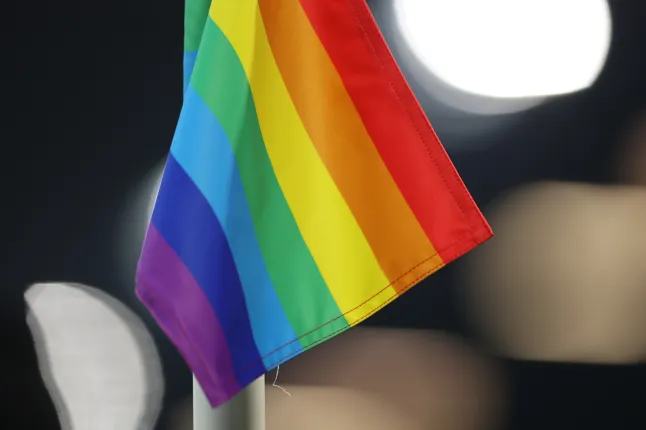
The growing tension surrounding next year’s World Cup intensified this week as Egypt and Iran formally requested Fifa to halt the LGBTQ+ Pride celebration planned for their group stage meeting in Seattle. Their joint objection has raised significant global debate about cultural identity, human rights, sporting neutrality and the increasingly complex intersection where international tournaments meet domestic values. With the Seattle fixture scheduled for 26 June, which coincides with the city’s Pride weekend, local organisers had designated the match as a symbolic event celebrating diversity, intending to showcase inclusive artwork, community messaging and on-site initiatives supporting LGBTQ+ visibility. Yet these plans have now become a serious diplomatic flashpoint, prompting renewed scrutiny of Fifa’s responsibilities and the broader expectations placed on host cities during global competitions.
Egypt’s Football Association confirmed on Tuesday that it had issued an official letter to Fifa’s leadership urging the governing body to step in and prevent any Pride-related activities linked to the match. In their message, the EFA made it clear that such celebrations would directly conflict with the cultural and religious values held by fans, players and officials representing the two countries. Both Egypt and Iran maintain strict laws targeting LGBTQ+ identities, and their stance reflects longstanding national positions rather than sporting-specific concerns. The EFA argued that public displays supporting LGBTQ+ rights during this match might provoke tensions in the stadium and potentially upset visiting supporters who consider such events unacceptable within the framework of their beliefs.

The federation’s letter emphasised its interpretation of Fifa’s regulations, highlighting Article 4 of the statutes, which calls for political and social neutrality within official competitions. Although this rule is frequently debated and often tested, the EFA insisted that host cities must respect the cultural norms of participating nations, particularly in knockout or group fixtures where diverse audiences converge. The letter also referenced Fifa’s disciplinary guidelines relating to actions considered disruptive or likely to create conflict among supporters, further presenting their concerns as a matter of stability and safety rather than ideological opposition alone.
The tension surrounding the match intensified when Iranian media outlets confirmed that Iran’s Football Federation had also filed a similar complaint. Mehdi Taj, president of the federation, criticised the Seattle organisers’ decision and described the Pride theme as irrational, suggesting that the branding supported one community to the exclusion of others. He indicated that both nations had expressed strong objections and stated that Iran would appeal through official channels to ensure the event is reconsidered. His remarks, broadcast by state media, reflected the Iranian government’s longstanding approach to LGBTQ+ rights, with same-sex relationships carrying severe legal penalties within the country.
The plans for the Pride celebration were developed before the tournament draw determined the Group G fixtures, meaning organisers did not initially anticipate such a culturally sensitive pairing. Seattle’s local committee reportedly designed the event as part of a citywide Pride celebration rather than a political gesture directed at any competing team. However, the fixture’s unexpected alignment with Pride weekend has placed the committee in the centre of an escalating international dispute. Despite this, sources close to the organisers insist that the celebrations remain independent of Fifa, operating under local authority jurisdiction rather than tournament management. Fifa, when approached for comment, did not immediately provide a response, leaving uncertainty about whether the governing body will choose to intervene.
The debate has sparked wider reflection on the evolving role of host cities during major global sporting competitions. Communities across North America preparing for the 2026 World Cup have emphasised inclusive values and cultural representation, which they see as essential components of their role as hosts. Many cities have integrated local celebrations, public art programmes and themed events alongside World Cup fixtures, supporting the view that football should reflect the broader diversity of its global audience. Yet the current dispute highlights how these aims can clash when teams from culturally conservative nations enter environments where LGBTQ+ visibility is widely accepted and openly celebrated.
The conflict also draws comparisons with the challenges seen at the 2022 World Cup in Qatar, when several European teams abandoned plans to wear the “OneLove” armband after Fifa warned players could face disciplinary sanctions. The issue dominated international headlines at the time, raising questions about Fifa’s approach to inclusivity and its ability to balance global expectations against local or religious considerations. With the 2026 tournament returning to countries where LGBTQ+ rights are legally protected and widely supported, many expected less friction surrounding inclusion campaigns. However, this latest dispute reveals that such tensions can surface regardless of host nation policies when competing teams hold differing cultural values.
As preparations for the World Cup accelerate, policymakers, activists and sports officials continue to debate whether global events should adapt to local diversity or prioritise universal messages promoting equality. Human rights organisations argue that Fifa holds a responsibility to uphold supportive environments for LGBTQ+ fans, especially within nations where individuals face persecution. They maintain that football should foster safe spaces, particularly in tournaments hosted by democratic countries committed to protecting LGBTQ+ persons. Supporters of Seattle’s Pride-themed match believe it reflects the welcoming spirit of the host city, while also offering a rare platform for global visibility.

Meanwhile, Egypt and Iran present their argument as one grounded in respect for cultural and religious identities. They contend that imposing LGBTQ+ celebrations on their supporters undermines their fundamental beliefs and risks inflaming tensions in what should remain a sporting environment. Their letters reflect fears that symbolic gestures, even those unrelated directly to Fifa, may be interpreted by their fans as an attempt to challenge their cultural norms. Analysts suggest that both federations are responding to domestic pressures, wary of how participation in a Pride-branded match might be viewed by conservative audiences at home.
As discussions continue behind closed doors, the question remains whether Fifa will intervene or defer responsibility to local organisers. The governing body has long struggled to maintain an even balance, promoting equality on one hand while seeking to avoid accusations of political involvement on the other. The situation in Seattle may become a defining moment as the 2026 tournament approaches, testing Fifa’s commitment to neutrality and inclusivity. With global attention already turning toward the host cities and competing teams, the resolution of this dispute may shape broader expectations for how social values are expressed around the world’s most watched sporting event.
Seattle officials have not indicated any plans to cancel their Pride activities, though they acknowledge the sensitivity of the situation. They emphasise that their celebrations are not designed to target or challenge any specific team and instead reflect the values of the city’s diverse communities. While discussions continue, supporters on both sides express hope that an agreement can be found which protects cultural identities while remaining respectful of the local ethos of inclusivity. Whether such a compromise is possible remains uncertain, especially given the profound differences in legal and cultural approaches to LGBTQ+ rights in Egypt, Iran and the United States.
As World Cup organisers anticipate record attendance and international engagement, debates such as this underline the unique challenges facing global sporting events in an era of heightened political, cultural and social awareness. How Fifa navigates this dispute may influence the tone of the tournament, shaping public perception and setting a precedent for future competitions involving nations with contrasting values. With less than a year until kickoff, the issue surrounding the Pride celebration continues to shape early narratives around a tournament expected to draw millions of fans worldwide.
Related News:
 England’s Euro Odyssey: A Tale of Grit, Glory and the Lionesses’ Miraculous March to the Final
 Raducanu’s Resurgence and Venus’s Record-Breaking Feat Highlight Washington Showdowns
 Glory for the Lionesses: England Crowned Women’s Euros Champions Again Amid National Calls for Bank Holiday
 Tottenham Takes On Newcastle
 Manchester City Announce Their Return in Style with Haaland Double and Debut Goals at Wolves
 New Season, Same Strife Between the Sticks for Manchester United
 FIFA Eyes Biennial Club World Cup from 2029, Plans Possible Expansion
 Kylian Mbappé Fires Real Madrid to Winning Start for Alonso Against Osasuna
 One More Step for Cristiano Ronaldo! Al-Nassr Beat Al-Ittihad
 Brazil Dominate Chile 3-0 to Secure Second Place in World Cup Qualifiers
 Germany and Northern Ireland Set for Crucial World Cup Qualifier Clash in Cologne
 Merino Hat-Trick Inspires Spain to 6-0 Rout of Turkey in World Cup Qualifier
 Carlos Alcaraz Celebrates Second US Open Triumph, Calls It the Best Tournament of His Career
 Serbia Humiliated 0-5 by England in World Cup Qualifier
 Haaland Hits Five as Norway Crush Moldova 11-1 in World Cup Qualifier
 Gabriel Martinelli’s Spark Ignites Arsenal’s Champions League Campaign with Victory at Athletic Bilbao
 Man City 2-0 Napoli: Haaland Reaches 50 Champions League Goals After Red Card Turns Tide
 Rashford’s Brilliance Stuns Newcastle as Barcelona Claim Champions League Victory
 Tributes Pour In as Former Liverpool Women Manager Matt Beard Dies Aged 47
 Dembélé and Bonmatí Shine as Ballon d’Or Winners in Glittering Paris Ceremony
 Hannah Hampton Makes History as First Winner of Women’s Yashin Trophy at Ballon d’Or Awards
 Liverpool Vs outhampton Set for Carabao Cup Clash at Anfield
 Dramatic Derby: Sorloth Strikes as Atletico and Real Madrid Share the Spoils
 ICC Women’s World Cup 2025: India to Host as Pakistan Fixtures Moved to Neutral Venues
 Bournemouth Stun Fulham with Dramatic Comeback in Premier League Thriller
Guardiola Enters Elite Club with Record-Breaking 250th Premier League Win
Bournemouth Stun Fulham with Dramatic Comeback in Premier League Thriller
Guardiola Enters Elite Club with Record-Breaking 250th Premier League Win
 Chaos at Ibrox as Martin’s Rangers Era Comes to an End
 Arsenal Showcase Depth and Flexibility as Arteta Eyes Title Challenge
 Ferguson Fires Scotland to Dramatic Comeback Win Over Greece
 England Thrash Wales as Rogers, Watkins and Saka Shine Bright
 Ruben Neves Strikes Late as Portugal Beat Ireland
 Tuchel Criticises ‘Silent Wembley’ After England Win
 Clarke’s Anger Overshadows Scotland’s Historic Win
 Kane’s Double Seals England’s World Cup Qualification
 Barnes Inspires Newcastle to Champions League Triumph Over Benfica
City shine with PlayStation-style football to overwhelm Villarreal
Barnes Inspires Newcastle to Champions League Triumph Over Benfica
City shine with PlayStation-style football to overwhelm Villarreal
 Fabio Wardley stuns Joseph Parker to earn Usyk title shot
 Tension and Turmoil at Aston Villa v Maccabi Match
 Lando Norris Dominates Brazil GP to Strengthen F1 Title Bid
 Ronaldo Confirms Final World Cup and Plans Retirement
 England Maintain Perfect World Cup Qualifying Record with Win Over Serbia
 Osimhen doubles as Nigeria reach CAF World Cup final
 Tears of Joy as Ireland Stun Hungary to Stay in World Cup Race
 Australia Fast Bowler Aims to Silence Joe Root in Perth
 Haaland Heroics and Portuguese Rampage Seal World Cup Qualification
 Irish Hero Parrott Says Goal Brought First Tears in Years
 Scotland Fans Reflect on France ’98 as World Cup Looms
 Nigeria Misses World Cup Again After Play-Off Loss
 Mark Wood Bowls Rapid Nets Spell, Ashes Test Hopes Rise
 Cardiff Nights Could Propel Wales to World Cup Glory
 Spain Qualify for 2026 World Cup After Dramatic Draw
 Scotland End 28-Year Wait With Stunning World Cup Qualification
 Cristiano Ronaldo Joins Trump, Bin Salman at State Dinner
 Tiny Curacao Makes History as Smallest Nation to Reach World Cup
 Haiti Qualifies for World Cup Despite Coach Never Visiting Country
 Scotland Fans Celebrate Historic World Cup Qualification
 Barcelona Returns to Camp Nou vs Athletic Bilbao
 India, Pakistan to Clash in T20 World Cup 2026 Group Match
 Mbappe Scores 4 as Real Madrid Edge Olympiakos
 Man City Lose, Champions League Risk
 Trump to attend 2026 FIFA World Cup draw in Washington
 2026 World Cup Draw Explained Ahead of Ceremony
 UK Must Act with Courage and Clarity on Israel-Palestine Conflict, Says Foreign Affairs Committee Report
 London Set to Honour Euro 2025 Champions as Lionesses Take Victory Parade Through the Capital
 Radioactive Leak at UK’s Nuclear Warhead Base Sparks Outcry Over Safety and Secrecy
 Rugby Confronts Safety Concerns with Smart Mouthguards at Women’s World Cup
 Premier League Supercomputer Predicts Tough Season for Man Utd Amid Three-Team Title Battle
 Yvette Cooper Signals Global Momentum Towards Gaza Peace Deal Amid Humanitarian Crisis
 Russia’s Latest Push to Win US Favors Shows Deep Desperation
 BBC to Apologise Over Edited Trump Speech Amid Backlash
 Saka Solidifies Role as Tuchel’s Key England Lieutenant
 Greene Pushes Epstein Files Amid Trump Fallout
 December Run-Off in Chile as Election Produces No Winner
 Zelenskyy Signs Fighter Jet Deal Amid Russian Drone Attacks
 Shadow Fleet at Sea: Europe’s Battle Against Illicit Oil Shipping
 India’s COP30 Delay Raises Global Climate Concerns
 US Suspends Afghan Immigration After White House Shooting
 Georgians Defy Government Crackdown After Year of Protests
 ‘Extinct’ Antelope Returns to Sahara, Bringing Hope
 ‘The frontline is everywhere’: new MI6 head warns on Russian threat