Published: 02 January 2026. The English Chronicle Desk. The English Chronicle Online.
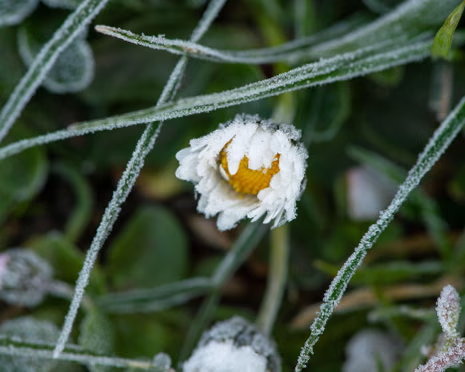
The winter bloom of hundreds of plants across the UK has scientists concerned about climate breakdown. Researchers warn that this winter bloom is a clear and visible signal of rising temperatures altering natural cycles. Daisies, dandelions, and other native species are appearing much earlier than historically recorded, suggesting the environment is responding directly to warming trends. The Botanical Society of Britain and Ireland (BSBI) reported that citizen scientists counted over 300 native species in flower during the 2025 new year plant hunt, far exceeding typical expectations.
Data from the Met Office, analysing nine years of annual plant hunts, shows that for every 1C increase in November and December temperatures, an additional 2.5 plant species appear in bloom during the new year. This year’s hunt, starting Thursday and running through Sunday, confirmed the pattern, with both native and non-native species unexpectedly flowering. Among the non-native species observed were Mexican fleabane and red and white dead-nettles.

Kevin Walker, a BSBI scientist, described the surge in flowering plants as a “visible signal” of climate change that can be observed in everyday gardens. He explained that this pattern demonstrates the tangible impact of rising temperatures on plant life. “These findings make it clear that climate change is no longer an abstract phenomenon but something people can see affecting nature directly,” he added.
Early 2026 results indicate that common wildflowers such as daisies and dandelions remain in bloom, reinforcing the long-term trend of winter blooming linked to climate disruption. Debbie Hemming, a vegetation expert at the Met Office, said that these shifts provide tangible evidence that climate breakdown is reshaping natural cycles. She emphasised that plant responses to warming temperatures serve as indicators of broader environmental stress across habitats.
The Met Office noted that 2025 is likely to have been the UK’s hottest year on record, with fossil fuel emissions having warmed the planet by an average of 1.4C above preindustrial levels. Such increases have amplified weather extremes, disrupted ecosystems, and triggered unprecedented changes in flora behaviour. Winter blooming in the UK exemplifies how delicate ecological balances are being affected by human-driven climate change.
Botanists warn that earlier and prolonged flowering periods can disrupt pollinator interactions, seed dispersal patterns, and seasonal timing of other wildlife. As winter bloom events become more frequent, the ecological consequences may ripple through food webs and habitats. Scientists urge continued monitoring and public participation in citizen science projects to better track these environmental signals.

The BSBI and Met Office continue to emphasise that winter blooming should not be viewed as a trivial curiosity. Instead, it is a highly visible signal of climate instability that everyone can witness in gardens, parks, and countryside landscapes. The phenomenon reflects the broader urgency of climate action to safeguard biodiversity, prevent ecosystem collapse, and mitigate the effects of extreme temperature fluctuations on native flora.
Public awareness of winter blooming provides a unique opportunity to connect people directly with climate science. Observing native and non-native species flowering out of season illustrates the immediacy of climate change impacts. Walker highlighted that engaging with these natural signals empowers communities to support environmental policy and contribute to meaningful conservation efforts.
Overall, the rise in winter blooming across the UK signals a significant environmental shift. Citizen scientists and researchers alike are documenting these changes, confirming that climate breakdown is visibly altering plant behaviour. The trend underscores the need for urgent attention to climate mitigation strategies, as the effects of warming temperatures continue to manifest in everyday landscapes.
Related News:
 Norfolk Coastal Graves at Risk as Erosion Deepens Family Anguish
 Peterborough Mosques Tighten Security After Attack
 Reeves Faces Setback as Labour May Miss Homes Target
 Hospice Cuts Raise Alarm Across England Amid Funding Crisis
 UK Woman Loses Child Benefit After Booking Flight She Never Took
 Kate Winslet to Narrate Film Highlighting King’s Environmental Mission
 Green Party Surges Past Labour in Latest UK Poll
 Celebrities and Charities Demand UK Government Act on Child Poverty
 Trump’s UK Ambassador Urges North Sea Drilling to Strengthen US Ties
 Children to Learn Local History in Major Curriculum Overhaul
 FBI Director Kash Patel Defends Girlfriend Amid Government Jet Claims
 Granit Xhaka Rescue Earns Everton Draw at Sunderland
 French Taxi Driver Cleared in David Lammy Theft Case After Fare Dispute
 The Lowry Hotel: Manchester’s Iconic Five-Star Retreat
 UK Bans Fake Numbers: Scammers Lose Their Trick
 Prince William Plants Trees with Brazil’s Nature Heroes
 Top Christmas Books Reads: Classics to Cozy Romcoms
 M&S Profits More Than Halve After Cyber-Attack
 Just Stop Oil Protesters Convicted Amid Climate Defence Row
 Greta Thunberg Backs Student Facing UK Visa Revocation
 Kent village told to remove flags before Christmas lights go up
 Tony Blair think tank warns Rachel Reeves must cut taxes if manifesto broken
 Pauline Collins, Beloved ‘Shirley Valentine’ Star, Dies at 85
 Patients to Test Health at Home to Ease NHS Winter Pressure
 Bellingham has ‘the edge’ among England No 10s
 King Charles to Lead Nation in Remembrance Sunday Service
 Man City Masterclass on Guardiola’s Milestone Day Exposes Liverpool Woes
 How to get help when a child goes missing – call 999 urgently
 Palace May Restore Hyphen to Andrew Mountbatten-Windsor’s Name
 Millionaires group urge Reeves to introduce wealth tax to ‘lift kids out of poverty’
 Starmer Faces Growing Dissent as Labour MPs Weigh Leadership Challenge
 VAR Must Rein Its Neck In to Save Football’s Spirit
 Shouting Works Best to Deter Gulls, UK Study Finds
 Mary Earps’s Manchester United Return Faces Mixed Reception
 Reeves rejects £1bn plea for NHS redundancy payouts
 Binman killed in lorry crash in Leominster
 Northern Lights may illuminate UK skies this week
 PM Condemns Leaks, Vows Loyalty to Ministers and Stability
 Son Reveals UK Couple in Iran Resort to Hunger Strike for Help
 Major Rent Reform Ends No-Fault Evictions in England
 Peers Flood Assisted Dying Bill with 942 Amendments
 Former Lion Heskey Warns of Shortage of England Strikers
 Global markets drop amid tech sell-off and China slowdown
 Criminal Gangs Pose as Truckers to Hijack UK Supply Chains
 Mum Calls for New Licence Rules After Teen Road Death
 Stroke Patient Mistaken for Drunk, Care Delayed
 Mother Watches in Horror as Teen Daughter Dies on Tracks
 Van Dwellers Face Eviction After Park Misuse Sparks Outcry
 ‘Traumatic Wait’: Northern Ireland Women Face Breast Cancer Delays
 Commuters warned as yellow snow and ice alert hits Northern Ireland
 Serial Rapist and Former Cop Found Guilty Again
 Mossmorran Plant Closure Hits Cowdenbeath Hard
 Royal Navy Shadows Russian Warships Entering the Channel
 Coffins Now Too Large to Cremate Amid Rising Obesity Crisis
 Inside the Helpline Protecting Missing Children in the UK
 Most Tories Expect to Support a Farage-Led Government
 HS2 woes leave Warwickshire village struggling with pollution
 Boots Showstopper Beauty Bundle Outshines Many Advent Calendars This Holiday Season
 Bill Murray Terrified Wes Anderson but Became His Closest Collaborator
 Labour’s ‘blinkered’ drive to build risks pushing wildlife to point of no return, nature experts warn
 Labour MP claims devolution bill is ‘blatant discrimination’ against Cornwall
 PlayStation PS5 Deals Hit Lowest Prices Ahead of Black Friday
 Karen Carney Stuns on Blackpool Week, Deserves Strictly Final
 Prisoner 951 Review: arrowing Retelling of Nazanin Zagharz-Ratcliffe
 Millions Face Higher Taxes Under Reeves New Budget
 Five-Year-Old Dies After Rare Tonsil Surgery Complication
 Fibromyalgia Patients Struggle as NHS Fails to Provide Care
 Search underway for British man overboard off Tenerife
 Starmer Says Labour’s Economic Plan Needs Years to Deliver
 Virgin Media Fined £23.8m Over Telecare Safety Failures
 More Patients Now Contacting GPs Online, Data Shows
 Rising Water Bills Lift Troubled Thames Back to Profit
 ‘Extinct’ Antelope Returns to Sahara, Bringing Hope
 UK unemployment rises to four-year high of 5.1% before budget
 Culture secretary to review Telegraph takeover by Daily Mail owner
 Wiltshire Police Use Lasso to Catch Rampaging Village Goat
 Prince George Helps Father at London Homelessness Charity
 Stokes urges empathy for England players amid Ashes struggles
 Children to Receive Home Vaccines as England Acts
 Eden Project Founder Celebrates 25 Years of Nature’s Hope