Published: 14 January 2026 | The English Chronicle Desk | The English Chronicle Online
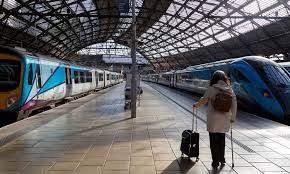
The UK government has unveiled ambitious plans for a major rail investment programme across the north of England, more than a decade after the first proposals for such a project emerged. The multibillion-pound scheme, known as Northern Powerhouse Rail (NPR), is designed to deliver faster journeys, more frequent services, and upgraded stations, aiming to transform travel in the region and boost the UK economy.
An initial £1.1 billion has been allocated for design and preparatory work, with construction expected to begin after 2030. The project will be rolled out in phases, beginning with upgrades to lines connecting Leeds, York, Bradford, and Sheffield. The second phase will involve building a new line between Liverpool and Manchester, followed by improvements to connections between Manchester and other cities in Yorkshire. The government estimates that the NPR programme could contribute up to £40 billion to the British economy by unlocking regional growth and improving mobility.
Prime Minister Sir Keir Starmer emphasised the long-awaited nature of the investment, stating that the era of “paying lip service to the potential of the North” must end. “This government is rolling up its sleeves to deliver real, lasting change,” he said, highlighting the potential for new jobs, homes, and business opportunities across the northern regions.

The Northern Powerhouse initiative, first proposed by former Conservative Chancellor George Osborne in 2014, and later incorporated into Boris Johnson’s “levelling up” agenda, has seen successive governments pledge improvements to the north’s infrastructure. However, previous commitments were scaled back, leaving the region with significant unmet transport needs. NPR is now set to form the cornerstone of a wider Northern Growth Strategy, which the government intends to publish in spring 2026.
Key elements of the first phase include station improvements in Leeds, Sheffield, and York, as well as the development of a new station in Bradford. Advocates argue that the Bradford station will dramatically improve access to employment opportunities for young people in the city, while a new station at Rotherham Gateway is also planned. Additionally, the Department for Transport confirmed that it will pursue the business case to re-open the Leamside line in the North East, enhancing regional connectivity further.
While the government has set a central funding cap of £45 billion for the scheme, it expects local authorities to contribute additional resources. Beyond the £1.1 billion allocated for planning and design, no further specific funding commitments have been made beyond 2029, allowing the government to manage public finances carefully while developing detailed plans over a three-year period. Transport Secretary Heidi Alexander emphasised the long-term benefits of the investment: “This new era of investment will not just speed up journeys, it will mean new jobs and homes for people, making a real difference to millions of lives.”

The government has stressed that lessons learned from the over-budget and delayed HS2 project will inform NPR, aiming to avoid cost overruns and planning setbacks. HS2, originally conceived as a Y-shaped network from London to Birmingham, Manchester, and Leeds, has been scaled back, with the line now terminating at Birmingham at an estimated cost of at least £80 billion.
However, the plans have drawn criticism from opposition parties, with the Conservatives claiming the Labour government has “watered down” NPR and “put back any plans to actually deliver it.” Shadow rail minister Jerome Mayhew warned that without clarity on scope and costs, the project risks becoming “a permanent mirage that is endlessly redesigned, downgraded and never delivered.”
Industry voices, by contrast, have welcomed the announcement. Jerome Frost, chief executive of engineering and construction firm Arup, said the new investment would “help unlock the region’s vast economic potential,” while Henri Murison, chief executive of the Northern Powerhouse Partnership, highlighted the transformative effect of NPR on labour markets. “Northern Powerhouse Rail will enable a single labour market more like that of London and the South East, so a young person in Bradford could aspire to work in Sheffield or Manchester, or a business there attract talent from further afield than they can today,” he said.
The NPR initiative represents a long-term commitment to levelling up northern England, with improvements expected to encourage investment, facilitate commuting, and enhance quality of life across the region. While detailed funding and timelines remain under development, the government’s announcement signals a renewed focus on infrastructure as a driver of regional economic growth, promising the north a more connected and prosperous future.
Related News:
 Tories Push to Dilute Labour’s Workers’ Rights Bill
 Wales May Introduce Four-Day Work Week After Elections
 Trump’s UK Ambassador Urges North Sea Drilling to Strengthen US Ties
 Rachel Reeves Set to Break Labour Pledge and Raise Income Tax
 Thinktanks Urge Rachel Reeves to Reform UK Tax System
 Company linked to Michelle Mone owes £39m in tax
MPs Press Rachel Reeves to Hike Gambling Taxes
Company linked to Michelle Mone owes £39m in tax
MPs Press Rachel Reeves to Hike Gambling Taxes
 Cuts to home insulation funding threaten UK climate goals
 Millionaires group urge Reeves to introduce wealth tax to ‘lift kids out of poverty’
 Canada Passes Carney’s First Budget in Tight Parliamentary Vote
 PM Highlights UK Business at G20 in South Africa
 English Mayors Set to Introduce Tourist Taxes
 Putin Intensifies Territorial Demands Before US Talks
 US National Guard Member Killed in DC Shooting
 India’s Labour Law Overhaul Sparks Fierce Debate
 Trump to Recheck Green Cards from 19 Nations After DC Attack
 Carney’s Alberta Pipeline Deal Sparks Immediate Pushback
 Trump to pause migration from ‘third-world countries’
 Starmer Says Labour’s Economic Plan Needs Years to Deliver
 Republicans Hold Tennessee Seat Despite Democratic Surge
 Franklin Turtle, Sabrina Carpenter Slam US Social Media Use
BBC bosses ‘right to stick by their guns’ against Trump, says minister
Franklin Turtle, Sabrina Carpenter Slam US Social Media Use
BBC bosses ‘right to stick by their guns’ against Trump, says minister
 Closer EU Trade Ties ‘Strategic Necessity’ for UK Firms
 Russia losses Ukraine war peace talks intensify amid rising deaths
 Trump Escalates Minnesota Immigration Surge Amid Rising Tensions
 Austrian Airlines Halts Tehran Flights Amid Political Unrest
 Homeland security agents deployed amid Minneapolis protests
 Democrats Push Affordability to Challenge Trump Ahead of Votes
 German Supermarket Aldi to Open 180 US Stores This Year
 Top Senate Republican Says Federal Probe of Powell Could Challenge Fed Nominees
 Trump Administration Probe of Fed’s Powell Draws Pushback
 Starmer links foreign trips to tackling cost of living crisis
 Greenland Faces Pivotal Summit Over Arctic Power Struggle
 Mark Carney Walks Diplomatic Tightrope on China Visit
 Trump Threatens Strong Action If Iran Executes Protesters
 Chancellor Rachel Reeves Pushes for Sweeping Changes to Environmental Protections to Accelerate Development
 Kemi Badenoch Unveils ‘Golden Rule’ to Halve Spending Cuts for Deficit Reduction at Tory Conference
 Reeves Faces Setback as Labour May Miss Homes Target
 Virgin Trains Moves Closer to Challenging Eurostar Monopoly
 Green Party Surges Past Labour in Latest UK Poll
 Army Officers Orders to Cut Ties with Men-Only Clubs
 Ryanair Chief UK Economy ‘Doomed’ Under Labour
 French Taxi Driver Cleared in David Lammy Theft Case After Fare Dispute
 M&S Profits More Than Halve After Cyber-Attack
 Labour immigration crackdown could cost UK £4.4bn
 Earl of Yarmouth Faces £1.3m Legal Bill Over Family Estate
BBC to Apologise Over Edited Trump Speech Amid Backlash
Earl of Yarmouth Faces £1.3m Legal Bill Over Family Estate
BBC to Apologise Over Edited Trump Speech Amid Backlash
 Britain deploys RAF specialists to assist Belgium with drone threats
 Starmer Faces Growing Dissent as Labour MPs Weigh Leadership Challenge
 From Lego to Pokémon: How Adults Are Driving UK Toy Market Growth
 Reeves rejects £1bn plea for NHS redundancy payouts
 New laws to bolster UK’s defences against cyber attacks on NHS, transport and energy
 PM Condemns Leaks, Vows Loyalty to Ministers and Stability
 Major Rent Reform Ends No-Fault Evictions in England
 Peers Flood Assisted Dying Bill with 942 Amendments
 Senator John Fetterman Hospitalized After Fall from Heart Flare-Up, Keeps Sense of Humor
 Greene Pushes Epstein Files Amid Trump Fallout
 Trump Deploys DHS to Charlotte in Major Arrest Operation
 December Run-Off in Chile as Election Produces No Winner
 Shadow Fleet at Sea: Europe’s Battle Against Illicit Oil Shipping
 Pentagon Officials in Ukraine to Discuss War End
 Venezuela Threatens Nobel Winner Machado with Fugitive Status
 Most Tories Expect to Support a Farage-Led Government
 Two National Guard Soldiers Critically Injured Near White House
 Georgians Defy Government Crackdown After Year of Protests
 ICC to Rule on Duterte’s Provisional Release
 Jordan Bardella: France’s Young Presidential Contender
 Virgin Media Fined £23.8m Over Telecare Safety Failures
 EU plans $105bn Ukraine aid using frozen Russian assets
 Culture secretary to review Telegraph takeover by Daily Mail owner
 American Mother Extradited From UK to U.S. on Murder Charges
 Khaleda Zia Death in Bangladesh: First Female PM Dies at 80
 FTSE 100 Hits 10,000: UK Market Celebrates Record Year
 US Cities Erupt in Protests Against Trump’s Venezuela Military Action
 Albanese Opens Door to Bondi Royal Commission Amid Rising Pressure
 Wessex Water chiefs receive £50,000 extra despite government bonus ban
 Iran Protesters Defy Crackdown as Violent Clashes Intensify
 Minnesota Sues Trump Administration Over ICE Surge
 Trump targets Iran trade with 25% tariff warning
 US Clears Nvidia AI Chip Sales to China in Policy Shift