Published: 30 January 2026. The English Chronicle Desk. The English Chronicle Online.
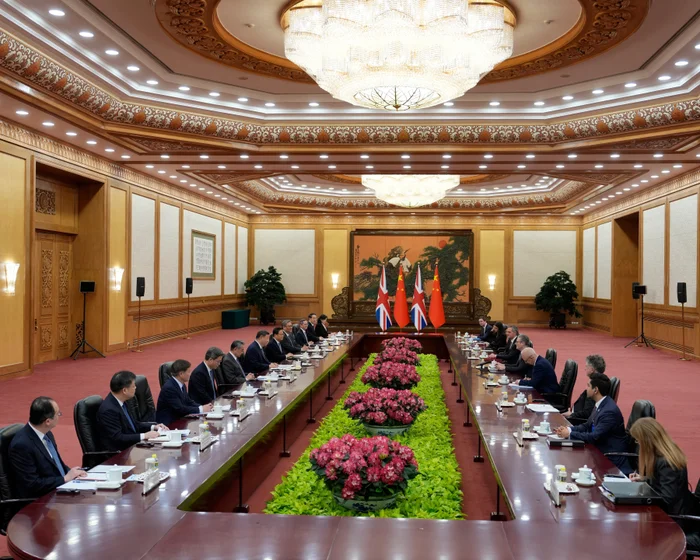
Keir Starmer has opened the door to a potential UK visit by Chinese president Xi Jinping, marking a significant moment in the evolving UK China reset. The prime minister’s remarks followed high-level bilateral talks in Beijing, the first such visit by a British leader in eight years. Within the first days of his three-day trip, Starmer framed engagement as pragmatic, cautious, and rooted in British national interests. The UK China reset, he argued, should benefit households, businesses, and long-term stability, while remaining realistic about risks.
Speaking after meetings with Xi in the Great Hall of the People, Starmer said the relationship now stood on firmer ground. He described years of diplomatic distance as an “ice age” that had limited dialogue during a turbulent global period. His comments were interpreted as a shift from previous Conservative approaches, which emphasised confrontation and security concerns. The suggestion that Xi could one day visit the UK quickly drew attention, both domestically and internationally, as a symbol of the broader UK China reset.

Downing Street later clarified that no invitation had been issued, but officials stressed the importance of continued engagement. The prime minister’s spokesperson said rebuilding communication channels was beneficial for British people and British business. The Beijing visit, the spokesperson added, was not a single summit but part of an ongoing process. This language underlined the government’s intention to normalise dialogue while avoiding dramatic gestures.
Starmer had already signalled caution before departing London. He said the government would remain “clear-eyed and realistic” about national security threats. British intelligence agencies have previously raised concerns over alleged Chinese espionage activities in the UK. Beijing’s sanctions against British MPs, imposed in 2021 over criticism of human rights abuses, remain another unresolved issue. These realities sit uneasily alongside the language of reset.
Political reaction in Britain was swift and divided. Several Conservative MPs, including those sanctioned by China, criticised any suggestion of welcoming Xi while restrictions remained. Tim Loughton, a former minister affected by the sanctions, said a presidential visit would cross a clear political line. He argued that Xi should be barred from the parliamentary estate as long as sanctions apply. Another sanctioned MP, Neil O’Brien, questioned the logic of deeper engagement when Chinese diplomats remain banned from parliament following a spying controversy.
The Speaker of the House of Commons, Lindsay Hoyle, echoed these concerns. He stated that Xi would not be allowed to address parliament while sanctions against MPs persisted. Hoyle framed the issue as one of institutional protection, saying it would be wrong to permit a sanctioned leader into MPs’ workplace. These statements highlighted the domestic constraints shaping the UK China reset.
International reaction added further complexity. Former US president Donald Trump, responding to questions about Britain strengthening ties with China, warned that such moves were “very dangerous.” His comments followed similar warnings to Canada after its prime minister sought trade and tourism deals with Beijing. These remarks reflected ongoing tensions between Western allies and China, particularly regarding trade, security, and global influence.
Despite criticism, Starmer defended engagement as necessary in an interconnected world. Before his meeting with Xi, he told reporters that Britain must face outward again. Global events, he said, affect everything from supermarket prices to national security. This argument positioned the UK China reset as a practical response to economic pressures and geopolitical uncertainty, rather than an ideological shift.
Xi Jinping, for his part, welcomed a closer relationship. He said improved ties were imperative for global peace after years of “twists and turns.” The Chinese leader emphasised consistency and mutual respect, arguing that both countries would benefit from rising above differences. His remarks suggested Beijing views the reset as an opportunity to stabilise relations with a major European economy.
During the talks, Starmer raised sensitive issues. He said he had “respectfully” discussed human rights, including the detention of Hong Kong activist Jimmy Lai and the treatment of Uyghur Muslims in Xinjiang. While no breakthroughs were announced, UK officials described the discussions as frank. This balance between economic cooperation and values-based concerns remains central to the UK China reset narrative.
Concrete outcomes from the visit focused on travel and trade. China agreed to introduce a visa waiver for British tourists and business travellers, allowing stays of up to 30 days. This move aligns the UK with around 50 other countries benefiting from similar arrangements. Officials said the change would support tourism, educational exchanges, and commercial activity.
Economic agreements formed another pillar of the visit. The UK and China signed frameworks aimed at easing market access for British firms. Pharmaceutical giant AstraZeneca announced plans to invest £10.8 billion in its Chinese operations, a figure highlighted by both governments. Supporters of engagement argue such investments demonstrate tangible benefits of the UK China reset for jobs and growth.
Trade concessions also featured prominently. Beijing agreed to halve tariffs on Scotch whisky imports from 10 percent to 5 percent. Industry estimates suggest this could generate £250 million in additional value over five years. For Scotland, where whisky exports play a vital economic role, the move was welcomed as a practical gain from diplomatic engagement.
Security and global conflicts were also discussed. The leaders spoke about the war in Ukraine, although Downing Street declined to confirm whether Starmer urged China to restrain Russia. The omission reflected the sensitivity of the issue, given China’s strategic partnership with Moscow. It also illustrated the limits of British influence within the broader geopolitical landscape.

The prospect of a future Xi visit remains uncertain. The last and only state visit by the Chinese president occurred in 2015, during what was then described as a “golden era” under David Cameron. That period saw symbolic gestures and ambitious economic rhetoric, later criticised for underestimating security risks. Starmer’s approach appears more cautious, seeking stability without reviving the language of uncritical partnership.
As the UK China reset unfolds, the government faces a delicate balancing act. It must navigate domestic opposition, allied pressure, and unresolved disputes, while pursuing economic opportunities. Supporters argue that dialogue reduces risk and increases leverage. Critics warn that engagement without concessions on sanctions and security could undermine democratic values.
For now, Starmer’s Beijing visit has reset the tone, if not all the substance, of the relationship. Whether this leads to a presidential visit, or simply more regular diplomatic contact, will depend on progress in addressing contentious issues. What is clear is that Britain has signalled a willingness to re-engage, cautiously but deliberately, in shaping its future relationship with China.
Related News:
 British Woman in Iran ‘Losing Hope’ Amid Ongoing Detention
 Green Party Surges Past Labour in Latest UK Poll
 Celebrities and Charities Demand UK Government Act on Child Poverty
 Army Officers Orders to Cut Ties with Men-Only Clubs
 Trump’s UK Ambassador Urges North Sea Drilling to Strengthen US Ties
 FBI Director Kash Patel Defends Girlfriend Amid Government Jet Claims
 French Taxi Driver Cleared in David Lammy Theft Case After Fare Dispute
 Labour immigration crackdown could cost UK £4.4bn
BBC to Apologise Over Edited Trump Speech Amid Backlash
Labour immigration crackdown could cost UK £4.4bn
BBC to Apologise Over Edited Trump Speech Amid Backlash
 Britain deploys RAF specialists to assist Belgium with drone threats
 ‘Reckless’ cuts to victims’ services will cost more than they save
 Millionaires group urge Reeves to introduce wealth tax to ‘lift kids out of poverty’
 Starmer Faces Growing Dissent as Labour MPs Weigh Leadership Challenge
 Reeves rejects £1bn plea for NHS redundancy payouts
 Politics latest: Starmer ‘will fight any leadership coup’ as Streeting denies attempt to oust Labour PM
 PM Condemns Leaks, Vows Loyalty to Ministers and Stability
 Major Rent Reform Ends No-Fault Evictions in England
 Peers Flood Assisted Dying Bill with 942 Amendments
 England’s Special Needs Support Faces Breaking Point
 Senator John Fetterman Hospitalized After Fall from Heart Flare-Up, Keeps Sense of Humor
 US Justice Department Files Lawsuit Against California Over Partisan Voting Maps
 MoD warned over Excel risks before Afghan data breach
 Greene Pushes Epstein Files Amid Trump Fallout
 Trump Deploys DHS to Charlotte in Major Arrest Operation
 December Run-Off in Chile as Election Produces No Winner
 Canada Passes Carney’s First Budget in Tight Parliamentary Vote
 Shadow Fleet at Sea: Europe’s Battle Against Illicit Oil Shipping
 Labour Faces Historic Decline in Wales
 Pentagon Officials in Ukraine to Discuss War End
 PM Highlights UK Business at G20 in South Africa
 Venezuela Threatens Nobel Winner Machado with Fugitive Status
 Most Tories Expect to Support a Farage-Led Government
 Labour MP claims devolution bill is ‘blatant discrimination’ against Cornwall
 Millions Face Higher Taxes Under Reeves New Budget
 Peers Get Extra Time to Debate Assisted Dying Bill
 Georgians Defy Government Crackdown After Year of Protests
 US National Guard Member Killed in DC Shooting
 India’s Labour Law Overhaul Sparks Fierce Debate
 ICC to Rule on Duterte’s Provisional Release
 Jordan Bardella: France’s Young Presidential Contender
 Starmer Says Labour’s Economic Plan Needs Years to Deliver
 EU plans $105bn Ukraine aid using frozen Russian assets
 Global campaign launched to free Palestinian leader Barghouti
 Culture secretary to review Telegraph takeover by Daily Mail owner
 Khaleda Zia Death in Bangladesh: First Female PM Dies at 80
 Russia losses Ukraine war peace talks intensify amid rising deaths
 Zelenskyy Accuses Russia of Sabotaging Peace Talks
 Albanese Opens Door to Bondi Royal Commission Amid Rising Pressure
 Trump Escalates Minnesota Immigration Surge Amid Rising Tensions
 Iran Protesters Defy Crackdown as Violent Clashes Intensify
 Homeland security agents deployed amid Minneapolis protests
 Plans to Limit Jury Trials Face Retreat After Mounting Opposition
 Hanson and Joyce Use Rinehart Jet to Tour Flooded Queensland
 Trump Threatens Strong Action If Iran Executes Protesters
 US Senate rejects resolution limiting Trump military powers
 Quebec Premier François Legault Resigns in Surprise Move
 Machado Trump medal gesture reshapes Venezuela power struggle
 Trump Receives Machado’s Nobel Medal in White House Meeting
 Right Must Unite After Jenrick Defection, Urges Rees-Mogg
 EU weighs response amid Greenland tariff crisis with Trump
 US Considers Asylum for British Jews Amid Rising Antisemitism
 ICE street raids expose a chilling future for public freedoms
 UK Ministers Drop Foreign Student Targets for Global Education Push
 MPs warn AI financial risks threaten UK stability
 MPs warn AI financial risks threaten UK stability
 Trump slams UK ‘stupidity’ over Chagos Islands, eyes Greenland takeover
 No Gas Boiler Ban as UK Warm Homes Plan Backs Heat Pumps
 Hugh Grant Joins Call for Under-16 Social Media Ban in UK
 Shinzo Abe’s killer receives life sentence in Japan
 Lords Vote Piles Pressure on Starmer Over Social Media Ban
 Sussan Ley leadership milestone shakes Liberal future
 EU Says US Ties Have Suffered ‘Big Blow’ After Greenland Crisis
 Andrew Hastie Emerges as Leadership Rival to Ley
 Satire Can Skewer Trump, But It Won’t Save Democracy
 Reform UK Health Plan ‘Would Cost £1.7bn’, Streeting Says
 Police response times face strict new national limits
 Labour policing overhaul sparks fears over growing central control
 Tories criticised after Braverman defection sparks mental health row
 Starmer warns of toxic division politics in Reform challenge
 Starmer China visit raises human rights pressure on Beijing