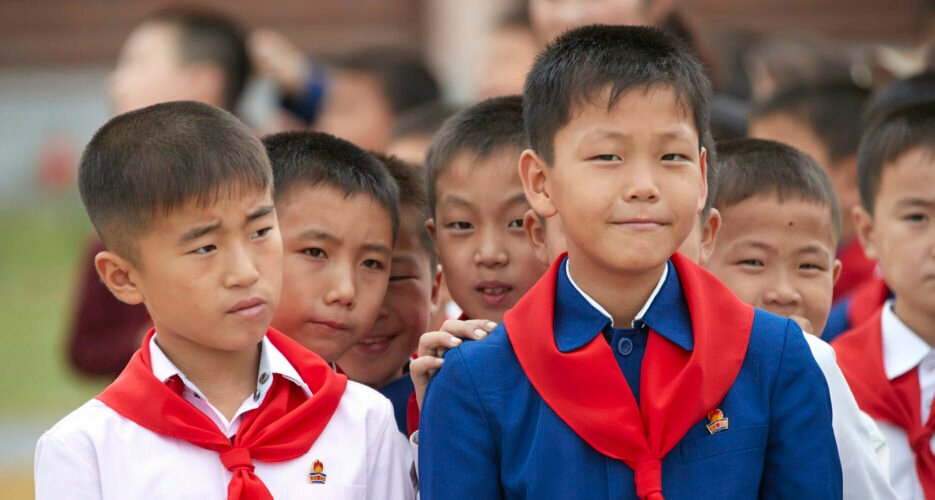
Alarming new testimony collected by Amnesty International alleges that schoolchildren are being executed in North Korea for enjoying K‑Pop and Squid Game, as part of the regime’s harsh crackdown on foreign media and culture. The human rights group’s report, based on interviews with defectors who fled the reclusive state, paints a chilling picture of punishment, repression and extreme measures designed to suppress access to outside entertainment.

According to the testimonies, even listening to popular South Korean music or watching internationally acclaimed dramas such as Netflix’s Squid Game has exposed young people to severe and sometimes fatal consequences under North Korea’s strict censorship regime. Those caught consuming such content have faced brutal penalties — including public execution, forced labour and other forms of punishment — enforced in the name of ideological control and “revolutionary education.”
What Defectors Are Reporting
Amnesty International’s findings are based on detailed interviews with North Koreans who escaped the country between 2009 and 2020. Many described how authorities enforce rigid bans on foreign media, especially from capitalist societies such as South Korea, and brutally punish individuals for disobeying these rules. In some cases, escapees said they were forced to watch public executions of fellow citizens as a warning against consuming banned entertainment.
One defector told investigators that while attending school in their mid‑teens, they were taken to witness executions carried out in public for alleged “crimes” related to foreign media consumption. Another defector said that wealth and connections play a stark role in outcomes: affluent families may sometimes bribe officials to avoid the harshest sentences, while poorer citizens face the full force of the state’s punitive laws.
North Korea’s 2020 Anti‑Reactionary Thought and Culture Act criminalises watching, possessing or sharing South Korean films, dramas or music, labelling this content “rotten ideology that paralyses the people’s revolutionary sense.” Under the law, those caught with foreign media face sentences ranging from years in forced labour camps up to the death penalty for larger‑scale distribution or organised viewings.
Historical Context and Patterns
Reports of extreme punishments for consuming foreign media in North Korea are not entirely new. Human rights organisations and independent monitoring groups have previously documented cases where citizens were given long prison terms or forced labour for watching South Korean films or dramas secretly smuggled into the country via USB drives or other means.
In a 2021 case reported by Radio Free Asia, a North Korean man who smuggled copies of Squid Game into the country was sentenced to death by firing squad, while students who watched the show were reportedly given harsh punishments, including life imprisonment and years of hard labour.
Brutal System of Punishment and Control
Testimonies also highlight a system where public executions and other brutal punishments are used not merely as penalties but as tools of intimidation. In many cases, neighbours, classmates or even young children were forced to observe these executions as part of “ideological education” intended to deter others from defying the state’s censorship.
Amnesty International has described these practices as violations of basic human rights and has urged the international community to pressure Pyongyang to end such punitive actions and reform its severe media restrictions. Advocates say criminalising access to outside entertainment — whether music, television or films — represents a broader strategy of isolation that keeps North Koreans cut off from global culture and alternative viewpoints.
Challenges of Verifying Reports
It’s important to note that reliable information from inside North Korea is exceptionally difficult to obtain due to the state’s strict controls over information and communication. Most available insights come from testimonies of defectors and human rights groups, which can be challenging to independently verify. However, multiple reports over recent years from NGOs and international observers consistently describe severe censorship and punitive measures against those who consume foreign media.

International Reaction and Human Rights Concerns
The alleged executions and punishments have drawn condemnation from human rights organisations and pro‑democracy advocates around the world. They argue that such actions represent the extreme consequences of an authoritarian regime determined to suppress freedom of thought and expression. Many international observers call for increased monitoring and humanitarian action to protect North Koreans from such draconian laws.
While Pyongyang routinely denies allegations of human rights abuses, international scrutiny — including from the United Nations and non‑governmental organisations — continually highlights the need for reforms and greater transparency in the country’s legal and penal systems.
Publication Details
Published: 7 February 2026
The English Chronicle Desk
World News
Related News:
 UK Banks Granted Reprieve as BoE Delays Basel III Capital Rules Until 2028
 Singapore Corruption Scandal: Details Emerge on Iswaran’s Luxury Flight and Ties to Tycoon Ong Beng Seng
 Corfu Beyond the Crowds: Discovering Serenity in Southern Villages and Hidden Taverns
 Peter Andre Praises Son Junior’s ‘Quiet Season’ Amid Ongoing Family Dispute
 Massive 641-Mile Storm Set to Batter UK with 15 Hours of Rain and Strong Winds
 Jeremy Clarkson’s Pub: A Sunday Lunch Like No Other
 Scottish Government Mandates Single-Sex Toilets and Changing Facilities in Schools
 Reeves Faces Setback as Labour May Miss Homes Target
 Kate Winslet to Narrate Film Highlighting King’s Environmental Mission
 Army Officers Orders to Cut Ties with Men-Only Clubs
 Trump’s UK Ambassador Urges North Sea Drilling to Strengthen US Ties
 Ryanair Chief UK Economy ‘Doomed’ Under Labour
 UK Bans Fake Numbers: Scammers Lose Their Trick
 M&S Profits More Than Halve After Cyber-Attack
 Vibe coding’ named Collins dictionary’s word of the year
 Patients to Test Health at Home to Ease NHS Winter Pressure
BBC to Apologise Over Edited Trump Speech Amid Backlash
Patients to Test Health at Home to Ease NHS Winter Pressure
BBC to Apologise Over Edited Trump Speech Amid Backlash
 Britain deploys RAF specialists to assist Belgium with drone threats
 Millionaires group urge Reeves to introduce wealth tax to ‘lift kids out of poverty’
 From Lego to Pokémon: How Adults Are Driving UK Toy Market Growth
 Reeves rejects £1bn plea for NHS redundancy payouts
 Northern Lights may illuminate UK skies this week
 PM Condemns Leaks, Vows Loyalty to Ministers and Stability
 Phillipson Accused of Appeasing Unions by Diluting EBacc
 Major Rent Reform Ends No-Fault Evictions in England
 Saka Solidifies Role as Tuchel’s Key England Lieutenant
 Greene Pushes Epstein Files Amid Trump Fallout
 December Run-Off in Chile as Election Produces No Winner
 Zelenskyy Signs Fighter Jet Deal Amid Russian Drone Attacks
 Stroke Patient Mistaken for Drunk, Care Delayed
 Sundar Pichai Cautions on AI Hype and Market Risks
 What Now for the Queen’s Childhood Playhouse After Andrew’s Eviction?
 Shadow Fleet at Sea: Europe’s Battle Against Illicit Oil Shipping
 Tiny Curacao Makes History as Smallest Nation to Reach World Cup
 Snow and Ice Cause Travel Chaos in North Yorkshire
 Man Denies Stealing Bronze Age Gold from Museum
 Director Michael Caton-Jones Reflects on Career and Beginnings
 Inside the Helpline Protecting Missing Children in the UK
 Boots Showstopper Beauty Bundle Outshines Many Advent Calendars This Holiday Season
 PlayStation PS5 Deals Hit Lowest Prices Ahead of Black Friday
 Runaway Driver Caught by DNA Evidence
 US Suspends Afghan Immigration After White House Shooting
 Georgians Defy Government Crackdown After Year of Protests
 Five-Year-Old Dies After Rare Tonsil Surgery Complication
 ICC to Rule on Duterte’s Provisional Release
 Starmer Says Labour’s Economic Plan Needs Years to Deliver
 Rusty Bond-Era Aston Martin Restored to £1m Glory
 ‘Extinct’ Antelope Returns to Sahara, Bringing Hope
 IndiGo Cancels Hundreds of Flights Amid Pilot Shortages
 UK unemployment rises to four-year high of 5.1% before budget
 Young Britons Face Heaviest Burden from Ageing Population, Lords Warn
 Wiltshire Police Use Lasso to Catch Rampaging Village Goat
 Australia Face Big Changes as Cummins and Lyon Ruled Out of Ashes
 U‑Turn on Farmers’ Inheritance Tax Sparks Political Firestorm
 Tories and Labour face scrutiny over Abd el-Fattah support
 Khaleda Zia Death in Bangladesh: First Female PM Dies at 80
 Facebook Slow to Remove Bondi Attack Praise, Anti-Hate Group Claims
 Children to Receive Home Vaccines as England Acts
 Childhood Hypertension Sparks Urgent UK Testing Calls
 GMB Union Faces Turmoil Amid Female Leaders’ Claims
 Raducanu Battles Injury as Britain Exit United Cup
 MoJ Prison Leasing Scandal Triggers £100m Public Cost
 Saudi Officials Report Zubaidi Flee Before Yemen Peace Talks
 Cambridge College Faces Backlash Over Private School Recruitment
 Manchester United Fan Group Targets Jim Ratcliffe Over Club Chaos
 Celebrity Campaign Highlights SMA Screening Failures
 Bereaved Fathers Gain New Paternity Leave Rights in UK
 Minnesota Sues Trump Administration Over ICE Surge
 US Clears Nvidia AI Chip Sales to China in Policy Shift
 US Senate rejects resolution limiting Trump military powers
 Woman Jailed for Life After Killing E-Bike Rider in Tragic Mistaken Identity Case
 Sydney Shark Attack Surge Shocks Australia Beaches
 No Gas Boiler Ban as UK Warm Homes Plan Backs Heat Pumps
 Sussan Ley leadership milestone shakes Liberal future
 Police response times face strict new national limits
 Devon hosts first high-density hydro power system
 US Dollar Hits Four-Year Low Amid Market Turmoil
 AI breast screening cuts later cancer diagnoses by 12%, study finds
 Police Doubt Fugitive Dezi Freeman Survived Bushland
 Most Statin Side-Effects Are Not Caused by Drugs, Study Confirms