
Published: 25 June 2026. The English Chronicle Desk. The English Chronicle Online.
Senior government officials are drawing up plans to lobby Andy Burnham over defence. They want the incoming prime minister to revive the concept of wartime government bonds. This strategy aims to fund significant increases in national military spending across the country. The move comes during access talks with the newly elected Member for Makerfield. Whitehall figures want to bypass traditional Treasury restrictions on borrowing for state military purposes. They hope to persuade Burnham to expand funding far beyond current government allocations.
A total of thirteen billion pounds is earmarked for the long-awaited plan. This initiative is formally known as the comprehensive Defence Investment Plan for the military. Defence aides have already travelled to Greater Manchester during the recent byelection campaign. They briefed Burnham’s team on the depleted nature of current British military capabilities. Military leaders believe the nation faces severe challenges that require urgent financial attention. They argue that existing funding structures are completely inadequate for modern global threats.
Burnham is widely expected to enter Downing Street with the plan already approved. However, senior military figures will still apply heavy pressure for long-term budget increases. Outgoing Prime Minister Keir Starmer confirmed he would announce the plan very shortly. The publication will happen before the upcoming Nato summit in the Turkish capital. This international meeting is scheduled to take place on July seventh and eighth. Starmer will leave office the following week after a turbulent period in government. No Ten officials argue that the investment represents an existing state financial commitment.
Despite this justification, Starmer has faced sharp criticism from several parliamentary Labour colleagues. They believe such a monumental policy decision should be left to his successor. Burnham has reportedly told allies he wishes to grant the ministry more resources. He believes the current offer falls short of what the nation truly needs. Allies of the incoming leader suggest he might accept the current situation quietly. This outcome depends entirely on whether extra funds are discovered by current ministers. If military leaders accept the final settlement, Burnham may choose to move forward.
However, his team explicitly reserves the right to reopen the entire investment strategy. This action will happen if major structural errors remain unaddressed by current officials. They are particularly concerned about mismanaged procurement programmes for heavy armored vehicles. Concerns within the traditional defence establishment also remain unallayed by recent government promises. Burnham has held private discussions with the former defence secretary at his request. John Healey pushed the current administration to the brink by resigning his post. He argued strongly that the current funding package fell short of requirements.
The head of the armed forces has also entered the public debate. Air Chief Marshal Sir Richard Knighton spoke openly about the growing international threats. He stated that Britain must fund forces capable of confronting the Russian military. Knighton delivered this stark warning at a conference organized by defense research groups. He argued that preventing conflict through deterrence is far cheaper than total warfare. The military chief provided historic context to illustrate the scale of necessary investment. British defence spending rose from under three percent to nine percent by thirty-nine.
The wartime budget eventually consumed over half of total national gross domestic product. This historical precedent stands in stark contrast to the current target for next year. Officials aim for just under three percent of national economic output for defence. Few experts believe an all-out global conflict is likely in the near future. Nevertheless, Number Ten sources plan to encourage Burnham to reconsider the bond scheme. The Treasury has historically blocked defence bonds due to wider macroeconomic borrowing concerns. Former officials had previously attempted to introduce similar measures before leaving their government roles.
The Guardian understands that former political aides pushed for bonds before their departure. However, senior Treasury officials ultimately rejected the proposals due to strict fiscal rules. Under the rejected framework, the government would have issued twenty billion pounds in bonds. These specific financial instruments would have carried complete exemptions from national inheritance tax. The capital raised would be strictly ring-fenced for national military expenditure projects alone. The Treasury has traditionally resisted any policy that restricts general taxation revenue collection. Proponents argue the tax benefits would allow the state to pay lower interest.
This mechanism would effectively reduce the overall cost of government borrowing for the public. Advocates also believe it would encourage individual domestic citizens to buy state debt. Small scale retail investment has declined significantly across the United Kingdom in recent years. Large international hedge funds have consequently become the dominant source of sovereign credit lines. Some government figures believe this reliance increases overall borrowing costs for British taxpayers. Foreign hedge funds are considered more likely to sell gilts during market fluctuations. Domestic investors tend to hold their positions more steadily during times of crisis.
Other Labour politicians are pushing for alternative international financing methods for the military. They want the United Kingdom to back the new Defence Security bank. This initiative is currently being led by the federal government of Canada. Participating nations will be asked to join the scheme at the summit. The project was previously supported by Healey during his time in the cabinet. However, the Treasury opposed the plan due to standard concerns over global liabilities. Members of the defence select committee have written articles supporting the banking model. They believe a specialist bank would help turn political promises into industrial output.
Supporters argue the bank would create factories, jobs, and secure supply chains nationwide. The financial structure requires a British subscription of nine hundred million pounds sterling. In return, the nation would gain access to massive international lending capabilities. Chancellor Rachel Reeves confirmed she is holding active discussions with her Canadian counterparts. She is also developing a multilateral mechanism for financing outside traditional balance sheets. This parallel project involves close cooperation with both Finland and the Netherlands government. Ministers are working hard to finalize these complex arrangements before the transition occurs.
Starmer told his cabinet colleagues he wants to resolve difficult issues very quickly. He aims to ensure a smooth transition for Burnham over the coming weeks. The publication of the investment plan has suffered delays due to internal disputes. No Ten, the Treasury, and the ministry have argued over long-term funding. The new Defence Secretary, Dan Jarvis, has indicated he wants additional financial resources. He described recent discussions with senior colleagues as exceptionally good and highly constructive. Other government departments must now find budget cuts to fund the military expansion.
Related News:
 Green Party Surges Past Labour in Latest UK Poll
 Trump’s UK Ambassador Urges North Sea Drilling to Strengthen US Ties
 French Taxi Driver Cleared in David Lammy Theft Case After Fare Dispute
 Millionaires group urge Reeves to introduce wealth tax to ‘lift kids out of poverty’
 Starmer Faces Growing Dissent as Labour MPs Weigh Leadership Challenge
 Reeves rejects £1bn plea for NHS redundancy payouts
 PM Condemns Leaks, Vows Loyalty to Ministers and Stability
 Major Rent Reform Ends No-Fault Evictions in England
 Peers Flood Assisted Dying Bill with 942 Amendments
 Most Tories Expect to Support a Farage-Led Government
 Labour MP claims devolution bill is ‘blatant discrimination’ against Cornwall
 Millions Face Higher Taxes Under Reeves New Budget
 Starmer Says Labour’s Economic Plan Needs Years to Deliver
 Culture secretary to review Telegraph takeover by Daily Mail owner
 UK Government Borrowing Drops to £11.6bn in December
 Labour Blocks Burnham as Party Rift Deepens Ahead of Polls
 Andy Burnham and the Labour Rift Over Power and Leadership
 Huge mistake: Labour blocks Burnham from byelection bid
 Artificial intelligence will cost jobs, admits Liz Kendall
 Labour targets Greens on drugs in Gorton Denton byelection
 Greens nominate Hannah Spencer for Gorton and Denton byelection
 Mandelson Faces Police Inquiry Over Epstein Leak
 Starmer Condemns ‘Depraved’ Russian Strikes on Ukraine
 Labour Thinktank Row Deepens Over Journalist Probe Claims
 Morgan McSweeney downfall shocks Labour leadership
 Cabinet Secretary Shake-Up Triggers Due Diligence Warning
 Starmer Faces Inquiry Calls Over Thinktank Probe
 Royal Mail Delivery Crisis Deepens Amid Weather Chaos
 UK shelves £110m border project amid trade strain
 Farage Unveils Reform UK Frontbench Team
 California Democrats Vow Trump Reckoning
 Trump Tariffs Threat Spark UK and EU Alarm
 Wales Approves Assisted Dying Bill Consent
 UK EU Trade Reset Gains Public Backing
 Green Party Stuns Labour in Gorton and Denton Byelection
 Corbyn Leads Your Party in Coordinated Left-Flank Strategy
 Labour Together scandal sparks clean break vow
 Asylum Seekers to Work After Year-Long Wait
 Starmer Row as Greens Demand Apology
 Proposed Law Leaves Gap for Children of Convicted Paedophiles
 Gordon Brown urges court for crimes against children
 Starmer Praised for Stance on Trump and Iran Conflict
 Inquiry into HMRC child benefit errors launched by NAO
 NHS Plans to Cut Overseas Workers Labeled Overambitious
 Farage Faces Backlash Over Crypto Cameo Endorsements
 Army Probes Apache Flyover at Kid Rock’s Nashville Estate
 Relationship with Trump may be beyond repair, Starmer warned
 Unions Raise Concerns Over Doctors’ Pay Dispute
 UK Government Poised to Revive Stalled Hillsborough Law
 UK Stands Firm on Falklands Amid US Rift
 Welsh Labour Faces Potential Historic Election Defeat
 Starmer Survives Mandelson Rebellion
 Silent Tracks: Rail Line Without Passengers
 Major test for Labour as polls open in Great Britain
 Labour Members Doubt Starmer Future as Burnham Leads Poll
 Reform UK Faces Crisis as Newly Elected Councillors Resign
 Farage Faces New Questions Over Private Helicopter Use
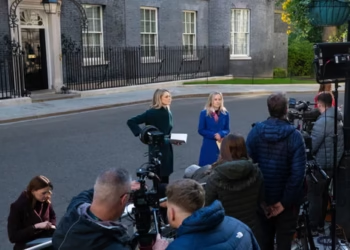 Keir Starmer Struggles to Secure His Grip on Downing Street
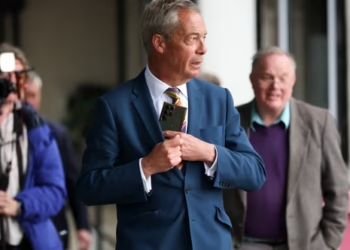 Farage Faces Standards Probe Over Cash Property Purchase
 Green Party Makerfield Candidate Resigns Over Posts
 Secret Role of UK Security Services in Troubles Amnesty Law
 Farage and Reform UK Reshape British Politics
 Starmer Leadership Under Pressure After Setbacks
 Minister Criticises Police Guidance Amid Southampton Protests
 Makerfield Voters Demand Real Change as Election Looms
 The Hidden Crisis Eroding Trust in British Communities
 Deepfake Abuse on X Sparks Safety Concerns for Dissidents
 UK Ministers Lobby Trump Over Under-16s Social Media Ban
 Labour MP Revives Blocked Assisted Dying Bill in Commons
 Starmer Resolves to Fight Burnham in Leadership Battle
 Starmer Set to Announce Exit Plan as Burnham Eyes No 10
 MP Warning: Northern Rail Risks Repeating HS2 Failures
 Hollie Ridley to Step Down as Labour General Secretary
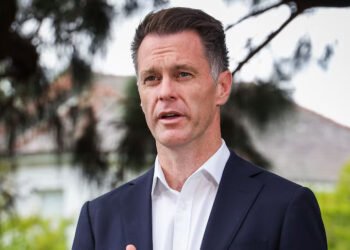 New South Wales Premier Chris Minns Signals Tough Road Ahead for Labor
 Jarvis Urges Burnham to Secure 3.5% Defence Spending
 Farage Warns Sky News Following Financial Inquiry
 Reform UK Finances Face Deep NCA Probe
 Ann Widdecombe, Formidable Political Figure, Dies at 78
 Treasury Reform Urged After Tragic Loss
 Sadiq Khan Backs Call for Maximum UK Work Heat Limit