Published: 24 February 2026.
The English Chronicle Desk.
The English Chronicle Online
In one of the largest and most consequential document releases in recent years, the United States government has made public millions of pages of material tied to its investigation into Jeffrey Epstein, the late financier who was convicted of sex offences and who died in custody in 2019. This tranche of records, widely referred to in media reporting as the “Epstein files,” includes names, email exchanges, text messages, financial records, photographs and other materials that connect a broad cross‑section of public figures to Epstein in varying capacities. It is critical to note at the outset that appearing in these documents does not in itself allege or confirm criminal conduct on the part of those named. Investigators and news organisations emphasise that inclusion reflects proximity or correspondence of some kind, not guilt.

The newly accessible material extends and deepens our understanding of the network around Epstein. It comprises emails, messages, financial ledgers and internal law enforcement notes that were previously sealed in court proceedings or withheld by the Department of Justice. Over the past weeks, journalists and analysts have combed through the files to identify individuals and interactions that have drawn public attention, scrutiny and, in some cases, official response.
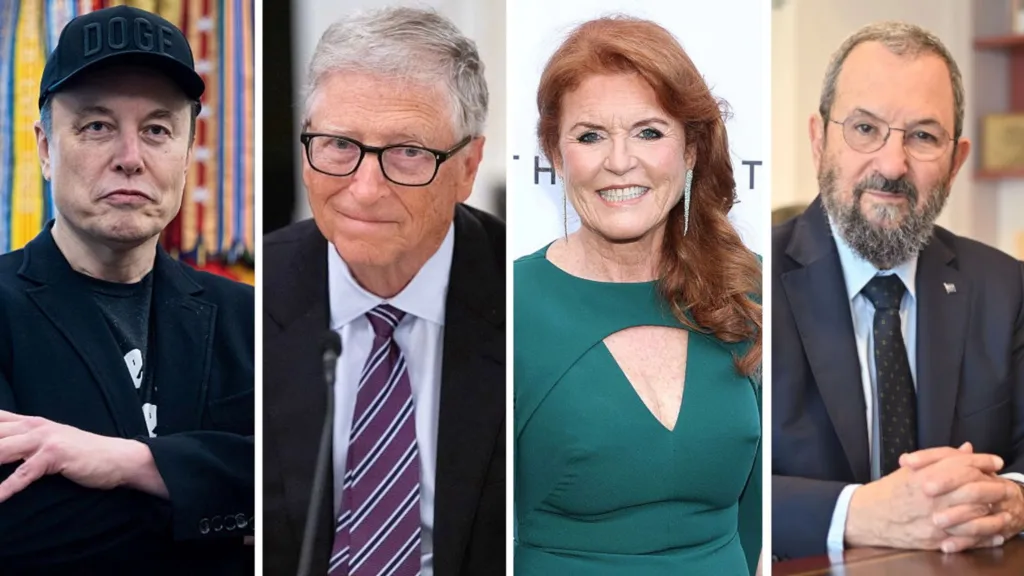
Among the most discussed entries are communications involving Elon Musk, the technology entrepreneur. The release includes several email exchanges between Epstein and Musk concerning travel arrangements and social events. In one 2012 exchange, Musk asked Epstein about “the wildest party on your island,” a reference to Epstein’s private Caribbean estate. Musk has publicly stated that he never visited Epstein’s private island and acknowledged that the emails “may be used to smear my name” even as he condemned Epstein’s criminal conduct and called for justice for those harmed.
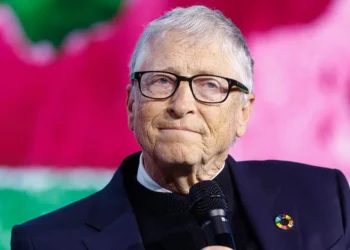
Bill Gates, the co‑founder of Microsoft and a prominent philanthropist, is also mentioned in documents that include two emails which appear to be drafted by Epstein and reference a resignation from the Bill & Melinda Gates Foundation. The authenticity of these specific messages remains uncertain, and Gates’s spokesperson has dismissed them as false. Melinda French Gates, in discussing the emotional impact of the release, spoke to public media about the broader context of her own family’s history and the suffering of victims linked to Epstein’s enterprise.
Former US President Donald Trump appears multiple times in the files, primarily within FBI internal records that catalogue unverified tips and allegations received by the agency’s Threat Operations Center. These include numerous claims of sexual misconduct, some directed at Trump, some at Epstein, and others at various public figures. Trump, who has been consistent in denying any improper conduct with Epstein and states that he severed ties with him decades ago, has not been charged or accused by any of Epstein’s victims.
Royal connections also emerge in the documents. Photographs seemingly depicting Andrew Mountbatten‑Windsor, formerly a British prince, in compromising positions with an unidentified woman are included without explanatory context. The images have prompted law enforcement scrutiny in the UK. Mountbatten‑Windsor has denied wrongdoing. His former wife, Sarah Ferguson, better known as the Duchess of York, appears in several email exchanges with Epstein dating back to when he was under house arrest. While the tone of these messages ranges from affectionate to casual, no evidence in the files substantiates any criminal acts by her.
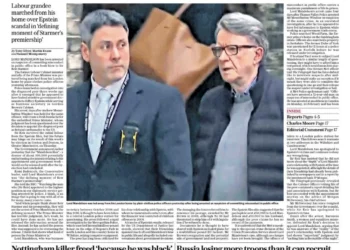
British political figure Lord Peter Mandelson is identified in bank records showing payments of tens of thousands of pounds from accounts linked to Epstein. Correspondence suggests Mandelson sought Epstein’s assistance or hospitality, including arrangements for accommodation in New York. Mandelson resigned from the House of Lords and the Labour Party amid the revelations. UK police have confirmed they are investigating possible misconduct in public office tied to his conduct, though Mandelson maintains he did nothing unlawful and that his dealings were in Britain’s national interest during the global financial crisis.
Other personalities found in the documents include American political strategist Steve Bannon, whose text messages with Epstein from 2018 and 2019 discuss narrative strategy around Epstein’s public image. Bannon has not been accused of any crime in relation to Epstein.
International figures such as Miroslav Lajčák, a former Slovak foreign minister, are also referenced. The files contain exchanges in which Epstein appears to solicit invitations to social gatherings, including messages with suggestive language. Lajčák’s mention in the records has led to his resignation from a senior national security role in Slovakia, though no formal accusations of sexual misconduct have been made against him.
Howard Lutnick, who serves as US Commerce Secretary, is shown in email threads confirming a previously undisclosed visit to Epstein’s private island in 2012 with family members and staff. In congressional testimony, Lutnick acknowledged the visit, explaining it occurred while he was on holiday and contesting prior statements that he had cut ties with Epstein years earlier. The Commerce Department has reiterated that Lutnick has never been accused of wrongdoing.
Economist and academic Larry Summers, former US Treasury Secretary and Harvard University president, appears in exchanges that include critiques of political figures and casual banter with Epstein during the latter’s later years. Summers has publicly taken responsibility for continuing to communicate with Epstein long after his conviction but insists that he never engaged in any inappropriate conduct. He resigned from several advisory posts in the wake of the document disclosures.
In the realm of entertainment and business, Steve Tisch, co‑owner of the NFL’s New York Giants, is shown in discussions with Epstein about introductions to women, though Tisch says he never took up Epstein’s invitations nor visited the island. Prominent film director Brett Ratner, known for Hollywood productions, appears in a social photograph with Epstein and two unidentified women. Ratner’s representatives state he met Epstein only once and categorically denies any impropriety.
The list of individuals named extends into diverse sectors. Dr Peter Attia, a well‑known physician and media contributor, exchanged a series of emails with Epstein that included crude commentary. Attia has denied involvement in any criminal activity, stating he was never present at Epstein’s properties where abuse occurred, and announced his departure from his network role to avoid distraction.
Casey Wasserman, chairman of the Los Angeles 2028 Olympics organising committee, sent personal messages to Ghislaine Maxwell, Epstein’s convicted associate, long before her crimes were publicly known. Wasserman has expressed regret for the correspondence and stressed its separation in time and nature from Maxwell’s later conduct.
Technology sector leader Sergey Brin, Google’s co‑founder, is documented as having visited Epstein’s Caribbean estate and planned social engagements in New York with Epstein’s circle. Google has been contacted for comment, and no suggestion of illegal activity by Brin has emerged.
Ehud Barak, the former prime minister of Israel, is repeatedly mentioned in correspondence with Epstein after the latter’s 2008 conviction. Barak acknowledges having social interactions with Epstein and insists he never witnessed or participated in misconduct.
Perhaps one of the more surprising entries involves Noam Chomsky, the American linguist and public intellectual, whose emails with Epstein discuss media strategy and perceptions of Epstein’s case. Chomsky’s representatives have characterised the engagement as a misjudgment in tone, emphasising his long record of support for gender equity and distancing him from Epstein’s criminal conduct.
Lawyer Brad Karp, chairman of the influential New York firm Paul, Weiss, has stepped down following reporting on extensive email exchanges with Epstein, some of which touch on legal strategy around Epstein’s 2008 plea deal. Karp has not directly tied his resignation to the files and maintains an absence of any professional impropriety.
Former US President Bill Clinton is featured in earlier releases of Epstein documents, including undated photographs showing him in the company of Epstein. Clinton’s spokesperson has said the images are decades old and unrelated to the current scrutiny, emphasising the distinction between acquaintance and criminality. Clinton has confirmed his cooperation with investigators and agreed to testify before a congressional committee examining the files.
Author and alternative health proponent Deepak Chopra is also named in communications that reflect a casual invitation for social travel and unconventional exchanges about personal philosophies. Chopra has issued statements expressing regret for the tone of past emails and asserting that his interactions bore no relation to exploitation.
Finally, retail magnate Les Wexner, once Epstein’s most significant financial client, appears frequently in the files. Wexner has previously testified that Epstein misappropriated funds from his family and has cooperated in congressional inquiries.

Across the files, the pattern is consistent: high‑profile individuals from politics, business, entertainment and academia appear in communications with Epstein or his associates. In most cases, those named have issued statements denying any improper behaviour, emphasising limited associations, and stressing that inclusion in these records is not evidence of criminal involvement. The release has catalysed fresh debate over how Epstein cultivated connections with the powerful and how institutions and individuals responded to warning signs over time.
As investigators, journalists and the public continue to analyse the material, the broader implications for accountability, transparency and the safeguarding of vulnerable people remain at the forefront of public discourse.
Related News:
 Northern Ireland Family of Three Shot Dead in Maguiresbridge Home Incident
 Seventeen Dead as Russia Targets Ukrainian Prison in Devastating Airstrike
 A Fugitive’s Double Life Uncovered: My Interview with Nicholas Rossi, Scotland’s Notorious Escapee Facing Utah Rape Trial
 Failed New Mexico Candidate Sentenced to 80 Years for Drive-By Shootings at Lawmakers’ Homes
 Madeleine McCann Case: German Woman at Centre of Hit-and-Run Theory Speaks Out
 Australian Mushroom Murderer Sentenced to Life in Prison
 Fugitive Father Shot Dead in New Zealand After Nearly Four Years on the Run
 UK Home Office to Launch French Beach Signage to Warn Asylum Seekers of Risks
 Father’s Tip Leads to Arrest in Charlie Kirk Murder Case
Channel Crossings Surge: Over 1,000 People Arrive in the UK in Small Boats in a Single Day
Father’s Tip Leads to Arrest in Charlie Kirk Murder Case
Channel Crossings Surge: Over 1,000 People Arrive in the UK in Small Boats in a Single Day
 UK Recognises State of Palestine in Push to Preserve Hope for Peace
 Jailed Georgian Opposition Leaders Warn UK of Iranian Links to Ruling Party
 Cooper Unveils £4m Cyber Plan Against Russian Hackers
 Prince Andrew met alleged Chinese spies during Pitch@Palace China trips
 Kosovo agrees to host Britain’s refused asylum seekers
 UK Gamer Recruited by Wagner Group Found Guilty of Arson
 WW2 Pilot’s Long-Lost Crash Site Unearthed in Essex
 Trump Speaks on Prince Andrew’s Royal Scandal Fallout
 UK University Faces Counter-Terror Probe Over China Pressure
 Just Stop Oil Protesters Convicted Amid Climate Defence Row
 British Grandmother to Return Home After Death Sentence in Bali
 BBC’s Tim Davie to Address Staff Amid Trump $1bn Threat
 Ukraine-Russia war latest: Putin’s troops exploit bad weather to force Kyiv withdrawal from multiple towns
 New Epstein Files Spark Political Clash in Washington
 Ukraine Energy Corruption Scandal Hits Zelensky’s Inner Circle
 New review urges UK to repatriate Shamima Begum, others from Syria
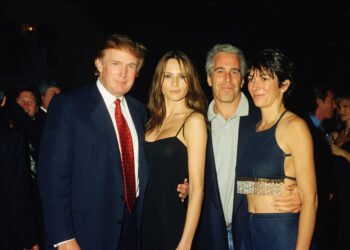 Newly released emails reveal Epstein kept close eye on Trump
 Hasina Rejects Allegations Ahead of Bangladesh Tribunal Verdict
 Oklahoma Governor Grants Last-Minute Clemency to Death Row Inmate
 US Pushes Global Effort to Stop Arms Flow to Sudan RSF Forces
 Israel Confirms Returned Hostage as Meny Godard
 Indian authorities demolish Kashmir home linked to Red Fort blast
 Greene Pushes Epstein Files Amid Trump Fallout
 Tragedy Strikes Indian Pilgrims in Saudi Bus Accident
 Forgotten War, Shattered Lives: Sexual Violence Devastates Women in Ethiopia
 Deadly Russian Strikes Hit Western Ukraine, 20 Killed in Ternopil
 WhatsApp Messages Expose Nathan Gill’s Bribery
 Venezuela Threatens Nobel Winner Machado with Fugitive Status
 Trump Envoy to Discuss Ukraine Peace at Kremlin
 Twenty-Four Nigerian Schoolgirls Freed After Abduction
 Two National Guard Soldiers Critically Injured Near White House
 Southern Lebanon reels as Israeli strikes shatter communities
 Video shows Israeli troops kill Palestinians after surrender
 Guinea-Bissau President Flees After Military Coup
 Kidnap Gangs, Jihadists and Separatists Plague Nigeria
 Rare shark attack kills woman, injures man at remote NSW beach
 American Mother Extradited From UK to U.S. on Murder Charges
 Migrant father guilty of honour killing in Holland
 Thousands Flee Cambodia Scam Centres Amid Global Pressure
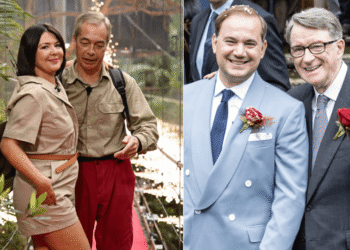 Emails Show Epstein Funded Mandelson’s Husband After Jail
 Saif al-Islam Gaddafi Reportedly Killed in Libya Shooting
 SA Police Intensify Search in Gus Lamont Case
 Taylor Swift concert attack plot shocks Austria
 Five Young People Die in Spain Apartment Block Fire
 NSW kidnapping mistake sparks urgent appeal
 ‘There Is a Feeling of the Greatest Outrage’: The Mystery of Stolen Champion Racehorse Shergar
 ‘Staggeringly Stupid’ Man Jailed After Tattooing Children
 Suspect in Rhode Island Ice Hockey Shooting Killed Ex‑Wife and Son
 Nine Arrested in France Over Death of Far‑Right Student
 India Sentences Three Men to Death for Attack on Israeli Tourist and Hosts
 Eight Skiers Found Dead After California Avalanche
 South Korea’s Ex-President Faces Death Penalty in Insurrection Trial
 Desperate Hunt for Breakthrough in Nancy Guthrie Case Turns to Mexico
 How Much Could Andrew’s Arrest Hurt the Royal Family?
 Epstein Eyed Record Label Investment to Access Women, Files Suggest
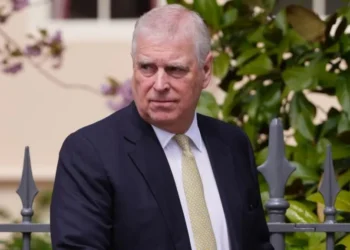 Epstein Files Could Be Just Tip of the Iceberg for Andrew Investigation
Man Guilty of XL Bully Offence After Fatal Attack
Epstein Files Could Be Just Tip of the Iceberg for Andrew Investigation
Man Guilty of XL Bully Offence After Fatal Attack
 New Mexico Reopens Criminal Inquiry into Jeffrey Epstein’s Zorro Ranch
 Bill Gates Pulls Out of India’s AI Summit Over Epstein Files Controversy
 Zuckerberg Defends Meta in Landmark Social Media Addiction Trial
Billionaire Les Wexner Tells US Lawmakers He Was ‘Naive’ and ‘Conned’ by Epstein
Zuckerberg Defends Meta in Landmark Social Media Addiction Trial
Billionaire Les Wexner Tells US Lawmakers He Was ‘Naive’ and ‘Conned’ by Epstein
 Austrian Climber Found Guilty After Girlfriend Froze to Death on Mountain
 El Mencho Killed as Mexico Faces Violence
 ‘El Mencho’ Killed in Military Operation, Triggering Violence
 Violence Erupts in Mexico After Drug Lord El Mencho Killed
 Australian Prosecutors Consider Reopening British Girl’s Cold Case Disappearance
 Who Was El Mencho, Mexico’s Most Wanted Man?
 Conman Stole My Money and Bought His Wife a 10‑Carat Diamond Ring
 Mandelson Arrested Amid Political Turmoil as Ukraine Marks Four Years of Conflict
 What We Know About the Search for Savannah Guthrie’s Mother Nancy