Published: 26 February 2026. The English Chronicle Desk. The English Chronicle Online.
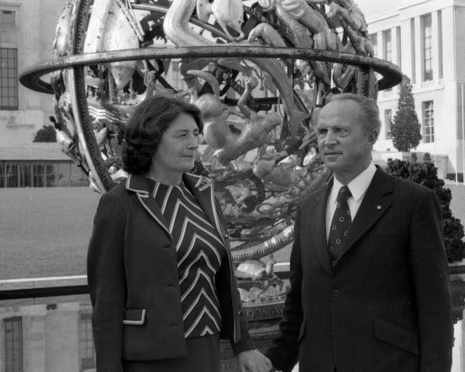
Jean Wilson, who has died aged 103, was a pioneering force in global eye health and disability advocacy. Her remarkable life spanned over a century, during which she co-founded Sightsavers, a charity dedicated to combating blindness in developing nations. From its modest beginnings as a tiny two-person operation, the organisation has grown into a global institution, funding over nine million eye examinations and half a million sight-saving operations annually across thirty countries. Wilson’s vision, tenacity, and strategic insight transformed the lives of countless individuals, leaving a lasting legacy in public health and disability awareness.
Born Jean McDermid in Acton, west London, in 1922, she was the only child of Chloe and John McDermid. Her father worked in public health for Kensington and Chelsea borough council but passed away when she was sixteen, leaving her mother to run a household with lodgers. One of these lodgers was John Wilson, a blind man who would become her husband and lifelong partner in charitable work. Jean attended Harrow County School for Girls before studying history at Westfield College, University of London, which had relocated temporarily to Oxford during the Second World War. Following her degree, she completed a teaching diploma at the London Institute of Education in 1945, equipping her with skills that would later shape her approach to education for blind children worldwide.

Jean met John Wilson in 1943 when he lodged in her family home in Eastcote, west London, and they married in 1944. Their partnership was characterised by shared ideals and a determination to address the global burden of blindness. John, blinded by a school chemistry accident at age twelve, had worked for the National Institute for the Blind, now known as the RNIB. A government tour of British colonial territories in Africa and the Middle East in 1946–47 exposed him to widespread preventable blindness caused by disease, malnutrition, and insufficient medical care. Deeply moved, the couple resigned from their positions and dedicated themselves to creating a charity that would make a tangible difference, setting the foundations for what would later become Sightsavers.
In January 1950, Jean Wilson inaugurated the British Empire Society for the Blind, initially managing communications personally with a wry humour to disguise the organisation’s small size. Her early work included both fundraising and field operations, where she frequently acted as her husband’s “eyes” during travels. She combined an array of talents, including photography, fundraising, and public engagement, enabling her to persuade politicians, such as Lord Halifax, and internationally recognised figures, including Helen Keller, to support the cause. This early strategy of personal advocacy laid the groundwork for the charity’s future success and global reach.
One of their first field visits took them to the Nakong area of the Gold Coast, now Ghana, where river blindness was endemic. Transmitted by parasitic flies breeding near rivers, the disease caused widespread permanent blindness. Local children and adults navigated their surroundings by touch, relying on ropes and guidance from relatives. Recognising the difficulty of fundraising with a medical term like onchocerciasis, Jean cleverly rebranded it “river blindness,” creating a name that resonated with potential donors and the public. This simple, strategic move demonstrated her instinctive understanding of communication and public engagement, a skill she would repeatedly employ throughout her life.
By the mid-1950s, the society, later the Royal Commonwealth Society for the Blind, had established national organisations in twenty countries, running mobile clinics to treat river blindness, trachoma, and other eye conditions. Beyond treatment, these organisations supported training for blind farmers, ophthalmic surveys, and education initiatives. The Wilsons intentionally avoided a top-down approach, preferring to collaborate with local communities and initiatives. Jean’s teaching background was instrumental in shaping educational projects, particularly those aimed at integrating blind children into mainstream schooling, following models she observed in the United States.
In Uganda, Jean helped establish a school for blind children despite initial resistance from parents who doubted the value of education for children with sight loss. To challenge prevailing assumptions, the society arranged a groundbreaking expedition in 1969, enabling seven blind men from East Africa to climb Mount Kilimanjaro. The expedition garnered significant media attention across African newspapers, illustrating the potential of visually impaired individuals and inspiring parents to send their children to school. This initiative exemplified Jean’s innovative thinking and commitment to transforming societal attitudes towards disability.
Honours followed for both Jean and John Wilson. John was knighted in 1975, conferring upon Jean the courtesy title of Lady Wilson, while she herself received an OBE in 1981. That same year, they stepped down from Sightsavers, redirecting their experience toward broader disability advocacy. Jean organised the Leeds Castle international seminar on preventing disablement in 1981, part of the United Nations’ International Year of Disabled Persons. Subsequently, she, John, and their daughter Claire Hicks established Impact in 1985, addressing a wide spectrum of disability issues, from sight and hearing loss to physical impairment. Like Sightsavers, Impact prioritised partnerships with local organisations, achieving significant global reach, including initiatives like the Lifeline Express hospital train in India, which benefited nearly one million people last year alone.
Jean Wilson maintained her commitment to preventable disability throughout her life, recognising the importance of education and immunisation. She chaired the UK’s National Rubella Council in 1983, running campaigns to increase vaccination against rubella, which can cause blindness and deafness in unborn children. She engaged prominent figures, including Diana, Princess of Wales, and Linda McCartney, to publicise the campaign, achieving substantial increases in vaccine uptake among women and girls over four years. Her efforts demonstrated a keen understanding of public health communication and social advocacy, combining scientific knowledge with effective community engagement.
Family life was central to Jean’s story. After marrying John, she lived in London, giving birth to her daughters, Claire in 1948 and Jane in 1953. The family later moved to Rottingdean in Sussex, where Jean remained for the rest of her life, tending her garden and maintaining a base from which she could travel extensively. Even after John’s death in 1999, she continued active involvement in her charitable work, assuming chairmanship of the Hearing Conservation Council and serving as vice-president of Sightsavers and honorary president of Impact. Her extensive travel into her nineties demonstrated enduring energy and commitment, as she remained connected to field operations and advocacy initiatives worldwide.

Recognition of Jean’s contributions extended to professional spheres. In 2002, she was made an honorary fellow of the Royal College of Ophthalmology, highlighting her impact on both practical and academic aspects of eye health. Her dedication to collaborative, locally driven projects ensured that the organisations she helped build could achieve sustainable, long-term benefits for communities affected by blindness and disability. Jean Wilson’s legacy encompasses both tangible health outcomes and transformative social change, reflecting a life driven by empathy, innovation, and unwavering determination.
Jean Wilson’s life was a testament to vision, courage, and the power of partnership. Through Sightsavers, Impact, and her extensive advocacy, she reshaped global approaches to blindness and disability. Her work demonstrated that meaningful change arises from combining knowledge, creativity, and compassion, leaving a lasting impression on countless individuals and communities. As a teacher, advocate, and strategist, she elevated the lives of people often overlooked, ensuring that opportunity, education, and healthcare became accessible to all. Her century-long life, marked by extraordinary achievement, leaves an enduring imprint on public health and social advocacy worldwide.
Her enduring influence will be remembered not only in the institutions she helped create but also in the countless personal stories of people whose lives were profoundly improved by her vision. Jean Wilson’s commitment to inclusive education, global eye health, and preventable disability has set a benchmark for future generations of social reformers and humanitarian leaders. Her achievements exemplify the transformative potential of dedication and strategic advocacy, providing a lasting model for organisations addressing health and disability challenges worldwide.
Related News:
 Hospice Cuts Raise Alarm Across England Amid Funding Crisis
 How Bringing Forests Into Preschools Boosts Children’s Health
 The diet that can significantly ease symptoms of IBS
 Celebrities and Charities Demand UK Government Act on Child Poverty
 Experts Warn on Home Birth Risks, Call for Skilled Midwives
 Experts Urge Legal Right to Timely Cancer Care
 Patients to Test Health at Home to Ease NHS Winter Pressure
 London’s Childlessness Crisis: Schools Closing as Families Shrink
 North Sea oil workers must lose weight or face job loss
 Crisis charity to become landlord amid UK housing emergency
 No link found between paracetamol in pregnancy and autism
 NHS frontline staff forced to cover gaps as managers remain scarce
 Seven Conditions That Automatically Qualify You for a Free Bus Pass
 Understanding Missing Children: Facts vs. Myths
 Shouting Works Best to Deter Gulls, UK Study Finds
 Reeves rejects £1bn plea for NHS redundancy payouts
 Leading doctors issue warning amid ‘bad’ flu season
 Working-Class Men with Prostate Cancer Left Behind by NHS
 Senator John Fetterman Hospitalized After Fall from Heart Flare-Up, Keeps Sense of Humor
 New AI tool could cut wasted efforts in organ transplants
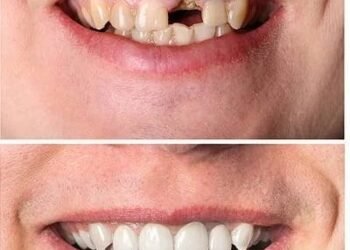 From Baby Teeth to Bioengineering: The Future of Self-Healing Teeth
 Stroke Patient Mistaken for Drunk, Care Delayed
 107-Year-Old Veteran Credits Whiskey for Longevity
 ‘Traumatic Wait’: Northern Ireland Women Face Breast Cancer Delays
 Healthy Habits in Your 30s That Boost Life in Your 70s
 Woman Meets Boy Whose Life She Saved with Kidney
 Scottish Families Take Legal Action Over School CO Leak
 Welsh Government Christmas 2020 Lockdown Criticised
 Coffins Now Too Large to Cremate Amid Rising Obesity Crisis
 NHS paediatric leave parents waiting months for answers
 Catherine urges end to stigma around addiction
 Vicki Fears Losing Motability Car
 Delhi’s Toxic Air Crisis Leaves Children Sick and Vulnerable
 Five-Year-Old Dies After Rare Tonsil Surgery Complication
 Fibromyalgia Patients Struggle as NHS Fails to Provide Care
 More Patients Now Contacting GPs Online, Data Shows
 Streeting launches review into mental health and ADHD diagnoses
 Kenya Signs $2.5bn Health Deal with US Amid Data Concerns
 People in England’s Poorest Areas Face Higher Lung Health Emergencies
 Damien Martyn in Induced Coma After Meningitis Diagnosis
 Minor A&E Visits Surge Across England as Hospitals Face Pressure
 Children to Receive Home Vaccines as England Acts
 Ethnic Minorities Face Gaps in Diabetes Tech Access
 Childhood Hypertension Sparks Urgent UK Testing Calls
 UK children to get chickenpox jab with MMRV vaccine
 Salt Intake England: Crisps Comparison Sparks Health Alarm
 Weight Loss Jabs Linked to Rapid Weight Regain, New Study Shows
 Offenders to Receive Health Support During Probation Appointments
 NHS Violence Crisis: Staff Face Daily Assaults
 Celebrity Campaign Highlights SMA Screening Failures
 Google Removes Some AI Health Summaries Over Safety Concerns
 Polycrisis Anxiety Leaves Many Feeling Trapped in the Present
 UK Glaucoma Rise Signals Looming Eye Health Crisis by 2060
 UK ADHD medication use triples over 13 years, landmark study finds
 Reform UK Health Plan ‘Would Cost £1.7bn’, Streeting Says
 NHS boosts bowel screening accuracy with FIT reform
 UK loses measles-free status amid deaths and jab decline
 Nottingham survivor warns of repeat attacks without mental health reform
 UK vets face reforms to tackle high pet care costs
 AstraZeneca China Investment Signals Strategic Shift Abroad
 Genes May Hold the Secret to Long Life, Scientists Find
 AI breast screening cuts later cancer diagnoses by 12%, study finds
 Study Finds One in Seven England Takeaways Are Dark Kitchens
 Deadly Cancer Postcode Lottery Limits NHS Care
 James Valentine Retires from ABC After Cancer Battle
 Pneumonia Surge Pushes England Emergency Cases Higher
 Mediterranean diet cuts stroke risk by 25%, study finds
 Townsville Hospital Probes Privacy Breach After Activist Posts Foetus Image
 Baby rhythm sense found in newborn brains
 Most Statin Side-Effects Are Not Caused by Drugs, Study Confirms
 Headline: Measles Alert: Dr Oz Urges Americans to Vaccinate
 Children of Close-Relative Parents Face Higher Mortality Risk in England
 UK MPs Demand Ban on Brazilian Butt Lifts
 Chikungunya Spread in Europe Climbs as Climate Warms
 NHS Bone Cement Shortage Threatens Surgeries
 NHS Negligence Ruling Raises Payout Costs
 Trans Youth Care Crisis: NY Hospital Ends Gender‑Affirming Treatment
 Half of Britons Avoid GP When Ill, Survey Reveals Growing Concern
 Ayahuasca Psychedelic DMT Shows Potential as Depression Therapy
 US Accused of Exploitation Over Zambia Health Aid