Published: 27 February 2026. The English Chronicle Desk. The English Chronicle Online.
A major vegetarian cancer risk study has found significantly lower rates of several cancers among vegetarians. The findings, drawn from international research and confirmed by UK experts, offer fresh insight into how diet may influence long term health. Scientists analysed data from more than 1.8 million people followed for many years. Their conclusions suggest that dietary patterns could play a meaningful role in cancer prevention strategies.
The research, published in the respected British Journal of Cancer, examined 17 types of cancer. Investigators discovered that vegetarians experienced a 21 percent lower risk of pancreatic cancer. They also showed a 12 percent lower risk of prostate cancer. Breast cancer risk was reduced by nine percent compared with regular meat eaters. Together, these cancers account for roughly one fifth of cancer deaths across the UK.
Further analysis revealed additional protective associations within the vegetarian cancer risk study results. Vegetarians had a 28 percent lower risk of kidney cancer. The risk of multiple myeloma, a form of blood cancer, was 31 percent lower. These findings have been welcomed by researchers who study links between diet and chronic disease.
The principal investigator, Dr Aurora Pérez-Cornago, conducted the research while based at the University of Oxford. She described the results as encouraging for those following plant based diets. She noted that several of the cancers showing reduced risk are highly prevalent. That makes even modest percentage differences potentially important at population level.
 However, the picture was not entirely straightforward. Scientists also observed that vegetarians faced nearly double the risk of oesophageal squamous cell carcinoma. This is the most common type of oesophageal cancer worldwide. Researchers suggested that possible deficiencies in certain nutrients, including B vitamins, might contribute. They stressed that more investigation is required before drawing firm conclusions.
The study also examined outcomes among vegans, who avoid all animal products. Vegans were found to have a 40 percent higher risk of bowel cancer compared with meat eaters. Researchers pointed to lower average calcium intake as one possible explanation. Average daily calcium consumption among vegans was 590 milligrams, below the UK recommendation of 700 milligrams.
Lower intakes of other nutrients may also play a role. Scientists emphasised that diet quality, not simply meat avoidance, matters greatly. Over recent decades, vegan products have become more widely fortified. Many plant based milks now contain added calcium and vitamins. This could influence outcomes for future generations following similar diets.
The research team acknowledged that the reasons behind the observed differences remain uncertain. It is not yet clear whether meat itself increases cancer risk. Alternatively, certain components of vegetarian diets may offer protective benefits. The answer may vary depending on the specific cancer type examined.
Professor Tim Key, an emeritus professor of epidemiology at the University of Oxford, contributed to the study. He suggested that meat consumption might be a more likely explanation. Yet he cautioned that this remains an informed opinion rather than direct evidence. Further targeted research will be needed to untangle these complex relationships.
For years, scientists have recognised a link between red and processed meat and bowel cancer. International health bodies have warned about high consumption of processed meats. However, assessing links with rarer cancers has been difficult historically. Many earlier studies included relatively small numbers of vegetarians and vegans. That limited the statistical power needed for reliable comparisons.
To overcome this barrier, researchers pooled data from multiple large scale studies worldwide. The final dataset included approximately 1.64 million meat eaters. It also covered more than 57,000 poultry eaters who avoided red meat. Around 42,000 participants ate fish but no other meat. Over 63,000 were vegetarians, and nearly 9,000 identified as vegans.
Participants were followed for an average of 16 years. This lengthy period allowed scientists to track cancer outcomes with greater accuracy. Researchers adjusted for potential confounding factors such as body mass index and smoking. These adjustments strengthen confidence in the overall findings.
Despite the positive signals for several cancers, vegetarians did not show lower bowel cancer risk. This may reflect relatively low meat consumption among the meat eating group studied. Professor Key explained that higher meat intakes might have produced different results. He added that the findings do not contradict previous evidence linking red meat to bowel cancer.
The study also offered insights into other dietary groups. Pescatarians, who eat fish but no meat, showed lower risks of breast and kidney cancers. They also had a lower risk of bowel cancer. Poultry eaters were found to have a reduced risk of prostate cancer. These nuanced findings suggest that varying dietary patterns may influence different cancers in distinct ways.
Independent experts have praised the scale and ambition of the research. Professor Jules Griffin, director of the Rowett Institute at the University of Aberdeen, described the work as impressive. He noted, however, that comparisons with those following NHS Eatwell guidelines were absent. Such comparisons could help identify an optimal balanced diet for cancer prevention.
Importantly, dietary habits have evolved since many participants were first recruited. Much of the data originates from the 1990s and early 2000s. Since then, ultra processed foods have become more common in many countries. The rise of fortified vegan products may also alter nutrient profiles significantly. Future studies will need to account for these changing patterns.
For the UK public, the implications are both promising and cautious. Cancer remains one of the leading causes of death nationwide. Even modest reductions in risk could translate into thousands of prevented cases. Yet experts consistently warn against oversimplified dietary messages. Eliminating meat without ensuring nutritional adequacy may carry unintended consequences.

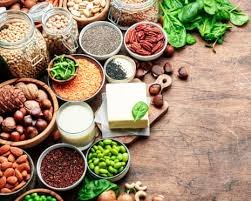
Nutritionists stress the importance of balanced meals rich in fibre, fruits, and vegetables. Whole grains and legumes provide essential nutrients often linked to protective effects. At the same time, adequate intake of calcium, vitamin B12, and iron is crucial. Individuals considering dietary changes should seek evidence based guidance.
The vegetarian cancer risk study underscores the complexity of nutritional science. Diet interacts with genetics, lifestyle, and environmental exposures over decades. Isolating single factors remains challenging despite vast datasets. Nevertheless, large cohort analyses provide valuable direction for public health strategies.
Researchers involved in the project emphasised that no single diet guarantees protection. Lifestyle factors such as smoking cessation and physical activity remain critical. Maintaining a healthy body weight also reduces risk for several cancers. Diet forms one important piece of a broader prevention puzzle.
As debate continues, the study contributes meaningful data to an ongoing conversation. It encourages thoughtful reflection on how everyday food choices shape long term wellbeing. For policymakers and clinicians, the findings highlight areas for further targeted research. For individuals, they offer motivation to review dietary habits carefully.
Ultimately, the vegetarian cancer risk study presents both opportunity and responsibility. It suggests potential benefits of plant focused diets for several major cancers. Yet it also reminds us that nutritional balance must never be overlooked. As scientists continue investigating these links, informed choices remain the most powerful tool available.
Related News:
 Mother dies after black market weight loss injection
 Young Woman Missed 13 Times by GPs Before Bowel Cancer Diagnosis
 Hospice Cuts Raise Alarm Across England Amid Funding Crisis
 How Bringing Forests Into Preschools Boosts Children’s Health
 The diet that can significantly ease symptoms of IBS
 Celebrities and Charities Demand UK Government Act on Child Poverty
 Long A&E waits causing heartbreaking suffering, charity says
 Experts Warn on Home Birth Risks, Call for Skilled Midwives
 Lancashire council plans to close care homes and day centres
 Britain could face worst flu season on record, NHS warns
 Experts Urge Legal Right to Timely Cancer Care
 Patients to Test Health at Home to Ease NHS Winter Pressure
 London’s Childlessness Crisis: Schools Closing as Families Shrink
 NHS Takes Over Nuffield Hospital in ‘Windfall’ for London Care
 North Sea oil workers must lose weight or face job loss
 Crisis charity to become landlord amid UK housing emergency
 No link found between paracetamol in pregnancy and autism
 UK Disability Pay Gap Means Millions Work for Free From Today
 Shouting Works Best to Deter Gulls, UK Study Finds
 Reeves rejects £1bn plea for NHS redundancy payouts
 NHS trust fined after woman takes life in mental health unit
 Leading doctors issue warning amid ‘bad’ flu season
 UK Centres Used Risky Heart Pump Despite Safety Fears
 Reeves Rejects £1bn NHS Payout Plea from Streeting
 New Campaign Trains Vets to Spot Farmers’ Health Risks
 Stroke Patient Mistaken for Drunk, Care Delayed
 ‘Traumatic Wait’: Northern Ireland Women Face Breast Cancer Delays
 Boris Johnson Oversaw Toxic No 10 Culture, Covid Inquiry Finds
 Welsh Government Christmas 2020 Lockdown Criticised
 Coffins Now Too Large to Cremate Amid Rising Obesity Crisis
 Thinktank Urges Smaller Hospitals to End NHS ‘Permacrisis’
 David Cameron Reveals Prostate Cancer Diagnosis, Advocates Screening
 NHS paediatric leave parents waiting months for answers
 Catherine urges end to stigma around addiction
 11 Best Supermarket Wines Chosen by Experts and Sommeliers
 Inquiry Opens Into Disgraced Surgeon Eljamel Scandal
 Five-Year-Old Dies After Rare Tonsil Surgery Complication
 Fibromyalgia Patients Struggle as NHS Fails to Provide Care
 More Patients Now Contacting GPs Online, Data Shows
 Streeting launches review into mental health and ADHD diagnoses
 Flu cases in Scotland more than double in a week
 People in England’s Poorest Areas Face Higher Lung Health Emergencies
 MND Patients Die Waiting for Home Adaptations in England
 Minor A&E Visits Surge Across England as Hospitals Face Pressure
 Children to Receive Home Vaccines as England Acts
 UK children to get chickenpox jab with MMRV vaccine
 UK Enforces Junk Food Ad Ban Before 9pm
 Salt Intake England: Crisps Comparison Sparks Health Alarm
 Weight Loss Jabs Linked to Rapid Weight Regain, New Study Shows
 Patients Collapsing in NHS Corridors, Watchdog Warns
 Offenders to Receive Health Support During Probation Appointments
 NHS Violence Crisis: Staff Face Daily Assaults
 Celebrity Campaign Highlights SMA Screening Failures
 NHS corridor care crisis sparks fears over patient safety
 Jess’s Rule Urges GPs to Rethink Persistent Symptoms
 UK Glaucoma Rise Signals Looming Eye Health Crisis by 2060
 UK ADHD medication use triples over 13 years, landmark study finds
 Reform UK Health Plan ‘Would Cost £1.7bn’, Streeting Says
 NHS boosts bowel screening accuracy with FIT reform
 UK loses measles-free status amid deaths and jab decline
 Nottingham survivor warns of repeat attacks without mental health reform
 UK vets face reforms to tackle high pet care costs
 Small risk warning raised over weight-loss jabs in UK review
 Study Finds One in Seven England Takeaways Are Dark Kitchens
 Deadly Cancer Postcode Lottery Limits NHS Care
 Pneumonia Surge Pushes England Emergency Cases Higher
 Streeting moves on doctor pay to end strike dispute
 UK reports baby formula toxin poisoning cases across the country
 Children of Close-Relative Parents Face Higher Mortality Risk in England
 North London measles outbreak hits young children
 UK MPs Demand Ban on Brazilian Butt Lifts
 Campaign Demands NHS Action on Placenta Accreta Diagnosis
 NHS Bone Cement Shortage Threatens Surgeries
 NHS Negligence Ruling Raises Payout Costs
 Placenta Accreta Warning as Hunt Urges Action
 Half of Britons Avoid GP When Ill, Survey Reveals Growing Concern
 NHS Maternity Units Cover Up Harmful Childbirth Errors
 Systemic Racism in Maternity Care Continues to Endanger Black Women in England, MPs Warn
 UK Job Vacancies Hit Five-Year Pandemic Low
 UK Youth Unemployment Surges Amid Tax Changes