Published: 27 February 2026. The English Chronicle Desk. The English Chronicle Online.
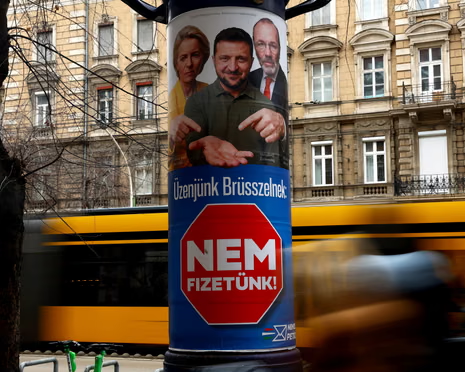
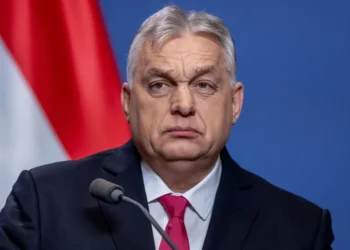
The political atmosphere in Hungary is currently defined by a sharp and polarizing focus on the Ukraine crisis. Massive billboards now blanket the streets of Budapest and smaller rural towns across the nation. These displays feature AI-generated images of Volodymyr Zelenskyy alongside several high-ranking European Union officials. The figures are shown with their hands outstretched in a gesture of demanding financial aid. This taxpayer-funded advertising campaign carries a very blunt message directed straight toward the authorities in Brussels. It states that Hungary will not pay for the ongoing conflict in the neighbouring country. This visual campaign is mirrored across radio stations and television channels and various social media platforms. Such messaging has become the central pillar of the current election strategy for Viktor Orbán. He is currently the longest-serving leader within the European Union but faces significant political pressure. Recent polling data suggests that his governing party is lagging behind a new and formidable opposition.
Viktor Orbán has spent years refining a specific method of mobilizing his core conservative electorate. His strategy often involves convincing voters that the greatest threats come from outside the national borders. In previous election cycles, he focused heavily on the perceived dangers of mass migration into Europe. During the 2022 elections, he claimed the opposition would send Hungarian soldiers to the front lines. Now, the government has identified a new primary adversary to help unify its base of supporters. Analysts suggest that the Ukraine crisis is being used to generate fear among the local population. By doing so, the government can divert attention away from pressing domestic issues at home. These issues include a stagnant national economy and the rapidly rising cost of living for families. Fraying social services and a struggling healthcare system also remain significant concerns for many Hungarian citizens. However, the government insists that national security is the most urgent priority for the country.

This particular election cycle sees the rise of a significant new challenger named Péter Magyar. He was once a high-ranking member of the prime minister’s own inner political circle. Magyar now leads the Tisza party, which has gained rapid momentum in recent monthly polls. His emergence has forced the government to escalate its rhetoric to an even higher level. The use of advanced artificial intelligence has become a controversial hallmark of this new campaign. False messages and distorted images are being used to strengthen the narrative of the governing party. This digital strategy aims to portray the Ukraine crisis as an existential threat to Hungary. It suggests that international actors are conspiring to drag the nation into a bloody war. Such claims are often made without providing any concrete evidence to the voting public. Nevertheless, these messages reach millions of people through a vast and powerful state-aligned media empire. The intensity of this communication has caused deep concern among independent political observers and analysts.
The impact of this domestic campaign is also being felt far beyond the Hungarian borders. In recent weeks, the government in Budapest has refused to approve several key international agreements. This includes a major European Union sanctions package and a very large loan for Kyiv. Hungarian officials cited potential disruptions to their essential supplies of Russian oil as a reason. This stance has sparked significant anger and frustration among other leaders across the European continent. Poland’s foreign minister described the position of Hungary as shocking and historically inconsistent for the region. Sweden’s representative accused the Hungarian leader of using a suffering nation as a political punchbag. These diplomatic tensions highlight the growing isolation of Hungary within the broader Western political alliance. Many allies feel that Budapest is prioritising its own narrow electoral interests over regional stability. Despite this international pressure, the rhetoric from the Hungarian government shows no signs of slowing.
At the heart of the government’s message is a series of very serious allegations. Viktor Orbán recently claimed that the war-torn nation was plotting to disrupt the energy infrastructure. He subsequently announced that he would be dispatching troops to safeguard various key national sites. Shortly after this, he published an open letter addressed directly to the leadership in Kyiv. The letter accused the Ukrainian president of trying to force Hungary into a military conflict. It also suggested there were coordinated efforts to install a pro-war government in the capital. These dramatic claims serve to reinforce the idea that the Ukraine crisis is a local peril. Such narratives are designed to make the governing party appear as the only safe choice. The opposition has responded by calling these tactics a form of soulless and cruel manipulation. They argue that using the imagery of war to scare voters is deeply unethical. Still, the government maintains that it is simply protecting the interests of the people.
The emotional weight of the campaign was further increased by a specific video advertisement. It featured a small girl crying at a window while scenes of war played out. The captions suggested that this nightmare could become a reality if the opposition wins power. This use of highly emotional and AI-generated content has divided the opinion of the public. Some citizens believe that the government is right to keep the country out of conflict. They fear that European leaders are not taking enough steps toward achieving a lasting peace. Others believe that this strategy is damaging the long-term reputation of the country in Europe. They worry that Hungary will eventually find itself under the influence of Moscow once again. These competing views represent the deep societal divisions that the Ukraine crisis has helped create. The upcoming vote will essentially serve as a referendum on these two very different visions. One focuses on external threats while the other focuses on internal reform and integrity.

Data from political research institutes shows that public opinion in Hungary has shifted significantly recently. A few years ago, a majority of the population supported providing financial aid to neighbours. Today, many people have moved toward opposing such support due to the constant government messaging. This shift demonstrates the immense power of the media empire controlled by the governing party. The reputation of international leaders has also suffered a major decline within the Hungarian borders. Many voters now view the conflict as a struggle between two equally unpopular and distant entities. This creates a perfect environment for the government to drum up votes using anti-foreign rhetoric. Even those who do not particularly like Russia have become increasingly skeptical of the Ukraine crisis narrative. This skepticism is exactly what the prime minister needs to secure another term in office. It allows him to position himself as the defender of the ordinary working man.
As the election date approaches, the battle for the hearts of voters will only intensify. Péter Magyar continues to campaign on the promise of ending corruption and improving public services. He hopes that the daily economic struggles of the people will outweigh the fear of war. On the other side, the government will likely continue to emphasize the dangers of the Ukraine crisis. They have endless resources and a well-oiled machine for spreading their specific political message. The final outcome remains uncertain as the polls show a very tight and unpredictable race. What is clear is that the rhetoric used today will have lasting consequences for years. Hungary’s relationship with its neighbours and its allies hangs in a very delicate balance. The world will be watching closely to see which narrative the Hungarian people choose. Ultimately, the decision will rest on whether fear or the hope for change is stronger. The result will shape the future of central European politics for a long time.
Related News:
 High-speed Spain train crash leaves nation in mourning
 EU weighs response amid Greenland tariff crisis with Trump
 EU Says US Ties Have Suffered ‘Big Blow’ After Greenland Crisis
 Thousands Left Without Heating in Ukraine Amid Russia Strikes
 Russia sanctions hit economy hard, says EU envoy
 Portugal Election Delivers Socialist Win as Far Right Surges
 Just Stop Oil Protesters Convicted Amid Climate Defence Row
 BBC to Apologise Over Edited Trump Speech Amid Backlash
 Britain deploys RAF specialists to assist Belgium with drone threats
 Palace May Restore Hyphen to Andrew Mountbatten-Windsor’s Name
 US Senate Passes Funding Bill to End Historic Shutdown
 US Justice Department Files Lawsuit Against California Over Partisan Voting Maps
 Greene Pushes Epstein Files Amid Trump Fallout
 Trump Deploys DHS to Charlotte in Major Arrest Operation
 December Run-Off in Chile as Election Produces No Winner
 Zelenskyy Signs Fighter Jet Deal Amid Russian Drone Attacks
 Orban Says Ukraine Has ‘No Chance’ as EU Support Continues
 Canada Passes Carney’s First Budget in Tight Parliamentary Vote
 Israeli Strike Kills 13 Near Palestinian Camp in Lebanon
 Shadow Fleet at Sea: Europe’s Battle Against Illicit Oil Shipping
 Tiny Curacao Makes History as Smallest Nation to Reach World Cup
 Haiti Qualifies for World Cup Despite Coach Never Visiting Country
 Deadly Russian Strikes Hit Western Ukraine, 20 Killed in Ternopil
 Pentagon Officials in Ukraine to Discuss War End
 Ukraine Peace Plan: Zelensky Ready for Dialogue
 Vietnam Battles Deadly Floods as Rains Continue
 Venezuela Threatens Nobel Winner Machado with Fugitive Status
 Royal Navy Shadows Russian Warships Entering the Channel
 US Suspends Afghan Immigration After White House Shooting
 Two National Guard Soldiers Critically Injured Near White House
 Georgians Defy Government Crackdown After Year of Protests
 Southern Lebanon reels as Israeli strikes shatter communities
 Sri Lanka Floods Leave 56 Dead, Dozens Missing
 Tokyo court rules Japan’s same-sex marriage ban constitutional
 ‘Extinct’ Antelope Returns to Sahara, Bringing Hope
 EU plans $105bn Ukraine aid using frozen Russian assets
 American Mother Extradited From UK to U.S. on Murder Charges
 Russia losses Ukraine war peace talks intensify amid rising deaths
 Facebook Slow to Remove Bondi Attack Praise, Anti-Hate Group Claims
 Australian Cruise Ship Freed After Reef Grounding in Papua New Guinea
 US Cities Erupt in Protests Against Trump’s Venezuela Military Action
 Albanese Opens Door to Bondi Royal Commission Amid Rising Pressure
 Trump Escalates Minnesota Immigration Surge Amid Rising Tensions
 Iran Protesters Defy Crackdown as Violent Clashes Intensify
 US Clears Nvidia AI Chip Sales to China in Policy Shift
 Trump Threatens Strong Action If Iran Executes Protesters
 Gulf states warn Trump Iran strikes risk wider Middle East war
 Machado Trump medal gesture reshapes Venezuela power struggle
 Syria President Declares Victory as Ceasefire Reached with SDF
 Sydney Shark Attack Surge Shocks Australia Beaches
 Thousands Flee Cambodia Scam Centres Amid Global Pressure
 Andrew Hastie Emerges as Leadership Rival to Ley
 Starmer China visit raises human rights pressure on Beijing
 US Launches Multi-Day Air Drills Amid Rising Iran Tensions
 Videos reveal earlier clash before Alex Pretti shooting
 China Executes 11 Linked to Myanmar Scam Networks
 UK New Car Discounts Near £6,000 as Prices Are Slashed
 Israel Moves to Bar MSF From Gaza Operations
 Tragic Ski Lift Accident Claims Australian Snowboarder
 Trump Praises ‘Terrific’ Petro After White House Talks
 Sydney Protest Escalates and Elderly Woman Suffers Severe Injury
 Tarique Rahman’s Rise Toward Bangladesh’s Top Job
 Australian Families Leave Syrian Camp for Home
 SA Police Intensify Search in Gus Lamont Case
 Macron Rebuked in Franco-German Defence Row
 Trump Attacks UK-California Energy Pact
 Kim Jong-un Unveils Housing for War Families
 Trump and Chagos Deal Rift Over Iran Strikes
 Andrew Arrest Sparks Republic Debate in Australia
 Global corruption crisis: Who Washington shields
 Farage Chagos Islands Row Sparks Fury
 Gold Rush in Gugulethu Leaves South Africans Desperate for Work and Hope
 Louvre Museum Director Resigns Months After High‑Profile Heist
 Orbán Accuses Ukraine of Disrupting Oil Supplies to Hungary
 Greenpeace $345m Ruling Sparks Appeal Battle
 Hilary Knight speaks out on Trump’s recent hockey remarks
 Champions League Thrills as Atalanta and Galatasaray Advance
 Trump Speech Sparks Intense Debate Across Divided America
 Has Europe truly learned from the failures of 2022?
 Social Media Trial: Woman Says Addiction Began at Six