Published: 27 February 2026
The English Chronicle Desk
The English Chronicle Online
A major new study has found that people who follow a vegetarian diet have a significantly lower risk of developing several types of cancer, compared with those who regularly eat meat, according to research published this month in the British Journal of Cancer. The study, which is the largest of its kind, analysed health and dietary information from more than 1.8 million individuals across the United Kingdom, the United States, India and Taiwan, tracked over an average of 16 years, and sheds fresh light on how long‑term diet patterns may influence cancer risk.

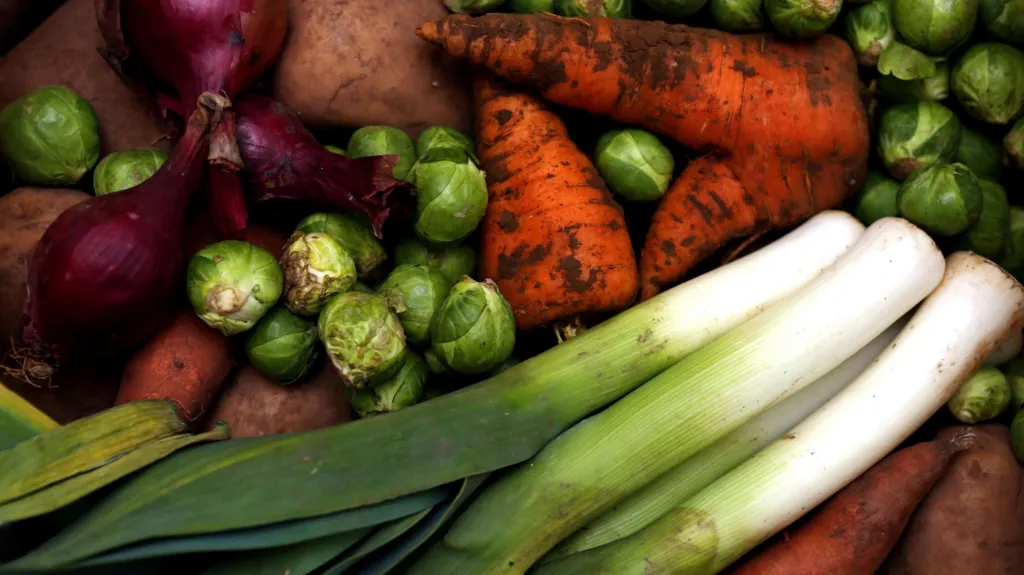
Researchers found that, compared with meat eaters, people following a vegetarian diet — which excludes red and processed meat and typically involves higher intake of fruits, vegetables, pulses and fibre — had a markedly lower risk of developing five specific cancers. According to the study’s results, vegetarians showed a 21 per cent lower risk of pancreatic cancer, a 12 per cent lower risk of prostate cancer, a 9 per cent lower risk of breast cancer, a 28 per cent lower risk of kidney cancer, and a 31 per cent lower risk of multiple myeloma.
Scientists involved in the research said the findings support existing evidence that plant‑forward diets rich in vegetables, whole grains and legumes — and low in processed and red meats — are associated with reduced cancer incidence for some cancer types. They noted that the protective associations remained significant even after adjusting for factors such as body mass index (BMI), smoking status and other lifestyle variables.
However, the large‑scale analysis also revealed important caveats. Vegetarians in the study were found to have nearly double the risk of oesophageal squamous cell carcinoma compared with meat eaters, a finding that researchers suggested might be related to lower intake of certain nutrients more abundant in animal‑derived foods. There were no statistically significant differences in risk for many other cancer types assessed.
The study built on an international consortium that classified participants into dietary groups based on their long‑term consumption patterns, including meat eaters, poultry eaters, pescatarians (those who eat fish but not other meats), vegetarians, and vegans. It examined incidence of 17 different cancers and evaluated how risk varied by dietary pattern.
Lead researchers emphasised that the observational nature of the study does not prove that vegetarianism directly prevents cancer. Rather, the associations may reflect a combination of dietary components, lifestyle differences, and related health behaviours. Nevertheless, the results align with longstanding public health advice to increase consumption of plant‑based foods and reduce intake of processed and red meats to support overall health and reduce the risk of diet‑related diseases.

Experts say the findings could inform future nutritional guidelines and cancer prevention strategies, but they also caution that a balanced approach to diet — including attention to essential nutrients such as calcium, vitamin B12 and iron — remains important, particularly for those adopting strict plant‑based diets.
Related News:
 Mind Launches Inquiry into AI and Mental Health After Guardian Investigation
 ‘A Disgrace’ — Patient Blasts Neurology Report
 Gaming Helps Woman Cope with Rare Health Condition
 Taking Collagen Keeps Skin More Elastic But Won’t Stop Wrinkles, Say Scientists
 UK Launches World-First Gonorrhoea Vaccine Amid Record Infection Surge
 AI Tools Used by English Councils Found to Downplay Women’s Health Issues, Raising Concerns Over Gender Bias in Care
 Breakthrough Clinical Trial Lets 12-Year-Old Boy with Rare Skin Disorder Play Football
 Hot Tea and Coffee Found to Contain Highest Levels of Microplastics in Popular Drinks
 Expanded Access to Health Diagnostics in England Now Available Beyond Standard Hours
 Shocking Rise in Children’s Exposure to Violent Online Pornography Raises Alarm
 British Pilot Joins Crew Training for Year-Long Mars Simulation Mission
 Ed Davey Urges UK to Attract US Cancer Scientists Amid Funding Cuts Under Trump
 Omeprazole Alert: NHS Issues Guidance on Safe Use for Heartburn and Indigestion
GPs in England Warn of Overload as Nationwide Online Appointment System Approaches
Omeprazole Alert: NHS Issues Guidance on Safe Use for Heartburn and Indigestion
GPs in England Warn of Overload as Nationwide Online Appointment System Approaches
 Eligibility Confusion Over COVID Vaccination Leaves Pharmacies Struggling Across the UK
 Majority of UK Men Would Opt for Prostate Cancer Screening, Survey Finds
 Scientists Announce First Potentially Accurate Blood Test for Chronic Fatigue Syndrome
 NHS May Pay 25% More for Medicines Amid US Drug Talks
 Survey Shows Most GPs Rushing Appointments
 Genetic Tests May Predict Return of Blood Cancer
 UK Woman Becomes Longest Survivor of Heart-Lung Transplant
 Thousands in the UK sue Johnson & Johnson over alleged talcum powder, linked to cancer
 New wearable UV detector aims to prevent sunburn
 ‘Game-Changing’ HIV Prevention Jab Set for NHS Approval
 Breath test could ‘revolutionise’ pancreatic cancer treatment
 How Bringing Forests Into Preschools Boosts Children’s Health
 UK Water Firms Ordered to Act Over ‘Forever Chemicals’ Threat
 Experts Urge Legal Right to Timely Cancer Care
 Patients to Test Health at Home to Ease NHS Winter Pressure
 North Sea oil workers must lose weight or face job loss
 No link found between paracetamol in pregnancy and autism
 NHS frontline staff forced to cover gaps as managers remain scarce
 New Research Explains Severe Diabetes in Children
Working-Class Men with Prostate Cancer Left Behind by NHS
New Research Explains Severe Diabetes in Children
Working-Class Men with Prostate Cancer Left Behind by NHS
 New AI tool could cut wasted efforts in organ transplants
 From Baby Teeth to Bioengineering: The Future of Self-Healing Teeth
 UK launches major AI drive to fight deadly superbugs
 Healthy Habits in Your 30s That Boost Life in Your 70s
 Coffins Now Too Large to Cremate Amid Rising Obesity Crisis
 Thinktank Urges Smaller Hospitals to End NHS ‘Permacrisis’
 NHS paediatric leave parents waiting months for answers
 Google Removes Some AI Health Summaries Over Safety Concerns
 Robo-Vaccination Could Transform Fight Against Bovine TB
 AI Transforms Lung Cancer Detection in NHS Trial
 Genes May Hold the Secret to Long Life, Scientists Find
 AI breast screening cuts later cancer diagnoses by 12%, study finds
 Autistic Girls Often Missed in Childhood Diagnoses, Study Finds
 Baby rhythm sense found in newborn brains
 Most Statin Side-Effects Are Not Caused by Drugs, Study Confirms
 Reading Habits Linked to 40% Lower Dementia Risk
 How Where You Grow Up Affects Your Personality
 Illegal Skin Lightening Cream Being Sold in UK Butchers, Watchdog Warns
 Adoption Breakdown Ended My Career and Relationship – ‘We’re Told to Get On With It’
 Why There’s No Quick Fix in Sight for the Problem of Dazzling Headlights
 Mind AI inquiry sparks mental health safety debate
 Mystery GP on Train Saves Passenger’s Life
 Science Reveals How We Truly Learn Languages
 Brain Bran: The Protective Effect Fibre Has on Cognition
 The Surprising Power of Daily Rituals
 Ayahuasca Psychedelic DMT Shows Potential as Depression Therapy
 ‘I Stopped Engaging’ Due to Instagram and YouTube, Woman Tells Landmark Trial
 Parents of Gravely Ill Child Refused Respite Care
 ‘I Almost Died After a Touch‑and‑Go C‑Section’
 Systemic Racism in Maternity Care Continues to Endanger Black Women in England, MPs Warn
 Sir Michael Caine Urges Starmer to End Smacking in England
 M&S and Morrisons Lead Christmas Supermarket Taste Test
 UK Bans Fake Numbers: Scammers Lose Their Trick
 Vibe coding’ named Collins dictionary’s word of the year
 Reeves rejects £1bn plea for NHS redundancy payouts
 Sundar Pichai Cautions on AI Hype and Market Risks
 Five-Year-Old Dies After Rare Tonsil Surgery Complication
 Energy Drinks Linked to Rising Heart and Stroke Risks
 Children to Receive Home Vaccines as England Acts
 Motorists Could Face ‘Mandatory’ Driving Ban for Road Offences Under Tougher Laws
 Epstein Eyed Record Label Investment to Access Women, Files Suggest
 How Do You Modernise Mango Farming? India’s Growers Urged to Innovate as Climate Change Hits
 AI Coding Firm’s ‘Pride’ at Business Award Win
 Drugs, Denial, Stigma: Fiji’s HIV Crisis Hits Children
 Half of Britons Avoid GP When Ill, Survey Reveals Growing Concern
 Stewart Brand on Musk, Bezos and a Life of Long Thinking