Published: 2 March 2026
The English Chronicle Desk
The English Chronicle Online
Dubai’s long-standing reputation as a secure, cosmopolitan city has been shaken after a wave of Iranian missile and drone strikes hit the United Arab Emirates in retaliation for ongoing U.S. and Israeli military operations against Iran. Eyewitnesses and residents say the usually bustling metropolis feels “eerie” and tense as explosions, air-defence interceptions and damaged infrastructure disrupt normal life and leave many questioning the city’s safety.

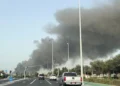
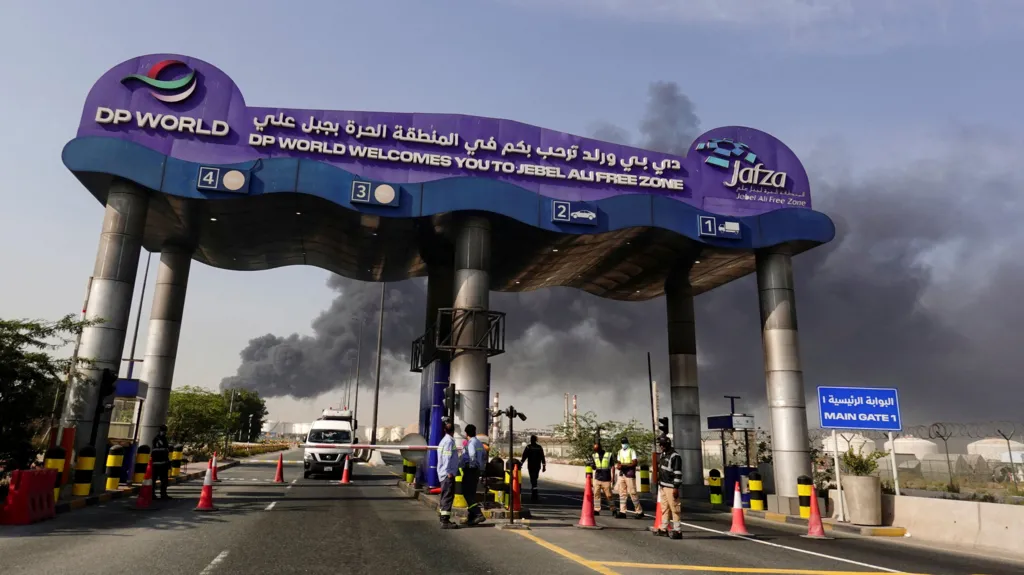
In recent days, Iran’s barrage of aerial assaults — part of a broader regional escalation — crossed into Gulf states including the UAE, where major aviation hubs, luxury districts and transport corridors have been affected. Dubai International Airport and Jebel Ali port both sustained damage from debris after missiles were intercepted overhead, and fires broke out near the Fairmont hotel on Palm Jumeirah and around the iconic Burj Al Arab hotel.
For residents, the scale and intensity of the attacks have produced a sense of surreal unease. One local described Dubai’s streets as “eerie” because scenes felt unlike the bustling normality the city is known for, with many opting to stay indoors amid intermittent explosions and air-raid alerts. The contrast between the daily rhythm of luxury and leisure and the sudden intrusion of conflict has been jarring for many, especially expatriates and visitors unaccustomed to warfare reaching their corner of the Gulf.
Eyewitness accounts report loud booms in the sky as air-defence systems engaged incoming projectiles, with debris from interceptions falling in urban areas and jolting residents awake. Some described initially mistaking explosions for fireworks before realising the severity of the situation as blasts echoed through downtown districts.
Dubai’s response has combined immediate emergency measures with efforts to maintain confidence. Authorities have urged the public to remain calm and emphasised the effectiveness of defence systems, while also managing visible damage at key sites. The government has advised remote working and restricted movement near certain areas as part of public safety measures, and urged caution in sharing unverified footage on social media as rumours and panic circulate online.
Despite official reassurances, many residents report anxiety and apprehension. Some have sought shelter in basements or reinforced parts of their homes as loud interception blasts continue to punctuate daily life, and others have paused travel or reconsidered plans to remain in the emirate amid uncertainty over further strikes.
The psychological impact is palpable in ordinary routines — quietened roads, closed businesses in residential areas, and lines outside supermarkets as people stock up on essentials. Conversations among locals and expatriates alike often return to the same theme: the disconnect between Dubai’s usual image of stability and the current reality of being swept up in a wider regional confrontation.

Regional leaders, including those in the UAE, have condemned the attacks and emphasised their commitment to national defence, while continuing diplomatic efforts to prevent further escalation. But for now, the streets of Dubai — a global hub of tourism, commerce and expatriate life — reflect a city grappling with the eerie intrusion of conflict into what had been perceived as a safe haven.
Related News:
 US Partially Evacuates Beirut Embassy Amid Rising Iran Tensions
 Israel and Hezbollah Exchange Fire as Conflict Worsens
 Iran’s Regime Still Intact — Coming Days Will Test Its Survival
 Allies of US in the Gulf Bear Brunt of Iran Attacks
 Hopes and Fears as US Iranians Take to Streets After Toppling of Supreme Leader
 Retaliations Continue on Day Two of US-Israel Attacks on Iran
 At Least 153 Dead After Reported Strike on School, Iran Says
 At Least 153 Dead After Reported Strike on School, Iran Says
 Police Assessing Stansted Airport Private Flights Over Epstein Ties
 US Urges Iran to Make Deal as Military Presence Rises
 Trump’s Foreign Policy Dilemma Laid Bare by Iran Tensions
 Hamas Holds Vote to Choose New Interim Leader, Source Tells BBC
 Ukraine Negotiator Reveals What It Feels Like Facing Russia
 Mandelson Arrested Amid Political Turmoil as Ukraine Marks Four Years of Conflict
 Inside Kyiv’s resolve as conflict nears five‑year mark
 What to Watch for During Trump’s State of the Union Address
 ‘Anyone who runs is shot’: Russian soldiers describe killings of troops who refuse orders
 Ukraine remembers its dead as war enters a fifth year
 Middle East Flights Halted After Iran Strikes
 Kinnock’s Rebuke Echoes Loudly as Corbyn Allies Launch Left-Wing Breakaway: “A Gift to Farage”
 UK and Norway Forge Stronger Ties Through Joint Sanctions and Enhanced Defence Cooperation
 Trump Administration Dismisses 17 Immigration Judges, Sparking Debate Over Judicial Independence
 UK Must Act with Courage and Clarity on Israel-Palestine Conflict, Says Foreign Affairs Committee Report
 Trump Threatens 100% Tariff on Nations Importing Russian Oil Amid India Standoff Over Ukraine War
 Radioactive Leak at UK’s Nuclear Warhead Base Sparks Outcry Over Safety and Secrecy
 Mutual Inconvenience: Why Alaska Was Chosen for the Trump-Putin Summit on Ukraine
 Hong Kong Summons UK and Australian Envoys Following Asylum Grants to Democracy Activists
 Is the UK Ready to Put Boots on the Ground in Ukraine? Assessing Military Capacity and Challenges
 Conservative Influencer Charlie Kirk Fatally Shot During University Debate
 Channel Crossings Surge: Over 1,000 People Arrive in the UK in Small Boats in a Single Day
 Widow of Charlie Kirk Forgives Killer at Emotional Memorial Service
 Yvette Cooper Signals Global Momentum Towards Gaza Peace Deal Amid Humanitarian Crisis
 Public Trust in SNP Hits Historic Low Amid NHS Concerns
 Johnson Suggests Mandelson Linked to China Spy Controversy
 Rachel Reeves signals welfare reform ahead of key budget
 Russia’s Latest Push to Win US Favors Shows Deep Desperation
 BBC to Apologise Over Edited Trump Speech Amid Backlash
 Britain deploys RAF specialists to assist Belgium with drone threats
 Trump Urges Herzog to Grant Netanyahu Full Pardon
 Indian authorities demolish Kashmir home linked to Red Fort blast
 Greene Pushes Epstein Files Amid Trump Fallout
 Trump Deploys DHS to Charlotte in Major Arrest Operation
 December Run-Off in Chile as Election Produces No Winner
 Canada Passes Carney’s First Budget in Tight Parliamentary Vote
 Shadow Fleet at Sea: Europe’s Battle Against Illicit Oil Shipping
 India’s COP30 Delay Raises Global Climate Concerns
 Georgians Defy Government Crackdown After Year of Protests
 Russia losses Ukraine war peace talks intensify amid rising deaths
 Albanese Opens Door to Bondi Royal Commission Amid Rising Pressure
 Trump Escalates Minnesota Immigration Surge Amid Rising Tensions
 Iran Protesters Defy Crackdown as Violent Clashes Intensify
 Trump Threatens Strong Action If Iran Executes Protesters
 Machado Trump medal gesture reshapes Venezuela power struggle
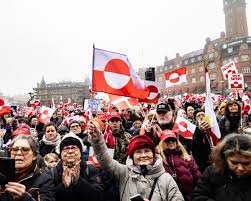 EU weighs response amid Greenland tariff crisis with Trump
 EU Says US Ties Have Suffered ‘Big Blow’ After Greenland Crisis
 Andrew Hastie Emerges as Leadership Rival to Ley
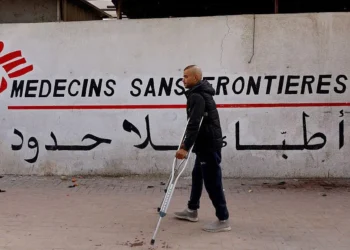 Israel Moves to Bar MSF From Gaza Operations
 After the Landslide: Can India Reset Ties with BNP Bangladesh?
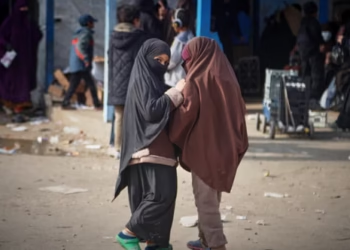 Australian Families Leave Syrian Camp for Home
 Starmer Weighs Fast-Tracking Defence Boost
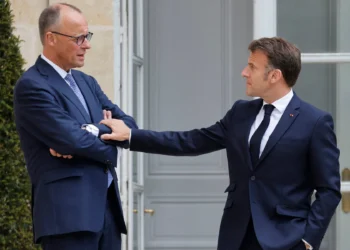 Macron Rebuked in Franco-German Defence Row
 Trump Attacks UK-California Energy Pact
 US Civil Rights Leader Jesse Jackson Dies Aged 84
 ‘I Would Scream in My Sleep’: Alawite Women from Syria Tell of Kidnap and Rape
 Iran Says ‘Guiding Principles’ Agreed With US at Nuclear Talks
 Snow and Rain Warnings as Cold Snap Continues in the UK
 Nine Arrested in France Over Death of Far‑Right Student
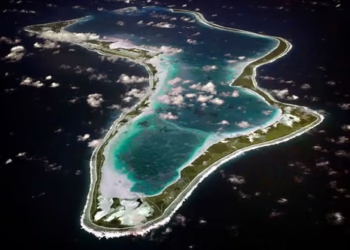 Trump and Chagos Deal Rift Over Iran Strikes
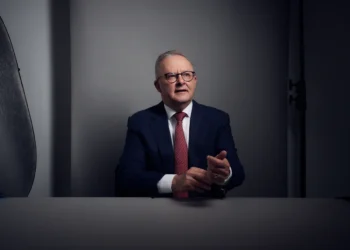 Andrew Arrest Sparks Republic Debate in Australia
 Epstein Eyed Record Label Investment to Access Women, Files Suggest
 Australian PM Says Former Prince Andrew Has Suffered ‘Extraordinary Fall’ but That Won’t Prompt Republic Referendum
 Global corruption crisis: Who Washington shields
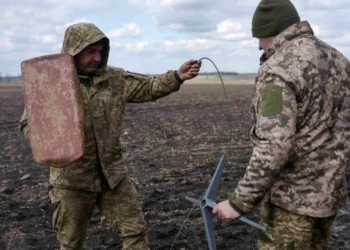 Musk Cuts Starlink Access for Russian Forces – Giving Ukraine an Edge at the Front
 Farage Chagos Islands Row Sparks Fury
 ‘We Pray for Peace’: Indian Filmmaker From Troubled State Who Won a BAFTA
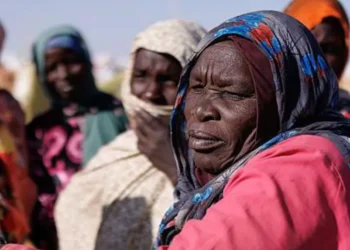 Chad Shuts Border With Sudan in Bid to Stop Conflict Spreading
 French Minister Moves to Block US Envoy Kushner from Government Access
 Orbán Accuses Ukraine of Disrupting Oil Supplies to Hungary
 Has Europe truly learned from the failures of 2022?
 American Citizen Killed in Cuba Boat Shooting, U.S. Officials Say