Published: 2 March 2026
The English Chronicle Desk
The English Chronicle Online
Governments and security analysts are raising alarm as kidnappings of foreigners in Africa’s vast Sahel region continue to increase, a symptom of deepening lawlessness driven by insurgency, criminal networks and fragile states. From militants abducting aid workers and tourists to violent extremist groups seeking ransom or leverage, the trend reflects the widening security vacuum that has made parts of the Sahel among the world’s most dangerous for outsiders.

The Sahel — a semi‑arid belt stretching from Senegal across Mali, Burkina Faso and Niger to Chad — has been destabilised for years by the rise of Islamist militant groups such as Jama’at Nusrat al‑Islam wal‑Muslimeen (JNIM) and the Islamic State – Sahel Province (ISSP). These organisations exploit weak governance and porous borders to carry out attacks, expand territorial control and finance their operations through kidnapping for ransom. Recent analysis shows that foreign hostages were a prominent target in the early years of this phenomenon, making the abduction of Westerners and other non‑locals a lucrative and attention‑grabbing tactic.
One notable recent case involved the abduction of Austrian development worker Eva Gretzmacher and Swiss national Claudia Abbt in Niger, seized by armed men linked to extremist groups. The women were taken from their homes by gunmen who then transferred them to militant‑controlled areas, highlighting the peril faced by expatriates and aid personnel working or travelling in the region.
Analysts say that kidnapping has historically served both financial and strategic purposes for armed groups. Ransom payments have provided significant revenue, while abducting foreigners has helped militants gain international attention, extract concessions and intimidate governments. In the early 2000s, kidnappings of tourists and expatriates were high‑profile events with multimillion‑euro ransoms reportedly paid behind the scenes.
Although the focus of abductions has increasingly shifted toward local civilians, foreigners remain targets in areas where insurgents are consolidating influence or seeking revenue. Kidnapping as an illicit economy is intertwined with other criminal activities and insurgent tactics across West and Central Africa, where declining state presence and competition among armed actors have made travel outside urban centres perilous.
Security officials warn that the trend has broader consequences for regional stability and international engagement. Aid agencies have withdrawn staff or restricted operations in parts of the Sahel due to kidnapping threats, making it more difficult to deliver humanitarian assistance to vulnerable populations. Governments from outside Africa have issued travel advisories urging citizens to avoid non‑essential travel to Sahel countries, citing the risk of abduction and violent crime.
Efforts to counter the phenomenon have so far struggled to make sustained progress. Military coups, weak governance, and limited coordination among regional forces have hindered effective responses to armed groups, allowing kidnappings and other violent offences to flourish. This security landscape has led to calls for renewed international cooperation and support to strengthen local capacity and protect civilians and foreigners alike.

As kidnappings of foreigners continue to make headlines and deter travel and aid work, officials and observers underscore that the underlying instability in the Sahel requires long‑term political, economic and security strategies to reduce the incentive and ability of armed groups to abduct outsiders and expand their influence.
Related News:
 Northern Ireland Family of Three Shot Dead in Maguiresbridge Home Incident
 Seventeen Dead as Russia Targets Ukrainian Prison in Devastating Airstrike
 A Fugitive’s Double Life Uncovered: My Interview with Nicholas Rossi, Scotland’s Notorious Escapee Facing Utah Rape Trial
 Failed New Mexico Candidate Sentenced to 80 Years for Drive-By Shootings at Lawmakers’ Homes
 Madeleine McCann Case: German Woman at Centre of Hit-and-Run Theory Speaks Out
 Australian Mushroom Murderer Sentenced to Life in Prison
 UK Home Office to Launch French Beach Signage to Warn Asylum Seekers of Risks
Channel Crossings Surge: Over 1,000 People Arrive in the UK in Small Boats in a Single Day
UK Home Office to Launch French Beach Signage to Warn Asylum Seekers of Risks
Channel Crossings Surge: Over 1,000 People Arrive in the UK in Small Boats in a Single Day
 Jailed Georgian Opposition Leaders Warn UK of Iranian Links to Ruling Party
 Cooper Unveils £4m Cyber Plan Against Russian Hackers
 Kosovo agrees to host Britain’s refused asylum seekers
 UK Gamer Recruited by Wagner Group Found Guilty of Arson
 WW2 Pilot’s Long-Lost Crash Site Unearthed in Essex
 Trump Speaks on Prince Andrew’s Royal Scandal Fallout
 UK University Faces Counter-Terror Probe Over China Pressure
 Just Stop Oil Protesters Convicted Amid Climate Defence Row
 British Grandmother to Return Home After Death Sentence in Bali
 BBC’s Tim Davie to Address Staff Amid Trump $1bn Threat
 Ukraine-Russia war latest: Putin’s troops exploit bad weather to force Kyiv withdrawal from multiple towns
 New Epstein Files Spark Political Clash in Washington
 New review urges UK to repatriate Shamima Begum, others from Syria
 Newly released emails reveal Epstein kept close eye on Trump
 Oklahoma Governor Grants Last-Minute Clemency to Death Row Inmate
 US Pushes Global Effort to Stop Arms Flow to Sudan RSF Forces
 Israel Confirms Returned Hostage as Meny Godard
 Indian authorities demolish Kashmir home linked to Red Fort blast
 Greene Pushes Epstein Files Amid Trump Fallout
 Tragedy Strikes Indian Pilgrims in Saudi Bus Accident
 Deadly Russian Strikes Hit Western Ukraine, 20 Killed in Ternopil
 WhatsApp Messages Expose Nathan Gill’s Bribery
 Venezuela Threatens Nobel Winner Machado with Fugitive Status
 Trump Envoy to Discuss Ukraine Peace at Kremlin
 Twenty-Four Nigerian Schoolgirls Freed After Abduction
 Two National Guard Soldiers Critically Injured Near White House
 Southern Lebanon reels as Israeli strikes shatter communities
 Video shows Israeli troops kill Palestinians after surrender
 Rare shark attack kills woman, injures man at remote NSW beach
 American Mother Extradited From UK to U.S. on Murder Charges
 Thousands Flee Cambodia Scam Centres Amid Global Pressure
 Emails Show Epstein Funded Mandelson’s Husband After Jail
 Saif al-Islam Gaddafi Reportedly Killed in Libya Shooting
 SA Police Intensify Search in Gus Lamont Case
 Taylor Swift concert attack plot shocks Austria
 Five Young People Die in Spain Apartment Block Fire
 Lunar New Year 2026: Celebrations Around the World
 NSW kidnapping mistake sparks urgent appeal
 Suspect in Rhode Island Ice Hockey Shooting Killed Ex‑Wife and Son
 Nine Arrested in France Over Death of Far‑Right Student
 India Sentences Three Men to Death for Attack on Israeli Tourist and Hosts
 Eight Skiers Found Dead After California Avalanche
 South Korea’s Ex-President Faces Death Penalty in Insurrection Trial
 Desperate Hunt for Breakthrough in Nancy Guthrie Case Turns to Mexico
 How Much Could Andrew’s Arrest Hurt the Royal Family?
 Epstein Eyed Record Label Investment to Access Women, Files Suggest
 Epstein Files Could Be Just Tip of the Iceberg for Andrew Investigation
 Man Guilty of XL Bully Offence After Fatal Attack
 New Mexico Reopens Criminal Inquiry into Jeffrey Epstein’s Zorro Ranch
 Austrian Climber Found Guilty After Girlfriend Froze to Death on Mountain
 El Mencho Killed as Mexico Faces Violence
 ‘El Mencho’ Killed in Military Operation, Triggering Violence
 Violence Erupts in Mexico After Drug Lord El Mencho Killed
 Australian Prosecutors Consider Reopening British Girl’s Cold Case Disappearance
 Who Was El Mencho, Mexico’s Most Wanted Man?
 Conman Stole My Money and Bought His Wife a 10‑Carat Diamond Ring
 Chad Shuts Border With Sudan in Bid to Stop Conflict Spreading
 Mandelson Arrested Amid Political Turmoil as Ukraine Marks Four Years of Conflict
 What We Know About the Search for Savannah Guthrie’s Mother Nancy
 ‘I reported rape in Hong Kong, now I could face prison’
 Nick Reiner pleads not guilty to killing parents Rob and Michele
 Sydney kidnapping mystery deepens as grandfather’s remains found after mistaken abduction
 Owner Sentenced After Emaciated Dog Put Down
 Two Arrested After Woman Set on Fire in Revenge Attack
 Louvre Museum Director Resigns Months After High‑Profile Heist
 Threat of Further Violence Looms After Mexican Cartel Rampage
 Australians Arrested Over Alleged Murder of Grandfather Mistakenly Kidnapped
 Suitcase Murder US Man Freed and Deported After 11 Years
 ‘Fear Is Everywhere’: Reports From Mexican City Turned Into War Zone by Drug Cartel Feud
 US ‘Suitcase Murderer’ Deported From Bali After 11 Years in Jail
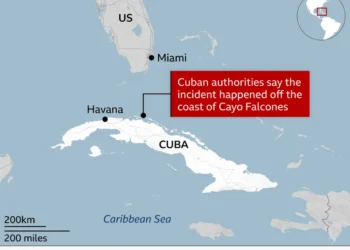 American Citizen Killed in Cuba Boat Shooting, U.S. Officials Say
 Epstein Tried to Buy a Palace in Morocco Days Before His 2019 Arrest