Published: March 3, 2026 . The English Chronicle Desk . The English Chronicle Online
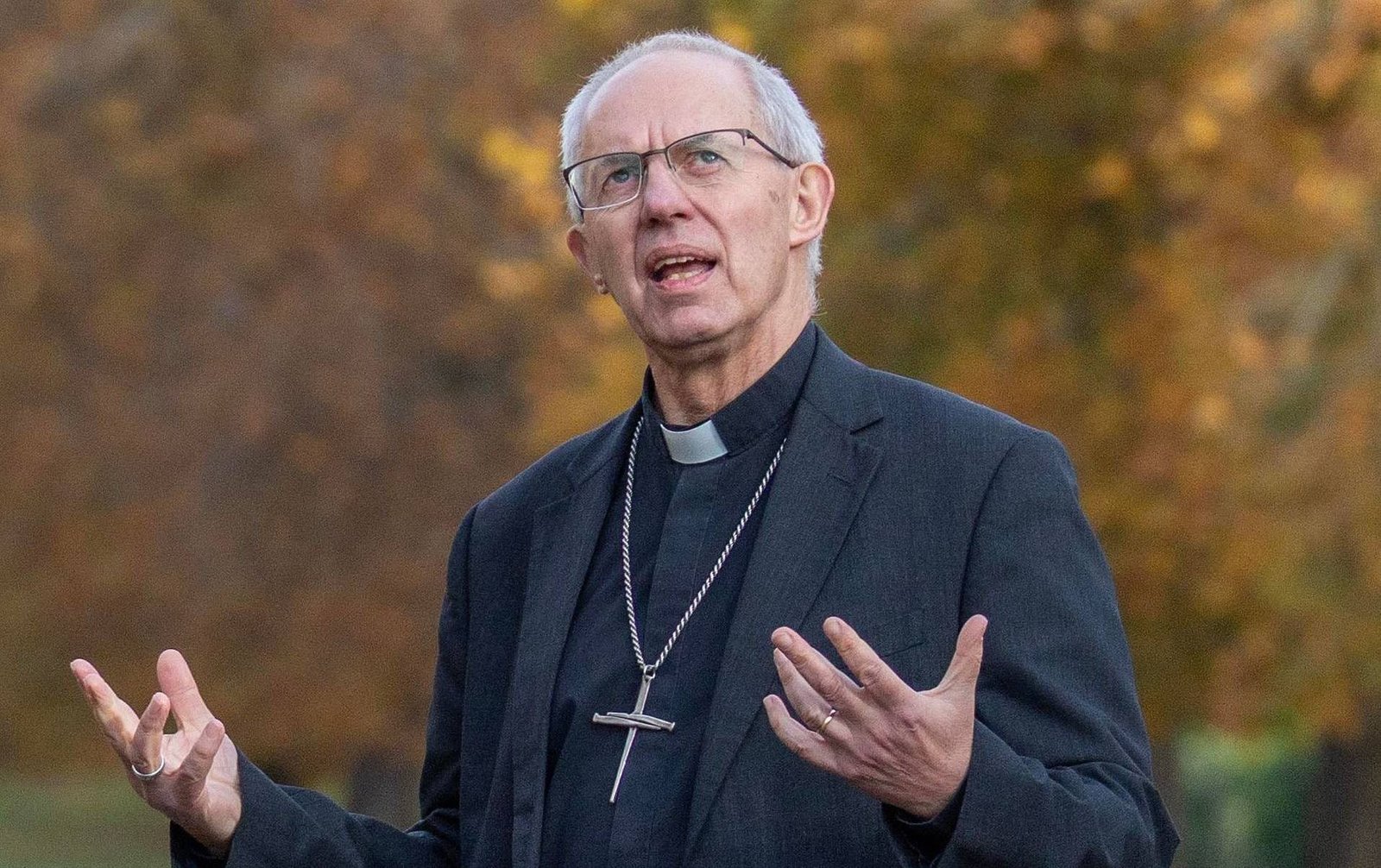
An opinion piece that has sparked intense debate asks a question resonating with many in an era of rising secularism and psychological openness: what does belief in God mean when even leading religious figures seek professional therapy? The article focuses on Justin Welby, the former Archbishop of Canterbury, and his admission that he has been in therapy in the wake of institutional crises within the Church of England — particularly its handling of abuse scandals. This candid disclosure has prompted public reflection on faith, doubt, human vulnerability and the evolving role of religion in personal wellbeing.

At the heart of the discussion is a cultural tension: historically, religious leaders have been viewed as pillars of spiritual certainty, offering moral guidance and explanations for suffering, meaning and human purpose. Critics argue that when such leaders turn to secular solutions like psychological counselling, it can undermine traditional notions of faith and divine reassurance. Detractors pose rhetorical questions about the relevance of religious belief if those most devoted to it still require professional help to navigate life’s emotional challenges.
Supporters of Welby’s openness counter that seeking therapy does not diminish faith but reflects a nuanced understanding of human experience. They note that mental health professionals and pastoral care address different aspects of human distress: therapy can help individuals process trauma, grief, anxiety and existential struggles, while religion can offer community, meaning and spiritual frameworks. In this view, combining psychological support with spiritual reflection can be seen as complementary rather than contradictory.
Psychologists studying religion underscore the complexity of faith and mental health. Research in the psychology of religion has documented how individuals often wrestle with uncertainty, existential questions and emotional distress, regardless of belief system. Many people seek therapy to make sense of their experiences — including religious experiences — without this necessarily reflecting a loss of faith in religious concepts themselves. In clinical settings, discussions about spirituality and belief can form part of the therapeutic process, helping individuals reconcile personal identity with their worldview.
For some believers, the modern shift toward greater acceptance of psychological care challenges traditional stereotypes that equate faith with emotional invulnerability. Clerics and theologians have pointed out that the Christian tradition itself contains many examples of figures who struggled with doubt, suffering and relational pain, yet found meaning in ongoing spiritual engagement. In this narrative, acknowledging struggle and seeking help can be part of a sincere spiritual journey rather than a rejection of divine presence.
Beyond individual psychology, the broader question touches on how contemporary society understands the interaction between religion and mental wellbeing. Some argue that a secular therapeutic culture has grown in prominence precisely because traditional religious institutions have struggled to address emotional needs in a rapidly changing world. Others maintain that religion still offers frameworks for meaning, community and moral grounding that are not easily replaced by clinical approaches.

The debate raises deeper questions about the nature of faith in a world where scientific understanding, psychological insight and cultural pluralism all shape how people seek answers to life’s challenges. Rather than concluding that faith is irrelevant, many observers suggest that open conversations about vulnerability — including those involving prominent religious leaders — can demystify both spirituality and mental health care, creating space for a more integrated approach to human flourishing
Related News:
 Burning a Quran Is Disorderly, High Court Told
 Anglican Divisions Deepen as Rebel Clerics Pick Rival to First Female Leader
 UK Must Act with Courage and Clarity on Israel-Palestine Conflict, Says Foreign Affairs Committee Report
 Northern Ireland Family of Three Shot Dead in Maguiresbridge Home Incident
 Tottenham Takes On Newcastle
 Gen Z Embraces the Big, Bold ‘Fake’ Indian Wedding Party Trend
 Radioactive Leak at UK’s Nuclear Warhead Base Sparks Outcry Over Safety and Secrecy
 Mutual Inconvenience: Why Alaska Was Chosen for the Trump-Putin Summit on Ukraine
 China’s crackdown on civil servant perks sparks economic concerns
 Terence Stamp, ’60s British Film Legend and Star of Superman, Dies at 87
 Hong Kong Summons UK and Australian Envoys Following Asylum Grants to Democracy Activists
 Is the UK Ready to Put Boots on the Ground in Ukraine? Assessing Military Capacity and Challenges
 Shein UK Faces Allegations of Shifting Majority of Profits to Singapore to Reduce UK Tax
 Channel Crossings Surge: Over 1,000 People Arrive in the UK in Small Boats in a Single Day
 Widow of Charlie Kirk Forgives Killer at Emotional Memorial Service
 Public Executions in Gaza City Captured on Video Amid Ongoing Conflict
 Macron Phones Trump Over Traffic Jam in New York
 Comey Indictment Deepens Fears of Political Retribution Under Trump
 Google at 27: The Untold Story of Ruth Kedar, the Woman Behind the Iconic Logo
 Yvette Cooper Signals Global Momentum Towards Gaza Peace Deal Amid Humanitarian Crisis
 “It Was Very Tough, But I Love Life”: Former Israeli Hostage Rebuilds Life After Family Killed by Hamas
 Chaos at Ibrox as Martin’s Rangers Era Comes to an End
 Nobel Prize Honours Pioneers Behind Materials That Could Heal the Planet
 Trump Claims Modi Has Agreed to Halt Russian Oil Imports Amid Heightened US Pressure
 Russia’s Latest Push to Win US Favors Shows Deep Desperation
 BBC to Apologise Over Edited Trump Speech Amid Backlash
 Britain deploys RAF specialists to assist Belgium with drone threats
 Trump Urges Herzog to Grant Netanyahu Full Pardon
 Indian authorities demolish Kashmir home linked to Red Fort blast
 Greene Pushes Epstein Files Amid Trump Fallout
 December Run-Off in Chile as Election Produces No Winner
 Zelenskyy Signs Fighter Jet Deal Amid Russian Drone Attacks
 Shadow Fleet at Sea: Europe’s Battle Against Illicit Oil Shipping
 Tiny Curacao Makes History as Smallest Nation to Reach World Cup
 India’s COP30 Delay Raises Global Climate Concerns
 US Suspends Afghan Immigration After White House Shooting
 Georgians Defy Government Crackdown After Year of Protests
 ‘Extinct’ Antelope Returns to Sahara, Bringing Hope
 Facebook Slow to Remove Bondi Attack Praise, Anti-Hate Group Claims
 Trump Weighs Response to Iran Crackdown as Tehran Says Communication Open With US
 US Clears Nvidia AI Chip Sales to China in Policy Shift
 Gulf states warn Trump Iran strikes risk wider Middle East war
 Sydney Shark Attack Surge Shocks Australia Beaches
 EU Says US Ties Have Suffered ‘Big Blow’ After Greenland Crisis
 Videos reveal earlier clash before Alex Pretti shooting
 UK New Car Discounts Near £6,000 as Prices Are Slashed
 Israel Moves to Bar MSF From Gaza Operations
 Portugal Election Delivers Socialist Win as Far Right Surges
 Australian Families Leave Syrian Camp for Home
 Starmer Weighs Fast-Tracking Defence Boost
 Japan’s Lost “Tigers” Were Actually Lions, Study Reveals
 ‘I Would Scream in My Sleep’: Alawite Women from Syria Tell of Kidnap and Rape
 Snow and Rain Warnings as Cold Snap Continues in the UK
 Nine Arrested in France Over Death of Far‑Right Student
 Indian University Kicked Out of AI Summit for Claiming Chinese Robot Dog as Its Own Invention
 Eight Skiers Found Dead After California Avalanche
 Andrew Arrest Sparks Republic Debate in Australia
 Epstein Eyed Record Label Investment to Access Women, Files Suggest
 How Do You Modernise Mango Farming? India’s Growers Urged to Innovate as Climate Change Hits
 Australian PM Says Former Prince Andrew Has Suffered ‘Extraordinary Fall’ but That Won’t Prompt Republic Referendum
 Musk Cuts Starlink Access for Russian Forces – Giving Ukraine an Edge at the Front
 Farage Chagos Islands Row Sparks Fury
 Storm Hernando: Edinburgh Airport Flights Cancelled in US Travel Chaos
 Ukraine Negotiator Reveals What It Feels Like Facing Russia
 Chad Shuts Border With Sudan in Bid to Stop Conflict Spreading
 French Minister Moves to Block US Envoy Kushner from Government Access
 Drugs, Denial, Stigma: Fiji’s HIV Crisis Hits Children
 ‘We’ve been paying for happy endings for Andrew for years’: inside the royal disgrace, biographer says
 Louvre Museum Director Resigns Months After High‑Profile Heist
‘I Wanted to Save Her Life’ — The Moment Twin Sisters Learned They Were Identical
Louvre Museum Director Resigns Months After High‑Profile Heist
‘I Wanted to Save Her Life’ — The Moment Twin Sisters Learned They Were Identical
 Bill Gates ‘Took Responsibility’ Over Epstein Ties in Staff Meeting, Foundation Says
 Orbán Accuses Ukraine of Disrupting Oil Supplies to Hungary
 Hilary Knight speaks out on Trump’s recent hockey remarks
 Has Europe truly learned from the failures of 2022?
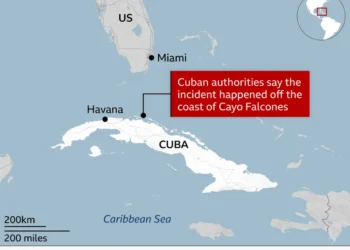 American Citizen Killed in Cuba Boat Shooting, U.S. Officials Say
 Iran’s Regime Still Intact — Coming Days Will Test Its Survival
 Kidnapping of Foreigners Soars in Africa’s Lawless Sahel Region
 In Maps: Strikes Across Iran and the Middle East
 The Third Day of the US‑Israeli War With Iran
 Brit ‘in Good Spirits’ Amid Dubai Missile Attacks, Stranded but Safe