Published: March 6, 2026
The English Chronicle Desk
The English Chronicle Online — delivering comprehensive, up‑to‑date global reporting.
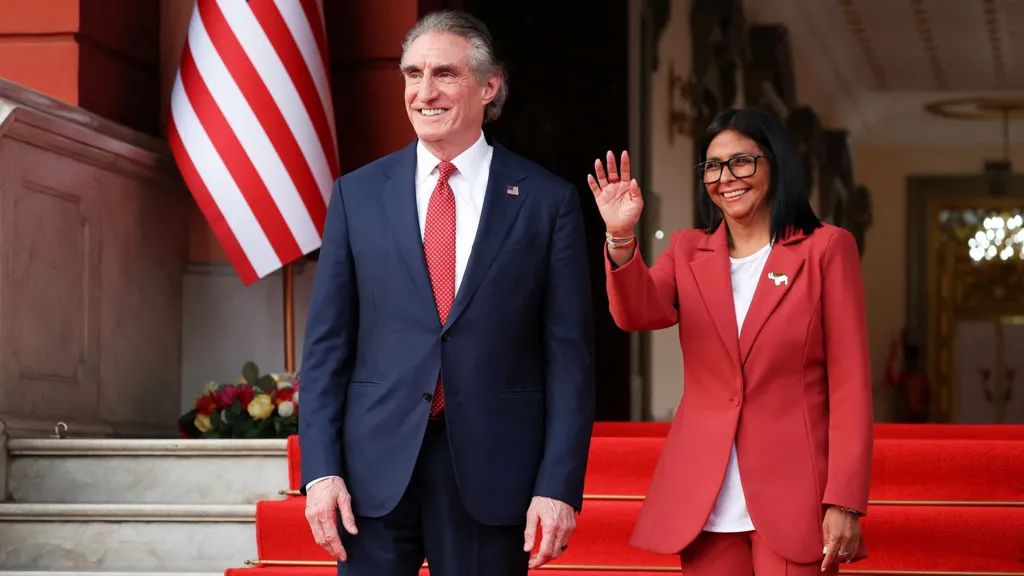
The United States and Venezuela have formally agreed to resume full diplomatic and consular relations, marking a major realignment in bilateral ties that had been severed for nearly seven years. The announcement, issued jointly by Washington and Caracas, comes in the wake of the US military capture of Venezuelan President Nicolás Maduro in January 2026 and the installation of interim President Delcy Rodríguez, signalling a significant shift in geopolitical dynamics across the Americas.

According to official statements, the re‑establishment of diplomatic channels is intended to support a phased process aimed at stabilising Venezuela’s political environment, promoting economic recovery, and laying groundwork for what both governments describe as a peaceful transition to democratically elected leadership. The US State Department said in a release that renewed engagement will help foster political reconciliation and “create the conditions for a peaceful transition to a democratically elected government.”
Relations between the United States and Venezuela were first broken in 2019 after then‑President Maduro cut ties following Washington’s decision to recognise opposition leader Juan Guaidó as interim president. The rupture led to the closure of embassies in Caracas and Washington and a long diplomatic freeze. The recent agreement ends that period of estrangement and marks the most significant diplomatic development between the two countries since that rupture.
The thaw has been unfolding gradually in recent months as interim Venezuelan authorities expressed willingness to rebuild ties with Washington. High‑level visits by US officials, including the Secretary of the Interior, underscored the shift in policy, as American delegations explored opportunities for cooperation in energy, mining, and other sectors. Reuters reports that both sides have already begun reopening diplomatic missions, with envoys confirmed on both sides following the February reopening of US consular operations in Caracas.
Venezuela’s interim government has framed the move as constructive and mutually beneficial, emphasising sovereign equality and cooperation between peoples of both nations. Venezuelan officials said they expect that restoring ties will strengthen mutual understanding, facilitate economic partnerships, and support efforts to address longstanding economic challenges faced by the oil‑rich nation.
The agreement also reflects broader strategic interests. The United States, a major consumer of Venezuelan oil and natural resources, has signalled interest in bolstering energy and mineral sector investment in the country, while Venezuelan authorities seek international engagement to reboot an economy that has endured years of crisis. Analysts view the diplomatic reset as a pivotal moment that could influence regional politics and economic relations across Latin America.

Despite the optimism surrounding the diplomatic breakthrough, questions remain about how the transition process will unfold, including the role of future elections and the pace of political reforms. Interim President Delcy Rodríguez’s administration faces domestic and international expectations to implement changes that reflect broader democratic participation, even as Washington pushes for stability and investment.
The resumption of diplomatic ties between the United States and Venezuela represents a deep shift in a historically adversarial relationship, emerging from a moment of major political upheaval following Maduro’s capture. The diplomatic reset underscores evolving geopolitical priorities and signals a new phase of engagement between the two nations.
Related News:
 Putin Intensifies Territorial Demands Before US Talks
 Trump to Recheck Green Cards from 19 Nations After DC Attack
 Russia losses Ukraine war peace talks intensify amid rising deaths
 Trump Escalates Minnesota Immigration Surge Amid Rising Tensions
 Trump: US Stands Ready to Help Iran Find Freedom Amid Widespread Unrest
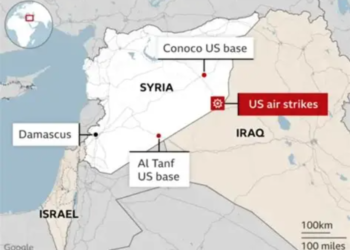 US Conducts Large-Scale Strikes Against ISIS Targets Across Syria
 Trump Says US Will Act on Greenland ‘Whether They Like It or Not’
 Trump Administration Probe of Fed’s Powell Draws Pushback
 Greenland Faces Pivotal Summit Over Arctic Power Struggle
 Trump Threatens Strong Action If Iran Executes Protesters
 Trump Receives Machado’s Nobel Medal in White House Meeting
 Greenland Crisis Forces Europe to Draw a Line With Trump
 Iran Cannot Be Bombed Into Democracy, Only Helped There
 Historic Abu Dhabi Talks Bring US, Ukraine and Russia Together
 Trump Pulls Canada from His Controversial ‘Board of Peace’ Plan
 EU Says US Ties Have Suffered ‘Big Blow’ After Greenland Crisis
 Thousands Protest ICE Operations in Nationwide US Day of Action
 Epstein Files Reveal Trump Officials’ Emails with Financier
 Thousands Protest ICE in New York Against Trump Deportation Campaign
 Trump Praises ‘Terrific’ Petro After White House Talks
 US Must Be Prudent When Supplying Arms to Taiwan, Xi Tells Trump
 Fears of New Arms Race as US-Russia Nuclear Weapons Treaty Expires
 New Nuclear Talks Between US and Iran Begin in Geneva
 ‘He Did It for Us’: US Soldier Recalls Jesse Jackson’s Efforts to Free Him and Two Other POWs
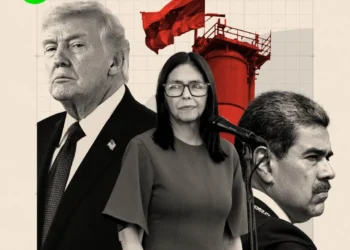 Under Pressure From Trump, Venezuela’s New President Has Aces Up Her Sleeve
 Stephen Colbert Says CBS Spiked Interview With Democrat Over FCC Fears
 US to Withdraw Troops from Syria
 US Urges Iran to Make Deal as Military Presence Rises
 Trump’s Foreign Policy Dilemma Laid Bare by Iran Tensions
 Billionaire Les Wexner Tells US Lawmakers He Was ‘Naive’ and ‘Conned’ by Epstein
 Inside Kyiv’s resolve as conflict nears five‑year mark
 What to Watch for During Trump’s State of the Union Address
 US Partially Evacuates Beirut Embassy Amid Rising Iran Tensions
 Clinton Testimony Erupts in Fiery Exchange
 American Citizen Killed in Cuba Boat Shooting, U.S. Officials Say
 Hillary Clinton Tells House Panel She ‘Had No Idea’ of Epstein’s Crimes
 Hopes and Fears as US Iranians Take to Streets After Toppling of Supreme Leader
 Iran, the US, and a World Cup That Starts in Three Months
 Britain’s Position and Trump Vows to Press On in Iran Conflict
 Trump Faces Questions Over Iran Conflict Plan
 Trump’s Iran Endgame Unclear After Mixed Messaging on War Aims
 Rubio Responds to Reported Strike on Iranian School
 US Senate Backs Trump War Powers Amid Iran Missile Barrage
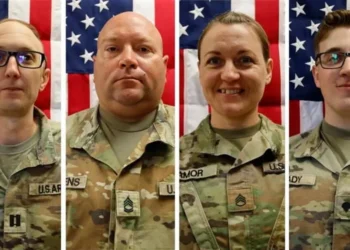 Six US Soldiers Killed in Iran-Linked Kuwait Strike
 US Senate Vote Fails to Rein in Trump War Powers on Iran
 Trump Removes Kristi Noem From Homeland Security Role
 UK Must Act with Courage and Clarity on Israel-Palestine Conflict, Says Foreign Affairs Committee Report
 Radioactive Leak at UK’s Nuclear Warhead Base Sparks Outcry Over Safety and Secrecy
 Hong Kong Summons UK and Australian Envoys Following Asylum Grants to Democracy Activists
 Is the UK Ready to Put Boots on the Ground in Ukraine? Assessing Military Capacity and Challenges
 Channel Crossings Surge: Over 1,000 People Arrive in the UK in Small Boats in a Single Day
 Widow of Charlie Kirk Forgives Killer at Emotional Memorial Service
 Yvette Cooper Signals Global Momentum Towards Gaza Peace Deal Amid Humanitarian Crisis
 Russia’s Latest Push to Win US Favors Shows Deep Desperation
 BBC to Apologise Over Edited Trump Speech Amid Backlash
 Britain deploys RAF specialists to assist Belgium with drone threats
 Trump Urges Herzog to Grant Netanyahu Full Pardon
 Indian authorities demolish Kashmir home linked to Red Fort blast
 Greene Pushes Epstein Files Amid Trump Fallout
 December Run-Off in Chile as Election Produces No Winner
 Canada Passes Carney’s First Budget in Tight Parliamentary Vote
 Shadow Fleet at Sea: Europe’s Battle Against Illicit Oil Shipping
 India’s COP30 Delay Raises Global Climate Concerns
 Georgians Defy Government Crackdown After Year of Protests
 Trump Weighs Response to Iran Crackdown as Tehran Says Communication Open With US
 US Clears Nvidia AI Chip Sales to China in Policy Shift
 ‘Trump Will Be Gone in Three Years,’ Top Democrats Tell Europe
 Australian Families Leave Syrian Camp for Home
 Starmer Weighs Fast-Tracking Defence Boost
 Nine Arrested in France Over Death of Far‑Right Student
 Australian PM Says Former Prince Andrew Has Suffered ‘Extraordinary Fall’ but That Won’t Prompt Republic Referendum
 Musk Cuts Starlink Access for Russian Forces – Giving Ukraine an Edge at the Front
 Farage Chagos Islands Row Sparks Fury
 Ukraine Negotiator Reveals What It Feels Like Facing Russia
 Chad Shuts Border With Sudan in Bid to Stop Conflict Spreading
 French Minister Moves to Block US Envoy Kushner from Government Access
 Bill Gates ‘Took Responsibility’ Over Epstein Ties in Staff Meeting, Foundation Says
 Has Europe truly learned from the failures of 2022?
 Iran’s Regime Still Intact — Coming Days Will Test Its Survival
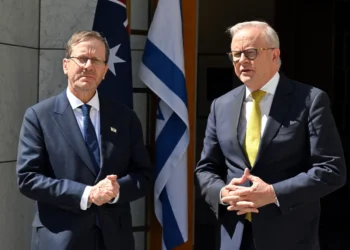 Herzog Asio meeting sparks security storm