Monday, March 9, 2026
  • About Us
  • Advertise
  • Privacy & Policy
  • Team
  • Contact
The English Chronicle
Advertisement
  • Home
  • Business & Economy
  • Politics
  • Entertainment
  • Sports
  • Science & Technology
  • UK News
  • World News
  • Health
No Result
View All Result
  • Home
  • Business & Economy
  • Politics
  • Entertainment
  • Sports
  • Science & Technology
  • UK News
  • World News
  • Health
No Result
View All Result
The English Chronicle
No Result
View All Result

Benefits Cut for Mother and Baby Home Survivors

20 hours ago
in Human Rights, Investigative Stories, Politics, UK News
Benefits Cut for Mother and Baby Home Survivors
0
SHARES
13
VIEWS
Share on FacebookShare on Twitter

Published: 08 March 2026. The English Chronicle Desk. The English Chronicle Online.

Survivors of Ireland’s mother and baby homes living in Britain are beginning to lose benefits after accepting compensation payments. Campaigners say the situation risks punishing thousands who already endured decades of trauma and injustice. The payments come from an Irish government redress scheme designed to acknowledge historical abuse. However, British welfare rules classify these compensation payments as savings. As a result, recipients may lose access to vital means-tested benefits in the United Kingdom.

Advocates for survivors have now urged the British government to intervene urgently. They want Prime Minister Keir Starmer to support proposed legislation known as Philomena’s Law. Supporters say the measure would protect survivors from losing welfare support after receiving compensation. Without legal protection, thousands living in Britain could face financial hardship despite receiving redress payments. Campaigners argue that the payments were meant as recognition of suffering rather than income.

The controversy has emerged as local councils in Britain begin contacting survivors who accepted compensation. Letters sent to recipients warn that certain benefits could be reduced or withdrawn entirely. These benefits include universal credit, housing support, and pension credit for older claimants. Many survivors rely heavily on this financial assistance for everyday living costs. Losing those payments could leave some people struggling to pay rent or basic expenses.

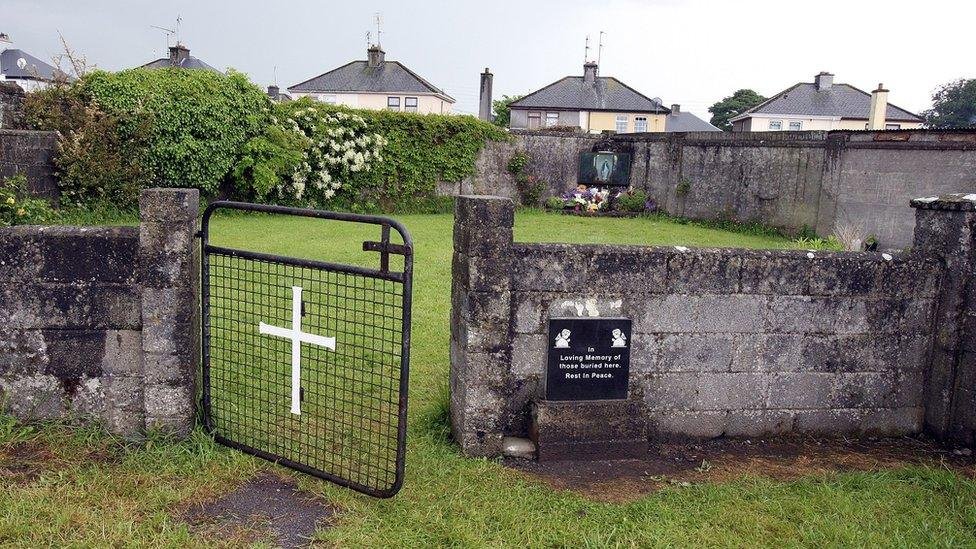
The compensation scheme in Ireland was created following years of public pressure and investigation. A major inquiry examined conditions inside institutions known as mother and baby homes. These facilities operated across Ireland for most of the twentieth century. Many were run by religious organisations, often by Catholic orders of nuns. Women who became pregnant outside marriage were frequently placed in these institutions.

Inside the homes, women often faced strict discipline, forced labour, and separation from their children. Many mothers were compelled to perform domestic work without pay for long periods. Babies born in the institutions were commonly placed into adoption or foster care arrangements. Survivors have described emotional trauma caused by separation from their children. The system reflected harsh social attitudes toward unmarried mothers in earlier decades.

A comprehensive report published in 2021 revealed disturbing details about the institutions. The investigation documented the experiences of approximately fifty-six thousand women who lived in these homes. It also identified more than fifty-seven thousand children who were born or placed there. Researchers found evidence of neglect, harsh treatment, and inadequate living conditions. The report also recorded a shockingly high number of infant deaths.

The inquiry concluded that many mothers and children suffered serious hardship inside these institutions. Survivors reported experiences of cruelty, emotional abuse, and long-term psychological harm. Many mothers spent years searching for children they had been forced to surrender. In some cases families were separated permanently without clear records of adoption arrangements. The revelations triggered public outrage and demands for accountability.

In response to the inquiry’s findings, the Irish government introduced a financial redress programme. The Mother and Baby Institutions Payment Scheme began distributing compensation payments in 2024. Payments vary significantly depending on the time individuals spent inside the institutions. Some survivors may receive amounts as small as five thousand euros. Others could receive payments exceeding one hundred twenty thousand euros.

Although the scheme aimed to provide recognition and financial support, unintended consequences have now emerged. In Britain, means-tested welfare benefits depend heavily on personal savings and financial assets. Compensation payments therefore count as savings under current welfare regulations. When those savings exceed certain thresholds, claimants can lose eligibility for support. This rule has created serious concern among survivors living in the United Kingdom.

Campaigners estimate that as many as thirteen thousand survivors in Britain could be affected. Many survivors are now elderly and rely on benefits to maintain financial stability. Accepting compensation might place them above savings limits used by welfare authorities. That change could reduce or eliminate essential support payments. Critics say the system unintentionally punishes people receiving justice for historical abuse.

Some survivors have therefore refused compensation despite their eligibility for redress. They fear that accepting payments could jeopardise benefits supporting housing or daily expenses. In many cases, individuals have waited decades for acknowledgement of their experiences. Yet the financial consequences have forced difficult choices between justice and financial security. Campaigners argue this dilemma should never confront victims of institutional abuse.

One survivor in her late seventies described the emotional conflict created by the policy. As a young woman she lived in a mother and baby home run by religious authorities. During her time there she experienced both physical punishment and psychological mistreatment. When the Irish government confirmed her eligibility for compensation she initially felt relief. She believed the payment symbolised recognition of the injustice she had endured.

The woman also hoped to use the money for a deeply personal reason. Through family tracing research she recently discovered a previously unknown half-brother living in the United States. The discovery came decades after their separation during childhood. She dreamed of travelling to meet him and reconnect with lost family. For her, the compensation payment represented a chance to rebuild broken relationships.

However, that hope has now been overshadowed by financial uncertainty. If she accepts the compensation, she risks losing pension credit and housing benefit support. Those payments help cover rent and everyday expenses during retirement. Without them she fears she would struggle financially despite receiving compensation. Faced with this situation, she now questions whether accepting the payment is possible.

She described the emotional burden created by the decision facing many survivors. The compensation was intended as an apology for the suffering experienced in the institutions. Instead, she feels it has become a new source of anxiety and pressure. According to her account, the payment now feels like a burden rather than recognition. Campaigners say many survivors share similar feelings.

Supporters of reform believe Philomena’s Law could solve the problem. The proposed legislation would ensure compensation payments remain protected from welfare calculations. Under the proposal, the funds would not count as savings affecting benefits eligibility. Survivors could therefore receive compensation without risking financial support. Campaigners argue such protection reflects fairness and compassion.

The bill was introduced in Parliament by Labour Member of Parliament Liam Conlon. It is scheduled for a second reading later this month. However, supporters fear the legislation may struggle to gain parliamentary time before the current session ends. They therefore urge the government to formally support the bill’s passage. Without official backing, campaigners worry the measure could stall indefinitely.

Conlon has argued that the issue highlights limitations within existing government policies. Welfare rules often apply broad financial criteria without considering individual circumstances. According to him, this case shows how such rules can overlook human realities. Thousands of survivors living in Britain remain affected by decisions made decades earlier. He believes legislation must reflect the full human impact of those experiences.

The proposed law takes its name from Philomena Lee, whose story gained international attention. Lee spent years searching for the son taken from her in a mother and baby home. Her experience later inspired the film “Philomena”, which starred Judi Dench and Steve Coogan. The film brought widespread awareness to the history of Ireland’s institutions. Many survivors say Lee’s story reflects their own experiences.

Several public figures have now joined calls supporting the proposed legislation. Actor Steve Coogan, who helped bring Lee’s story to cinema audiences, signed an open letter. Television actor Siobhán McSweeney also joined campaigners urging government action. Other signatories include comedian Dara Ó Briain and broadcaster Emma Dabiri. Together they argue that compensation should never create additional hardship for survivors.

The open letter addressed both British and Irish governments directly. It calls for urgent action to ensure survivors receive justice without financial penalty. Supporters say the reform would represent a practical and compassionate solution. They believe protecting compensation payments would significantly improve survivors’ lives. For many people affected, time is also an important factor.

Advocates warn that many survivors are now elderly and facing declining health. Some individuals have already died while waiting for compensation decisions or legislative change. Campaigners fear others may lose the chance to benefit from redress entirely. They argue that governments must act quickly to prevent further injustice. Delays could mean survivors never receive recognition during their lifetimes.

Officials from the Department for Work and Pensions say the issue remains under review. Government representatives confirmed that ministers are assessing the impact of the compensation payments. They acknowledged the importance of understanding how welfare rules affect survivors. A spokesperson said further updates would be provided once that review process concludes. Campaigners hope those discussions will lead to meaningful legislative change.

For now, survivors living in Britain continue facing uncertainty about their financial future. Many waited decades for recognition of the suffering experienced in Ireland’s institutions. The compensation programme represented a long-overdue step toward justice and reconciliation. Yet the consequences within Britain’s welfare system threaten to undermine that progress. Campaigners believe Philomena’s Law could restore fairness and dignity to those affected.

The debate highlights the enduring impact of historical injustices on modern lives. Survivors carry memories of institutions that shaped their childhood and family relationships. Governments now face the challenge of ensuring redress programmes provide real support. Whether Britain adopts legal protections may determine how survivors experience justice. For thousands of people, the outcome could shape the final chapter of their long search for recognition.

Related News:

Palestine Hunger StrikePro-Palestine Prisoners Temporarily End Hunger Strike Amid Health Fears Britain demands Israel reverse ban on aid groupsBritain Demands Israel Reverse Ban on Aid Groups royal apologyCalls Grow for King Charles to Apologise for Crown’s Role in Slavery Emails Show Epstein Funded Mandelson’s Husband After JailEmails Show Epstein Funded Mandelson’s Husband After Jail Labour Attacks Reform Candidate Over Tommy Robinson BackingLabour Attacks Reform Candidate Over Tommy Robinson Backing UK Must Act with Courage and Clarity on Israel-Palestine Conflict, Says Foreign Affairs Committee Report Chancellor Faces Mounting Pressure Amid “Impossible Trilemma” Over Tax RisesChancellor Faces Mounting Pressure Amid “Impossible Trilemma” Over Tax Rises Radioactive Leak at UK’s Nuclear Warhead Base Sparks Outcry Over Safety and SecrecyRadioactive Leak at UK’s Nuclear Warhead Base Sparks Outcry Over Safety and Secrecy Mutual Inconvenience: Why Alaska Was Chosen for the Trump-Putin Summit on UkraineMutual Inconvenience: Why Alaska Was Chosen for the Trump-Putin Summit on Ukraine UK Government Expands ‘Deport Now, Appeal Later’ Policy to 23 CountriesUK Government Expands ‘Deport Now, Appeal Later’ Policy to 23 Countries Rachel Reeves Signals Tax Rises, Spending Cuts AheadChancellor Rachel Reeves Pushes for Sweeping Changes to Environmental Protections to Accelerate Development Larger Families Could Gain Thousands if Labour Ends Two-Child Benefit CapLarger Families Could Gain Thousands if Labour Ends Two-Child Benefit Cap Is the UK Ready to Put Boots on the Ground in Ukraine? Assessing Military Capacity and ChallengesIs the UK Ready to Put Boots on the Ground in Ukraine? Assessing Military Capacity and Challenges Legal experts warn Met is using outdated powers to restrict pro-Palestine protests despite court ruling.Palestine Action Ban Protesters Plan Tactic to Overwhelm Police at Next London Demonstration Police Scotland Spends £500,000 Compensating Officers Over Trump VisitPolice Scotland Spends £500,000 Compensating Officers Over Trump Visit Britain’s Migration Challenge: Rising Asylum Numbers and Hotel PressuresBritain’s Migration Challenge: Rising Asylum Numbers and Hotel Pressures Elon Musk Sparks New Controversy by Backing Tommy Robinson Amid Farage FeudElon Musk Sparks New Controversy by Backing Tommy Robinson Amid Farage Feud Urgent Action Needed on Windrush Compensation as Survivors Speak of “Waiting to Die”Urgent Action Needed on Windrush Compensation as Survivors Speak of “Waiting to Die” Tanni Grey-Thompson Faces Abuse Over Opposition to Assisted Dying BillTanni Grey-Thompson Faces Abuse Over Opposition to Assisted Dying Bill TfL Invites RMT to Resume Talks as London Tube Strikes EndTfL Invites RMT to Resume Talks as London Tube Strikes End UK Recognises State of Palestine in Push to Preserve Hope for PeaceUK Rejoining EU ‘Unlikely in My Lifetime,’ Says Starmer’s Europe Reset Negotiator Corbyn and Sultana Gear Up for New Party Membership Launch Amid Lingering TensionsZarah Sultana Seeks Legal Action After Bitter Clash with Jeremy Corbyn Over Party Membership Funds Nigel Farage Unveils Controversial Immigration and Welfare Plans at Reform UK Press Conference Shabana Mahmood Criticises Nigel Farage Over ‘Dog-Whistle’ Politics Amid Rising Racism ConcernsMahmood Pledges Reform of Modern Slavery Laws After Court Blocks Deportation Appeal Ed Miliband Warns UK Government on X, Citing Elon Musk as a “Dangerous Influence”Ed Miliband Warns UK Government on X, Citing Elon Musk as a “Dangerous Influence” Ed Miliband Urges Labour to Confront Billionaire-Backed Opposition to Net Zero GoalsEd Miliband Urges Labour to Confront Billionaire-Backed Opposition to Net Zero Goals Digital ID Plans Ignite Debate Over £600m Treasury Tax Boost and Privacy ConcernsDigital ID Plans Ignite Debate Over £600m Treasury Tax Boost and Privacy Concerns Kemi Badenoch Unveils ‘Golden Rule’ to Halve Spending Cuts for Deficit Reduction at Tory ConferenceKemi Badenoch Unveils ‘Golden Rule’ to Halve Spending Cuts for Deficit Reduction at Tory Conference Swinney cites 2011 precedent to push for indyref2Public Trust in SNP Hits Historic Low Amid NHS Concerns Johnson Suggests Mandelson Linked to China Spy Controversy UK deploys border officers to Balkans to tackle migrant smugglingUK border officers deployed to Balkans to tackle migrant smuggling Ministry of Justice fails to file £11bn in spending receiptsMinistry of Justice fails to file £11bn in spending receipts UK MPs warn of repeat riots over online misinformationUK MPs warn of repeat riots over online misinformation Rachel Reeves Faces Pressure to Break Tax Pledge in BudgetRachel Reeves signals welfare reform ahead of key budget Reform UK candidate fined £19,000 after using AI-generated cases to challenge electionReform UK candidate fined £19,000 after using AI-generated cases to challenge election William Steps Up Over Prince Andrew Palace ResponseWilliam Steps Up Over Prince Andrew Palace Response Army Barracks to House Migrants as Hotels Phase OutArmy Barracks to House Migrants as Hotels Phase Out Green Party Surges Past Labour in Latest UK PollGreen Party Surges Past Labour in Latest UK Poll Trump Rebukes Starmer Over Iran Strike SupportTrump’s UK Ambassador Urges North Sea Drilling to Strengthen US Ties French Taxi Driver Cleared in David Lammy Theft Case After Fare DisputeFrench Taxi Driver Cleared in David Lammy Theft Case After Fare Dispute Millionaires group urge Reeves to introduce wealth tax to ‘lift kids of out poverty’Millionaires group urge Reeves to introduce wealth tax to ‘lift kids out of poverty’ Starmer will fight attempts to replace him, allies sayStarmer Faces Growing Dissent as Labour MPs Weigh Leadership Challenge Reeves rejects £1bn plea for NHS redundancy payoutsReeves rejects £1bn plea for NHS redundancy payouts PM Condemns Leaks, Vows Loyalty to Ministers and StabilityPM Condemns Leaks, Vows Loyalty to Ministers and Stability Major Rent Reform Ends No-Fault Evictions in EnglandMajor Rent Reform Ends No-Fault Evictions in England Most Tories Expect to Support a Farage-Led GovernmentMost Tories Expect to Support a Farage-Led Government Starmer Says Labour’s Economic Plan Needs Years to DeliverStarmer Says Labour’s Economic Plan Needs Years to Deliver England delays four mayoral elections amid criticismEngland delays four mayoral elections amid criticism Reform Candidate Sparks Fury Over Loyalty CommentsReform Candidate Sparks Fury Over Loyalty Comments Right Must Unite After Jenrick Defection, Urges Rees-MoggRight Must Unite After Jenrick Defection, Urges Rees-Mogg AI financial risksUK Ministers Drop Foreign Student Targets for Global Education Push warm homes planNo Gas Boiler Ban as UK Warm Homes Plan Backs Heat Pumps political violenceShinzo Abe’s killer receives life sentence in Japan police response timesPolice response times face strict new national limits policing overhaulLabour policing overhaul sparks fears over growing central control toxic division politicsStarmer warns of toxic division politics in Reform challenge Palantir contractsPalantir contracts face UK halt calls over transparency Diane Abbott slams applause for Keir StarmerDiane Abbott Slams Applause for Keir Starmer as PM Vows to Stay On After Mandelson-Epstein Row cabinet secretaryCabinet Secretary Shake-Up Triggers Due Diligence Warning Manchester model for UK growthCould Manchester Lead the UK’s Economic Revival? Starmer Weighs Fast-Tracking Defence Boost Reform ChancellorFarage to Name Jenrick as Reform Chancellor Pick civil service payCivil Service Pay: Union Urges Ministers to End ‘Barking Mad’ Limits Antonia Romeo appointmentAntonia Romeo appointment sparks criticism Albanese on Prince Andrew arrest republic referendumAustralian PM Says Former Prince Andrew Has Suffered ‘Extraordinary Fall’ but That Won’t Prompt Republic Referendum Farage Chagos IslandsFarage Chagos Islands Row Sparks Fury Lord Mandelson bail misconductLord Mandelson Released on Bail After Arrest on Suspicion of Misconduct in Public Office Reform UK repealReform UK targets workers’ rights repeal Russian tradeRussian Trade Routed Through British Islands Exposed Mandelson arrestMandelson Arrest: Met Apologises to Hoyle Default ThumbnailNo 10 Will Have No Say on Which Mandelson Papers Are Released Lyra McKee graffiti billboardCalls Grow to Remove Billboard Following Lyra McKee Graffiti Nepal Gen Z protests electionNepal Holds First General Election Since Gen Z Protests Toppled Government BBC charter reformBBC Charter Reform Sparks Independence Battle depleted weapons stockpiles Iran conflictHow Depleted Weapons Stockpiles Could Affect the Iran Conflict Labour MP partner arrested spying ChinaLabour MP’s Partner Arrested on Suspicion of Spying for China Police Scotland £8m compensation payoutPolice Scotland Pays £8m Compensation to Staff take out Iranian drones UKMinister Meets Crews Who Will ‘Take Out’ Iranian Drones Thousands Protest Iran Strikes Outside US Embassy LondonThousands Protest Iran Strikes Outside US Embassy London US Bombers Arrive at RAF Base Amid Rising Iran Tensions Published: 08 March 2026. The English Chronicle Desk. The English Chronicle Online. Four United States strategic bombers have arrived at a Royal Air Force base in Britain as tensions with Iran escalate across the Middle East. The deployment signals growing military coordination between Washington and London during a rapidly developing regional conflict. British defence officials confirmed the aircraft will conduct defensive missions aimed at preventing Iranian missile attacks across the region. The move follows warnings from American leaders that military strikes against Iranian targets may intensify significantly in the coming days. The aircraft involved in the deployment are B-1 Lancer bombers, large supersonic aircraft designed for long-range strike missions. Each bomber measures approximately forty-five metres in length and can carry up to twenty-four cruise missiles. Their arrival at RAF Fairford in Gloucestershire occurred over two days during the weekend. One aircraft landed on Friday evening while three additional bombers arrived on Saturday morning. British officials confirmed that the deployment followed approval from Prime Minister Keir Starmer earlier this week. According to the Ministry of Defence, the aircraft will carry out what officials describe as specific defensive operations. These missions are intended to prevent Iran from launching missiles toward allied countries across the Middle East. Defence officials emphasised that the operations focus on protection rather than expanded offensive campaigns. However, the arrival of such powerful aircraft demonstrates the seriousness of the current security situation. Military planners expect the bombers to remain ready for action as tensions continue rising throughout the region. The deployment also reflects growing warnings from Washington about an escalation of military activity. American defence leaders recently announced that operations against Iranian targets could increase rapidly. Officials in the United States said additional aircraft, fighter squadrons, and defensive capabilities would soon be deployed. These preparations suggest that military pressure on Iran may intensify within a short period. The arrival of bombers in Britain forms part of that broader strategic preparation. Britain’s Chief of the Defence Staff, Admiral Sir Richard Knighton, confirmed that operational missions may begin soon. Speaking about the situation, Knighton said the United States could launch missions from RAF Fairford within days. Military personnel at the base have already begun preparing logistical support and operational planning. Aircraft crews are expected to coordinate closely with American and British defence authorities. Such preparations highlight the strategic role Britain plays within wider allied security operations. The decision to permit American operations from British bases followed intense discussions inside the British government. Prime Minister Starmer authorised defensive military action from RAF Fairford and the Diego Garcia base. Diego Garcia lies in the Indian Ocean and remains one of the most strategically important military facilities. Both locations provide critical support for long-range aircraft operating across the Middle East. Their use allows allied forces to respond quickly to developing threats within the region. On Saturday afternoon, the Ministry of Defence released a formal update outlining the current military activity. The statement confirmed that American forces had already begun limited operations using British facilities. Officials stressed that the missions focus on preventing Iranian missile launches threatening regional security. According to defence leaders, these operations are designed to protect British personnel and allied civilians living nearby. The statement emphasised that Britain remains committed to safeguarding its national security interests abroad. In addition to the bomber deployment, Britain has dispatched further military resources toward the Middle East. Defence officials confirmed that a Merlin helicopter is travelling toward the region to assist operations. The aircraft is widely known for its anti-submarine capabilities and advanced surveillance technology. Military planners say it will help monitor potential maritime threats and gather intelligence. Such surveillance missions play an important role in maintaining early warning systems during regional conflicts. The arrival of the bombers occurred shortly after comments from United States Defence Secretary Pete Hegseth. Earlier in the week, Hegseth warned that American military strikes could soon increase dramatically. He said the Pentagon was preparing more fighter squadrons, stronger defensive capabilities, and additional bomber missions. His remarks reflected Washington’s determination to respond strongly to Iranian military actions. Analysts believe the expanding deployments aim to deter further escalation from Tehran. Meanwhile, the political atmosphere surrounding the conflict remains tense both internationally and within Britain itself. On Friday, United States President Donald Trump demanded Iran’s unconditional surrender. His statement followed reports that Israeli warplanes carried out bombing raids against targets in Tehran and Beirut. At the same time, Iran reportedly launched a new wave of retaliatory missile strikes toward Israel and several Gulf states. These developments have intensified fears of a broader regional confrontation. Prime Minister Starmer has faced political pressure regarding his cautious approach to the conflict. Earlier in the crisis he blocked proposals allowing immediate offensive strikes from British territory. Instead, he approved only defensive operations intended to prevent missile launches. The decision aimed to balance security cooperation with caution about deeper military involvement. Nevertheless, the policy has sparked criticism from both domestic opponents and international observers. Donald Trump publicly criticised Starmer’s hesitation earlier this week during comments shared online. The American president compared the British leader unfavourably with wartime prime minister Winston Churchill. Trump suggested that Britain had delayed offering meaningful support during the conflict’s early stages. Despite that criticism, British officials insist the alliance between both nations remains strong. Defence cooperation continues through intelligence sharing, logistics support, and joint military planning. Reports have also emerged about discussions held during a confidential meeting of the National Security Council. According to several media outlets, some cabinet ministers initially questioned the decision to allow American operations. Figures including Yvette Cooper, Shabana Mahmood, Ed Miliband, and Rachel Reeves were reportedly cautious about the proposal. These concerns reflected wider political anxiety about becoming involved in another Middle Eastern conflict. Government sources later insisted that all ministers ultimately supported the agreed national position. Starmer rejected claims that divisions existed inside his cabinet over the policy decision. He said every minister involved in the National Security Council backed the final strategy. According to the prime minister, careful consideration of all options was necessary before making such a significant choice. He also emphasised that Britain’s primary goal remains protecting its citizens and allies. The government continues monitoring developments closely as the crisis evolves. London’s mayor, Sadiq Khan, also commented publicly on the growing tensions in the Middle East. Khan supported the prime minister’s decision to resist pressure for immediate offensive action. He warned that military interventions lacking international consensus could produce dangerous consequences. According to Khan, lasting peace requires diplomatic strategy rather than unilateral military escalation. His remarks reflected the cautious tone adopted by several political leaders within Britain. Diplomatic activity has also continued alongside the military preparations. Prime Minister Starmer recently held a conversation with Saudi Arabia’s Crown Prince Mohammed bin Salman. During that discussion, Starmer emphasised Britain’s willingness to support regional allies if necessary. The United Kingdom also remains committed to protecting British citizens living in the Gulf region. Such diplomatic contacts aim to reassure partners while avoiding further escalation. Recent developments have also highlighted concerns about regional security vulnerabilities. Earlier this week a drone evaded detection and struck RAF Akrotiri in Cyprus. The incident raised questions about air defence capabilities protecting key military installations. Some Gulf governments criticised Britain for failing to respond more rapidly to regional threats. These criticisms added further pressure on the British government during an already tense diplomatic period. Military planners are also preparing to deploy additional naval forces toward the eastern Mediterranean. The air defence destroyer HMS Dragon is expected to sail within the coming week. Defence officials say preparations require time because the ship may remain deployed for several months. Equipping the vessel for extended operations ensures greater operational readiness once it reaches the region. Allied countries including France and Greece have already dispatched military resources to defend Cyprus. Political debate within Britain has intensified as opposition parties challenge the government’s approach. Conservative leader Kemi Badenoch criticised Starmer during her party’s spring conference in Harrogate. She argued the government appeared hesitant during a moment of international crisis. Badenoch claimed Britain is already involved in the conflict whether ministers acknowledge that reality or not. Her remarks reflected growing pressure on the government from opposition politicians. Badenoch also suggested that the prime minister seemed reluctant to support allies decisively. She argued that hesitation could weaken Britain’s influence in global security partnerships. The Conservative leader insisted that strong leadership requires clear decisions during international crises. Her comments sparked heated debate among political commentators and defence analysts. Government ministers strongly rejected the accusations during subsequent interviews. Defence Secretary John Healey criticised Badenoch’s earlier remarks about British military readiness. She had suggested that British aircraft had been waiting without taking necessary action. Healey described the comment as disrespectful toward members of the armed forces. According to the defence secretary, British personnel work continuously to protect national and allied security interests. He urged political leaders to recognise the professionalism of military service members. Former Conservative foreign policy figures have defended Badenoch’s criticism of the government. Andrew Mitchell argued she raised legitimate concerns about slow decision-making during crises. He said the debate highlights broader questions about Britain’s role in global security. These political disagreements demonstrate how the Middle East conflict continues influencing domestic debate. Analysts believe such discussions will intensify if the conflict expands further. Meanwhile, efforts continue to assist British citizens affected by the growing regional instability. A second government-chartered evacuation flight arrived at Gatwick Airport on Saturday evening. The aircraft carried Britons who had been stranded in Oman as tensions escalated. Officials say evacuation operations will continue while conditions remain uncertain. Authorities remain focused on ensuring the safety of citizens living across the wider Gulf region. Those returning on the latest flight joined thousands of Britons who already left the region. Approximately six thousand five hundred people have returned from the United Arab Emirates since fighting intensified. The government continues monitoring travel conditions and advising citizens about potential risks. Diplomatic missions across the region remain prepared to assist additional evacuations if necessary. Such efforts underline the growing international impact of the conflict. As the crisis continues unfolding, military deployments and diplomatic discussions remain closely connected. The arrival of American bombers in Britain illustrates the strategic cooperation between both nations. At the same time, political debates reveal the complexity of balancing alliance commitments with caution. For now, defence leaders continue preparing for possible escalation while urging restraint. The coming days may prove critical for determining whether tensions rise further or begin to ease.US Bombers Arrive at RAF Base Amid Rising Iran Tensions



































STAY CONNECTED

  • 1000 Fans
  • 450 Followers
  • 600 Subscribers

MOST POPULAR

US Bombers Arrive at RAF Base Amid Rising Iran Tensions Published: 08 March 2026. The English Chronicle Desk. The English Chronicle Online. Four United States strategic bombers have arrived at a Royal Air Force base in Britain as tensions with Iran escalate across the Middle East. The deployment signals growing military coordination between Washington and London during a rapidly developing regional conflict. British defence officials confirmed the aircraft will conduct defensive missions aimed at preventing Iranian missile attacks across the region. The move follows warnings from American leaders that military strikes against Iranian targets may intensify significantly in the coming days. The aircraft involved in the deployment are B-1 Lancer bombers, large supersonic aircraft designed for long-range strike missions. Each bomber measures approximately forty-five metres in length and can carry up to twenty-four cruise missiles. Their arrival at RAF Fairford in Gloucestershire occurred over two days during the weekend. One aircraft landed on Friday evening while three additional bombers arrived on Saturday morning. British officials confirmed that the deployment followed approval from Prime Minister Keir Starmer earlier this week. According to the Ministry of Defence, the aircraft will carry out what officials describe as specific defensive operations. These missions are intended to prevent Iran from launching missiles toward allied countries across the Middle East. Defence officials emphasised that the operations focus on protection rather than expanded offensive campaigns. However, the arrival of such powerful aircraft demonstrates the seriousness of the current security situation. Military planners expect the bombers to remain ready for action as tensions continue rising throughout the region. The deployment also reflects growing warnings from Washington about an escalation of military activity. American defence leaders recently announced that operations against Iranian targets could increase rapidly. Officials in the United States said additional aircraft, fighter squadrons, and defensive capabilities would soon be deployed. These preparations suggest that military pressure on Iran may intensify within a short period. The arrival of bombers in Britain forms part of that broader strategic preparation. Britain’s Chief of the Defence Staff, Admiral Sir Richard Knighton, confirmed that operational missions may begin soon. Speaking about the situation, Knighton said the United States could launch missions from RAF Fairford within days. Military personnel at the base have already begun preparing logistical support and operational planning. Aircraft crews are expected to coordinate closely with American and British defence authorities. Such preparations highlight the strategic role Britain plays within wider allied security operations. The decision to permit American operations from British bases followed intense discussions inside the British government. Prime Minister Starmer authorised defensive military action from RAF Fairford and the Diego Garcia base. Diego Garcia lies in the Indian Ocean and remains one of the most strategically important military facilities. Both locations provide critical support for long-range aircraft operating across the Middle East. Their use allows allied forces to respond quickly to developing threats within the region. On Saturday afternoon, the Ministry of Defence released a formal update outlining the current military activity. The statement confirmed that American forces had already begun limited operations using British facilities. Officials stressed that the missions focus on preventing Iranian missile launches threatening regional security. According to defence leaders, these operations are designed to protect British personnel and allied civilians living nearby. The statement emphasised that Britain remains committed to safeguarding its national security interests abroad. In addition to the bomber deployment, Britain has dispatched further military resources toward the Middle East. Defence officials confirmed that a Merlin helicopter is travelling toward the region to assist operations. The aircraft is widely known for its anti-submarine capabilities and advanced surveillance technology. Military planners say it will help monitor potential maritime threats and gather intelligence. Such surveillance missions play an important role in maintaining early warning systems during regional conflicts. The arrival of the bombers occurred shortly after comments from United States Defence Secretary Pete Hegseth. Earlier in the week, Hegseth warned that American military strikes could soon increase dramatically. He said the Pentagon was preparing more fighter squadrons, stronger defensive capabilities, and additional bomber missions. His remarks reflected Washington’s determination to respond strongly to Iranian military actions. Analysts believe the expanding deployments aim to deter further escalation from Tehran. Meanwhile, the political atmosphere surrounding the conflict remains tense both internationally and within Britain itself. On Friday, United States President Donald Trump demanded Iran’s unconditional surrender. His statement followed reports that Israeli warplanes carried out bombing raids against targets in Tehran and Beirut. At the same time, Iran reportedly launched a new wave of retaliatory missile strikes toward Israel and several Gulf states. These developments have intensified fears of a broader regional confrontation. Prime Minister Starmer has faced political pressure regarding his cautious approach to the conflict. Earlier in the crisis he blocked proposals allowing immediate offensive strikes from British territory. Instead, he approved only defensive operations intended to prevent missile launches. The decision aimed to balance security cooperation with caution about deeper military involvement. Nevertheless, the policy has sparked criticism from both domestic opponents and international observers. Donald Trump publicly criticised Starmer’s hesitation earlier this week during comments shared online. The American president compared the British leader unfavourably with wartime prime minister Winston Churchill. Trump suggested that Britain had delayed offering meaningful support during the conflict’s early stages. Despite that criticism, British officials insist the alliance between both nations remains strong. Defence cooperation continues through intelligence sharing, logistics support, and joint military planning. Reports have also emerged about discussions held during a confidential meeting of the National Security Council. According to several media outlets, some cabinet ministers initially questioned the decision to allow American operations. Figures including Yvette Cooper, Shabana Mahmood, Ed Miliband, and Rachel Reeves were reportedly cautious about the proposal. These concerns reflected wider political anxiety about becoming involved in another Middle Eastern conflict. Government sources later insisted that all ministers ultimately supported the agreed national position. Starmer rejected claims that divisions existed inside his cabinet over the policy decision. He said every minister involved in the National Security Council backed the final strategy. According to the prime minister, careful consideration of all options was necessary before making such a significant choice. He also emphasised that Britain’s primary goal remains protecting its citizens and allies. The government continues monitoring developments closely as the crisis evolves. London’s mayor, Sadiq Khan, also commented publicly on the growing tensions in the Middle East. Khan supported the prime minister’s decision to resist pressure for immediate offensive action. He warned that military interventions lacking international consensus could produce dangerous consequences. According to Khan, lasting peace requires diplomatic strategy rather than unilateral military escalation. His remarks reflected the cautious tone adopted by several political leaders within Britain. Diplomatic activity has also continued alongside the military preparations. Prime Minister Starmer recently held a conversation with Saudi Arabia’s Crown Prince Mohammed bin Salman. During that discussion, Starmer emphasised Britain’s willingness to support regional allies if necessary. The United Kingdom also remains committed to protecting British citizens living in the Gulf region. Such diplomatic contacts aim to reassure partners while avoiding further escalation. Recent developments have also highlighted concerns about regional security vulnerabilities. Earlier this week a drone evaded detection and struck RAF Akrotiri in Cyprus. The incident raised questions about air defence capabilities protecting key military installations. Some Gulf governments criticised Britain for failing to respond more rapidly to regional threats. These criticisms added further pressure on the British government during an already tense diplomatic period. Military planners are also preparing to deploy additional naval forces toward the eastern Mediterranean. The air defence destroyer HMS Dragon is expected to sail within the coming week. Defence officials say preparations require time because the ship may remain deployed for several months. Equipping the vessel for extended operations ensures greater operational readiness once it reaches the region. Allied countries including France and Greece have already dispatched military resources to defend Cyprus. Political debate within Britain has intensified as opposition parties challenge the government’s approach. Conservative leader Kemi Badenoch criticised Starmer during her party’s spring conference in Harrogate. She argued the government appeared hesitant during a moment of international crisis. Badenoch claimed Britain is already involved in the conflict whether ministers acknowledge that reality or not. Her remarks reflected growing pressure on the government from opposition politicians. Badenoch also suggested that the prime minister seemed reluctant to support allies decisively. She argued that hesitation could weaken Britain’s influence in global security partnerships. The Conservative leader insisted that strong leadership requires clear decisions during international crises. Her comments sparked heated debate among political commentators and defence analysts. Government ministers strongly rejected the accusations during subsequent interviews. Defence Secretary John Healey criticised Badenoch’s earlier remarks about British military readiness. She had suggested that British aircraft had been waiting without taking necessary action. Healey described the comment as disrespectful toward members of the armed forces. According to the defence secretary, British personnel work continuously to protect national and allied security interests. He urged political leaders to recognise the professionalism of military service members. Former Conservative foreign policy figures have defended Badenoch’s criticism of the government. Andrew Mitchell argued she raised legitimate concerns about slow decision-making during crises. He said the debate highlights broader questions about Britain’s role in global security. These political disagreements demonstrate how the Middle East conflict continues influencing domestic debate. Analysts believe such discussions will intensify if the conflict expands further. Meanwhile, efforts continue to assist British citizens affected by the growing regional instability. A second government-chartered evacuation flight arrived at Gatwick Airport on Saturday evening. The aircraft carried Britons who had been stranded in Oman as tensions escalated. Officials say evacuation operations will continue while conditions remain uncertain. Authorities remain focused on ensuring the safety of citizens living across the wider Gulf region. Those returning on the latest flight joined thousands of Britons who already left the region. Approximately six thousand five hundred people have returned from the United Arab Emirates since fighting intensified. The government continues monitoring travel conditions and advising citizens about potential risks. Diplomatic missions across the region remain prepared to assist additional evacuations if necessary. Such efforts underline the growing international impact of the conflict. As the crisis continues unfolding, military deployments and diplomatic discussions remain closely connected. The arrival of American bombers in Britain illustrates the strategic cooperation between both nations. At the same time, political debates reveal the complexity of balancing alliance commitments with caution. For now, defence leaders continue preparing for possible escalation while urging restraint. The coming days may prove critical for determining whether tensions rise further or begin to ease.

US Bombers Arrive at RAF Base Amid Rising Iran Tensions

20 hours ago
Princess Eugenie steps down as Anti-Slavery International patron amid Epstein files release, maintains ongoing human rights work.

Princess Eugenie steps down as patron of anti-slavery charity

19 hours ago
Undercover officer deceived women with ‘grotesque and cruel’ lies, spycops inquiry told

Undercover officer deceived women with ‘grotesque and cruel’ lies, spycops inquiry told

19 hours ago
UK Prepares Aircraft Carrier for Middle East Crisis

UK Prepares Aircraft Carrier for Middle East Crisis

20 hours ago
Thousands Protest Iran Strikes Outside US Embassy London

Thousands Protest Iran Strikes Outside US Embassy London
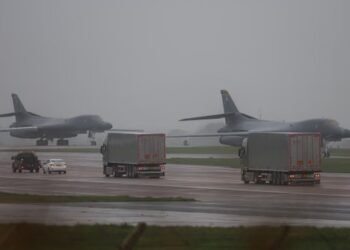
20 hours ago
Ukraine war briefing: Zelenskyy offers help to Saudi Crown prince on combatting Iranian drones

Ukraine war briefing: Zelenskyy offers help to Saudi Crown prince on combatting Iranian drones

19 hours ago
Load More

About Us

The English Chronicle

The English Chronicle is your trusted source for accurate, timely, and unbiased news. Based in the heart of the digital age, our mission is to deliver well-researched journalism that informs, engages, and empowers readers across the globe.

Address:-
UK Address: Harbour House, Cold Harbour Lane, Rainham, London Borough of Havering, United Kingdom. RM13 9YB

Browse by Category

  • Africa
  • Agriculture
  • Ai and Innovation
  • Animal Rights
  • Arts And Culture
  • Asia Pacific
  • Australia News
  • Business & Economy
  • Canada News
  • Child Health
  • Climate Change
  • Cricket
  • Crime
  • Defence And Military
  • Economics
  • Education
  • Energy
  • Entertainment
  • Environment
  • Europe
  • Fashion
  • Finance
  • Food
  • Health
  • History
  • Hobbies
  • Human Rights
  • innovation
  • International
  • Investigative Stories
  • Latest
  • Law
  • Life & Society
  • Market
  • Medical Innovation
  • Middle East
  • Natural Disaster
  • Politics
  • Premier League
  • Public Safety
  • Religion
  • Retail
  • Retail
  • Road Safety
  • Royal Family
  • Rural Economy
  • Science & Technology
  • Scotland and Highlands
  • Showbiz
  • Sports
  • Tech News
  • Tourism and Economy
  • Trade
  • Transport
  • Travel
  • UK News
  • US News
  • Violence
  • Wales News
  • War and Conflict
  • Weather
  • World News
Pete Hegseth Iran war

Pete Hegseth Iran War Remarks Spark Alarm

4 minutes ago
Oil prices

Oil Prices Surge Above $100 Amid Iran War

1 hour ago
Tehran oil depot strikes

Tehran Oil Depot Strikes Darken City With Toxic Smoke

1 hour ago
Mojtaba Khamenei

Mojtaba Khamenei Chosen as Iran’s New Supreme Leader

1 hour ago
  • About Us
  • Advertise
  • Privacy & Policy
  • Team
  • Contact

© 2025 The English Chronicle.

No Result
View All Result
  • Home
  • Business & Economy
  • Politics
  • Entertainment
  • Sports
  • Science & Technology

© 2025 The English Chronicle.