Published: 9 March 2026
The English Chronicle Desk
The English Chronicle Online — UK News
As the conflict between Iran, the United States, and Israel intensifies, UK motorists are being urged to make immediate changes to their driving habits amid warnings that fuel prices are set to soar to levels not seen in years. With Brent Crude oil surging past $100 a barrel for the first time since 2022, experts say the impact on petrol and diesel prices will be “inevitable, sharp, and painful” for households already struggling with rising living costs.

The advice comes as the Middle East crisis deepens, with airstrikes hitting oil depots in Tehran and fears growing that the Strait of Hormuz — a vital global energy corridor — could face disruption. The result has been a rapid spike in wholesale oil prices, which are now filtering through to UK forecourts far faster than expected.
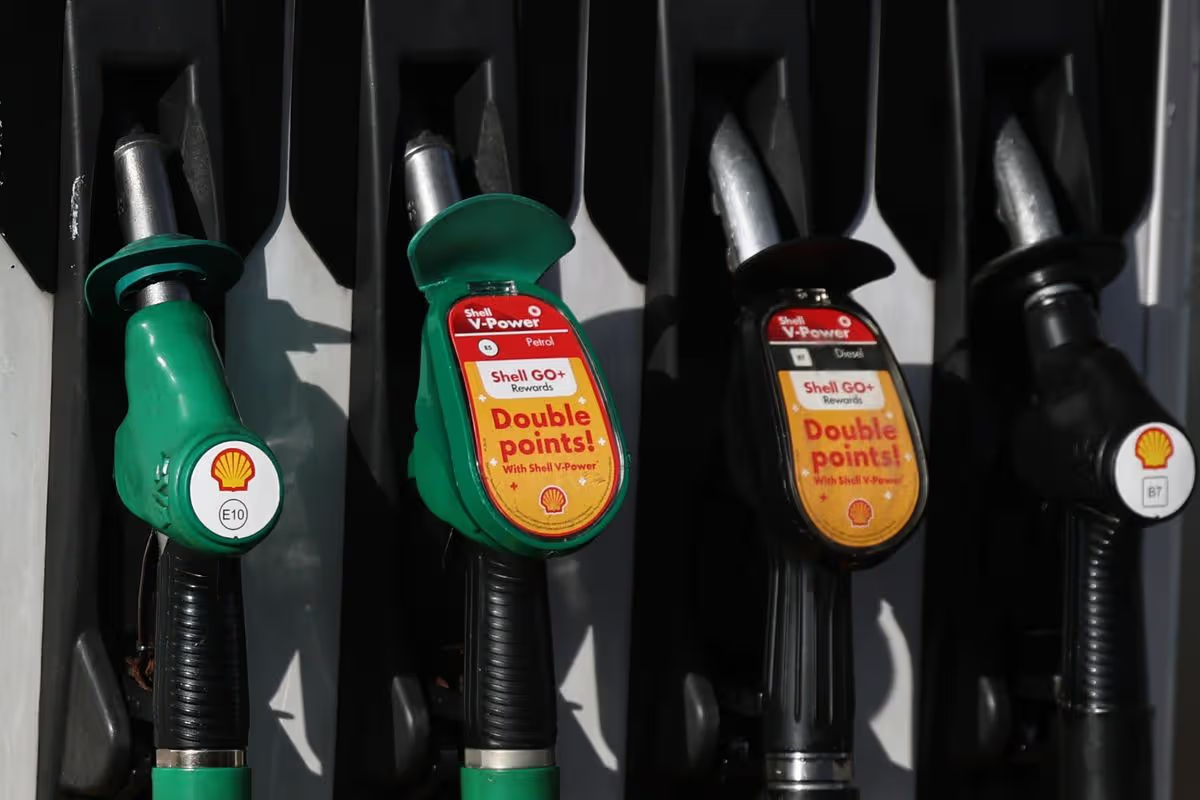
According to the Daily Record, the average price of petrol has risen by 5p per litre since the conflict began on 28 February, reaching 137.5p, while diesel has jumped 9p to 151.0p. Analysts warn that this is only the beginning. If oil climbs to $120 a barrel, petrol could hit 170p per litre, a level not seen since the height of the 2022 energy crisis.
With the situation worsening, the AA and RAC have issued urgent guidance to drivers — and the message is clear: cut non‑essential journeys and adopt more fuel‑efficient driving styles to soften the financial blow.
AA president Edmund King said the organisation is already seeing signs of panic among motorists, with many worried about how high prices could climb. He urged drivers not to rush to forecourts or change their refuelling habits, but instead to reduce unnecessary trips and drive more efficiently.
“The longer this conflict goes on, the more effect it will have on the cost of oil,” King said. “Any time Brent Crude passes $100 per barrel raises concern across the markets, for the haulage industry and for drivers.”
He added that while pump prices should not rise “overnight,” gradual increases are now unavoidable.
The RAC echoed the warning. Head of policy Simon Williams said the situation for UK drivers is “increasingly bleak,” predicting that unleaded petrol will soon reach 140p per litre, while diesel is “highly likely” to climb to 160p per litre.
The Strait of Hormuz — a narrow waterway between Iran and Oman — is one of the most important oil transit routes in the world. Around 20% of global oil passes through it. Any disruption, even temporary, sends shockwaves through international markets.
With Iran warning of retaliation and the US increasing its military presence in the region, traders fear that shipping routes could be targeted or restricted. This uncertainty alone is enough to push prices higher.
The Daily Record reports that airstrikes on Iranian oil depots have already rattled markets, with smoke seen billowing from key facilities. The conflict has also triggered panic buying in some countries, including Australia, where motorists have been urged to “fill up now” before prices spike further.
While some media outlets have suggested replacing worn tyres or filling up early, UK motoring organisations say the most effective immediate action is simple: cut non‑essential journeys.
This includes:
- Combining errands into a single trip
- Avoiding short journeys where walking or cycling is possible
- Reducing motorway speeds to improve fuel efficiency
- Removing roof racks and excess weight
- Ensuring tyres are properly inflated
King emphasised that small changes can make a significant difference. “Changing your driving style to conserve fuel is one of the easiest ways to save money,” he said.
Analysis from MSN suggests that if the conflict continues to escalate, UK drivers could face £320 in additional annual fuel costs. This estimate is based on average mileage and current projections for oil price increases.
For families already dealing with rising food, energy, and housing costs, the additional burden could be severe.
The haulage sector — which relies heavily on diesel — is bracing for a major financial hit. Rising fuel prices could lead to higher costs for transporting goods, which may then be passed on to consumers.
Logistics firms say they are already struggling with tight margins, and another fuel crisis could force some operators out of business.
The UK Government has not announced any emergency measures but says it is monitoring the situation. Treasury officials are reportedly concerned about the impact on inflation, which could rise again if fuel and transport costs spike.
Economists warn that a prolonged conflict could derail the UK’s fragile economic recovery, pushing up prices across multiple sectors.
Much depends on how the conflict unfolds. If tensions ease, oil prices may stabilise. But if the situation escalates — particularly if the Strait of Hormuz is disrupted — prices could rise dramatically.
Energy analysts say the next two weeks will be critical.

Motoring groups stress that there is no need for panic buying, but drivers should be realistic about the likelihood of higher prices in the coming days and weeks.
The best advice, they say, is to:
- Drive efficiently
- Avoid unnecessary trips
- Shop around for the cheapest fuel
- Keep vehicles well‑maintained
With the conflict showing no signs of slowing, UK motorists may need to brace for a difficult spring.
Related News:
 Royal Mail Blames Poor Weather and Sickness for Delayed Deliveries
 Cooper: Joining US Strikes on Iran ‘Not in Britain’s Interest’
 Tehran Makes New Threat to Gulf Shipping as US Says ‘Hardest Hits’ on Iran ‘Yet to Come’
 Scots Caught Up in Middle East Crisis ‘Just Waiting for the Next Explosion’
 Thousands Protest Iran Strikes Outside US Embassy London
 US Bombers Arrive at RAF Base Amid Rising Iran Tensions
 UK Prepares Aircraft Carrier for Middle East Crisis
 Ukraine war briefing: Zelenskyy offers help to Saudi Crown prince on combatting Iranian drones
 How to Exit Your Broadband Contract Without Paying Exit Fees
 Chancellor Rachel Reeves Pushes for Sweeping Changes to Environmental Protections to Accelerate Development
 Inflation Latest: Cost of Living Expected to Rise Again in Key Figures Released Today
 Retail Sales See Uptick Amid Errors and Delays as ONS Faces Scrutiny
 UK House Prices Hit Record £299,331 as Market Shows Steady Growth
Shein UK Faces Allegations of Shifting Majority of Profits to Singapore to Reduce UK Tax
UK House Prices Hit Record £299,331 as Market Shows Steady Growth
Shein UK Faces Allegations of Shifting Majority of Profits to Singapore to Reduce UK Tax
 UK Retail Sales Rise in August, but Tax Concerns Loom Over Festive Period
 Jaguar Land Rover Extends Production Halt Following Cyber-Attack
 UK Labour Market Shows Signs of Cooling as Wage Growth Slows and Redundancies Rise
 UK Wage Growth Remains High, But Cost of Living Pressures Bite
 British AI Startup Outshines Human Forecasters in Global Prediction Contest
 Vodafone Franchisees Sound Alarm: Mental Health Toll of Commission Cuts Revealed Years Before £120m Court Battle
 Great Britain’s Energy Operator Commits to Strengthening Grid to Prevent Blackouts
 UK Government Backs Return of International Rail Travel to Kent Stations
 Marks & Spencer Staff to Work on Boxing Day for First Time in Five Years Amid Cost-Cutting Measures
 Senior Tories Condemn Badenoch’s Vow to Repeal Climate Change Act as Catastrophic
 Wetherspoon vows to keep prices low amid soaring energy and tax costs
 He-Man Set for Big Comeback as UK Toy Industry Rides ‘Newstalgia’ Wave
 UK House Price Growth Slows as Buyers Exercise Caution Ahead of Autumn Budget
 Kemi Badenoch Unveils ‘Golden Rule’ to Halve Spending Cuts for Deficit Reduction at Tory Conference
 Parents spending £5,000 on special school assessments in England
 New V-Level qualification to transform post-16 education
 Pizza Hut to shut 68 sites after collapsing into administration
 Real living wage set to rise nearly 7% for UK workers in 2026
 Reeves Faces Setback as Labour May Miss Homes Target
 Trump’s UK Ambassador Urges North Sea Drilling to Strengthen US Ties
 M&S Profits More Than Halve After Cyber-Attack
 Tony Blair think tank warns Rachel Reeves must cut taxes if manifesto broken
 Millionaires group urge Reeves to introduce wealth tax to ‘lift kids out of poverty’
 Global markets drop amid tech sell-off and China slowdown
 Mossmorran Plant Closure Hits Cowdenbeath Hard
 Starmer Says Labour’s Economic Plan Needs Years to Deliver
 Virgin Media Fined £23.8m Over Telecare Safety Failures
 Rising Water Bills Lift Troubled Thames Back to Profit
 Historic £100-Weekly Pension Boost Brings Relief for UK Mineworkers
 UK Investment G7: Britain Records Lowest Level Under Starmer
MPs warn AI financial risks threaten UK stability
UK Investment G7: Britain Records Lowest Level Under Starmer
MPs warn AI financial risks threaten UK stability
 MPs warn AI financial risks threaten UK stability
 Households in England Face Rising Water Bills in April
 UK New Car Discounts Near £6,000 as Prices Are Slashed
 Study Finds One in Seven England Takeaways Are Dark Kitchens
 Pound Sinks and Borrowing Costs Rise as Starmer Fights for Job
 London Loses Its Grip on Ambitious Young Workers
 Row at David Lloyd Clubs Over £140-a-Month ‘Queue-Jumping’ Pass
 Major UK Clothing Firm Collapses into Administration — 109 Jobs at Risk
 UK economy struggles as growth stalls at 0.1% in late 2025
 Could Manchester Lead the UK’s Economic Revival?
 Lloyds Boss Accepts Concern Over Use of Staff Data in Pay Talks
 Store at Famous Shopping Village to Close After 18 Years Due to Rising Costs
 UK Job Vacancies Hit Five-Year Pandemic Low
 US Will Not Back Out of Tariff Deals with UK and Others, Says Trump Trade Representative
Storm Hernando: Edinburgh Airport Flights Cancelled in US Travel Chaos
US Will Not Back Out of Tariff Deals with UK and Others, Says Trump Trade Representative
Storm Hernando: Edinburgh Airport Flights Cancelled in US Travel Chaos
 Luxury Airbnb Cabins With Hot Tubs Must Be Demolished After Planning Ruling
 UK Youth Unemployment Surges Amid Tax Changes
 Strong Rebound for UK Housing Market Sees 6% More Homes
 Reeves Must Back Defence Plan or Face Dismissal, Says Unite Chief
 Switching Energy Deal Can Save £200 as Price Cap Falls
 Iran’s Regime Still Intact — Coming Days Will Test Its Survival
 Allies of US in the Gulf Bear Brunt of Iran Attacks
 Mayor Spends £20m to Encourage More Bus Trips
 In Maps: Strikes Across Iran and the Middle East
 Months of Planning Behind US‑Israeli Mission to Target Iran’s Supreme Leader
 UK house prices rise as market steadies
 Labour’s Employment Shake‑Up ‘Makes Britain Worse Than France’
 The Third Day of the US‑Israeli War With Iran
 Limited Flights Leave UAE But Disruption Continues Amid Iran Strikes
 Why the US and Israel attacked Iran
 Israel Launches Ground Invasion of Lebanon Amid Widening Middle East War
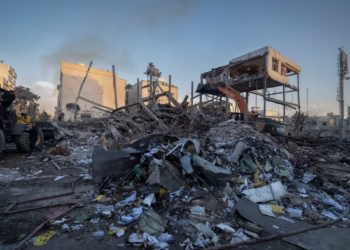 Civilian Deaths in Iran Pass 700 Amid Fear of Bombs and Regime Clampdown
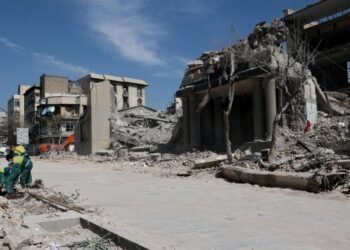 US Senate Backs Trump War Powers Amid Iran Missile Barrage
 ‘We Must Finish This’: Israelis Rally Behind War Effort as Iran Strikes Tel Aviv
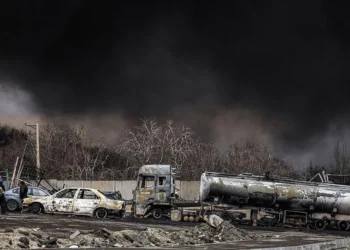 Nine Days of Strikes Reshape the Middle East