Published: 11 March 2026. The English Chronicle Desk. The English Chronicle Online.
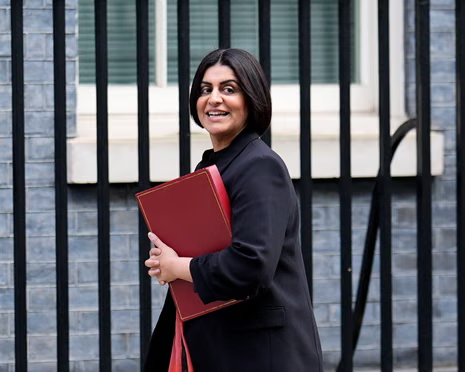
The decision to impose an Al Quds march ban in London has ignited a fierce national debate. The order came after the UK Home Secretary, Shabana Mahmood, accepted police warnings about potential unrest. Authorities said tensions surrounding the annual demonstration had reached an unprecedented and worrying level.
The controversial rally, traditionally held during the Islamic month of Ramadan, has long attracted thousands of participants. Supporters describe the gathering as a protest against Israeli policies and a show of solidarity with Palestinians. Critics argue the event increasingly reflects support for Iran’s leadership and controversial regional allies.
Officials confirmed that the Al Quds march ban followed an urgent request from the Metropolitan Police. Police leaders warned that serious disorder could erupt amid rising geopolitical tensions. They also highlighted the possibility of confrontations between demonstrators and multiple organised counter-protests.
Mahmood announced the decision after reviewing intelligence assessments and operational advice from senior officers. She said the scale of the protest created a significant risk to public safety. According to her statement, the government had a responsibility to prevent violence before it occurred.
She explained that the order was taken reluctantly but considered necessary in current circumstances. The Home Secretary stressed that the UK remains committed to protecting peaceful demonstrations. However, she insisted that preventing violence and community tensions must take priority during volatile moments.

Mahmood said the protest could still take place as a stationary demonstration under strict policing conditions. This approach, she argued, balanced the right to protest with the need for public safety. She warned that anyone spreading hatred or division would face the full force of the law.
The annual march commemorates Al Quds Day, an event first established in Iran in 1979. It has since become an international demonstration organised in several major cities worldwide. London’s rally has taken place for decades and regularly draws significant attention from political observers.
In previous years, the event has been criticised because some participants carried flags linked to Hezbollah. The group is designated as a terrorist organisation under UK law. Police said several arrests in earlier marches involved support for banned groups or antisemitic speech.
The controversy has deepened following public statements by organisers praising Iran’s late supreme leader. That leader, Ali Khamenei, died recently in a US-Israeli airstrike. Tributes from organisers described him as a historic figure admired by many supporters worldwide.
Such remarks sparked anger among politicians across Britain’s political spectrum. Many lawmakers argued the event risked becoming a platform for hostile foreign propaganda. Others said the rally undermined social cohesion during a sensitive moment in international relations.
The march is organised by the Islamic Human Rights Commission, widely known as the IHRC. The organisation insists the demonstration has always been peaceful and respectful. Leaders say it serves as an opportunity for communities to express solidarity with oppressed populations.
In response to the ban, the IHRC issued a strongly worded statement condemning the decision. The group accused authorities of abandoning principles of fair and impartial policing. Organisers also claimed officials failed to present convincing evidence supporting the threat assessment.
They announced plans to seek legal advice and challenge the ruling through appropriate channels. Despite the restriction, organisers confirmed a lawful static protest will proceed in London. They emphasised that participants remain committed to peaceful assembly and respectful expression.
The statement described the decision as politically motivated rather than driven by genuine security concerns. Organisers argued the Al Quds march ban undermines fundamental freedoms in British democracy. They warned that restricting protest rights sets a troubling precedent for future demonstrations.
Supporters of the decision believe the government acted responsibly given current tensions. Some Jewish community organisations previously raised concerns about antisemitic incidents during earlier rallies. Security experts also warned that counter-protests could escalate into clashes between rival groups.
Police confirmed that intelligence suggested a heightened risk of confrontation this year. Officers said both far-right activists and pro-Palestinian supporters planned to gather in large numbers. The combination, they warned, could create volatile conditions requiring significant police resources.
A spokesperson for the Metropolitan Police emphasised the neutrality of the force. Officers, they explained, do not police political opinions or ideological views. Their sole priority remains preventing violence and protecting everyone attending demonstrations.
Police also highlighted the increasingly complex international situation shaping local tensions. Conflicts in the Middle East often resonate strongly among communities across Europe. These developments can quickly influence the tone and size of demonstrations in Britain.
Authorities believe these factors contributed directly to the unprecedented decision this year. The Al Quds march ban marks the first prohibition of a protest march since 2012. Such powers are rarely used because they involve strict legal thresholds.
The law allows bans only when conditions cannot sufficiently prevent serious disorder. Police argued that imposing restrictions on route or attendance would not address current risks. Therefore, they concluded that banning the moving procession was the safest available option.
Even with the ban, officials acknowledge tensions could still surface during the static gathering. Police plan to deploy significant resources to monitor the demonstration and nearby areas. Officers will also watch potential counter-protests closely throughout the day.
Political reaction to the decision has been swift and strongly divided. Some members of Parliament welcomed the government’s willingness to act decisively. Others expressed concern that banning marches might weaken Britain’s tradition of open protest.
Among supporters of the decision was Sarah Sackman, a courts minister in the Labour government. She argued that expressions supporting Iran’s leadership should not appear on British streets. Sackman said such rhetoric undermines national values and fuels hostility within society.
She also criticised any praise for the Islamic Revolutionary Guard Corps and its regional proxies. According to Sackman, those groups threaten international security and democratic institutions. She called for robust action to ensure public spaces remain safe and inclusive.
Critics of the ban argue the government risks limiting legitimate criticism of Israeli policies. Civil liberties groups emphasise the importance of safeguarding freedom of expression. They warn that restricting protests may alienate communities already feeling politically marginalised.

The debate reflects wider tensions surrounding the Middle East conflict within British society. Public opinion remains deeply divided about international responses to the crisis. Demonstrations across the country have frequently drawn passionate crowds from opposing perspectives.
Media coverage has also highlighted the complexity of balancing security with democratic freedoms. Interviews on BBC programmes featured organisers defending the rally’s historical record. They argued that the event has taken place peacefully for more than four decades.
One spokesperson said the ruling represented a painful moment for civil liberties. He described it as a setback for freedom of assembly and political expression. Nevertheless, organisers insist supporters will remain calm and law-abiding during the planned gathering.
Observers say the outcome of Sunday’s demonstration will be closely watched across Britain. If the protest proceeds peacefully, calls may grow to reconsider future restrictions. However, any disorder could strengthen arguments supporting the controversial decision.
Ultimately, the Al Quds march ban reflects the difficult balance facing modern democracies. Governments must protect public safety while preserving essential rights of political participation. As tensions evolve globally, these choices will likely remain challenging for leaders everywhere.
For now, London prepares for a weekend demonstration surrounded by intense political attention. Authorities hope careful planning will prevent violence and reassure concerned communities. Whether the Al Quds march ban proves justified may become clearer once the event concludes.
Related News:
 British Woman in Iran ‘Losing Hope’ Amid Ongoing Detention
 BBC Journalist Held and Interrogated in Vietnam
 Green Party Surges Past Labour in Latest UK Poll
 Celebrities and Charities Demand UK Government Act on Child Poverty
 Trump’s UK Ambassador Urges North Sea Drilling to Strengthen US Ties
 FBI Director Kash Patel Defends Girlfriend Amid Government Jet Claims
 French Taxi Driver Cleared in David Lammy Theft Case After Fare Dispute
 ‘Reckless’ cuts to victims’ services will cost more than they save
 Millionaires group urge Reeves to introduce wealth tax to ‘lift kids out of poverty’
 Starmer Faces Growing Dissent as Labour MPs Weigh Leadership Challenge
 Reeves rejects £1bn plea for NHS redundancy payouts
 Politics latest: Starmer ‘will fight any leadership coup’ as Streeting denies attempt to oust Labour PM
 PM Condemns Leaks, Vows Loyalty to Ministers and Stability
 Major Rent Reform Ends No-Fault Evictions in England
 Peers Flood Assisted Dying Bill with 942 Amendments
 England’s Special Needs Support Faces Breaking Point
 MoD warned over Excel risks before Afghan data breach
 UK Asylum Overhaul Sparks Debate Over Human Rights and Deportations
 UK Warns China After MI5 Issues Espionage Alert
 Labour Faces Historic Decline in Wales
 PM Highlights UK Business at G20 in South Africa
 Kate Forbes: Motherhood Harder Than Politics
 Most Tories Expect to Support a Farage-Led Government
 Labour MP claims devolution bill is ‘blatant discrimination’ against Cornwall
 Millions Face Higher Taxes Under Reeves New Budget
 Peers Get Extra Time to Debate Assisted Dying Bill
 Starmer Says Labour’s Economic Plan Needs Years to Deliver
 Culture secretary to review Telegraph takeover by Daily Mail owner
 Andy Burnham Apologises for Past LGBTQ+ Police Discrimination
 Plans to Limit Jury Trials Face Retreat After Mounting Opposition
 Right Must Unite After Jenrick Defection, Urges Rees-Mogg
 UK Ministers Drop Foreign Student Targets for Global Education Push
 MPs warn AI financial risks threaten UK stability
 MPs warn AI financial risks threaten UK stability
 No Gas Boiler Ban as UK Warm Homes Plan Backs Heat Pumps
 Hugh Grant Joins Call for Under-16 Social Media Ban in UK
 Shinzo Abe’s killer receives life sentence in Japan
 Lords Vote Piles Pressure on Starmer Over Social Media Ban
 Reform UK Health Plan ‘Would Cost £1.7bn’, Streeting Says
 Police response times face strict new national limits
 Labour policing overhaul sparks fears over growing central control
 Tories criticised after Braverman defection sparks mental health row
 Burnham Westminster return hopes fade amid Labour rift
 Starmer warns of toxic division politics in Reform challenge
 Starmer China visit raises human rights pressure on Beijing
 Labour Must Revive High Streets to Avoid Election Collapse
 Calls Grow for King Charles to Apologise for Crown’s Role in Slavery
 Palantir contracts face UK halt calls over transparency
 Labour Thinktank Row Deepens Over Journalist Probe Claims
 Labour Lord Doyle Apologises Over Paedophile Ties in Political Storm
 Cabinet Secretary Shake-Up Triggers Due Diligence Warning
 Starmer Faces Inquiry Calls Over Thinktank Probe
 Royal Mail Delivery Crisis Deepens Amid Weather Chaos
 Labour Together probe scandal sparks fresh Cabinet Office investigation
 Farage to Name Jenrick as Reform Chancellor Pick
 NHS Negligence Ruling Raises Payout Costs
 Civil Service Pay: Union Urges Ministers to End ‘Barking Mad’ Limits
 Antonia Romeo appointment sparks criticism
 Trump and Chagos Deal Rift Over Iran Strikes
 Farage Chagos Islands Row Sparks Fury
 Trump Tariffs Threat Spark UK and EU Alarm
 Gasfield Deal Sparks Debate Over Fracking in Lincolnshire
 Reform UK targets workers’ rights repeal
 Mandelson Denounces Arrest Over ‘Baseless’ Fleeing Claims
 Russian Trade Routed Through British Islands Exposed
 Mandelson Arrest: Met Apologises to Hoyle
 Palestine Action ban appeal moves forward
 Reeves Must Back Defence Plan or Face Dismissal, Says Unite Chief
 NHS Maternity Units Cover Up Harmful Childbirth Errors
 Green Party Stuns Labour in Gorton and Denton Byelection
 Refugee Status Overhaul Sparks UK Debate
 Trump Rebukes Starmer Over Iran Strikes Row
 BBC Charter Reform Sparks Independence Battle
 Asylum Seekers to Work After Year-Long Wait
 Thousands Protest Iran Strikes Outside US Embassy London
 US Bombers Arrive at RAF Base Amid Rising Iran Tensions
 UK Prepares Aircraft Carrier for Middle East Crisis
 UK Oil and Gas Supplies Reassured Amid Middle East Concerns
 Proposed Law Leaves Gap for Children of Convicted Paedophiles
 Ministers Urged to Act Faster on Deepfakes Threat