Published: 13 March 2026. The English Chronicle Desk. The English Chronicle Online.
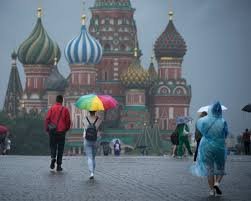
Residents across Moscow are facing growing disruption as unexplained Moscow internet blackouts continue across the Russian capital. The sudden outages have left many people struggling to access websites, send messages, or make simple phone calls. Over the past week, thousands reported losing mobile internet entirely, creating confusion and frustration across the city. Officials from the Kremlin have acknowledged the disruptions but provided only limited explanations about their purpose or duration.
The Kremlin has said the restrictions are necessary to ensure national security during a sensitive period. Authorities insist the temporary measures will remain until officials believe additional protections are no longer required. However, the lack of transparency surrounding the Moscow internet blackouts has raised widespread speculation among analysts, activists, and ordinary residents. Many now fear the outages could represent an early stage of a broader plan to reshape internet access across Russia.

Reports of connectivity problems first emerged in central districts of Moscow before spreading gradually to other areas. Soon afterwards, residents in St Petersburg began describing similar difficulties connecting to mobile networks. Social media users shared screenshots showing failed app connections, interrupted messaging services, and error pages while loading websites. For many urban professionals who rely heavily on mobile data, the disruption has rapidly become a daily inconvenience affecting work and communication.
Dmitry, a consultant living near the city centre, described the situation as extremely disruptive for his routine. He explained that ordering taxis, sending emails, or even messaging family members has become frustratingly unreliable. According to him, tasks that once took seconds now require repeated attempts or alternative methods. His experience reflects the frustration many Muscovites now feel as digital services suddenly become unpredictable.
While internet disruptions have occurred periodically in other parts of Russia, experts say the scale within Moscow is unusual. As the country’s political and financial heart, Moscow rarely experiences widespread communication failures. Because of this, the Moscow internet blackouts have drawn international attention and concern from digital rights groups monitoring online freedom.
Human rights advocates believe the disruptions may relate to testing a controversial system known as a “whitelist” internet model. Under such a system, only government-approved websites and essential services would remain accessible. Other online platforms could become unreachable for ordinary users without official authorisation. Observers warn that this structure could fundamentally reshape how Russians experience the internet.
Officials have previously suggested that such a whitelist would include essential services required for daily life. These might include online marketplaces, delivery platforms, pharmacies, and government information portals. Yet critics argue the approach would dramatically limit public access to independent information sources and foreign websites. If implemented fully, Russia’s internet could become far more restricted than it currently appears.
Concerns about digital censorship have intensified since Russia’s full-scale invasion of Ukraine in 2022. Since then, authorities have tightened controls over media organisations, journalists, and online platforms. Many international technology companies have faced pressure or restrictions while operating inside the country. As a result, Russia’s digital environment has gradually become more regulated and monitored.
The research organisation Top10VPN recently reported that Russia recorded the world’s highest number of internet disruptions during 2025. Analysts say many of these outages occurred in border regions or during security operations. However, disruptions inside Moscow itself have historically been rare, making the current Moscow internet blackouts especially notable.
Russian officials often claim internet restrictions help defend against potential drone attacks launched by Ukraine. By limiting connectivity, authorities say they can reduce the ability of hostile actors to coordinate operations. Yet cybersecurity specialists remain sceptical that shutting down mobile data would effectively prevent such attacks. Critics argue that sophisticated military technology rarely depends on standard consumer internet services.
Beyond political debate, the blackouts are already producing measurable economic consequences across the capital. Businesses that depend on digital platforms have experienced sudden drops in efficiency and customer engagement. Courier companies, ride-hailing drivers, and delivery services have struggled to coordinate operations without reliable mobile connections. Retailers also report difficulties processing online orders or communicating with suppliers.
Russia’s prominent business newspaper Kommersant estimated that the disruptions could cost the Moscow economy roughly one billion roubles each day. This amount equals approximately £9.4 million in lost productivity and interrupted services. While the estimate remains unofficial, analysts believe the figure illustrates the heavy economic impact of sustained connectivity problems.
Even Russia’s political institutions have not escaped the effects of the outages. Lawmakers inside the national parliament reported losing access to mobile networks and wireless internet within the building itself. Deputies inside the State Duma complained that they were temporarily unable to access digital documents or communicate with colleagues outside the chamber. The unusual situation highlighted the widespread nature of the Moscow internet blackouts.
Faced with these disruptions, many residents have begun turning to surprisingly old communication tools. Sales data from the major Russian e-commerce platform Wildberries & Russ indicates a surge in demand for walkie-talkies and pagers. These devices, once considered outdated, suddenly offer reliable communication without internet connections.
According to the company’s internal statistics reported by Russian media, walkie-talkie sales have risen by twenty-seven percent recently. Even more striking is the seventy-three percent increase in pager purchases across the country. Businesses and service providers are increasingly using them to coordinate staff or communicate with clients.
Paper maps of Moscow are also experiencing a surprising revival among residents. With digital navigation apps sometimes failing to load, travellers have begun relying on traditional printed maps again. Retailers report that demand for these maps has nearly tripled since the disruptions began. For many observers, this trend symbolises how abruptly digital convenience can disappear.
At the same time, the government continues tightening its grip over Russia’s online ecosystem. Major international platforms have faced bans or severe restrictions over the past few years. Messaging and social media services including WhatsApp, Facebook, and YouTube have all encountered varying levels of limitation within Russia.
Attention has recently turned toward the future of Telegram, one of the country’s most widely used messaging services. Rumours circulating among lawmakers suggest new restrictions could appear as early as next month. For millions of Russians, Telegram currently represents one of the last widely accessible platforms for uncensored communication.

Another proposed measure involves restricting the use of virtual private networks, commonly known as VPNs. These services allow users to bypass censorship by routing internet traffic through servers located abroad. Russian lawmakers have suggested security agencies may soon gain the power to limit VPN traffic significantly. If implemented, such rules could block one of the final methods for accessing restricted international websites.
Meanwhile, officials have promoted a new state-supported digital platform intended to replace foreign applications. The proposed “super-app,” known as Max, aims to combine messaging, payments, government services, and social networking in one system. Observers frequently compare it to WeChat, which plays a similar role in China’s highly regulated digital environment.
Critics believe the app would allow authorities to monitor communication more closely while steering users away from independent platforms. Supporters within government circles argue it would strengthen national digital sovereignty and protect Russian data. Regardless of perspective, the launch of such technology suggests Russia’s internet future could differ sharply from the open global model many once expected.
For now, everyday life in Moscow continues under a cloud of digital uncertainty. Residents still rely heavily on online services for work, travel, and communication with friends or relatives. Each day of continuing disruption reminds people how deeply the internet has become woven into modern urban life.
Whether the Moscow internet blackouts represent a temporary security measure or a permanent shift remains unclear. Analysts say the coming months will reveal whether authorities intend broader restrictions on digital access. Until then, the capital’s residents remain caught between convenience and control as the city navigates an uncertain online future.
Related News:
 British Woman in Iran ‘Losing Hope’ Amid Ongoing Detention
 BBC Journalist Held and Interrogated in Vietnam
 UK University Suspends Human Rights Research Following Pressure from China
 UK University Faces Counter-Terror Probe Over China Pressure
 BBC to Apologise Over Edited Trump Speech Amid Backlash
 Britain deploys RAF specialists to assist Belgium with drone threats
 Ukraine-Russia war latest: Putin’s troops exploit bad weather to force Kyiv withdrawal from multiple towns
 US Justice Department Files Lawsuit Against California Over Partisan Voting Maps
 Greene Pushes Epstein Files Amid Trump Fallout
 Trump Deploys DHS to Charlotte in Major Arrest Operation
 December Run-Off in Chile as Election Produces No Winner
 Canada Passes Carney’s First Budget in Tight Parliamentary Vote
 Shadow Fleet at Sea: Europe’s Battle Against Illicit Oil Shipping
 Rama Rebukes Mahmood for Targeting Albanian Families
 Pentagon Officials in Ukraine to Discuss War End
 Venezuela Threatens Nobel Winner Machado with Fugitive Status
 Trump Envoy to Discuss Ukraine Peace at Kremlin
 Georgians Defy Government Crackdown After Year of Protests
 India’s Labour Law Overhaul Sparks Fierce Debate
 Video shows Israeli troops kill Palestinians after surrender
 Chinese & Japanese Boats Clash Near Disputed Islands
 EU plans $105bn Ukraine aid using frozen Russian assets
 Global campaign launched to free Palestinian leader Barghouti
 Russia losses Ukraine war peace talks intensify amid rising deaths
 Zelenskyy Accuses Russia of Sabotaging Peace Talks
 Trump ‘Not Worried’ as China Conducts Massive Taiwan Wargame
 Khaleda Zia Laid to Rest with State Honour in Dhaka
 Maduro Faces Court in New York Over Drugs and Weapons Case
 Albanese Opens Door to Bondi Royal Commission Amid Rising Pressure
 Trump Escalates Minnesota Immigration Surge Amid Rising Tensions
 Iran Protesters Defy Crackdown as Violent Clashes Intensify
 Trump Eyes Strong Military Options Amid Iran Protest Crackdown
 Trump Threatens Strong Action If Iran Executes Protesters
 Machado Trump medal gesture reshapes Venezuela power struggle
 Trump Receives Machado’s Nobel Medal in White House Meeting
 EU weighs response amid Greenland tariff crisis with Trump
 US Considers Asylum for British Jews Amid Rising Antisemitism
 ICE street raids expose a chilling future for public freedoms
 Trump Launches “Board of Peace” Amid Global Diplomacy Push
 EU Says US Ties Have Suffered ‘Big Blow’ After Greenland Crisis
 Andrew Hastie Emerges as Leadership Rival to Ley
 Starmer China visit underscores clear-eyed national security stance
 Starmer China visit raises human rights pressure on Beijing
 Israel Moves to Bar MSF From Gaza Operations
 Trump Praises ‘Terrific’ Petro After White House Talks
 Sydney Protest Escalates and Elderly Woman Suffers Severe Injury
 Tarique Rahman’s Rise Toward Bangladesh’s Top Job
 Glass Cliff Debate After Ley’s Ouster
 Japan Seizes Chinese Boat Amid Rising Tensions
 Australian Families Leave Syrian Camp for Home
 Trump Attacks UK-California Energy Pact
 Kim Jong-un Unveils Housing for War Families
 Trump and Chagos Deal Rift Over Iran Strikes
 Andrew Mountbatten-Windsor Arrest After FBI Radar
 Andrew Arrest Sparks Republic Debate in Australia
 Global corruption crisis: Who Washington shields
 Duterte ICC Hearing Begins Amid Defiance
 Farage Chagos Islands Row Sparks Fury
 Trump Tariffs Threat Spark UK and EU Alarm
 The Dangerous Rise of Remigration Across Modern Europe
 Trump’s Marathon Speech Fails to Mask a Growing National Disconnect
 Trump Speech Sparks Intense Debate Across Divided America
 Jacinda Ardern Moves To Australia Following Her US Fellowships
 US to offer passport services in West Bank settlements
 Has Europe truly learned from the failures of 2022?
 Health Funding Row Rocks US‑Africa Relations
 Middle East Flights Halted After Iran Strikes
 Trump Faces Questions Over Iran Conflict Plan
 Nick Greiner Warns Over Election Review Fallout
 Herzog Asio meeting sparks security storm
 Trump Rebukes Starmer Over Iran Strikes Row
 Trump Iran Strikes Row Sparks Washington Storm
 UK Prepares Aircraft Carrier for Middle East Crisis
 Pete Hegseth Iran War Remarks Spark Alarm
 Kasasa Island Dispute Fuels Japan-China Tensions
 Trump Pressures Congress Over Save America Act
 Iranian Football Squad Asylum Drama Shocks Australia
 Queensland Protest Laws Spark Free Speech Backlash
 China Approves ‘Ethnic Unity’ Law Requiring Minorities to Learn Mandarin
 Oil Supply Disruption Shocks Global Energy Markets