Published: 16 March 2026. The English Chronicle Desk. The English Chronicle Online.
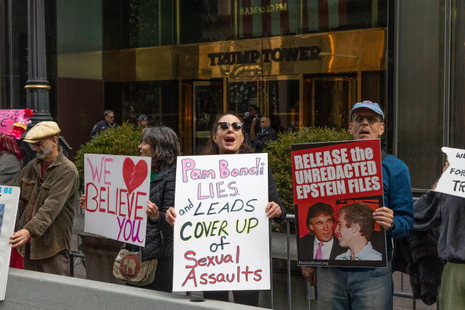
The dramatic escalation of military conflict between the United States and Iran has dominated global headlines. Many observers suggest this warfare serves as a convenient distraction from growing domestic scandals within Washington. Despite the gravity of international strikes, public interest in the notorious Epstein files shows no signs of waning. Citizens across the political spectrum are demanding full transparency regarding the late financier and his high-profile associates. The current administration faces intense scrutiny over its handling of these sensitive and long-awaited investigative documents. While bombs fall abroad, the legal and moral questions surrounding Jeffrey Epstein continue to simmer at home.
Donald Trump originally rose to power with a firm promise to release all relevant records. He described the move as a necessary step to expose a corrupt elite global cabal. This specific pledge acted as powerful ideological catnip for the far-right flank of his voting base. Many supporters believe that powerful figures participated in the trafficking of vulnerable teenage girls for years. However, the actual release of the Epstein files has been plagued by delays and technicalities. The Justice Department began disseminating the documents in small, frustrating batches rather than a single disclosure. This approach sparked a significant backlash among the president’s most loyal and longtime political supporters.

In a rare display of bipartisanship, members of Congress decided to take the lead themselves. They conducted independent investigations to bypass the perceived stonewalling from the executive branch of government. This collaborative effort led to the passing of the Epstein Files Transparency Act last November. Although the president had previously dismissed the document hunt as a hoax, he signed the bill. The law mandated that the Justice Department disclose all records within a strict thirty-day window. Only a few rare exceptions were permitted to protect ongoing investigations or sensitive national security interests.
The administration failed to meet the deadline set by Congress for the full document release. One tranche of data arrived on time, but several others were delayed by many weeks. A massive disclosure of three million documents finally occurred on the thirtieth day of January. This move prompted even more ire from political opponents and several skeptical diehard Trump supporters. Many believe that the most incriminating portions of the Epstein files are still being hidden. They argue that the government is intentionally redacting names to protect people in high places. This suspicion has created a unique coalition of activists from both the left and right.
Current headlines are understandably focused on the economic and diplomatic chaos unleashed by the Iran war. The military strikes have caused massive fluctuations in global markets and heightened fears of wider conflict. Yet, advocates for survivors say the outrage over Jeffrey Epstein is unlikely to die down soon. Gretchen Carlson and Julie Roginsky have been vocal about the need for continued media focus. They represent the non-profit organization Lift Our Voices, which fights against systemic sexual harassment and abuse. Both women believe the administration is skilled at flooding the news market with competing stories.
The 24/7 cable news cycle tends to prioritize the single biggest story of the moment. Right now, the focus is clearly on the tactical developments in the Middle East region. Carlson notes that she still sees significant reporting on the lack of ranch searches. Authorities reportedly never fully investigated the New Mexico property owned by the late convicted sex offender. Conservative influencers have also begun to criticize the necessity of the current war with Iran. They suggest that the timing of the military action is suspiciously linked to legal pressures. These critics believe the public will inevitably return its focus to the Epstein files soon.
Earlier this year, the US military captured the Venezuelan president and his wife in South America. Nicolás Maduro and Cilia Flores were brought to the United States to face serious charges. That major international event briefly dominated the news but did not erase the Epstein story. Roginsky points out that even significant arrests could not take the scandal off people’s minds. The public demand for answers seems to be more resilient than the typical news cycle. There are people within the president’s own base who are deeply disgusted by the war. These voters are likely to keep pushing for accountability regarding the sex trafficking investigation.
The persistence of the story is largely credited to the work of many intrepid reporters. These journalists are sifting through millions of pages of documents released by the Justice Department. They are finding new angles and connections that the American public has not heard before. Without this dedicated research, the controversy might have faded into the background of political life. Lawyers representing survivors also emphasize that the war is merely a temporary distraction for everyone. They argue that the public remains intensely interested in what the president did with Epstein. There is a widespread belief that a cover-up is currently active and ongoing.
Trump maintains that his relationship with the financier ended many years before the criminal charges. He has denied all wrongdoing in relation to the trafficker and all other legal matters. However, the newly released files keep providing fresh material to rekindle the public’s focused attention. The floodlight of scrutiny will likely swing back to the administration in due course of time. One attorney noted that the government spent a year dragging its feet on the disclosure. They held back millions of pages and redacted names that would provide necessary public accountability. This behavior has convinced many that the corruption reaches into the highest levels of power.
A majority of registered voters currently opposes the war that the administration has recently started. When national security is discussed, the rights of trafficking victims can be easily ignored. But the war started out being unpopular and is becoming more so every single day. Appeals to patriotism to stop the criticism are unlikely to resonate with the wider public. Legal experts suggest that the anti-Epstein coalition will weather any distraction the war creates. This group includes survivors, members of Congress, and activists from across the entire political spectrum. They are determined to impose responsibility on all enablers for their truly odious conduct.

Republican Representative Thomas Massie has been a vocal critic of the government’s lack of transparency. He stated that bombing a country will not make the Epstein files go away at all. Massie called for additional investigations into the Zorro Ranch and the FBI’s previous decision-making processes. He wants to know why certain parts of the original investigation were shut down prematurely. The Transparency Act requires the release of memos detailing decisions not to prosecute certain individuals. This legal requirement ensures that the story will remain in the courts for months. The fight for the truth is being framed as a way to rebuild trust.
Democratic Representative Ro Khanna also insisted that the bipartisan push for justice would not stop now. He believes the American people want to see accountability for the wealthy elite involved. The White House has responded to these claims with a very aggressive and dismissive tone. A spokesperson called the suggestion of a distraction a ridiculous take from the news media. They labeled the critics as morons for even suggesting a link between war and scandal. Despite this pushback, the documents continue to leak out into the public domain slowly. Every new name discovered in the Epstein files triggers a fresh wave of social media.
The narrative of the war and the scandal are now inextricably linked in public discourse. As the military conflict continues, the pressure to release the remaining documents will likely grow. Survivors of the abuse are not willing to let the matter be forgotten by history. They have waited decades for the truth to be told in a court of law. The resilience of this story proves that some issues are too big to hide. Even the drums of war cannot drown out the calls for justice and transparency. The administration will eventually have to answer for the gaps in the official record.
Related News:
 British Woman in Iran ‘Losing Hope’ Amid Ongoing Detention
 BBC Journalist Held and Interrogated in Vietnam
 UK University Suspends Human Rights Research Following Pressure from China
 UK University Faces Counter-Terror Probe Over China Pressure
 BBC to Apologise Over Edited Trump Speech Amid Backlash
 Britain deploys RAF specialists to assist Belgium with drone threats
 Ukraine-Russia war latest: Putin’s troops exploit bad weather to force Kyiv withdrawal from multiple towns
 US Justice Department Files Lawsuit Against California Over Partisan Voting Maps
 Greene Pushes Epstein Files Amid Trump Fallout
 Trump Deploys DHS to Charlotte in Major Arrest Operation
 December Run-Off in Chile as Election Produces No Winner
 Canada Passes Carney’s First Budget in Tight Parliamentary Vote
 Shadow Fleet at Sea: Europe’s Battle Against Illicit Oil Shipping
 Rama Rebukes Mahmood for Targeting Albanian Families
 Pentagon Officials in Ukraine to Discuss War End
 Venezuela Threatens Nobel Winner Machado with Fugitive Status
 Trump Envoy to Discuss Ukraine Peace at Kremlin
 Georgians Defy Government Crackdown After Year of Protests
 India’s Labour Law Overhaul Sparks Fierce Debate
 Video shows Israeli troops kill Palestinians after surrender
 Chinese & Japanese Boats Clash Near Disputed Islands
 EU plans $105bn Ukraine aid using frozen Russian assets
 Global campaign launched to free Palestinian leader Barghouti
 Russia losses Ukraine war peace talks intensify amid rising deaths
 Zelenskyy Accuses Russia of Sabotaging Peace Talks
 Khaleda Zia Laid to Rest with State Honour in Dhaka
 Albanese Opens Door to Bondi Royal Commission Amid Rising Pressure
 Trump Escalates Minnesota Immigration Surge Amid Rising Tensions
 Iran Protesters Defy Crackdown as Violent Clashes Intensify
 Trump Threatens Strong Action If Iran Executes Protesters
 Machado Trump medal gesture reshapes Venezuela power struggle
 Trump Receives Machado’s Nobel Medal in White House Meeting
 EU weighs response amid Greenland tariff crisis with Trump
 US Considers Asylum for British Jews Amid Rising Antisemitism
 ICE street raids expose a chilling future for public freedoms
 EU Says US Ties Have Suffered ‘Big Blow’ After Greenland Crisis
 Andrew Hastie Emerges as Leadership Rival to Ley
 Starmer China visit underscores clear-eyed national security stance
 Starmer China visit raises human rights pressure on Beijing
 Israel Moves to Bar MSF From Gaza Operations
 Trump Praises ‘Terrific’ Petro After White House Talks
 Sydney Protest Escalates and Elderly Woman Suffers Severe Injury
 Tarique Rahman’s Rise Toward Bangladesh’s Top Job
 Glass Cliff Debate After Ley’s Ouster
 Japan Seizes Chinese Boat Amid Rising Tensions
 Australian Families Leave Syrian Camp for Home
 Trump Attacks UK-California Energy Pact
 Kim Jong-un Unveils Housing for War Families
 Trump and Chagos Deal Rift Over Iran Strikes
 Andrew Mountbatten-Windsor Arrest After FBI Radar
 Andrew Arrest Sparks Republic Debate in Australia
 Global corruption crisis: Who Washington shields
 Duterte ICC Hearing Begins Amid Defiance
 Farage Chagos Islands Row Sparks Fury
 Trump Tariffs Threat Spark UK and EU Alarm
 The Dangerous Rise of Remigration Across Modern Europe
 Trump’s Marathon Speech Fails to Mask a Growing National Disconnect
 Trump Speech Sparks Intense Debate Across Divided America
 Jacinda Ardern Moves To Australia Following Her US Fellowships
 US to offer passport services in West Bank settlements
 Has Europe truly learned from the failures of 2022?
 Health Funding Row Rocks US‑Africa Relations
 Middle East Flights Halted After Iran Strikes
 Trump Faces Questions Over Iran Conflict Plan
 Nick Greiner Warns Over Election Review Fallout
 Herzog Asio meeting sparks security storm
 Trump Rebukes Starmer Over Iran Strikes Row
 Trump Iran Strikes Row Sparks Washington Storm
 UK Prepares Aircraft Carrier for Middle East Crisis
 Pete Hegseth Iran War Remarks Spark Alarm
 Kasasa Island Dispute Fuels Japan-China Tensions
 Trump Pressures Congress Over Save America Act
 Iranian Football Squad Asylum Drama Shocks Australia
 Queensland Protest Laws Spark Free Speech Backlash
 Oil Supply Disruption Shocks Global Energy Markets
 Eswatini Deal Sparks Global Outcry Over US Deportations
 Yvette Cooper: UK Must Follow Principles, Not US Pressure
 Trump Iran War Stance Hardens as Conflict Widens
 Hormuz Strait Crisis: Trump Pressures Allies to Act
 US Citizens Angry Over Lack of Middle East Backup Plan