Published: 16 March 2026. The English Chronicle Desk. The English Chronicle Online.
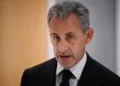
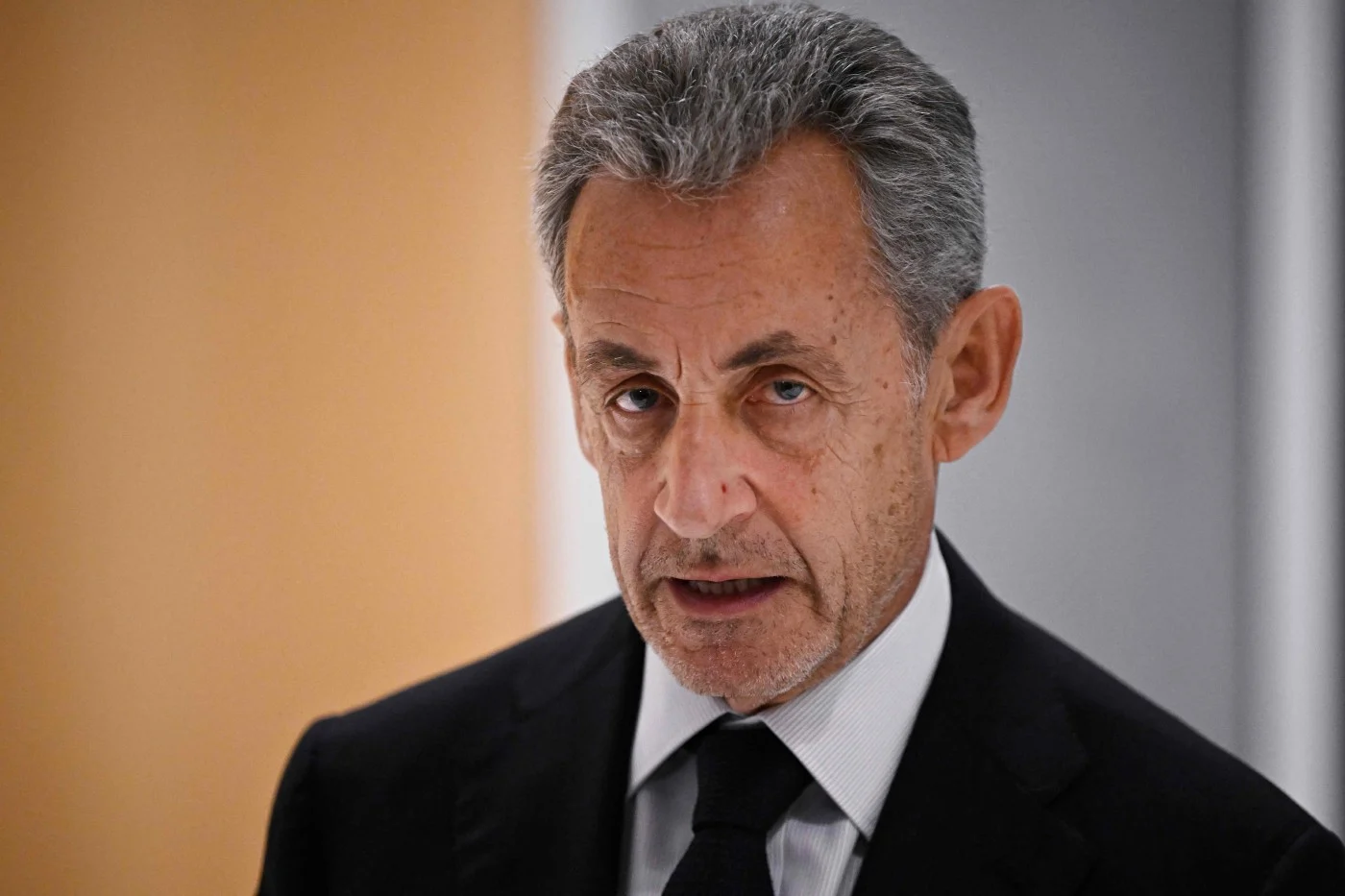
The former French leader Nicolas Sarkozy is returning to the Paris court of appeal today. This fresh trial involves very serious allegations regarding his past political campaign funding from Libya. Prosecutors claim that he accepted illegal millions from the late dictator Muammar Gaddafi years ago. Sarkozy has always denied these claims and maintains his innocence through every single court hearing. He served as the rightwing president of France between the years 2007 and 2012. This legal battle has followed him for over a decade and remains a major scandal. The court will now re-examine every piece of evidence presented during the previous criminal trial.
Last year the court delivered a historic verdict that shocked the entire French political establishment. Sarkozy received a sentence of five years for his role in a criminal conspiracy. This ruling made him the first former head of an EU country to serve time. He spent twenty days in a Paris jail before being released pending this current appeal. The former president described his time behind bars as a truly gruelling and difficult nightmare. He lived in a small solitary cell for his own personal safety and security. While awaiting this new trial he even published a book about his brief prison experience. His supporters believe he is being unfairly targeted by the French judicial system today.
The core of the case involves a meeting that allegedly took place in late 2005. At that time Sarkozy was serving as the powerful interior minister of the French Republic. Prosecutors allege he made a secret deal with the regime of the Libyan leader. They claim he sought massive campaign funding to help win his 2007 presidential election bid. In return he allegedly promised to help Libya regain its status on the international stage. This agreement would have rehabilitated the image of a leader long associated with terrorism. Gaddafi had been isolated for years following the tragic bombing of the Pan Am flight. The Lockerbie disaster in Scotland remained a dark shadow over the Libyan government for decades.

During the first trial the court found him guilty of just one criminal conspiracy. However he was acquitted of three other charges including the misuse of public funds. The state prosecutor was unhappy with those acquittals and filed a formal legal appeal. Sarkozy also appealed his conviction to clear his name and avoid more prison time. Now all four original charges will be heard again by the Paris appeal court. If he is convicted on all counts he could face up to ten years. The seventy-one-year-old politician remains defiant as he enters the courtroom with his legal team. He insists that no credible proof exists to show he took any Libyan money.
The prosecution has built their case on many testimonies from former Libyan government officials. They also rely on documents and diaries kept by members of the inner circle. The court previously heard that the Libyan regime expected many favours from the French. These included diplomatic support and help with various business deals across the European Union. Gaddafi wanted to move away from his past reputation as a sponsor of terror. He saw the rising French politician as a perfect partner for his ambitious goals. Members of the entourage of Sarkozy allegedly travelled to Libya many times back then. These visits supposedly helped finalize the details of the secret financial support for him.
The relationship between the two leaders became very public shortly after the 2007 election. Sarkozy invited the Libyan dictator to Paris for a very long and controversial visit. Gaddafi was famously allowed to pitch his large Bedouin tent near the Elysee Palace. This visit caused a huge outcry among human rights groups and many French citizens. They felt the president was getting too close to a man with blood on hands. At the time the French government defended the visit as a necessary diplomatic step. They claimed it helped secure business contracts and promoted stability in the North African region. Now those events are being looked at through the lens of potential corruption.
The political situation changed dramatically in 2011 when the Arab Spring began in Libya. Sarkozy shifted his position and placed France at the forefront of the Nato strikes. These military actions helped the local rebel fighters to eventually topple the Gaddafi regime. The dictator was captured and killed by his own people in October of 2011. Some critics suggest the war was a way to hide the past financial deals. They argue that silencing Gaddafi was beneficial for those who took his secret money. Sarkozy strongly rejects these theories and says the war was fought for humanitarian reasons. He claims he acted to protect Libyan civilians from a brutal and violent crackdown.
This appeal trial is not just about one man but involves many others. A total of ten people are facing a retrial alongside the former French president. This group includes former ministers and close associates who worked on the 2007 campaign. The proceedings are expected to last for several weeks in the historic heart of Paris. The world is watching to see if the previous conviction will be upheld today. A guilty verdict would likely end the political influence of Sarkozy forever in France. He still maintains a significant following among conservative voters who admire his strong leadership. They see this trial as a political move to prevent his future return.

The legal complexity of the Libya funding case is truly immense for the judges. They must weigh conflicting testimonies and analyze financial records that are many years old. Some key witnesses from the original investigation have since died or moved away. This makes the task of the appeal court even more difficult and very sensitive. The defence lawyers plan to challenge the reliability of every single prosecution witness used. They argue that much of the evidence is based on hearsay and political grudges. The prosecution insists they have a clear paper trail showing how the money moved. They want to prove that democracy was subverted by foreign influence and greed.
The atmosphere in Paris is tense as the high-profile proceedings begin this Monday morning. Security is tight around the courthouse to manage the large crowds and many journalists. Sarkozy arrived early and looked composed as he walked past the waiting media cameras. He has spent years preparing for this moment to finally prove his complete innocence. The trial represents a major test for the French justice system and its independence. It shows that even the most powerful leaders can be held legally accountable. The outcome will have a lasting impact on how political campaigns are funded. It will also define the legacy of one of the most famous presidents.
As the day progresses the first witnesses will be called to give their evidence. The judges will listen carefully to every word spoken in the quiet courtroom today. There is a sense that this trial marks the final chapter of a long saga. Whether he returns to prison or walks free remains a very open question. The evidence regarding the Libya funding will be debated with great passion by both sides. This case serves as a reminder of the complex links between power and money. France waits for a final resolution to a scandal that has gripped the nation. The truth about the 2007 election may finally be revealed in full detail.
Related News:
 British Woman in Iran ‘Losing Hope’ Amid Ongoing Detention
 BBC Journalist Held and Interrogated in Vietnam
 UK University Suspends Human Rights Research Following Pressure from China
 UK University Faces Counter-Terror Probe Over China Pressure
 BBC to Apologise Over Edited Trump Speech Amid Backlash
 Britain deploys RAF specialists to assist Belgium with drone threats
 Ukraine-Russia war latest: Putin’s troops exploit bad weather to force Kyiv withdrawal from multiple towns
 US Justice Department Files Lawsuit Against California Over Partisan Voting Maps
 Greene Pushes Epstein Files Amid Trump Fallout
 Trump Deploys DHS to Charlotte in Major Arrest Operation
 December Run-Off in Chile as Election Produces No Winner
 Canada Passes Carney’s First Budget in Tight Parliamentary Vote
 Shadow Fleet at Sea: Europe’s Battle Against Illicit Oil Shipping
 Rama Rebukes Mahmood for Targeting Albanian Families
 Pentagon Officials in Ukraine to Discuss War End
 Venezuela Threatens Nobel Winner Machado with Fugitive Status
 Trump Envoy to Discuss Ukraine Peace at Kremlin
 Georgians Defy Government Crackdown After Year of Protests
 India’s Labour Law Overhaul Sparks Fierce Debate
 Video shows Israeli troops kill Palestinians after surrender
 Chinese & Japanese Boats Clash Near Disputed Islands
 EU plans $105bn Ukraine aid using frozen Russian assets
 Global campaign launched to free Palestinian leader Barghouti
 Russia losses Ukraine war peace talks intensify amid rising deaths
 Zelenskyy Accuses Russia of Sabotaging Peace Talks
 Khaleda Zia Laid to Rest with State Honour in Dhaka
 Maduro Faces Court in New York Over Drugs and Weapons Case
 Albanese Opens Door to Bondi Royal Commission Amid Rising Pressure
 Trump Escalates Minnesota Immigration Surge Amid Rising Tensions
 Iran Protesters Defy Crackdown as Violent Clashes Intensify
 Trump Eyes Strong Military Options Amid Iran Protest Crackdown
 Trump Threatens Strong Action If Iran Executes Protesters
 Machado Trump medal gesture reshapes Venezuela power struggle
 Trump Receives Machado’s Nobel Medal in White House Meeting
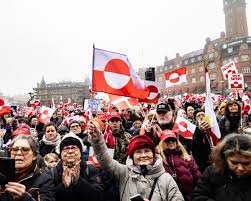 EU weighs response amid Greenland tariff crisis with Trump
 US Considers Asylum for British Jews Amid Rising Antisemitism
 ICE street raids expose a chilling future for public freedoms
 EU Says US Ties Have Suffered ‘Big Blow’ After Greenland Crisis
 Andrew Hastie Emerges as Leadership Rival to Ley
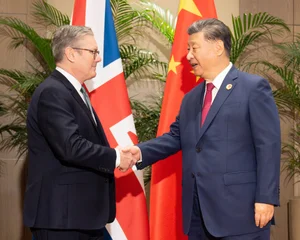 Starmer China visit underscores clear-eyed national security stance
 Starmer China visit raises human rights pressure on Beijing
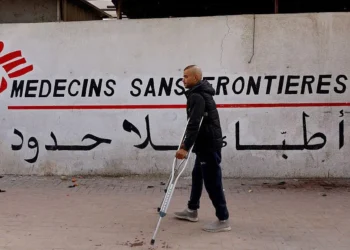 Israel Moves to Bar MSF From Gaza Operations
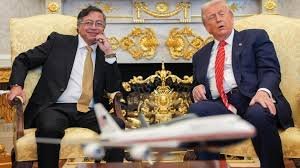 Trump Praises ‘Terrific’ Petro After White House Talks
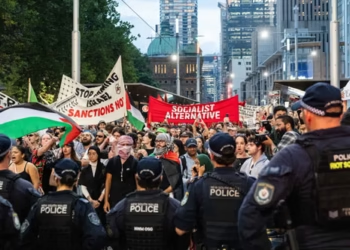 Sydney Protest Escalates and Elderly Woman Suffers Severe Injury
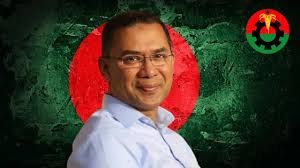 Tarique Rahman’s Rise Toward Bangladesh’s Top Job
 Glass Cliff Debate After Ley’s Ouster
 Japan Seizes Chinese Boat Amid Rising Tensions
 Australian Families Leave Syrian Camp for Home
 Trump Attacks UK-California Energy Pact
 Kim Jong-un Unveils Housing for War Families
 Trump and Chagos Deal Rift Over Iran Strikes
 Andrew Mountbatten-Windsor Arrest After FBI Radar
 Andrew Arrest Sparks Republic Debate in Australia
 Global corruption crisis: Who Washington shields
 Duterte ICC Hearing Begins Amid Defiance
 Farage Chagos Islands Row Sparks Fury
 Trump Tariffs Threat Spark UK and EU Alarm
 The Dangerous Rise of Remigration Across Modern Europe
 Trump Speech Sparks Intense Debate Across Divided America
 Jacinda Ardern Moves To Australia Following Her US Fellowships
 US to offer passport services in West Bank settlements
 Has Europe truly learned from the failures of 2022?
 Health Funding Row Rocks US‑Africa Relations
 Middle East Flights Halted After Iran Strikes
 Trump Faces Questions Over Iran Conflict Plan
 Nick Greiner Warns Over Election Review Fallout
 Herzog Asio meeting sparks security storm
 Trump Rebukes Starmer Over Iran Strikes Row
 UK Prepares Aircraft Carrier for Middle East Crisis
 Pete Hegseth Iran War Remarks Spark Alarm
 Kasasa Island Dispute Fuels Japan-China Tensions
 Trump Pressures Congress Over Save America Act
 Iranian Football Squad Asylum Drama Shocks Australia
 Queensland Protest Laws Spark Free Speech Backlash
 Oil Supply Disruption Shocks Global Energy Markets
 Eswatini Deal Sparks Global Outcry Over US Deportations
 Yvette Cooper: UK Must Follow Principles, Not US Pressure
 Trump Iran War Stance Hardens as Conflict Widens
 Hormuz Strait Crisis: Trump Pressures Allies to Act
 US Citizens Angry Over Lack of Middle East Backup Plan