Published: 17 March 2026. The English Chronicle Desk. The English Chronicle Online.
European leaders have firmly rejected renewed pressure from Donald Trump to help reopen the strategically vital Strait of Hormuz, highlighting growing divisions within Western alliances as tensions in the Middle East escalate. The standoff over the Strait of Hormuz has quickly become a defining moment for transatlantic relations, with European governments prioritising diplomacy over military intervention despite increasing economic and geopolitical risks.
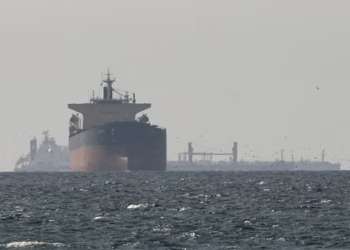
The Strait of Hormuz, a narrow maritime corridor linking the Persian Gulf to global markets, carries roughly one fifth of the world’s oil supply under normal conditions. Its effective closure following Iranian actions has sent shockwaves through global energy markets, pushing prices higher and raising fears of prolonged disruption. Despite these concerns, key European nations have resisted calls to deploy naval forces, reflecting both political caution and strategic uncertainty.
Germany has taken one of the clearest positions against military involvement. Chancellor Friedrich Merz made it clear that Berlin would not participate in any operation to reopen the Strait of Hormuz. He emphasised that no collective decision had been made within allied frameworks, effectively ruling out German naval deployment. While Merz criticised Iran’s leadership, he also warned that military escalation would likely fail to achieve lasting stability, drawing on decades of experience in the region.

Germany’s defence minister, Boris Pistorius, echoed this stance with unusually blunt remarks. He questioned the effectiveness of European warships in a conflict where the United States already possesses overwhelming naval power. His comments reflected a broader scepticism among European policymakers about being drawn into what they perceive as a conflict driven largely by American strategic priorities.
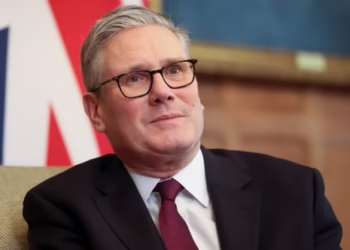
In the United Kingdom, Prime Minister Keir Starmer adopted a more cautious and measured tone. While he acknowledged the importance of reopening the Strait of Hormuz for global energy stability, he stressed that Britain would not be pulled into a wider regional war. Starmer indicated that any potential action would require broad international support and careful planning, underscoring the complexity of the situation.
Across Europe, there is a consistent emphasis on diplomatic solutions rather than military engagement. Italy’s foreign minister, Antonio Tajani, reinforced this approach by insisting that diplomacy must take precedence. He also dismissed the idea of expanding existing European Union naval missions, noting that current operations are designed for anti-piracy and defensive purposes rather than active conflict zones like the Strait of Hormuz.
This unified reluctance marks a notable shift in tone among European allies, particularly given their earlier restraint in criticising US actions. When the United States and Israel launched strikes against Iran just over two weeks ago, many European governments avoided direct condemnation. However, as the conflict has widened and its consequences become clearer, European leaders appear increasingly wary of deeper involvement.
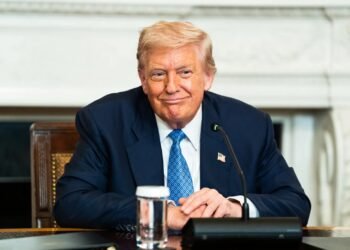
The pressure from Washington has been unmistakable. Trump has repeatedly urged allies to contribute naval forces to secure shipping lanes and restore the flow of oil through the Strait of Hormuz. He has framed the issue as a shared responsibility, arguing that countries benefiting from the route should help protect it. At the same time, he has warned that failure to respond could have serious implications for the future of NATO, raising the stakes of the disagreement.
European officials, however, are seeking greater clarity on US objectives before committing to any course of action. Concerns about the lack of a defined endgame have been widely voiced. Margus Tsahkna highlighted this uncertainty, noting that allies need to understand the broader strategy behind the current military campaign. Without clear goals, many governments are reluctant to risk further escalation.
Efforts within the European Union to adapt existing naval missions have also stalled. A proposal to extend the mandate of Operation Aspides to include the Strait of Hormuz received little support. According to EU foreign policy chief Kaja Kallas, there is a general desire to strengthen maritime security operations, but no appetite for expanding their scope into active conflict areas.
Greece, which hosts the headquarters of Operation Aspides, has similarly ruled out participation in any military operations in the strait. This position reflects a broader consensus across the continent, with countries such as France and others also declining to commit naval assets. Even traditional US partners beyond Europe, including Australia and Japan, have indicated that they have no immediate plans to become involved.
Meanwhile, the conflict itself continues to intensify, with significant consequences across the region. Israel has launched extensive strikes targeting infrastructure in major Iranian cities, including Tehran, Shiraz, and Tabriz. Israeli officials have stated that these operations are part of a broader effort to weaken Iran’s military capabilities over the coming weeks.
The situation has also had direct repercussions for neighbouring countries. In the United Arab Emirates, oil-loading operations at the port of Fujairah were temporarily suspended following a drone attack that caused a fire. Although no casualties were reported, the incident highlighted the vulnerability of critical energy infrastructure near the Strait of Hormuz. A separate drone-related event near Dubai airport further disrupted operations, underscoring the regional impact of the conflict.
In Israel, air raid sirens have sounded across central areas following missile launches from Iran. While interception systems have prevented major damage, falling debris has caused concern among civilians. Explosions reported over Jerusalem’s Old City have added to the sense of instability, reinforcing fears that the conflict could spread further.

Iranian officials have maintained a defiant stance, rejecting calls for a ceasefire while insisting that they do not seek prolonged war. Foreign minister Abbas Araghchi stated that any resolution must ensure that similar attacks are not repeated in the future. At the same time, Iranian warnings to the United States about potential ground involvement suggest that the risk of escalation remains high.
The human cost of the conflict is already significant. Reports indicate that hundreds of US troops have been wounded, while casualties in Iran have reached into the thousands, including a large number of civilians. In Lebanon, ongoing clashes involving Hezbollah have resulted in further loss of life, with many victims reported to be children. These developments have intensified humanitarian concerns and added urgency to calls for de-escalation.
Germany has also voiced strong opposition to Israel’s expanding ground operations in southern Lebanon, warning that such actions could worsen an already fragile humanitarian situation. This criticism reflects a broader European unease about the trajectory of the conflict and its potential to destabilise the wider region.
As the crisis unfolds, the refusal of European countries to deploy warships to the Strait of Hormuz underscores a deeper shift in global politics. While the transatlantic alliance remains intact, differences in strategic priorities and risk tolerance are becoming increasingly apparent. European leaders are balancing the need to protect economic interests with a desire to avoid entanglement in a complex and unpredictable conflict.
The coming weeks will be crucial in determining whether diplomatic efforts can succeed in reopening the Strait of Hormuz and restoring stability. For now, Europe’s stance signals a clear preference for negotiation over confrontation, even as pressure from Washington continues to mount.
Related News:
 British Woman in Iran ‘Losing Hope’ Amid Ongoing Detention
 BBC Journalist Held and Interrogated in Vietnam
 UK University Suspends Human Rights Research Following Pressure from China
 UK University Faces Counter-Terror Probe Over China Pressure
 BBC to Apologise Over Edited Trump Speech Amid Backlash
 Britain deploys RAF specialists to assist Belgium with drone threats
 Ukraine-Russia war latest: Putin’s troops exploit bad weather to force Kyiv withdrawal from multiple towns
 US Justice Department Files Lawsuit Against California Over Partisan Voting Maps
 Greene Pushes Epstein Files Amid Trump Fallout
 Trump Deploys DHS to Charlotte in Major Arrest Operation
 December Run-Off in Chile as Election Produces No Winner
 Canada Passes Carney’s First Budget in Tight Parliamentary Vote
 Shadow Fleet at Sea: Europe’s Battle Against Illicit Oil Shipping
 Rama Rebukes Mahmood for Targeting Albanian Families
 Pentagon Officials in Ukraine to Discuss War End
 Venezuela Threatens Nobel Winner Machado with Fugitive Status
 Trump Envoy to Discuss Ukraine Peace at Kremlin
 Georgians Defy Government Crackdown After Year of Protests
 India’s Labour Law Overhaul Sparks Fierce Debate
 Video shows Israeli troops kill Palestinians after surrender
 Chinese & Japanese Boats Clash Near Disputed Islands
 EU plans $105bn Ukraine aid using frozen Russian assets
 Global campaign launched to free Palestinian leader Barghouti
 Russia losses Ukraine war peace talks intensify amid rising deaths
 Zelenskyy Accuses Russia of Sabotaging Peace Talks
 Khaleda Zia Laid to Rest with State Honour in Dhaka
 Maduro Faces Court in New York Over Drugs and Weapons Case
 Albanese Opens Door to Bondi Royal Commission Amid Rising Pressure
 Trump Escalates Minnesota Immigration Surge Amid Rising Tensions
 Iran Protesters Defy Crackdown as Violent Clashes Intensify
 Trump Threatens Strong Action If Iran Executes Protesters
 Machado Trump medal gesture reshapes Venezuela power struggle
 Trump Receives Machado’s Nobel Medal in White House Meeting
 EU weighs response amid Greenland tariff crisis with Trump
 US Considers Asylum for British Jews Amid Rising Antisemitism
 ICE street raids expose a chilling future for public freedoms
 EU Says US Ties Have Suffered ‘Big Blow’ After Greenland Crisis
 Andrew Hastie Emerges as Leadership Rival to Ley
 Starmer China visit underscores clear-eyed national security stance
 Starmer China visit raises human rights pressure on Beijing
 Israel Moves to Bar MSF From Gaza Operations
 Trump Praises ‘Terrific’ Petro After White House Talks
 Sydney Protest Escalates and Elderly Woman Suffers Severe Injury
 Tarique Rahman’s Rise Toward Bangladesh’s Top Job
 Glass Cliff Debate After Ley’s Ouster
 Japan Seizes Chinese Boat Amid Rising Tensions
 Australian Families Leave Syrian Camp for Home
 Trump Attacks UK-California Energy Pact
 Kim Jong-un Unveils Housing for War Families
 Trump and Chagos Deal Rift Over Iran Strikes
 Andrew Mountbatten-Windsor Arrest After FBI Radar
 Andrew Arrest Sparks Republic Debate in Australia
 Global corruption crisis: Who Washington shields
 Duterte ICC Hearing Begins Amid Defiance
 Farage Chagos Islands Row Sparks Fury
 Trump Tariffs Threat Spark UK and EU Alarm
 The Dangerous Rise of Remigration Across Modern Europe
 Trump Speech Sparks Intense Debate Across Divided America
 Jacinda Ardern Moves To Australia Following Her US Fellowships
 US to offer passport services in West Bank settlements
 Has Europe truly learned from the failures of 2022?
 Health Funding Row Rocks US‑Africa Relations
 Middle East Flights Halted After Iran Strikes
 Trump Faces Questions Over Iran Conflict Plan
 Nick Greiner Warns Over Election Review Fallout
 Herzog Asio meeting sparks security storm
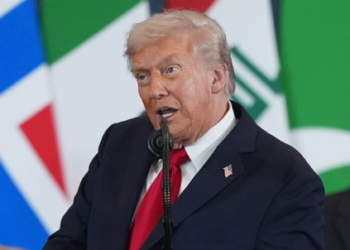 Trump Rebukes Starmer Over Iran Strikes Row
 UK Prepares Aircraft Carrier for Middle East Crisis
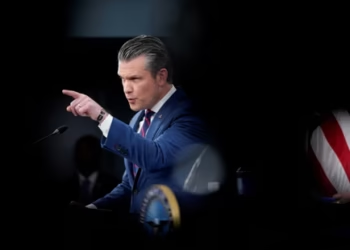 Pete Hegseth Iran War Remarks Spark Alarm
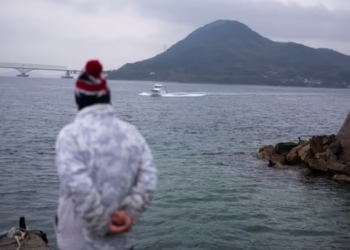 Kasasa Island Dispute Fuels Japan-China Tensions
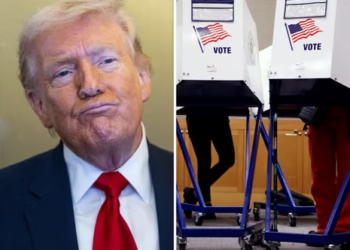 Trump Pressures Congress Over Save America Act
 Iranian Football Squad Asylum Drama Shocks Australia
 Queensland Protest Laws Spark Free Speech Backlash
 Oil Supply Disruption Shocks Global Energy Markets
 Eswatini Deal Sparks Global Outcry Over US Deportations
 Yvette Cooper: UK Must Follow Principles, Not US Pressure
 Trump Iran War Stance Hardens as Conflict Widens
 Hormuz Strait Crisis: Trump Pressures Allies to Act
 US Citizens Angry Over Lack of Middle East Backup Plan
 Nicolas Sarkozy Faces New Trial Over Libya Funding