Published: 17 March 2026. The English Chronicle Desk. The English Chronicle Online.
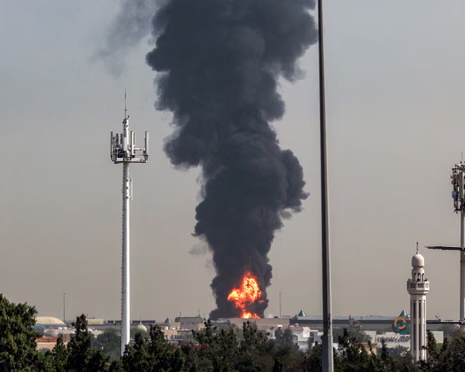
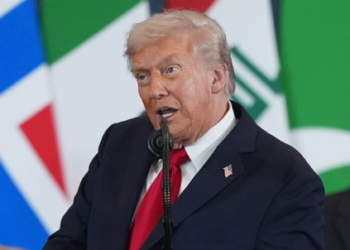
A sharp escalation in rhetoric from Donald Trump has brought renewed attention to the fragile state of Western coordination in the Gulf. His recent warnings directed at NATO allies have highlighted what many analysts describe as a clear absence of a coherent Iran strategy. The unfolding crisis in the Strait of Hormuz has revealed gaps in planning, communication, and military preparedness that extend far beyond Washington.
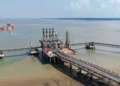
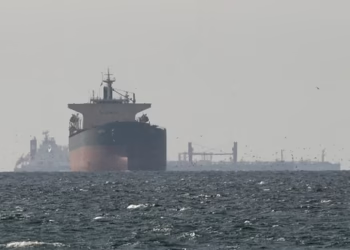
The latest developments began when Trump called on several global powers, including the United Kingdom, China, France, and Japan, to assist in escorting oil tankers through the strategically vital Strait of Hormuz. This narrow waterway remains one of the most important energy transit routes in the world, and disruptions there have immediate global consequences. However, the request appeared to catch many nations off guard, raising questions about prior coordination and shared expectations.
Despite launching coordinated strikes alongside Israel, the United States seemed unprepared for the predictable aftermath. Iran, facing limited conventional military options, has turned toward asymmetric tactics to impose costs on Western interests. These include targeting commercial shipping, threatening regional allies, and demonstrating its capacity to disrupt global trade without engaging in full-scale confrontation.
Observers note that Iran’s leadership had long anticipated such a scenario. Under the guidance of Ali Khamenei, contingency plans were reportedly developed for prolonged resistance, including multiple layers of succession planning. This foresight underscores the contrast between Tehran’s preparation and what critics argue was Washington’s reactive approach.

Over the past two weeks, US military operations have focused primarily on Iranian naval capabilities and missile infrastructure. While these strikes have degraded certain assets, they have not neutralised the broader threat to commercial shipping. According to maritime intelligence reports, at least sixteen vessels have been targeted in recent incidents, creating a climate of uncertainty for global shipping companies.
The reluctance of tanker operators to navigate the Strait of Hormuz has become increasingly evident. Insurance costs have surged, and many companies are unwilling to risk their vessels without guaranteed protection. This hesitation was met with frustration from Trump, who publicly urged shipping firms to demonstrate resilience despite the apparent lack of naval escorts.
Military analysts suggest that the US Navy’s current posture reflects a strategic calculation. By positioning assets such as the USS Abraham Lincoln carrier strike group at a safe distance, American forces can conduct airstrikes with reduced risk. However, this approach offers limited protection for civilian vessels, which remain vulnerable to unconventional attacks.
Energy Secretary Chris Wright indicated that escort operations might become feasible later in the month, following additional strikes. Yet, the timeline remains uncertain, and the gap between military capability and immediate need continues to widen. In the meantime, Iran retains a range of disruptive tools, including fast attack boats, aerial drones, and a significant stockpile of naval mines.
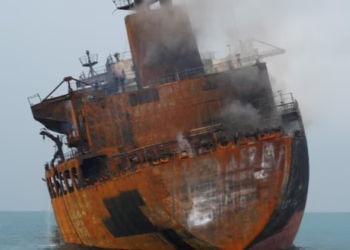
Recent evidence suggests that uncrewed surface vessels, often referred to as sea drones, have become particularly effective. These remotely operated craft can approach targets with minimal detection, delivering precise strikes against commercial ships. One such incident reportedly involved a Thai vessel, underscoring the growing sophistication of Iran’s maritime tactics.
The lack of allied naval preparation has emerged as a central issue in the crisis. Trump’s preference for unilateral action, combined with a limited willingness to engage partners before the conflict, left little time for coordinated planning. As a result, key nations did not have warships positioned for immediate deployment when tensions escalated.
Estimates from maritime experts indicate that a viable escort operation would require between eight and ten destroyers. Even then, such a force could only protect a fraction of pre-conflict shipping volumes. This stark limitation highlights the scale of the challenge and the difficulty of restoring confidence in the safety of the route.
International responses to Trump’s appeal have been notably restrained. Japan, constrained by legal and constitutional considerations, has yet to receive a formal request for participation. China has remained largely silent, reflecting its cautious approach to direct military involvement in the region. These reactions suggest a broader reluctance to become entangled in a conflict perceived as lacking clear strategic direction.
Tensions have further intensified following Trump’s remarks linking allied cooperation to the future of NATO. By suggesting that failure to assist could have serious consequences for the alliance, he has introduced a new layer of uncertainty into transatlantic relations. Critics argue that such statements risk undermining unity at a time when collective action is most needed.
The geographic scope of NATO adds complexity to the situation. As an alliance primarily focused on Europe and North America, its mandate does not naturally extend to the Middle East. Over the past year, US messaging has emphasised the importance of European nations prioritising their own regional defence. This shift makes the current expectation of involvement in the Gulf appear inconsistent to many observers.
France has taken a measured approach, deploying naval assets to the eastern Mediterranean while stopping short of entering the Strait of Hormuz. French officials have indicated that they prefer to wait until the most intense phase of fighting subsides. This cautious stance reflects both strategic calculation and domestic considerations.
The United Kingdom has faced its own challenges in responding to the crisis. Efforts to deploy a destroyer have been hampered by logistical constraints, with HMS Dragon rushed out of maintenance to support operations. The situation has drawn criticism from defence analysts, who argue that the UK should have anticipated the need for a stronger presence in the region.
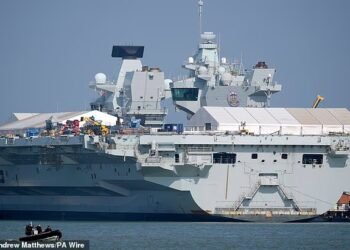
At the same time, the Royal Navy’s commitments elsewhere have complicated its ability to respond quickly. Plans to deploy the HMS Prince of Wales carrier for an Arctic mission have taken priority, reflecting earlier strategic directives. This allocation of resources illustrates the broader tension between global commitments and emerging crises.
The current situation underscores a deeper issue within Western policy toward Iran. While military القوة remains a central component, the absence of a comprehensive strategy encompassing diplomacy, economic measures, and alliance coordination has become increasingly apparent. Without such a framework, individual actions risk producing unintended consequences.

Energy markets have already begun to react to the instability. Even limited disruptions in the Strait of Hormuz can have significant impacts on global oil prices, affecting economies far beyond the immediate region. The uncertainty surrounding future developments has added to volatility, raising concerns among policymakers and industry leaders alike.
For many analysts, the crisis represents a critical test of international cooperation. The ability of Western nations to align their strategies and share responsibilities will play a decisive role in shaping the outcome. However, the current lack of consensus suggests that achieving such coordination will be challenging.
Trump’s approach, characterised by direct demands and conditional support, has further complicated the diplomatic landscape. While his supporters argue that this style encourages burden-sharing, critics contend that it risks alienating key partners. The balance between assertiveness and collaboration remains a central question in US foreign policy.
As the situation continues to evolve, the focus will likely shift toward finding a sustainable path forward. This may involve renewed diplomatic efforts, adjustments in military posture, and a reassessment of alliance roles. The lessons learned from this episode could have lasting implications for how future crises are managed.
Ultimately, the events unfolding in the Strait of Hormuz highlight the importance of preparation and strategic clarity. Without a well-defined plan, even the most powerful nations can find themselves reacting to events rather than shaping them. The coming weeks will reveal whether the current approach can adapt to the realities on the ground or whether deeper changes will be required.
Related News:
 British Woman in Iran ‘Losing Hope’ Amid Ongoing Detention
 BBC Journalist Held and Interrogated in Vietnam
 UK University Suspends Human Rights Research Following Pressure from China
 UK University Faces Counter-Terror Probe Over China Pressure
 BBC to Apologise Over Edited Trump Speech Amid Backlash
 Britain deploys RAF specialists to assist Belgium with drone threats
 Ukraine-Russia war latest: Putin’s troops exploit bad weather to force Kyiv withdrawal from multiple towns
 US Justice Department Files Lawsuit Against California Over Partisan Voting Maps
 Greene Pushes Epstein Files Amid Trump Fallout
 Trump Deploys DHS to Charlotte in Major Arrest Operation
 December Run-Off in Chile as Election Produces No Winner
 Canada Passes Carney’s First Budget in Tight Parliamentary Vote
 Shadow Fleet at Sea: Europe’s Battle Against Illicit Oil Shipping
 Rama Rebukes Mahmood for Targeting Albanian Families
 Pentagon Officials in Ukraine to Discuss War End
 Venezuela Threatens Nobel Winner Machado with Fugitive Status
 Trump Envoy to Discuss Ukraine Peace at Kremlin
 Georgians Defy Government Crackdown After Year of Protests
 India’s Labour Law Overhaul Sparks Fierce Debate
 Video shows Israeli troops kill Palestinians after surrender
 Chinese & Japanese Boats Clash Near Disputed Islands
 EU plans $105bn Ukraine aid using frozen Russian assets
 Global campaign launched to free Palestinian leader Barghouti
 Russia losses Ukraine war peace talks intensify amid rising deaths
 Zelenskyy Accuses Russia of Sabotaging Peace Talks
 Khaleda Zia Laid to Rest with State Honour in Dhaka
 Maduro Faces Court in New York Over Drugs and Weapons Case
 Albanese Opens Door to Bondi Royal Commission Amid Rising Pressure
 Trump Escalates Minnesota Immigration Surge Amid Rising Tensions
 Iran Protesters Defy Crackdown as Violent Clashes Intensify
 Trump Threatens Strong Action If Iran Executes Protesters
 Machado Trump medal gesture reshapes Venezuela power struggle
 Trump Receives Machado’s Nobel Medal in White House Meeting
 EU weighs response amid Greenland tariff crisis with Trump
 US Considers Asylum for British Jews Amid Rising Antisemitism
 ICE street raids expose a chilling future for public freedoms
 EU Says US Ties Have Suffered ‘Big Blow’ After Greenland Crisis
 Andrew Hastie Emerges as Leadership Rival to Ley
 Starmer China visit underscores clear-eyed national security stance
 Starmer China visit raises human rights pressure on Beijing
 Israel Moves to Bar MSF From Gaza Operations
 Trump Praises ‘Terrific’ Petro After White House Talks
 Sydney Protest Escalates and Elderly Woman Suffers Severe Injury
 Tarique Rahman’s Rise Toward Bangladesh’s Top Job
 Glass Cliff Debate After Ley’s Ouster
 Japan Seizes Chinese Boat Amid Rising Tensions
 Australian Families Leave Syrian Camp for Home
 Trump Attacks UK-California Energy Pact
 Kim Jong-un Unveils Housing for War Families
 Trump and Chagos Deal Rift Over Iran Strikes
 Andrew Mountbatten-Windsor Arrest After FBI Radar
 Andrew Arrest Sparks Republic Debate in Australia
 Global corruption crisis: Who Washington shields
 Duterte ICC Hearing Begins Amid Defiance
 Farage Chagos Islands Row Sparks Fury
 Trump Tariffs Threat Spark UK and EU Alarm
 The Dangerous Rise of Remigration Across Modern Europe
 Trump Speech Sparks Intense Debate Across Divided America
 Jacinda Ardern Moves To Australia Following Her US Fellowships
 US to offer passport services in West Bank settlements
 Has Europe truly learned from the failures of 2022?
 Health Funding Row Rocks US‑Africa Relations
 Middle East Flights Halted After Iran Strikes
 Trump Faces Questions Over Iran Conflict Plan
 Nick Greiner Warns Over Election Review Fallout
 Herzog Asio meeting sparks security storm
 Trump Rebukes Starmer Over Iran Strikes Row
 UK Prepares Aircraft Carrier for Middle East Crisis
 Pete Hegseth Iran War Remarks Spark Alarm
 Kasasa Island Dispute Fuels Japan-China Tensions
 Trump Pressures Congress Over Save America Act
 Iranian Football Squad Asylum Drama Shocks Australia
 Queensland Protest Laws Spark Free Speech Backlash
 Oil Supply Disruption Shocks Global Energy Markets
 Eswatini Deal Sparks Global Outcry Over US Deportations
 Yvette Cooper: UK Must Follow Principles, Not US Pressure
 Trump Iran War Stance Hardens as Conflict Widens
 Hormuz Strait Crisis: Trump Pressures Allies to Act
 US Citizens Angry Over Lack of Middle East Backup Plan
 Nicolas Sarkozy Faces New Trial Over Libya Funding