Published: 19 March 2026. The English Chronicle Desk. The English Chronicle Online.
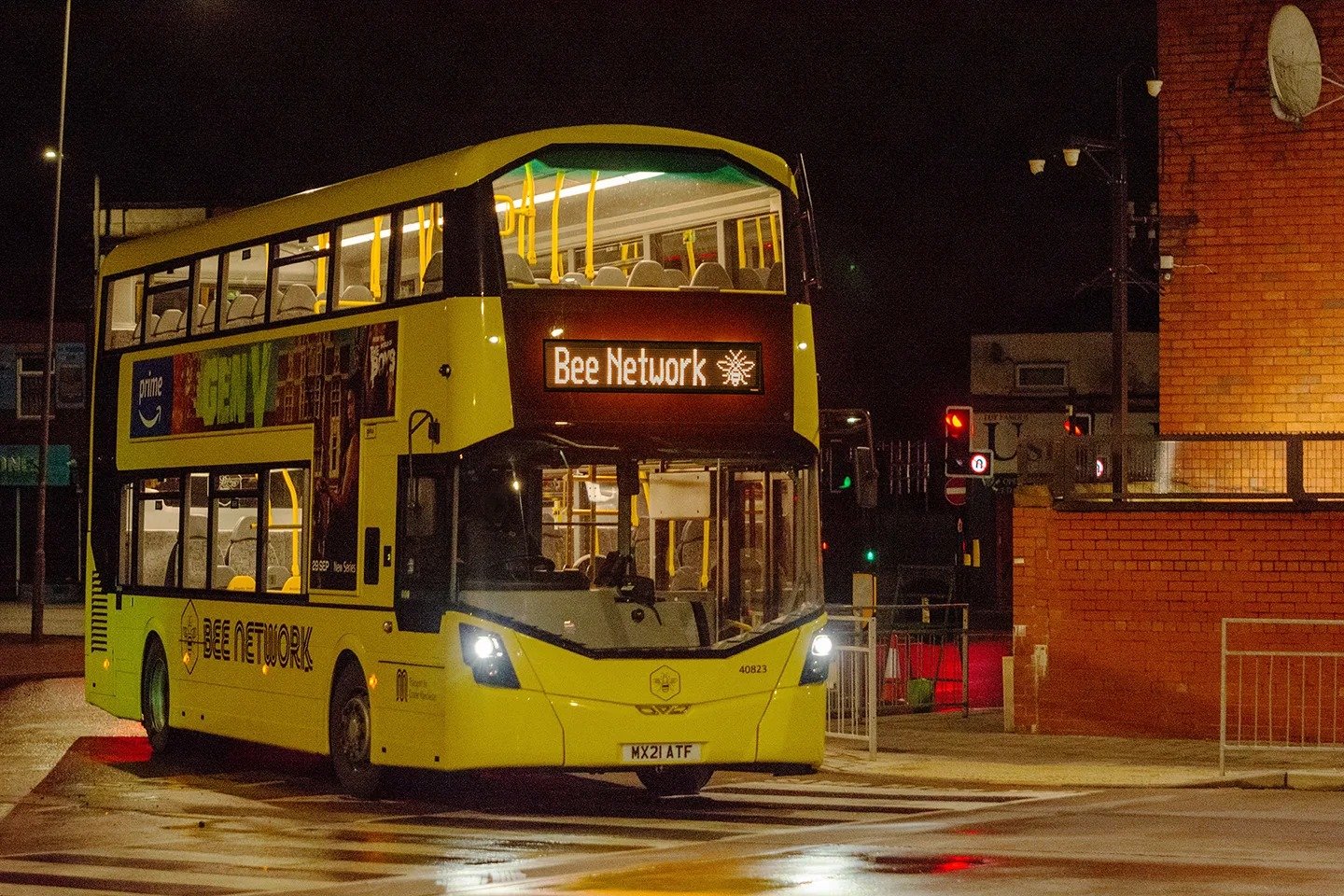
Greater Manchester is preparing to expand its public transport system with major improvements. Night bus services will soon operate across all boroughs within the city region. This marks a significant step in strengthening connectivity and accessibility for local residents.
The expansion is part of the growing Bee Network, a publicly controlled transport system. The initiative aims to create a more integrated and reliable service for passengers. Officials believe these changes will support economic growth and improve daily commuting experiences.
Andy Burnham announced the new plans alongside updated transport performance data. He highlighted strong growth in ridership since buses returned to public control. This transition began in 2023 and has since reshaped local transport services significantly.

According to Transport for Greater Manchester, around 740,000 residents will benefit from the changes. This figure represents roughly one quarter of the region’s total population. The improvements are expected to reach communities that previously lacked sufficient transport options.
The return of night bus services across all ten boroughs is particularly significant. Some areas have lacked late night public transport for several years. The new services will help support workers, visitors, and the growing night time economy.
Burnham described the move as essential for a modern and inclusive urban transport system. He emphasised that reliable night services should be a basic feature in major cities. The changes aim to reflect the evolving needs of Greater Manchester’s population.
The Bee Network was launched in late 2023 as a major transport reform project. It became the first integrated system outside London with unified fares and coordinated routes. This model allows greater control over services and pricing across the region.
Since its introduction, the network has recorded notable increases in passenger numbers. Bus journeys have risen by around fourteen percent within a single year. This growth indicates rising public confidence in the improved transport system.
The total distance covered by buses has also increased significantly during the same period. Services expanded by seven percent, reaching more than eighty two million kilometres annually. This rate of growth exceeds that seen in other parts of England.
New night bus routes will connect areas including Oldham, Stockport, Trafford, and Tameside. Some routes will operate throughout the week, while others will run during peak weekend periods. This flexible approach aims to match demand and improve efficiency.
In addition to residential areas, services will extend to key employment and economic hubs. These include business parks in Rochdale and Bolton, as well as MediaCityUK in Salford. Improved access to these locations is expected to support job opportunities and business activity.
Connections to major travel points will also be enhanced under the new plans. Manchester Airport will benefit from improved late night and early morning transport links. This will help both workers and passengers travelling at unconventional hours.
Burnham stated that improving transport can have a wider impact on social and economic conditions. He argued that better connectivity strengthens communities and supports inclusive growth across the region. Public transport remains a vital part of everyday life for many residents.
He also suggested that strong local services can counter negative political narratives. By delivering practical improvements, leaders can build trust and confidence among communities. This approach reflects a broader vision for regional development and governance.
The success of the Bee Network has attracted attention from other regions in northern England. Leaders are exploring similar models to improve their own transport systems. These developments highlight growing interest in public control and integrated transport planning.
Oliver Coppard recently announced plans for a comparable system in his region. The proposed People’s Network aims to integrate trams and buses under unified management. This reflects a wider trend toward regional transport reform across the country.
Future developments may be supported by new government policies on regional funding and control. Rachel Reeves has proposed devolving greater financial powers to local authorities. This could provide additional resources for infrastructure and service improvements.

Burnham described this moment as potentially transformative for regional governance and development. He suggested it could mark a major shift in how cities manage growth and public services. Increased autonomy may allow more tailored solutions to local challenges.
The expansion of night bus services represents a key milestone in the Bee Network’s evolution. It demonstrates the impact of public control on service quality and accessibility. For many residents, these changes will improve daily life and travel convenience.
As Greater Manchester continues to develop its transport system, expectations remain high for further progress. The success of these initiatives may influence national policy and inspire similar reforms elsewhere. The coming months will be crucial in delivering these ambitious plans.
Related News:
 British Woman in Iran ‘Losing Hope’ Amid Ongoing Detention
 BBC Journalist Held and Interrogated in Vietnam
 Green Party Surges Past Labour in Latest UK Poll
 Celebrities and Charities Demand UK Government Act on Child Poverty
 Trump’s UK Ambassador Urges North Sea Drilling to Strengthen US Ties
 FBI Director Kash Patel Defends Girlfriend Amid Government Jet Claims
 French Taxi Driver Cleared in David Lammy Theft Case After Fare Dispute
 ‘Reckless’ cuts to victims’ services will cost more than they save
 Millionaires group urge Reeves to introduce wealth tax to ‘lift kids out of poverty’
 Starmer Faces Growing Dissent as Labour MPs Weigh Leadership Challenge
 Reeves rejects £1bn plea for NHS redundancy payouts
 Politics latest: Starmer ‘will fight any leadership coup’ as Streeting denies attempt to oust Labour PM
 PM Condemns Leaks, Vows Loyalty to Ministers and Stability
 Major Rent Reform Ends No-Fault Evictions in England
 Peers Flood Assisted Dying Bill with 942 Amendments
 England’s Special Needs Support Faces Breaking Point
 MoD warned over Excel risks before Afghan data breach
 Labour Faces Historic Decline in Wales
 PM Highlights UK Business at G20 in South Africa
 Kate Forbes: Motherhood Harder Than Politics
 Most Tories Expect to Support a Farage-Led Government
 Labour MP claims devolution bill is ‘blatant discrimination’ against Cornwall
 Millions Face Higher Taxes Under Reeves New Budget
 Peers Get Extra Time to Debate Assisted Dying Bill
 Starmer Says Labour’s Economic Plan Needs Years to Deliver
 Culture secretary to review Telegraph takeover by Daily Mail owner
 Plans to Limit Jury Trials Face Retreat After Mounting Opposition
 Right Must Unite After Jenrick Defection, Urges Rees-Mogg
 UK Ministers Drop Foreign Student Targets for Global Education Push
 MPs warn AI financial risks threaten UK stability
 MPs warn AI financial risks threaten UK stability
 No Gas Boiler Ban as UK Warm Homes Plan Backs Heat Pumps
 Hugh Grant Joins Call for Under-16 Social Media Ban in UK
 Shinzo Abe’s killer receives life sentence in Japan
 Lords Vote Piles Pressure on Starmer Over Social Media Ban
 Reform UK Health Plan ‘Would Cost £1.7bn’, Streeting Says
 Police response times face strict new national limits
 Labour policing overhaul sparks fears over growing central control
 Tories criticised after Braverman defection sparks mental health row
 Burnham Westminster return hopes fade amid Labour rift
 Starmer warns of toxic division politics in Reform challenge
 Starmer China visit raises human rights pressure on Beijing
 Labour Must Revive High Streets to Avoid Election Collapse
 Calls Grow for King Charles to Apologise for Crown’s Role in Slavery
 Palantir contracts face UK halt calls over transparency
 Labour Thinktank Row Deepens Over Journalist Probe Claims
 Labour Lord Doyle Apologises Over Paedophile Ties in Political Storm
 Cabinet Secretary Shake-Up Triggers Due Diligence Warning
 Starmer Faces Inquiry Calls Over Thinktank Probe
 Royal Mail Delivery Crisis Deepens Amid Weather Chaos
 Labour Together probe scandal sparks fresh Cabinet Office investigation
 Royal Mail Blames Poor Weather and Sickness for Delayed Deliveries
 Farage to Name Jenrick as Reform Chancellor Pick
 NHS Negligence Ruling Raises Payout Costs
 Civil Service Pay: Union Urges Ministers to End ‘Barking Mad’ Limits
 Antonia Romeo appointment sparks criticism
 Trump and Chagos Deal Rift Over Iran Strikes
 Farage Chagos Islands Row Sparks Fury
 Trump Tariffs Threat Spark UK and EU Alarm
 Gasfield Deal Sparks Debate Over Fracking in Lincolnshire
 Reform UK targets workers’ rights repeal
 Mandelson Denounces Arrest Over ‘Baseless’ Fleeing Claims
 Russian Trade Routed Through British Islands Exposed
 Mandelson Arrest: Met Apologises to Hoyle
 Palestine Action ban appeal moves forward
 Reeves Must Back Defence Plan or Face Dismissal, Says Unite Chief
 NHS Maternity Units Cover Up Harmful Childbirth Errors
 Green Party Stuns Labour in Gorton and Denton Byelection
 Refugee Status Overhaul Sparks UK Debate
 Trump Rebukes Starmer Over Iran Strikes Row
 BBC Charter Reform Sparks Independence Battle
 Asylum Seekers to Work After Year-Long Wait
 Thousands Protest Iran Strikes Outside US Embassy London
 US Bombers Arrive at RAF Base Amid Rising Iran Tensions
 UK Prepares Aircraft Carrier for Middle East Crisis
 UK Oil and Gas Supplies Reassured Amid Middle East Concerns
 Proposed Law Leaves Gap for Children of Convicted Paedophiles
 Ministers Urged to Act Faster on Deepfakes Threat
 Yvette Cooper: UK Must Follow Principles, Not US Pressure
 UK Cuts Climate Aid by 14% in Strategic Refocus