Published: 06 July ‘2025. The English Chronicle Desk
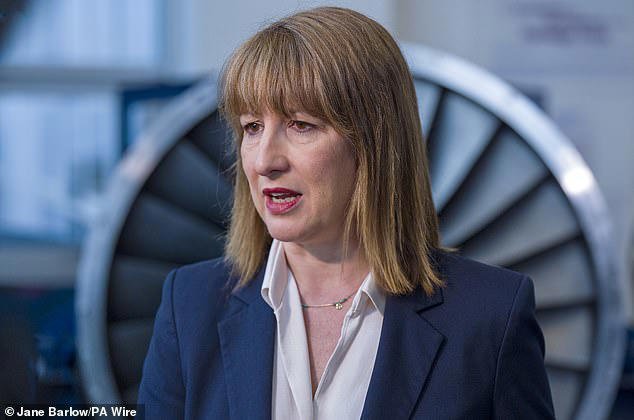
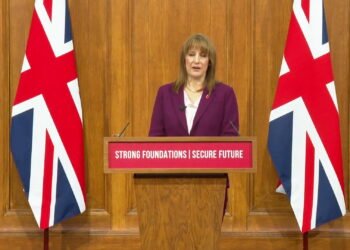
Rachel Reeves, the UK’s first female chancellor, is facing mounting pressure to impose significant tax increases in the upcoming autumn budget, as a leading economic think tank warns of a looming £41.2 billion fiscal shortfall by 2029–30. The National Institute of Economic and Social Research (NIESR), in its latest UK economic outlook, has cautioned that the government is on track to breach its own fiscal rules unless decisive action is taken.
According to NIESR, the government’s primary fiscal mandate — that everyday public spending must be fully covered by tax revenues — will be missed unless urgent corrective measures are introduced. The dire warning adds to the growing concerns over the sustainability of current spending levels amid sluggish economic growth, higher-than-expected government borrowing, and a reversal of planned welfare cuts that would have delivered £6.25 billion in savings.

The institute described the chancellor’s predicament as an “impossible trilemma”: an unresolvable conflict between maintaining fiscal discipline, honouring expensive public service commitments, and sticking to Labour’s manifesto promises — particularly its repeated pledge not to raise taxes on “working people.” Both Reeves and Prime Minister Keir Starmer have firmly ruled out increases to income tax, national insurance, or VAT, sparking speculation about alternative revenue-generating measures, including the potential introduction of a wealth tax.
The fiscal gap presents a formidable challenge for Reeves, who must now choose between breaking manifesto pledges, scaling back spending commitments, or veering off the fiscal path Labour promised during the general election. Analysts warn that failing to act could shake investor confidence and raise borrowing costs.
Conservative shadow chancellor Sir Mel Stride wasted no time in criticising the government, attributing the financial predicament to what he called “Labour’s economic mismanagement.” He argued that the newly elected Labour government was already steering the economy into uncertainty, and claimed their policy contradictions were becoming increasingly evident just weeks into their term.
As the autumn budget draws nearer, political and economic pressures are likely to intensify. Observers expect the chancellor to begin laying the groundwork for potential tax reforms in coming months, even as she attempts to reassure the public that the burden will not fall on ordinary working families.
The outcome of this fiscal balancing act will have significant consequences not only for Labour’s credibility but also for the long-term health of the UK economy. Whether Reeves can successfully navigate the treacherous path ahead remains one of the most pressing political questions of the new administration.
Related News:
 MPs Warn Thousands Still Face Poverty Despite Labour’s Welfare Reform Retreat
 Labour Members Push for Wealth Tax as Public Finance Crisis Deepens
 Larger Families Could Gain Thousands if Labour Ends Two-Child Benefit Cap
 Reeves Weighs New Property Tax on Homes Worth Over £500,000
 Rachel Reeves Hosts Top UK and US Financial Executives as Trump’s State Visit Begins
 Privatisation of UK Industries Exacerbates Cost of Living Crisis, Warns Green Party Leader
 Resolution Foundation Chief Urges Chancellor Reeves to Rethink Budget Before November
 Farage’s Reform UK Receives £100,000 from Design Firm with Past Tax Issues
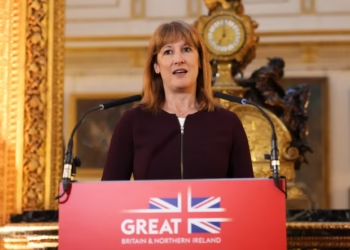 Rachel Reeves Faces Criticism Over Appearance at Gambling Industry Event Amid Tax Review
 King Charles Earns Over £1 Million from Duchy Land Linked to Scrapped HS2 Project
 Gatwick Secures Approval for £2.2bn Second Runway Expansion
 Labour to Unveil Ambitious Plan for 12 New Towns to Tackle England’s Housing Crisis
 UK Employment Bill Set to Grant Millions Greater Job Security, Thinktank Analysis Finds
 Holding Reform to Account: Why a Principled Conservative Future Matters
 Kemi Badenoch Unveils ‘Golden Rule’ to Halve Spending Cuts for Deficit Reduction at Tory Conference
 Bridget Phillipson Urges Starmer to Scrap Two-Child Benefit Cap
Rachel Reeves to Confirm Changes to Britain’s Planning System
Rachel Reeves Signals Tax Rises, Spending Cuts Ahead
Bridget Phillipson Urges Starmer to Scrap Two-Child Benefit Cap
Rachel Reeves to Confirm Changes to Britain’s Planning System
Rachel Reeves Signals Tax Rises, Spending Cuts Ahead
 Rachel Reeves urged to consider welfare cuts to boost fiscal credibility
 Rachel Reeves to lead UK trade push in Saudi Arabia amid rights debate
 Green Party Surges Past Labour in Latest UK Poll
 Celebrities and Charities Demand UK Government Act on Child Poverty
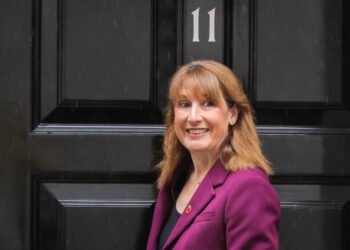 Rachel Reeves Eyes 20% Tax on Assets for UK Departures
 Trump’s UK Ambassador Urges North Sea Drilling to Strengthen US Ties
 Rachel Reeves Set to Break Labour Pledge and Raise Income Tax
Thinktanks Urge Rachel Reeves to Reform UK Tax System
MPs Press Rachel Reeves to Hike Gambling Taxes
Rachel Reeves Set to Break Labour Pledge and Raise Income Tax
Thinktanks Urge Rachel Reeves to Reform UK Tax System
MPs Press Rachel Reeves to Hike Gambling Taxes
 Labour Urged to Honour Tax Pledges Ahead of Budget
 Labour Falls to Fourth in Poll, Faces Historic Election Loss
 Cuts to home insulation funding threaten UK climate goals
 PM Highlights UK Business at G20 in South Africa
Reeves to Crack Down on Benefit Fraud While Lifting Two-Child Limit
PM Highlights UK Business at G20 in South Africa
Reeves to Crack Down on Benefit Fraud While Lifting Two-Child Limit
 Starmer Says Labour’s Economic Plan Needs Years to Deliver
 UK Must Act with Courage and Clarity on Israel-Palestine Conflict, Says Foreign Affairs Committee Report
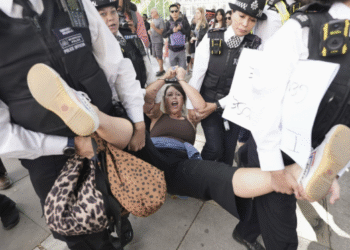 Mass Arrests in London as Protest Defies Ban on Palestine Action
 Russell T Davies Warns of Declining UK Gay Rights Amid Rise of Reform UK and Trump Influence
 UK Government Expands ‘Deport Now, Appeal Later’ Policy to 23 Countries
 Farage Accuses PM of ‘Democratic Disparity’ in House of Lords Representation
 Palestine Action Ban Protesters Plan Tactic to Overwhelm Police at Next London Demonstration
 Retail Sales See Uptick Amid Errors and Delays as ONS Faces Scrutiny
 Protests Expected as Israeli Arms Firms Join Global Defence Trade Fair in London
 UK Retail Sales Rise in August, but Tax Concerns Loom Over Festive Period
 UK Rejoining EU ‘Unlikely in My Lifetime,’ Says Starmer’s Europe Reset Negotiator
 UK Graduates in Healthcare Report Highest Satisfaction with Degree Choices
 ‘Unite the Kingdom’ Rally Sparks Fears of Far-Right Normalisation Among Minority Britons
 UK Labour Market Shows Signs of Cooling as Wage Growth Slows and Redundancies Rise
 France Proposes Ceiling on UK Role in €150bn EU Defence Fund
 Thousands Gather in London to Protest Donald Trump’s Second UK State Visit
 Zarah Sultana Seeks Legal Action After Bitter Clash with Jeremy Corbyn Over Party Membership Funds
 Top Andy Burnham Ally Launches Fierce Critique of Starmer Ahead of Labour Conference
 Mahmood Pledges Reform of Modern Slavery Laws After Court Blocks Deportation Appeal
 It Changed My View’: Campaign Encourages Pupils in Deprived Areas to Consider University
 UK Government Backs Return of International Rail Travel to Kent Stations
 UK Fighter Jet Purchase Could Breach Nuclear Treaty, Warns CND
 Ed Miliband Urges Labour to Confront Billionaire-Backed Opposition to Net Zero Goals
 A Third of EU Citizens in UK Report Discrimination by Public Bodies Post-Brexit
 Senior Tories Condemn Badenoch’s Vow to Repeal Climate Change Act as Catastrophic
 Home Secretary condemns Gaza protests after Manchester synagogue attack as “un-British”
 UK households brace for October benefit payments and rising energy costs amid cost-of-living pressures
 Digital ID Plans Ignite Debate Over £600m Treasury Tax Boost and Privacy Concerns
 Robert Jenrick Reiterates Controversial Comments on Birmingham’s Integration as Backlash Grows
 Public Trust in SNP Hits Historic Low Amid NHS Concerns
 Yvette Cooper Backs Digital ID Plan for UK Teens
 Johnson Suggests Mandelson Linked to China Spy Controversy
 Ministry of Justice fails to file £11bn in spending receipts
Rachel Reeves signals welfare reform ahead of key budget
Ministry of Justice fails to file £11bn in spending receipts
Rachel Reeves signals welfare reform ahead of key budget
 Reform UK candidate fined £19,000 after using AI-generated cases to challenge election
 William Steps Up Over Prince Andrew Palace Response
 Zarah Sultana Launches Party to Change Politics
 FBI Director Kash Patel Defends Girlfriend Amid Government Jet Claims
 Tony Blair think tank warns Rachel Reeves must cut taxes if manifesto broken
 Starmer Faces Growing Dissent as Labour MPs Weigh Leadership Challenge
 Pressure Mounts on Starmer to Sack Chief of Staff Over Briefing Row
 Peers Flood Assisted Dying Bill with 942 Amendments
 Global markets drop amid tech sell-off and China slowdown
 Mossmorran Plant Closure Hits Cowdenbeath Hard
 Most Tories Expect to Support a Farage-Led Government
 Labour MP claims devolution bill is ‘blatant discrimination’ against Cornwall
 Millions Face Higher Taxes Under Reeves New Budget
 Rising Water Bills Lift Troubled Thames Back to Profit