Published: March 30, 2026. The English Chronicle Desk. The English Chronicle Online—Providing trusted news and professional analysis for the UK.
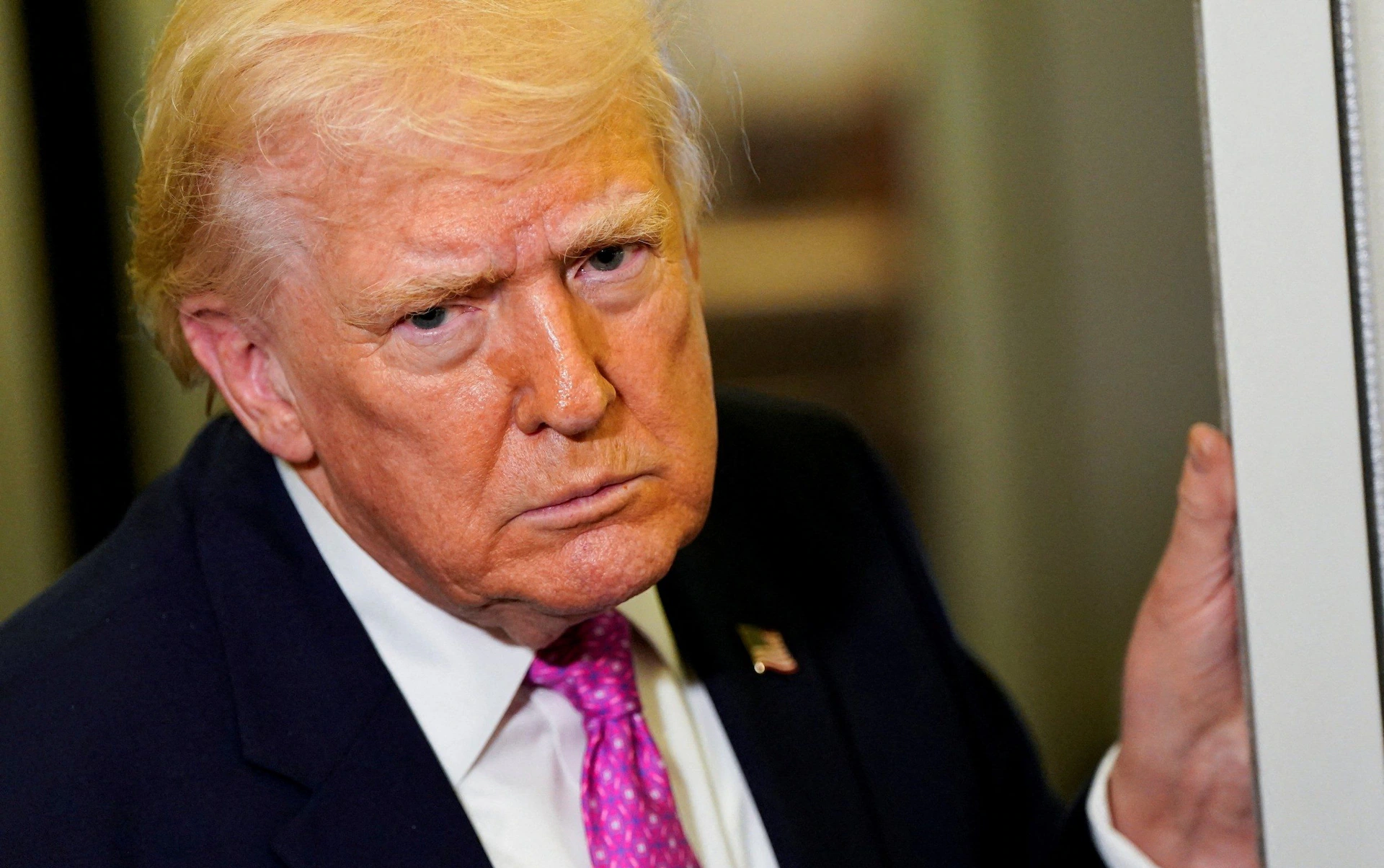
President Donald Trump has reportedly signaled to Pentagon officials that he is weighing a high-stakes military ground operation to “seize and secure” Iran’s stockpiles of enriched uranium. According to high-level leaks from a National Security Council meeting held late Sunday, the President has grown increasingly frustrated with the “failure” of the ongoing “Operation Epic Fury” air campaign to fully neutralize Iran’s nuclear capabilities. The proposed plan, which military insiders have dubbed “Operation Isotope,” would involve a lightning strike by elite Special Operations forces and airborne divisions into the heart of the Iranian plateau, specifically targeting the heavily fortified underground facilities at Natanz and Fordow.

The shift from a “containment” strategy to one of “physical seizure” represents the most significant escalation in U.S. foreign policy since the 2003 invasion of Iraq. In a characteristic post on his social media platform earlier today, the President stated that the U.S. “cannot allow a rogue regime to sit on mountains of nuclear fuel while they threaten our allies.” Analysts suggest that the administration believes a physical takeover of the uranium is the only way to provide a permanent “guarantee” against Iranian nuclear breakout. However, the logistical challenges are immense; both Fordow and Natanz are buried deep under mountain rock, designed specifically to withstand the very type of “bunker-buster” munitions and specialized ground incursions the U.S. is now considering.
The international reaction has been one of profound alarm. UK Prime Minister Sir Keir Starmer is understood to have held an emergency phone call with the President this morning, reportedly urging “strategic patience” and highlighting the “uncalculable risk” to global stability. European allies, particularly France and Germany, have warned that a ground invasion of sovereign Iranian territory to seize assets would likely trigger a full-scale regional war, involving Hezbollah in Lebanon and various militias across Iraq and Syria. Even within the U.S. military establishment, there are whispers of dissent; some senior generals have reportedly warned that “securing” the material is one thing, but “extracting” it safely from an active combat zone while under heavy fire is a mission with a perilously low margin for error.

As the $500 million loss of the THAAD radar in the UAE continues to sting the Pentagon, the move toward a ground operation is seen by some as a “double-down” strategy to regain the tactical initiative. If “Operation Isotope” proceeds, it would mark the first time a nuclear-capable nation has attempted to forcibly remove the atomic fuel of another sovereign power through a ground assault. With oil prices already hovering at $116 and global markets in a state of near-collapse, the world is now watching Washington with bated breath, waiting to see if the President will pull the trigger on a mission that could redefine global security—or ignite a conflict that consumes the entire Middle East.
Related News:
 UK Fighter Jet Purchase Could Breach Nuclear Treaty, Warns CND
 Russia repeatedly targets UK military satellites, warns Space Command chief
 Experts Warn Russia’s Burevestnik Missile Could Destabilise Arms Control
 Britain deploys RAF specialists to assist Belgium with drone threats
 Night after night, Belgium is on high alert.
 Ukraine to Get 100 French Rafale Jets in Historic Deal
 Iran Signals Permanent Break From Global Internet, Activists Warn
 Bill Gates Pulls Out of India’s AI Summit Over Epstein Files Controversy
 Musk Cuts Starlink Access for Russian Forces – Giving Ukraine an Edge at the Front
 Why Russia Controls Its People With a Flick of a Switch
 Protesters Rally in San Francisco Against OpenAI Deal With Pentagon
 Baba Vanga’s Chilling World War 3 Prediction and Russia’s New Leader
 Iran Social Media Strategy Shifts to Information War
 Cluster Strikes Test Israel’s Missile Defences
 Zelensky Visits Saudi Arabia After Offering Drone Expertise
 UK Must Act with Courage and Clarity on Israel-Palestine Conflict, Says Foreign Affairs Committee Report
 Radioactive Leak at UK’s Nuclear Warhead Base Sparks Outcry Over Safety and Secrecy
 Mutual Inconvenience: Why Alaska Was Chosen for the Trump-Putin Summit on Ukraine
 Hong Kong Summons UK and Australian Envoys Following Asylum Grants to Democracy Activists
 Is the UK Ready to Put Boots on the Ground in Ukraine? Assessing Military Capacity and Challenges
 Conservative Influencer Charlie Kirk Fatally Shot During University Debate
 Channel Crossings Surge: Over 1,000 People Arrive in the UK in Small Boats in a Single Day
 Widow of Charlie Kirk Forgives Killer at Emotional Memorial Service
 Google at 27: The Untold Story of Ruth Kedar, the Woman Behind the Iconic Logo
 Yvette Cooper Signals Global Momentum Towards Gaza Peace Deal Amid Humanitarian Crisis
 Public Trust in SNP Hits Historic Low Amid NHS Concerns
 Johnson Suggests Mandelson Linked to China Spy Controversy
 Rachel Reeves signals welfare reform ahead of key budget
 Reform UK candidate fined £19,000 after using AI-generated cases to challenge election
 Russia’s Latest Push to Win US Favors Shows Deep Desperation
 BBC to Apologise Over Edited Trump Speech Amid Backlash
 Trump Urges Herzog to Grant Netanyahu Full Pardon
 Indian authorities demolish Kashmir home linked to Red Fort blast
 Greene Pushes Epstein Files Amid Trump Fallout
 December Run-Off in Chile as Election Produces No Winner
 Canada Passes Carney’s First Budget in Tight Parliamentary Vote
 Shadow Fleet at Sea: Europe’s Battle Against Illicit Oil Shipping
 India’s COP30 Delay Raises Global Climate Concerns
 Georgians Defy Government Crackdown After Year of Protests
 Albanese Opens Door to Bondi Royal Commission Amid Rising Pressure
 US Clears Nvidia AI Chip Sales to China in Policy Shift
 EU weighs response amid Greenland tariff crisis with Trump
 EU Says US Ties Have Suffered ‘Big Blow’ After Greenland Crisis
 UK New Car Discounts Near £6,000 as Prices Are Slashed
 Israel Moves to Bar MSF From Gaza Operations
 Australian Families Leave Syrian Camp for Home
 Starmer Weighs Fast-Tracking Defence Boost
 Nine Arrested in France Over Death of Far‑Right Student
 Indian University Kicked Out of AI Summit for Claiming Chinese Robot Dog as Its Own Invention
 Andrew Arrest Sparks Republic Debate in Australia
 How Do You Modernise Mango Farming? India’s Growers Urged to Innovate as Climate Change Hits
 Australian PM Says Former Prince Andrew Has Suffered ‘Extraordinary Fall’ but That Won’t Prompt Republic Referendum
 Farage Chagos Islands Row Sparks Fury
 Ukraine Negotiator Reveals What It Feels Like Facing Russia
 Chad Shuts Border With Sudan in Bid to Stop Conflict Spreading
 French Minister Moves to Block US Envoy Kushner from Government Access
 Has Europe truly learned from the failures of 2022?
 American Citizen Killed in Cuba Boat Shooting, U.S. Officials Say
 Social Media Trial: Woman Says Addiction Began at Six
 Iran’s Regime Still Intact — Coming Days Will Test Its Survival
 Allies of US in the Gulf Bear Brunt of Iran Attacks
 Trump Faces Questions Over Iran Conflict Plan
 Israel Launches Ground Invasion of Lebanon Amid Widening Middle East War
 Herzog Asio meeting sparks security storm
 Nepal Holds First General Election Since Gen Z Protests Toppled Government
 Finland Plans to Lift Decades‑Old Ban on Hosting Nuclear Weapons
 Minister Meets Crews Who Will ‘Take Out’ Iranian Drones
 Nine Days of Strikes Reshape the Middle East
 Trump Pressures Congress Over Save America Act
 Iran War Puts Trump at Political Risk Amid Rising Prices
 Iranian Football Squad Asylum Drama Shocks Australia
 Ukraine War Becomes Flashpoint in Hungarian Election
 Queensland Protest Laws Spark Free Speech Backlash
 Yvette Cooper: UK Must Follow Principles, Not US Pressure
 Trump Nato threats expose Iran strategy vacuum
 Trump’s Confidence Undimmed — But Every Iran Option Carries Risk
 Israel Says Iran Security Chief Larijani ‘Killed’
 Philippines energy emergency sparks coal power surge
 Trump Facing Backlash from Epstein Survivors Over Files
 UK Forces Ready to Seize Russian Shadow Fleet Vessels