Published: 01 April 2026. The English Chronicle Desk. The English Chronicle Online.
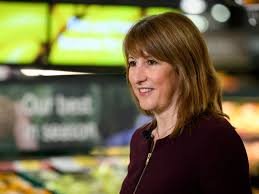
The Chancellor of the Exchequer will hold urgent talks with retail leaders today. This meeting aims to address the rising costs of essential goods and services. Rachel Reeves intends to speak with the heads of the nation’s biggest supermarkets. The government wants to understand how international conflicts are affecting the British economy. These discussions follow a sharp rise in the costs of energy and fuel. High fertiliser prices are also putting immense pressure on our domestic food producers. Treasury officials believe that this dialogue is vital for protecting British household budgets.
The chief executives of Tesco, Sainsbury’s and Morrisons will all attend this summit. Ministers are keen to gauge the extent of potential price rises this year. There are growing concerns about the long-term impact of the Middle East conflict. This geopolitical instability has caused a significant surge in global commodity market prices. The Treasury describes the meeting as a fact-finding mission for the senior cabinet. They want to identify specific points where the supply chain might soon break. Knowing the likely impact on the cost of living helps the government plan.

Supermarket bosses are expected to share their private data on current inventory levels. They will explain how the rising cost of shipping affects their shelf prices. Some retail leaders believe that price hikes might not arrive until the summer. This delay is due to existing long-term contracts for energy and raw materials. However, the cushion provided by these older deals is starting to wear thin. The Chancellor needs to know exactly when the public will feel the pinch. A cooperative approach between the state and the private sector is now essential.
Allan Leighton of Asda will not attend but has issued a firm warning. He urged the government to take more direct action to support British farmers. Mr Leighton believes the state must do more to lower fuel duty costs. He warned that food prices will rise if the government remains largely inactive. Farmers are struggling with the massive bills required to run modern agricultural machinery. Without specific interventions, the cost of a weekly shop will likely climb higher. This sentiment is shared by many industry experts across the entire country.
Sainsbury’s boss Simon Roberts remains slightly more optimistic about the immediate few weeks. He noted that current stores of fertiliser are helping to keep costs down. This surplus allows retailers to maintain lower prices for a short period longer. However, he admitted that these reserves will not last through the whole year. Once the current stocks are depleted, the new market rates must apply. This creates a ticking clock for policymakers to find a sustainable solution. The government is looking for ways to bridge this looming financial gap.
British farmers and producers are also sounding the alarm about their own survival. They warn that shortages of certain vegetables could happen within a few months. Growers of tomatoes and cucumbers are facing record-high bills for heating glasshouses. Some producers might even stop planting if the costs become too high. This would lead to empty shelves in the fresh produce aisles nationwide. Domestic food security is now a major topic of debate within the Treasury. The Chancellor must decide how to support these vital agricultural businesses effectively.
Lee Stiles from the Lea Valley Growers’ Association has proposed a solution. He wants food producers to be classified as energy-intensive users by the state. This status would grant them the same protections as the steel industry. High energy use is necessary to provide light and warmth for plants. Without this help, many growers will find their business models are broken. The cost of carbon dioxide for growing also remains a significant concern. Farmers are asking for the same level of support as heavy manufacturers.
The financial pressure on these growers is becoming almost impossible to manage. Many have already invested heavily in young plants and expensive seasonal labour. However, the maths of the current market simply does not work out. Some farmers could lose less money by just shutting down their operations. It is a heartbreaking choice for those who feed the British public. Turning off the boilers might be the only way to save themselves. The Chancellor will hear these stark realities during the meeting on Wednesday.
If domestic production falls, the UK must rely on more expensive imports. European producers are also facing similar struggles with energy and logistics costs. They may not be able to fill the gap left by UK farmers. This situation reminds many of the vegetable shortages seen three years ago. The government is desperate to avoid a repeat of those empty shelves. Securing the supply chain is now a matter of national economic security. Every link in the chain is currently feeling the weight of inflation.
The British Poultry Council has also highlighted several major concerns for their sector. Chicken producers are struggling with the price of essential feed and gas. These factors are creating a sustained upward pressure on the price of meat. While the industry has absorbed some costs, they cannot take much more. Consumers should prepare for the possibility of higher prices at the checkout. The trade body warns that some components are becoming very hard to find. This includes medicines which are vital for maintaining healthy flocks of birds.
Richard Griffiths noted that diesel prices have a very rapid impact on farming. Unlike energy bills, fuel costs are felt at the pump every single day. There are also fears regarding the availability of certain veterinary supplies for animals. These logistical hurdles make it difficult for farmers to plan for the future. The Chancellor will be asked to provide more clarity on fuel subsidies. Any disruption to the poultry industry would have a massive effect on diets. Chicken remains one of the most popular proteins for families across Britain.
The government maintains that it is already taking significant steps to help. They point to the recent cut in household energy bills as progress. The legal minimum wage has also been increased to help the lowest paid. A new crisis fund has been launched to support the most vulnerable. This billion-pound fund aims to help with heating oil and other costs. However, many critics argue that these measures do not go far enough. They believe the scale of the crisis requires a much bolder response.

The meeting today will be a pivotal moment for the new government. Rachel Reeves must balance the needs of businesses with the needs of people. Everyone wants to see a stable economy with fair prices for all. The outcome of these talks will likely dictate policy for the summer. Supermarket bosses are hoping for more than just a polite listening ear. They want concrete commitments that will help keep the nation’s food affordable. The eyes of the British public are now on the Treasury doors.
Solving these complex issues will require cooperation across many different government departments. The Department for Environment, Food and Rural Affairs must work with the Treasury. They need to find a way to lower the cost of production. If they fail, the cost of living crisis could enter a phase. High inflation has already changed the way that many people shop today. More shoppers are moving toward discount brands to save their hard-earned money. Retailers are doing their best to compete while facing their own bills.
As the afternoon progresses, we expect a formal statement from the Treasury desk. This update should outline the main points discussed during the morning session. It will be the first indication of how the government plans to act. Many are hoping for a package of support for the agricultural sector. Others want to see a cap on the rising costs of fuel. Whatever the result, the impact will be felt in every home. The Chancellor knows that food security is a top priority for voters. Ensuring that everyone can afford to eat is a fundamental duty.
Related News:
 Army Officers Orders to Cut Ties with Men-Only Clubs
 Trump’s UK Ambassador Urges North Sea Drilling to Strengthen US Ties
BBC to Apologise Over Edited Trump Speech Amid Backlash
Trump’s UK Ambassador Urges North Sea Drilling to Strengthen US Ties
BBC to Apologise Over Edited Trump Speech Amid Backlash
 Britain deploys RAF specialists to assist Belgium with drone threats
 Millionaires group urge Reeves to introduce wealth tax to ‘lift kids out of poverty’
 Reeves rejects £1bn plea for NHS redundancy payouts
 PM Condemns Leaks, Vows Loyalty to Ministers and Stability
 Major Rent Reform Ends No-Fault Evictions in England
 Greene Pushes Epstein Files Amid Trump Fallout
 December Run-Off in Chile as Election Produces No Winner
 Shadow Fleet at Sea: Europe’s Battle Against Illicit Oil Shipping
 Georgians Defy Government Crackdown After Year of Protests
 ICC to Rule on Duterte’s Provisional Release
 Starmer Says Labour’s Economic Plan Needs Years to Deliver
 Ley Triumphs in Royal Commission Debate, Paving Way for Unity
 Mandelson apologises over Epstein ties after public scrutiny
 Australia grants Asio powers to designate hate groups under new laws
 Trump press secretary attacks reporter over ICE question
 Starmer Challenges US Over Controversial Greenland Deal
 Spoof “Make America Go Away” Caps Rally Denmark Over Greenland
 Trump Fed bid heads to Supreme Court
 Pentagon Signals Reduced Role in Deterring North Korea
 Labour Blocks Burnham as Party Rift Deepens Ahead of Polls
 Artificial intelligence will cost jobs, admits Liz Kendall
 Partial US Government Shutdown Hits Homeland Security Funding
 Sinema payment row deepens after $9,000 transfer claim
 Mandelson Faces Police Inquiry Over Epstein Leak
 UK Reports Huge Surge in Deportations Since 2024 Election
 Morgan McSweeney downfall shocks Labour leadership
 UK and US Drop in Global Corruption Index Rankings
 Nurses’ families fear breakup under UK immigration crackdown
 Farage Unveils Reform UK Frontbench Team
 Canberra Poster Seizure Sparks Free Speech Row
 Evo Morales Returns After Mysterious Absence
 Wales Approves Assisted Dying Bill Consent
 UK EU Trade Reset Gains Public Backing
 Jacinda Ardern Moves To Australia Following Her US Fellowships
 Jacinda Ardern Move Sparks Kiwi Reflection
 Corbyn Leads Your Party in Coordinated Left-Flank Strategy
 Nick Greiner Warns Over Election Review Fallout
 Adelaide University Faces Backlash Over Event Cancellation
 Asylum Seekers to Work After Year-Long Wait
 Starmer Row as Greens Demand Apology
 Proposed Law Leaves Gap for Children of Convicted Paedophiles
 New Zealand Covid Response Praised Despite Lingering Scars
 Injured Mojtaba Khamenei Elevated as Iran Leader
 Gordon Brown urges court for crimes against children
 Inquiry into HMRC child benefit errors launched by NAO
 Pakistan Targets Militant Hideouts in Afghanistan
 Farage Faces Backlash Over Crypto Cameo Endorsements
 Air Canada CEO Faces Outcry Over Recent Language Misstep
 Italian Town Buys Mussolini Villa to Keep Away Fascist Fans
 Report Says Pezzullo Acted ‘Recklessly’ in Dealings
 Suspected Plot Targets Pipeline Before Hungary Vote
 Trump Defiant After Washington Hotel Shooting
 Starmer Survives Mandelson Rebellion
 Trump approval plunges amid Iran war fears
 Tough Fiscal Realities Await Next Scottish Government
 US ‘Narco Boat’ Strikes Draw Global Outcry
 One Nation Candidate’s Surprising Ties to Independents
 Labour Members Doubt Starmer Future as Burnham Leads Poll
 Reform UK Faces Crisis as Newly Elected Councillors Resign
 Tony Abbott Returns as New Liberal Party President
 Discontent grows around Putin amid war strain
 Secret Role of UK Security Services in Troubles Amnesty Law
 The Hidden Crisis Eroding Trust in British Communities
 Deepfake Abuse on X Sparks Safety Concerns for Dissidents
 Starmer Resolves to Fight Burnham in Leadership Battle
 US Courts Back Trump on Park Signage Removals
 Hollie Ridley to Step Down as Labour General Secretary
 Trump’s Mount Rushmore Speech: A Divisive Anniversary
 Jarvis Urges Burnham to Secure 3.5% Defence Spending
 Trump’s Red-Card Intervention Hurts the US World Cup
 Farage Warns Sky News Following Financial Inquiry
 Le Pen to Run for President Despite Embezzlement Conviction
 Reform UK Finances Face Deep NCA Probe
 Trump Swaps Planes Amid Iran Tensions
 Ann Widdecombe, Formidable Political Figure, Dies at 78
 Ukraine Creates Long-Range Strike Command
 Houthis Strike Saudi Arabia as Middle East Tensions Rise