Published: April 6, 2026
The English Chronicle Desk
The English Chronicle Online
Category: UK News
Subcategories: Employment Law, Health Policy, Family Rights
Northern Ireland has become the first part of the United Kingdom to introduce statutory miscarriage leave, granting eligible parents paid time off following pregnancy loss before 24 weeks.
The new provision allows up to two weeks of leave for individuals and their partners, marking a significant shift in workplace rights for those affected by early pregnancy loss. The policy has been widely described by campaigners as a landmark recognition of the emotional and physical impact of miscarriage.

Under the changes, employees will be entitled to time away from work without needing to rely solely on sick leave or annual leave. The measure applies to both parents, acknowledging that pregnancy loss can have profound effects on families beyond the birthing parent alone.
The policy is linked to broader reforms in employment protections and is designed to reduce the pressure on individuals returning to work immediately after a traumatic experience. Officials say the aim is to create a more compassionate workplace framework that reflects lived experiences rather than purely medical classifications.
The change has been welcomed by bereavement charities and health advocates, who argue that miscarriage has historically been under-recognised in employment law. Many say the lack of dedicated leave has forced individuals to return to work before they are emotionally or physically ready.
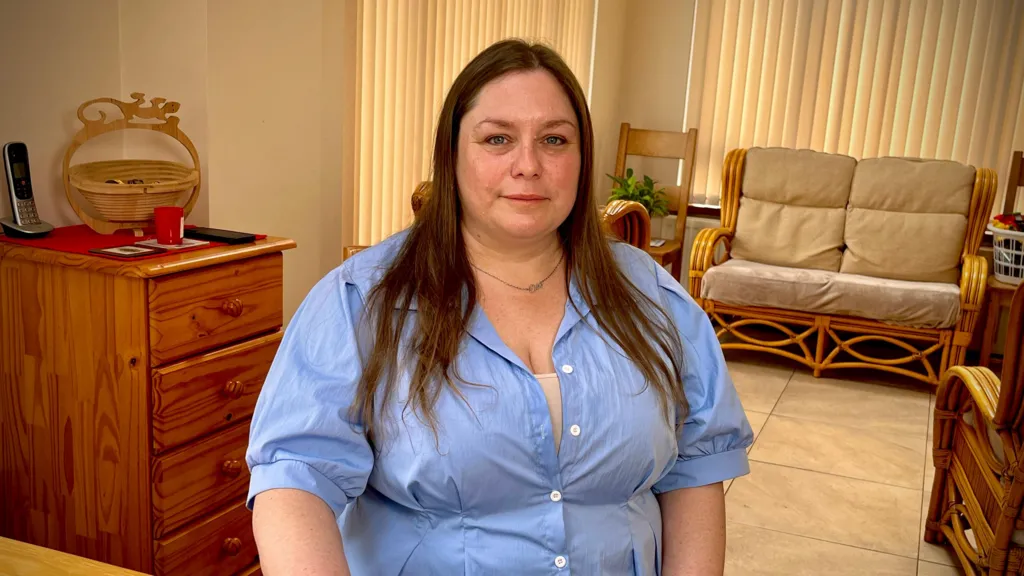
One supporter of the reform said: “Two weeks will make such a difference,” highlighting the importance of time to recover, grieve, and access support services following pregnancy loss.
The introduction places Northern Ireland ahead of the rest of the UK in formalising miscarriage-specific workplace rights. While some employers already offer discretionary leave policies, coverage has previously been inconsistent and dependent on workplace culture rather than legal entitlement.
The change is expected to prompt renewed discussion in Westminster about whether similar protections should be extended across England, Scotland, and Wales. Campaign groups are already calling for nationwide adoption, arguing that access to miscarriage leave should not depend on geography or employer discretion.
Business groups have raised questions about implementation, particularly for smaller employers, though many acknowledge the importance of supporting staff during periods of bereavement and medical recovery. Officials have stated that guidance will be issued to help organisations adapt to the new rules.

Health professionals also note that miscarriage can involve both physical recovery and significant emotional distress, including anxiety and depression. Structured leave, they argue, may help reduce longer-term mental health complications by allowing individuals adequate time to recover.
As the policy comes into force, Northern Ireland’s move is being closely watched across the UK as a potential model for wider reform in workplace wellbeing legislation.
Related News:
 Concerns Mount Over Accuracy of At-Home Health Tests as Study Calls for Stricter Regulation
 The Ketamine Crisis in the UK is a Silent Epidemic Leaving Users with Lifelong Pain
 Woman Warned She Might Need Leg Amputation to Survive After Liquid Brazilian Butt Lift
 AI Tools Used by English Councils Found to Downplay Women’s Health Issues, Raising Concerns Over Gender Bias in Care
 Cats Develop Dementia Similarly to Humans, Study Finds
 Alarming rise in abusive teen relationships in the UK sparks urgent warnings
 Inquest Finds Agency Worker Failings Led to Unlawful Death of Vulnerable 14-Year-Old
 Shocking Rise in Children’s Exposure to Violent Online Pornography Raises Alarm
 Baby Food Manufacturers Given 18 Months to Improve Nutrition and Labelling
 Why E-Bikes and E-Scooters Are Making Streets a ‘Nightmare’ for Blind People
 Millions in the UK at Higher Risk of Heart Failure and Stroke Due to Air Pollution, Study Warns
 UK Graduates in Healthcare Report Highest Satisfaction with Degree Choices
 Systemic Racism in Maternity Care Continues to Endanger Black Women in England, MPs Warn
 One in Three GPs in England Do Not Work in NHS, Raising Concerns Over Access to Care
 UK Doctors Guilty of Sexual Misconduct Continue Practising Amid Weak Sanctions, Research Finds
 Starmer Unveils Plan for NHS “Online Hospital” to Tackle Waiting Lists
 Questions Remain as Rugby Legend Lewis Moody Faces Motor Neurone Disease Diagnosis
 Women Challenge Meta Over Targeted Ads After Miscarriage
 Genetic Tests May Predict Return of Blood Cancer
 £18 Prostate Cancer Test Could Save Thousands of Lives
 Pregnant Women in England Face Rising Risk of Severe Birth Injury
 One in 12 Secondary Pupils Sent to Isolation Weekly
 M&S and Morrisons Lead Christmas Supermarket Taste Test
New Prostate Cancer Drug Set to Halve Death Risk in England
M&S and Morrisons Lead Christmas Supermarket Taste Test
New Prostate Cancer Drug Set to Halve Death Risk in England
 UK Health Leaders Push for Urgent Tobacco & Vape Bill
 Hospice Cuts Raise Alarm Across England Amid Funding Crisis
 Celebrities and Charities Demand UK Government Act on Child Poverty
 Patients to Test Health at Home to Ease NHS Winter Pressure
 London’s Childlessness Crisis: Schools Closing as Families Shrink
 Shouting Works Best to Deter Gulls, UK Study Finds
 Reeves rejects £1bn plea for NHS redundancy payouts
 Stroke Patient Mistaken for Drunk, Care Delayed
 ‘Traumatic Wait’: Northern Ireland Women Face Breast Cancer Delays
 Coffins Now Too Large to Cremate Amid Rising Obesity Crisis
 Five-Year-Old Dies After Rare Tonsil Surgery Complication
 Fibromyalgia Patients Struggle as NHS Fails to Provide Care
 “Enough is Enough”: Local MP Vows to Fight Rainham Quarry Plans
 More Patients Now Contacting GPs Online, Data Shows
 GPs Failing Frail Elderly: Only 1 in 6 Assessed – NAO
 NHS braces for worst winter crisis amid rising flu cases
 Ministers to back regulation of England’s funeral industry
 Teen Nicotine Pouch Use Sparks Growing Health Alarm
 Minor A&E Visits Surge Across England as Hospitals Face Pressure
 Children to Receive Home Vaccines as England Acts
 Local Fish Could Boost UK Health and Economy Significantly
 NHS Violence Crisis: Staff Face Daily Assaults
 Celebrity Campaign Highlights SMA Screening Failures
 Robo-Vaccination Could Transform Fight Against Bovine TB
 UK Glaucoma Rise Signals Looming Eye Health Crisis by 2060
 UK ADHD medication use triples over 13 years, landmark study finds
 Reform UK Health Plan ‘Would Cost £1.7bn’, Streeting Says
 NHS boosts bowel screening accuracy with FIT reform
 Nottingham survivor warns of repeat attacks without mental health reform
 Study Finds One in Seven England Takeaways Are Dark Kitchens
 Deadly Cancer Postcode Lottery Limits NHS Care
 Pneumonia Surge Pushes England Emergency Cases Higher
 UK MPs Demand Ban on Brazilian Butt Lifts
 NHS Urges Nine Million People to Get Therapy
 Half of Britons Avoid GP When Ill, Survey Reveals Growing Concern
 ‘Postcode Lottery’ Limits Weight Loss Drug Access Across NHS
 NHS Maternity Units Cover Up Harmful Childbirth Errors
 Drop in Overseas Workers Sparks ‘Car Crash’ for UK Hospitals
 ‘I Almost Died After a Touch‑and‑Go C‑Section’
 50,000 People Waited Over 24 Hours in A&E Corridor Care
 New Infection Risk Alert at Glasgow’s Flagship Hospital
 Streeting Criticises SNP Over NHS App Dispute
 Woman, 29, ‘Chucked’ Into Care Home 100 Miles Away
 Father Dies by Suicide Weeks After Wedding in Clitheroe
 SNP Health Secretary Criticised Over NHS Failures Locally
 ‘We can’t go back’: mother of six-year-old cancer survivor fears UK visa changes
 Palantir NHS Contract Sparks Fears Over Data Power
 UK Patients Face Long Journeys as Pharmacies Cut Hours
 Kent Meningitis Outbreak Claims Two Young Lives as Cases Rise
 Charity Watchdog Takes Control of Learning Disability Care Home
 The High Cost of Survival: How the 2026 Fiscal Outlook is Redefining British Life
 Safety Fears at New £200m Maternity Unit: Mums-to-Be ‘Put at Risk’
 Fuel Famine: How African Nations are Rationing Power and ‘Diluting’ Petrol to Survive
 ‘My Daughter is Under the Rubble’: The Human Cost of the Tehran Strikes
 ‘Zoom Dysmorphia’ Explosion: BDD Patients Quadruple in Post-Pandemic UK
 NHS Staff Shortages Stifling Recovery for Stroke Survivors