Published: April 6, 2026
The English Chronicle Desk
The English Chronicle Online
Category: Environment
Subcategories: Wildlife, Conservation, Climate Change
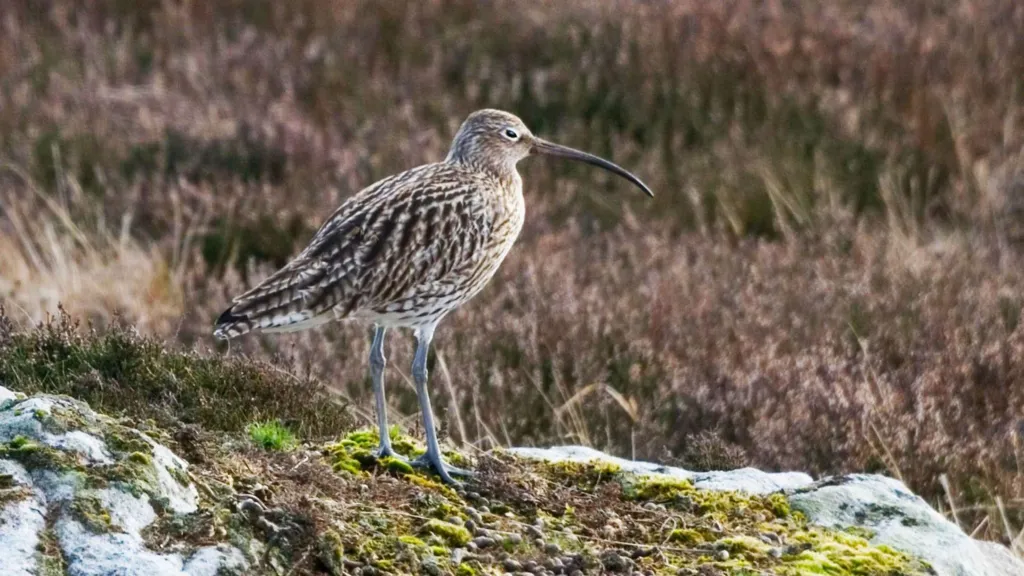
Conservation groups are calling for urgent intervention to protect several bird species described as “defining Britain’s natural identity,” warning that population declines are accelerating due to habitat loss, climate pressures, and agricultural intensification.
Species such as the skylark, lapwing, and barn owl are among those highlighted by wildlife organisations as facing sustained pressure across rural and semi-natural landscapes. Experts say these birds are not only ecologically important but also culturally significant, featuring prominently in British countryside heritage and seasonal ecology.
Recent monitoring data indicates continued reductions in breeding success for several farmland bird species, largely attributed to changes in land use, pesticide exposure affecting insect populations, and reduced availability of nesting habitats. Climate variability has also been linked to shifts in migration timing and food availability.
Conservationists argue that current protection measures are insufficient to reverse long-term declines. They are urging policymakers to expand habitat restoration schemes, strengthen environmental safeguards in agricultural policy, and increase funding for biodiversity recovery programmes.
A key focus is the restoration of hedgerows, wetlands, and meadow ecosystems, which provide critical breeding and feeding grounds. Environmental scientists emphasise that such habitats support not only birds but also broader ecological networks, including pollinators and small mammals.
Government sources have acknowledged ongoing concerns about biodiversity loss and have pointed to existing initiatives aimed at supporting nature recovery. However, campaigners argue that implementation remains uneven and too slow to address the scale of decline.
Public awareness campaigns are also being expanded, with conservation groups encouraging citizens to participate in local wildlife monitoring and habitat protection efforts. Community-led projects, such as nest box schemes and farmland restoration partnerships, are being promoted as part of a broader recovery strategy.

Ecologists warn that without coordinated and sustained action, some species could become significantly rarer within a generation, altering the character of rural soundscapes and ecosystems across the country.
The debate reflects a growing recognition that biodiversity loss is not only an environmental issue but also a cultural one, with implications for national identity and heritage.
Related News:
 “Enough is Enough”: Local MP Vows to Fight Rainham Quarry Plans
 ‘Extinct’ Antelope Returns to Sahara, Bringing Hope
 Red Squirrels Thrive in Highlands After Decade-Long Rescue
 Conservatives Pledge to Scrap 2030 Petrol and Diesel Car Ban
 UK Brings Forward Electric Vehicle Sales Review to Next Year
 Heat, Drought and Fire Push UK Nature to Breaking Point in 2025
 UK Snow Forecast Arctic Blast to Bring Up to 11 Inches of Snow
 Norfolk Coastal Graves at Risk as Erosion Deepens Family Anguish
 Record Wildfires Sweep England Amid Hottest 2025 Summer
 Eden Project Founder Celebrates 25 Years of Nature’s Hope
 Winter plant bloom signals climate breakdown in UK
 Avocado Crisis: The Hidden Violence Behind Exports
 Smaller farms funding prioritised in England nature plans
 Local Fish Could Boost UK Health and Economy Significantly
 World’s richest 1% consume annual emissions in just ten days
 UK Weather: End of Cold Spell in Sight as Temperatures Rise
 Storm Goretti leaves Cornwall homes without power
 BP’s Influence Sparks Controversy in UK STEM Education
 Robo-Vaccination Could Transform Fight Against Bovine TB
 Polycrisis Anxiety Leaves Many Feeling Trapped in the Present
 No Gas Boiler Ban as UK Warm Homes Plan Backs Heat Pumps
 Judi Dench Champions Fight to Save London’s Green Spaces
 Half the World’s Largest Cities Face Rising Water Stress
 Record-Breaking Heat Looms Over South-East Australia as Catastrophic Fire Risk Escalates
 UK joins North Sea wind grid pact with nine European nations
 Devon hosts first high-density hydro power system
 US-Style Pickup Trucks Surge on UK Roads
 Storm Chandra floods Somerset, triggers major incident declaration
 Reform UK Taps Boris Ally to Shape Party Nature Agenda
 James Valentine Retires from ABC After Cancer Battle
 UK Pfas Action Plan Faces Criticism From Environmentalists
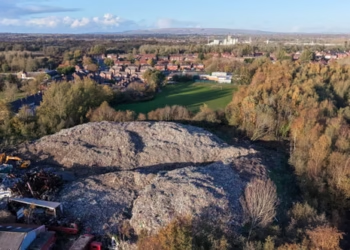 Wigan Dump Crisis Sparks Health and Safety Alarm
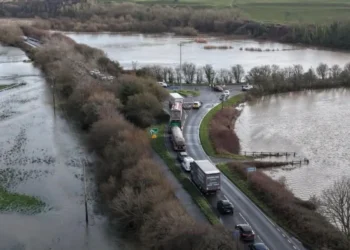 What is Groundwater Flooding and Why Dorset is Seeing ‘Historical Highs’
 Norway’s Petrol Car Sales Hit Record Low Amid EV Surge
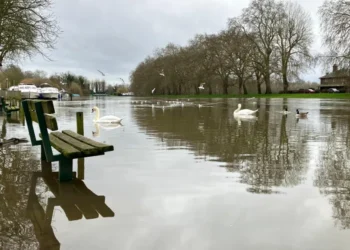 Dozens of Flood Warnings in England After Days of Non-Stop Rain
 Fungi Mining and Giant Waste Piles: How to Get Rare Earths Without Mining Rock
 Santos Wins Landmark Greenwashing Case in Court
 Gentoo Penguins First Birds on Australian Territory Hit by Bird Flu
 Temperatures Dip Below Freezing as Arctic Air Sweeps Across the UK
 Moment Officers Rescue Injured Bald Eagle From Icy Hudson River
 Flooding May Worsen Before It Improves as More Rain Forecast for the UK
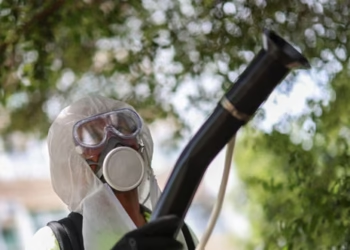 Chikungunya Spread in Europe Climbs as Climate Warms
 Shutting North Sea ‘Will Drive Up Carbon Emissions’
 Deer Shooting England: New Plan to Protect Woods
 Illegal Waste Dumping: New Drone Unit Launched
 Fly-Tippers to Be Hunted by ‘Drone Squad’ in Crackdown from the Sky
 Deer Shooting to Be Facilitated in England to Protect Woodlands
Storm Hernando: Edinburgh Airport Flights Cancelled in US Travel Chaos
Deer Shooting to Be Facilitated in England to Protect Woodlands
Storm Hernando: Edinburgh Airport Flights Cancelled in US Travel Chaos
 Scotland’s Emissions Plans Face Criticism for Over-Reliance on Technology
 Germany Faces Backlash Over Scrapped Renewable Heating Mandate
 Group Expands Legal Claim Over South West Water Pollution
 Scotland’s Climate Plans Face Scrutiny Over ‘Science Fiction’ Targets
 Police Appeal After Goshawk ‘Brutally Shot’
 Greenpeace $345m Ruling Sparks Appeal Battle
 Miliband Says Climate Impact of Data Centres Is Uncertain
 UK Winter Nowhere Near a Record Breaker Despite Floods and Storms
 UK Records Warmest Day of the Year as Temperatures Exceed 18 °C
 Farmers on Edge as Record Rainfall Dampens Slurry Season
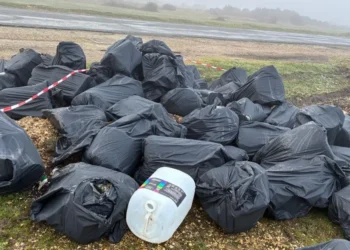 Conservation Budgets Hit by Increased Fly‑Tipping Costs
 Water Cremation Introduced in UK First
 Scotland Becomes First UK Country to Allow Water Cremations
 Wood burner legal threats spark council row
 Fuel and Remittances: How Iran Conflict Hits India At Home
 Guernsey Mother Breaks Down After £11,500 Battery Waste Fine
 Dramatic Rescue as Ice Shelf Detaches on Lake Huron
 Net Zero Cheaper Than One Fossil Fuel Crisis, UK Told
 Net Zero by 2050 ‘Cheaper Than One Fossil Fuel Crisis’
 Musk’s xAI Permit Sparks Fury Over Power Plant Expansion
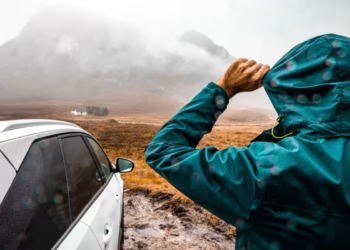 Scotland Braces for 80mph Gales and ‘Intense Rain’
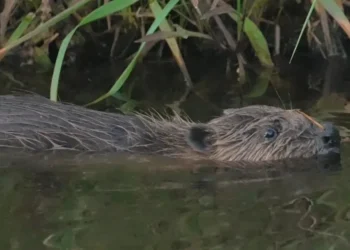 ‘Greedy’ Beaver Caught Twice in Wildlife Monitoring Trap
 London Considers New SUV Charges to Improve Road Safety
 Uzbekistan’s Natural Landscapes Take Centre Stage
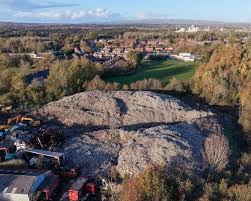 MPs Slam Agency Over Failing Fight Against Waste Dumping
 Tropical Cyclone Narelle Batters the Western Australian Coast
 Middle East Deluge: Freak Storms Bangle Desert Nations
 ‘The Invisible Killer’: Chiang Mai Air Quality Crisis Sparks Pediatric Health Emergency
 Red Skies and Raging Floods: One Dead as Storm Erminio and Saharan Dust Grip Greece
 The Banbridge Rescue: 300 Sheep Saved from Massive Hay Shed Inferno
 Evacuations Ordered as California Wildfires Spread Fast
 UK Records Earliest Spring as Nature Awakens Fast