Published: 07 April 2026. The English Chronicle Desk. The English Chronicle Online.
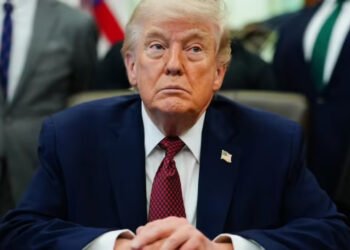
The global energy market faced a sharp awakening on Tuesday as oil prices climbed above the century mark. This sudden surge followed a series of assertive statements from Donald Trump regarding the ongoing tensions with Iran. Investors watched closely as the international benchmark Brent crude rose by 1% to reach a price of $111 a barrel. Simultaneously, New York light crude experienced a more significant jump of 2.6% to trade at $115.3 a barrel. These movements reflect a growing sense of unease within the global financial community over the potential for further military escalation. The primary driver of this anxiety is the president’s latest rhetoric suggesting that Iran could be taken out in one night. Such comments have intensified the pressure on Tehran to reopen the vital shipping lanes of the Strait of Hormuz.
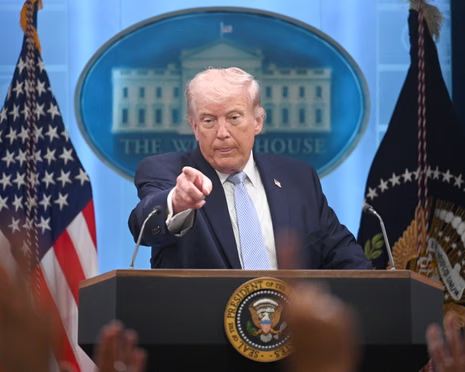
The current geopolitical climate has become increasingly strained following a set of remarks made at the White House. On Monday, the president addressed reporters and set a firm deadline of 8pm ET on Tuesday for a deal. This ultimatum demands that Iran agree to terms with Washington or face targeted attacks on its civil infrastructure. Potential targets reportedly include power plants and other critical facilities necessary for the daily functioning of the nation. The president emphasized that the entire country could be disabled in a single evening of military action. He further noted that the upcoming Wednesday morning could mark a significant turning point in the current conflict. For the international community, the stakes involve much more than just a localized dispute between two powerful nations.

At the heart of the negotiation is the strategic importance of the Strait of Hormuz for global energy. This narrow waterway serves as a primary artery for approximately one fifth of the world’s oil and gas. Trump has stated clearly that ensuring free passage through this channel is a top priority for his administration. He insists that any potential ceasefire or long-term agreement must include guarantees for the reopening of this route. The effective closure of the strait has already caused significant disruption to the usual flow of global energy supplies. Many analysts believe that without a resolution, the world could face a prolonged period of high energy costs. This uncertainty is weighing heavily on the minds of traders who fear a total supply shock.
The reaction from global stock markets on Tuesday was notably mixed as investors processed the latest news updates. In Asia, the Japanese Nikkei remained largely flat while the South Korean Kospi managed a gain of 1.1%. However, the Hang Seng in Hong Kong saw a decline of 0.7% as caution took hold of traders. Moving to Europe, the UK’s FTSE 100 index experienced a slight drop of 0.2% during early morning trading. The French Cac 40 showed more resilience with a 0.5% rise, yet the German Dax 30 slipped 0.1%. These uneven performances suggest that market participants are struggling to find a clear direction amid the geopolitical noise. The Stoxx Europe 600 stayed broadly flat, reflecting a wait and see approach from many large institutional investors.
Market volatility has been a recurring theme since the combined US and Israeli military actions in February. Since that time, the effective blockade of the Strait of Hormuz has fueled persistent fears regarding global inflation. Investor confidence has been further rattled by the unpredictability of the current administration’s foreign policy and military strategy. Every new headline regarding the conflict seems to send ripples through the various sectors of the global economy. Many businesses are now bracing for the possibility of sustained high prices for fuel and raw materials. Shipping companies are particularly concerned about the safety of their vessels and the rising costs of insurance. These factors are contributing to a general sense of instability that is difficult for markets to price.
Adding to the gravity of the situation, the International Monetary Fund has issued a fresh set of warnings. Kristalina Georgieva, the head of the IMF, spoke to reporters on Monday about the wider economic implications. She cautioned that the ongoing war is likely to lead to higher inflation and slower global growth. Before the conflict began, the IMF had actually been preparing to upgrade its global growth expectations slightly. The original forecasts had suggested growth rates of 3.3% in 2026 and 3.2% in the following year. Now, those optimistic projections have been cast aside in favor of a much more sober economic outlook. Georgieva noted that the current path points toward a difficult period of rising prices and stagnation.
The IMF is scheduled to publish its full report on the world economic outlook sometime next week. This upcoming document is expected to provide a detailed breakdown of how the war has impacted different regions. Georgieva highlighted that the world has entered a phase of elevated uncertainty that extends beyond the current war. She cited a combination of geopolitical tensions, climate shocks, and rapid technological shifts as contributing factors to this. According to her analysis, the global economy must remain vigilant even after the current shock eventually subsides. The need for resilience has never been more apparent as multiple crises seem to overlap and intensify. For many nations, the challenge will be managing internal economic stability while navigating these complex international waters.

In the United Kingdom, the impact of these high oil prices is being felt by consumers at the pump. Rising energy costs often translate into higher prices for goods and services across the entire domestic economy. This situation places the Bank of England in a difficult position regarding interest rates and inflation management. If energy prices remain at these elevated levels, the fight against inflation could become much more arduous. Many households are already feeling the pinch from the broader cost of living crisis that has persisted. The government is under increasing pressure to outline how it intends to protect the economy from these shocks. International trade remains a cornerstone of the British economy, making the stability of shipping routes essential.
As the Tuesday deadline approaches, the eyes of the world remain fixed on the events in Washington and Tehran. The possibility of a diplomatic breakthrough remains uncertain given the hardline stances taken by both sides in recent days. Military analysts are weighing the feasibility of the president’s claims regarding a swift and decisive overnight operation. At the same time, humanitarian organizations are expressing deep concern over the potential impact on Iranian civilian populations. A strike on power plants would likely have devastating consequences for hospitals, schools, and basic public services. The moral and ethical dimensions of the conflict are becoming as prominent as the economic ones. Public opinion remains divided on the best course of action to ensure a lasting regional peace.
The coming hours will be critical for determining whether the world moves toward a resolution or escalation. If the deadline passes without an agreement, the risk of a significant military exchange increases exponentially. For now, the energy markets will continue to act as a real-time barometer for the level of global fear. Every cent added to the price of a barrel represents a growing concern for the future of trade. The English Chronicle will continue to provide updates as this fast-moving situation develops throughout the week. Readers are encouraged to stay informed through trusted sources as the geopolitical landscape continues to shift rapidly. The global community can only hope that a peaceful path forward is found before more damage occurs.
Related News:
 Reeves Faces Setback as Labour May Miss Homes Target
 Virgin Trains Moves Closer to Challenging Eurostar Monopoly
 Trump’s UK Ambassador Urges North Sea Drilling to Strengthen US Ties
 Ryanair Chief UK Economy ‘Doomed’ Under Labour
 M&S Profits More Than Halve After Cyber-Attack
 Earl of Yarmouth Faces £1.3m Legal Bill Over Family Estate
 Millionaires group urge Reeves to introduce wealth tax to ‘lift kids out of poverty’
 From Lego to Pokémon: How Adults Are Driving UK Toy Market Growth
 New laws to bolster UK’s defences against cyber attacks on NHS, transport and energy
 Canada Passes Carney’s First Budget in Tight Parliamentary Vote
 Starmer Says Labour’s Economic Plan Needs Years to Deliver
 Virgin Media Fined £23.8m Over Telecare Safety Failures
 Starmer Faces Parliamentary Battles Over UK-EU ‘Reset’ Plan
 Reeves Pub Business Rates U-Turn Calms Labour Revolt
 ScottishPower Tops List of Worst UK Energy Suppliers
 Markets Slide As Gold Rally Signals Risk From Trump Greenland Tariff Plan
 UK Eyes Global Investment with Visa Fee Refunds
 City & Guilds pay surge sparks backlash amid £22m cuts
 UK Inflation Hits 3.4% in December, Ending Five-Month Decline
 Trump Fed bid heads to Supreme Court
 ‘Black Tax’: Burden, Pride and Survival for African Workers
 AI job losses UK: Britain faces sharper employment shock
 India-EU Free Trade Deal Marks Historic Economic Shift
 EU Signals Open Mind on UK Customs Union Talks
 Telstra AI jobs cuts as automation drive expands
 BT Names New Openreach Chief Amid Major Fibre Expansion
 UK Banks Plot Payment Backup Amid Trump Fears
 UK Unemployment Rate Climbs to 5.2% Peak
 UK shelves £110m border project amid trade strain
 Aston Martin Cuts 20% Jobs Amid £363m Loss
 Switching Energy Deal Can Save £200 as Price Cap Falls
 Rachel Reeves Faces Middle East Conflict Test
 Grocery Inflation Rises Amid War Fears
 BrewDog sold Highland estate for knockdown price after abandoning reforestation plans
 UK Energy Reform Could Cut Bills by £200
 Rising Costs Force Families to Rethink Days Out
 Oil Slides, Stocks Jump on Trump Peace Signals
 UK inflation held at 3% before global energy price hit
 Ticketmaster Fees Rise Despite Recent US Junk Fee Crackdown
 M&S Demands Urgent Action on Rising Violent Retail Crime
 New Era for Sick Pay as Millions Gain Critical Rights
 City Firms See Sharpest Fortune Reversal in Thirty Years
 Markets Surge as Trump Agrees to Iran Ceasefire Terms
 Stefano Gabbana Resigns as Chair of Italian Luxury Giant
 Rolls-Royce SMR Secures £600m Boost for Nuclear Future
 IMF Warns Iran War Could Spark Deep Global Recession
 Trump Rate Cuts Risk ‘Banana Republic’ Status, Says Yellen
 Primark Set for Independence from ABF Food Giant
 Australia’s Economic Anxiety: Is a Recession Looming?
 Lords Demand Larger Fiscal Buffers for UK
 $13bn World Cup Set to Break All Revenue Records
 Trump approval plunges amid Iran war fears
 Heathrow Chair Seeks Peace to Save Third Runway
 Tough Fiscal Realities Await Next Scottish Government
 US Awaits Iran Reply on New Ceasefire Proposal
 Aramco Surges as East-West Pipeline Counters Gulf Tensions
 Big Tobacco Under Fire Over Controversial New Ad Campaign
 High Street Crisis: Fears Grow Over Post Office Closures
 UK Firms Freeze Spending as Iran Conflict Bites
 Summer Shock: British Energy Bills Set for Grim July Hike
 Reeves to Fast-Track Clean Energy Amid Iran Crisis
 Oil Markets Face ‘Red Zone’ Threat Amid Iran Crisis
 Belfast Approves Pilot Extension of Sunday Trading Hours
 Albanese Defends Tax Reforms Amid Emotional Speech
 Tube Strike Brings Capital to a Standstill Over Shift Disputes
 BP Stands Firm on Amanda Blanc Amid Boardroom Storm
 UK House Prices Drop For Third Month Due To War Fears
 Top Chefs Back Andy Burnham to Save UK Hospitality Sector
 GSK Secures Landmark $10.6bn Deal for Nuvalent
 UK Economy Suffers a Sharp Downturn as Iran Conflict Bites
 AI Scams Push UK Investment Fraud Past £220m
 Rethinking the Blueprint for Youth Employment in Britain
 Sainsbury’s Boss Optimistic As Grocery Inflation Eases
 UK Households Suffer Squeeze As Disposable Incomes Drop
 Creditors Eye Thames Water Even Under Nationalisation
 Record £28m Fine for Virgin Media Over Cancellation Woes
 Jet2 Sees Summer Surge Despite Global Tensions
 Ukraine Creates Long-Range Strike Command
 BBC Faces Real Jeopardy as Licence Fee Income Declines
 Thames Water Future Remains Uncertain Amid Funding Crunch