Published: 17 April 2026. The English Chronicle Desk. The English Chronicle Online.
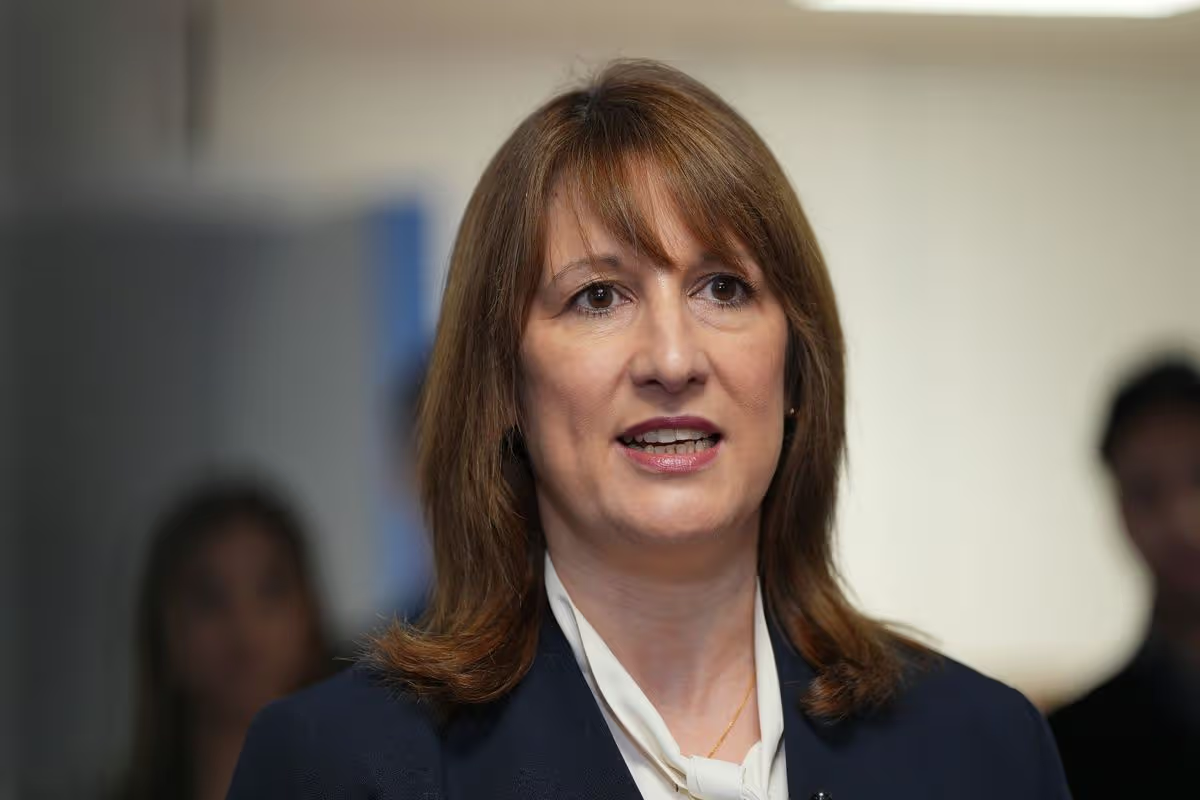
The British landscape of fiscal policy is currently facing its most significant test in decades. Rachel Reeves has now issued a stern warning regarding the future of the national accounts. She suggests that very difficult choices are required to increase the nation’s total defence spending. Other department budgets may have to be cut to facilitate this essential military growth today. This includes the potential for significant reductions in welfare spending across the entire United Kingdom. The Chancellor is under immense pressure for a much faster rise in military funding now. This pressure stems from the ongoing Iran conflict and the brutal war in Ukraine today. Reeves stated she is currently working through a wide range of various financial options. She clearly expressed a strong preference not to increase taxes for the British public. The Chancellor also wishes to avoid adding any more to the current government borrowing levels. Her previous two budgets have already increased taxes quite substantially for many working people. She would prefer not to have to do that again in the near future. On the matter of borrowing, she noted the rising costs of servicing national debt. The conflict in Iran has caused the cost of government borrowing to increase significantly. The government already spends one pound in every ten on servicing its massive debt today. Increasing that debt further would only increase the total amount spent on interest payments.
These comments suggest a readiness to face down her own colleagues in the Labour Party. Reeves believes people have seen her willingness to make very difficult and bold choices. She is prepared to challenge the long-standing orthodoxy to realise more money for defence. These remarks were made to journalists during the International Monetary Fund meetings in Washington. Ministers are currently working through the government’s comprehensive ten-year defence investment plan right now. It remains very important to allocate all funding appropriately to ensure maximum national security. Reeves refused to be drawn directly on whether welfare cuts would be specifically targeted. However, she maintained that national security must always come first for the entire country. She promised to always do the right thing as Chancellor for the United Kingdom. When asked about the pensions triple lock, she said the policy remains very safe. Labour remains fully committed to its manifesto promise to keep the triple lock active. Her comments on welfare reflect the views of Health Secretary Wes Streeting as well. Streeting suggested that welfare cuts could be required due to the current global challenges. The government of Keir Starmer faces mounting pressure from many different political opposition figures. Former senior military figures are also calling for a much faster rise in spending.

There are growing concerns regarding Donald Trump’s threats to withdraw the US from Nato. Escalating geopolitical tensions are making the global situation much more volatile for the West. UK spending on defence is on track to reach 2.6 per cent of GDP. This target is expected to be met by April of next year at latest. Reeves said this was ahead of the plans outlined by both major parties. These plans were set out in manifestos before the general election in late 2024. The Chancellor is proud to have provided the biggest uplift in defence spending today. This represents the largest increase since the end of the Cold War era long ago. To have a strong economy, you must have strong defences and national security. Reeves said the economic shock from the Iran conflict was limiting her fiscal room. The IMF said a further escalation in the Middle East could trigger recession. Such a recession would affect the UK more than any other G7 nation. The IMF also sounded a loud alarm over current government debt levels today. These levels are on track to reach the highest point since World War Two. Countries in debt should focus on targeted and temporary energy support measures only. Reeves suggested her support measures for households would need to be funded internally. This would involve reprioritising other existing budgets to cover the rising domestic costs.
She highlighted the blanket support measures used by the previous Conservative government in London. After the invasion of Ukraine, the top third of families received much support. Those subsidies cost more than one hundred billion pounds to the British taxpayer. This resulted in higher inflation and much higher interest rates for everyone today. Ultimately, it led to higher taxes to repay the massive debt that was incurred. The best way to help families is to keep all prices very low. Reeves wants to do everything possible to keep interest rates down for homeowners. The Chancellor’s stance marks a pivotal moment for the current Labour administration’s strategy. Balancing the needs of a struggling welfare state with military necessity is difficult. The geopolitical climate requires a level of readiness not seen in many generations. Many voters are feeling the pinch of the current cost of living crisis. They may react poorly to any further cuts to essential social safety nets. However, the threat from global instability cannot be ignored by any serious government. The Iran conflict has sent ripples through the global energy and financial markets. This volatility makes long-term economic planning a very complex and ever-changing task today.
Reeves must navigate the demands of her party and the needs of the army. The military has long complained about underfunding and a lack of modern equipment. Modernising the armed forces requires a consistent and very large injection of capital. This capital must come from either new revenue or savings in other areas. Since taxes are already high, the options for new revenue are quite limited. Borrowing more money is seen as a risk to the nation’s credit rating. Therefore, the focus has shifted toward efficiency and cuts in the public sector. Welfare spending is one of the largest portions of the total government budget. Even small percentage cuts in welfare can provide billions for the defence budget. This trade-off is politically sensitive and could lead to significant internal party strife. Some MPs may argue that protecting the vulnerable is the primary Labour mission. Others will argue that a country that cannot defend itself is truly vulnerable. The debate is set to dominate the halls of Westminster for months. Public opinion on the matter is likely to be divided along traditional lines. Those with military ties will likely support the Chancellor’s recent bold statements. Those relying on social services will naturally fear the impact of potential cuts.

International allies are watching the UK’s fiscal decisions with a very close eye. The commitment to Nato remains a cornerstone of British foreign and security policy. Meeting the spending targets is seen as a sign of reliability and strength. Failure to do so could weaken the nation’s influence on the global stage. Reeves understands the weight of these decisions on her shoulders as the Chancellor. Her performance at the IMF meetings shows a leader who is very focused. She is trying to project a sense of stability in an unstable world. The road ahead for the British economy remains fraught with many potential dangers. High interest rates continue to put pressure on both businesses and average households. Inflation has been a persistent shadow over the economic recovery of the nation. The government must find a way to grow the economy while spending less. This is the classic dilemma that has faced many Chancellors in the past. Reeves is attempting to find a unique path through these very choppy waters. Her focus on national security as a prerequisite for prosperity is a key theme. This narrative helps to justify the potential pain of future spending cuts today.
The coming months will reveal the true extent of these proposed budget shifts. Detailed plans for the ten-year defence investment are expected to be released soon. This will give a clearer picture of where the money is going. It will also show which departments will have to tighten their belts the most. The reaction from the public and the markets will be very important. If the plan is seen as credible, it could boost national confidence significantly. If it is seen as unfair, it could lead to social unrest. The Chancellor is betting that the public understands the gravity of the situation. Global threats are no longer distant problems for people in the United Kingdom. They have a direct impact on the price of food and energy here. Protecting the nation is a fundamental duty of any government in any era. Reeves is making it clear that she takes this duty very seriously. The balance between “guns and butter” is the oldest question in political economy. In 2026, the answer appears to be leaning much more toward the guns. This shift marks the end of the post-Cold War era of peace dividends. Britain is preparing for a more dangerous and uncertain future in the world. The Chancellor’s words in Washington are a signal of this new reality today. Every citizen will likely feel the impact of these difficult choices very soon. The English Chronicle will continue to monitor these vital developments for our readers. Tightening the belt is never easy, but it may be deemed very necessary. The future of the UK’s security and economy depends on these critical decisions.
Related News:
 Reeves Faces Setback as Labour May Miss Homes Target
 Kate Winslet to Narrate Film Highlighting King’s Environmental Mission
 Trump’s UK Ambassador Urges North Sea Drilling to Strengthen US Ties
 UK Bans Fake Numbers: Scammers Lose Their Trick
 M&S Profits More Than Halve After Cyber-Attack
 Patients to Test Health at Home to Ease NHS Winter Pressure
 Millionaires group urge Reeves to introduce wealth tax to ‘lift kids out of poverty’
 Reeves rejects £1bn plea for NHS redundancy payouts
 Northern Lights may illuminate UK skies this week
 PM Condemns Leaks, Vows Loyalty to Ministers and Stability
 Major Rent Reform Ends No-Fault Evictions in England
 Stroke Patient Mistaken for Drunk, Care Delayed
 Inside the Helpline Protecting Missing Children in the UK
 Boots Showstopper Beauty Bundle Outshines Many Advent Calendars This Holiday Season
 PlayStation PS5 Deals Hit Lowest Prices Ahead of Black Friday
 Five-Year-Old Dies After Rare Tonsil Surgery Complication
 Starmer Says Labour’s Economic Plan Needs Years to Deliver
 UK unemployment rises to four-year high of 5.1% before budget
 Wiltshire Police Use Lasso to Catch Rampaging Village Goat
 Coasting Drinks: The Trend Redefining Alcohol Enjoyment This New Year
 Rising Hate Crimes Threaten Safety on UK Public Transport
 Starmer Faces Parliamentary Battles Over UK-EU ‘Reset’ Plan
 Met Police Vetting Failures Let Serial Rapists Remain
 Google Employee Claims Redundancy After Harassment Report
 Fatal Bolton Taxi Crash Claims Three Teens and Driver
 ScottishPower Tops List of Worst UK Energy Suppliers
 Judi Dench Champions Fight to Save London’s Green Spaces
 Crowborough Camp Welcomes First Asylum Seekers
 BBC Funding Crisis: Tim Davie Warns of Jeopardy Ahead
 Artificial intelligence will cost jobs, admits Liz Kendall
 Older Women Vanish from BBC Screens, Review Confirms Bias
 Streeting moves on doctor pay to end strike dispute
 Send spending gap leaves deprived areas behind
 Hidden Crisis: Domestic Abuse Suicide Toll in UK
 UK Unemployment Rate Climbs to 5.2% Peak
 BBC World Cup Presenting Duties Shared Among Trio
 Wales Approves Assisted Dying Bill Consent
 CPS Updates Guidance on Honour-Based and Dowry Abuse
 Asylum Seekers to Work After Year-Long Wait
 Inquiry into HMRC child benefit errors launched by NAO
 Rising Costs Force Families to Rethink Days Out
 Scott Mills Sacked by BBC Over Personal Conduct Claims
 Palantir Boss Defends NHS Deal Amid Government Break Clause
 Relationship with Trump may be beyond repair, Starmer warned
 UK Government Poised to Revive Stalled Hillsborough Law
 Trump Starts $166bn Tariff Refund Process
 Prominent Voices Challenge Palestine Action Ban
 Heritage at Risk: Britain’s Endangered Landmarks
 Starmer Survives Mandelson Rebellion
 New AI Tool To Target Obesity Risk And Transform NHS Care
 Greens Face Internal Row Over Antisemitism Claims
 Met Officers Probed Over Al Fayed Abuse Allegations
 Labour Members Doubt Starmer Future as Burnham Leads Poll
 Reform UK Faces Crisis as Newly Elected Councillors Resign
 Starmer Strikes Back as 100 MPs Sign Support Pledge
 UK Firms Freeze Spending as Iran Conflict Bites
 Rugby Legend Scott Hastings Dies Aged 61
 Reeves to Fast-Track Clean Energy Amid Iran Crisis
 The Battle for Wembley Sparking Unprecedented Legal Warfare
 Record Spending Highlights Growing Crisis In National Health Service
 Secret Role of UK Security Services in Troubles Amnesty Law
 Tube Strike Brings Capital to a Standstill Over Shift Disputes
 BP Stands Firm on Amanda Blanc Amid Boardroom Storm
 Teaching Machines Right From Wrong in the Digital Age
 UK House Prices Drop For Third Month Due To War Fears
 The Hidden Crisis Eroding Trust in British Communities
 Deepfake Abuse on X Sparks Safety Concerns for Dissidents
 Stolen Mobiles Could Soon Become Useless Bricks
 Clean Air Initiatives Spark Major Fall in London Hospital Admissions
 United Kingdom Politics Worse Now Than Before Brexit, Warns MP
 Russian Tanker Captain Remanded in UK Court After Channel Seizure
 Shocking Zoo Incident Sparks Attempted Murder Probe
 The Hybrid School Revolution Defying the Social Media Ban
 UK Care Crisis: Row Explodes Over New Visa Settlement Rules
 Sainsbury’s Boss Optimistic As Grocery Inflation Eases
 NHS Urges Investigation For Irregular Periods
 US Airman Avoids British Court in Indecent Exposure Case
 Farage Warns Sky News Following Financial Inquiry
 Ann Widdecombe, Formidable Political Figure, Dies at 78
 UK Schools Struggle as Classrooms Top 40C