Published: 14 August 2025. The English Chronicle Desk
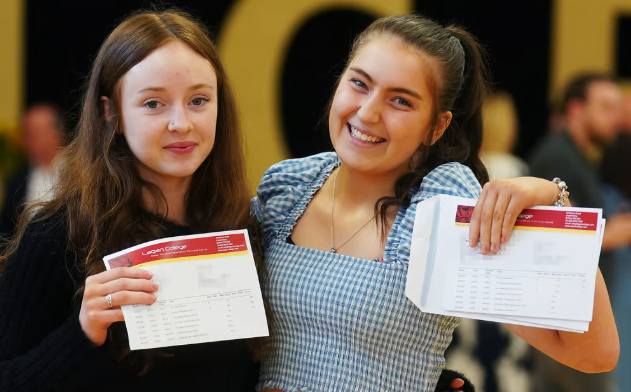
Students across England, Wales, and Northern Ireland are waking up to their A-level results on Thursday, with more than a quarter of entries anticipated to secure the highest grades. These results will play a crucial role in determining whether young people progress to university, vocational training, apprenticeships, or employment.
Last year, 27.8 per cent of UK A-level entries were awarded an A or A* grade, marking the highest proportion outside the pandemic-affected years of 2020 to 2022. In 2019, the last year before Covid-19 disrupted normal grading, 25.4 per cent of entries received top marks. The pandemic had temporarily inflated A-level results in 2020 and 2021 due to reliance on teacher assessments rather than exams.

Education leaders have cautioned that stark regional disparities in A-level performance could persist, reflecting the combined effects of socio-economic factors and the lingering impact of the pandemic. Education Secretary Bridget Phillipson emphasized that the government will not “stand by and accept the entrenched inequalities” that continue to limit life opportunities for many young people, with plans to address attainment gaps between white working-class students and their peers expected this autumn.
Pepe Di’Iasio, general secretary of the Association of School and College Leaders, noted that A-level grading has returned to a “consistent standard” since the pandemic. However, he warned that performance gaps between regions and student groups remain, largely driven by long-standing socio-economic challenges and the pandemic’s disproportionate effects on disadvantaged students. Di’Iasio stressed that schools and colleges have worked tirelessly to support learners, but government action and investment remain critical to address systemic inequities.
Professor Lee Elliot Major, a social mobility expert at the University of Exeter, echoed these concerns, predicting “stark divides” in A-level results between state and private schools, as well as between regions such as London and the South West or North East. He highlighted factors including the cost-of-living crisis, persistent poverty, school absences, and the pandemic’s legacy as barriers to closing these gaps, warning that generational divides in opportunity could persist if unaddressed.

For many students, Thursday’s results will also confirm their university placements. Jo Saxton, head of UCAS, suggested that a record number of 18-year-olds could secure their first-choice universities this year, as UK institutions seek domestic applicants amid uncertainty over international enrolment. Ahead of results day, UCAS clearing data showed tens of thousands of undergraduate course vacancies across major providers, with many Russell Group universities offering thousands of places for English residents.
In addition to A-level results, students in England will also receive T-level and other Level 3 vocational and technical qualification results on Thursday. Ms Phillipson urged all young people to celebrate their achievements, acknowledging the support of teachers, school staff, and parents. She reaffirmed the government’s commitment to tackling entrenched educational inequalities and improving life chances for disadvantaged students.
Experts emphasize that the effects of the pandemic and long-term socio-economic disparities are still evident, particularly for students in high-deprivation areas, and these challenges are likely to influence results. Sir Ian Bauckham, chief regulator at Ofqual, praised the dedication of teachers in preparing students for these defining assessments, noting the transformative impact that results can have on young people’s futures.

Meanwhile, Scotland, which follows a different qualification system, released its National 5, Highers, and Advanced Highers results last week. The Scottish Qualifications Authority reported modest improvements across the board, with pass rates in top bands increasing compared to the previous year, reflecting continued recovery from pandemic-related disruptions.
Related News:
 Michele Dougherty Makes History as the UK’s First Female Astronomer Royal
 Labour Urged to Revive Sure Start Name to Rebuild Trust and Win Back Reform Voters
 China-Backed Confucius Institutes at UK Universities Face Uncertainty Under New Free Speech Rules
 Tragedy in Cambridge: Two Arrested Over Fatal Assault of International Student
 UK University Staff Studying Sensitive Chinese Issues Report Intimidation
 Princess of Wales Launches Animated Video Series to Support Early Childhood Development
 A-level Results in England Expected to Return to Pre-Pandemic Norms with Shifting Subject Preferences
 University Education Faces New Challenges as Students Question Its Value
 Learner Drivers to Face CPR and Defibrillator Questions in New Theory Tests
 Record Number of UK Students Secure University Places Following A-Level Results
 Boys’ Under-Performance at GCSEs a “National Concern,” Says Leading Education Expert
 From ‘Skibidi’ to ‘Mouse Jiggler’: Cambridge Dictionary Expands with Modern Slang and Social Terms
 Why Where You Live Can Affect Your School Grades – And the Gap Between Areas Is Only Widening
 UK Moves to Evacuate Nine Gaza Students with British University Scholarships
 GCSE Results Day 2025: What Students Need to Know About Grades, New App and Appeals
 Education Leaders Call for End to Compulsory GCSE Resits in English and Maths
 Thousands of New School Nursery Places to Be Rolled Out Across England
 University of Edinburgh Lecturers Launch Five-Day Strike Amid £140m Budget Cuts
 Ofsted Pushes Ahead with Controversial New Inspection Regime Despite Widespread Opposition
 UK Set to Launch Its First ‘Super-University’ Through Landmark Merger of Kent and Greenwich
 Special Needs Reforms Risk Becoming ‘Welfare Reforms Mark 2,’ Warns IFS
 UK Graduates in Healthcare Report Highest Satisfaction with Degree Choices
 Growing Crisis in UK Schools: One in Three Parents Seek Special Needs Assessments
 UK Launches Initiative to Teach Democracy to Toddlers in Memory of Sir David Amess
 Majority of Girls and Young Women in UK Adjust Daily Lives to Feel Safe, Survey Reveals
 UK Confronts Rising Crisis of Child-on-Child Sexual Abuse as Patterns Shift
 Historic Letters Unearthed on eBay Reveal UK Families’ Profits from Slavery
 It Changed My View’: Campaign Encourages Pupils in Deprived Areas to Consider University
 Report Finds School History Lessons Marginalise Women’s Contributions
White Low-Income Pupils in England Show Lowest Levels of School Engagement, Study Finds
Report Finds School History Lessons Marginalise Women’s Contributions
White Low-Income Pupils in England Show Lowest Levels of School Engagement, Study Finds
 Rachel Reeves Unveils Ambitious Plan to Bring a Library to Every Primary School in England
 UK Home Office approves extra visas for UCL international students amid deferred admission concerns
 Teacher Permanently Banned After Slapping Pupil Over Classroom Incident
 UK Universities Warn Students Ahead of 7 October Pro-Palestine Protests
 Eating International Foods Linked to Greater Tolerance, UK Study Finds
 Thousands of University Jobs Cut Amid Deepening Financial Crisis
 Phillipson urges UK universities to combat antisemitism
 MPs Urge UK to Let Gaza Scholars Bring Their Children
 Phillipson Warns Parents Over Poor Quality Online Advice
 UK Pupils Fear AI Is Eroding Their Learning Skills
 Parents spending £5,000 on special school assessments in England
 New V-Level qualification to transform post-16 education
 Oxford Union president-elect ousted following Charlie Kirk scandal
 The debate over England’s compulsory reading test for 13-year-olds
 One in 12 Secondary Pupils Sent to Isolation Weekly
 Children to Judge Inaugural Booker Prize for Young Readers
 Six-Figure Tutors Teach Toddlers to ‘Be British’
 How Bringing Forests Into Preschools Boosts Children’s Health
 Is a two-week half-term a good deal? Some parents in England aren’t so sure
 Bridget Phillipson Vows to Confront Unions Over Reading Tests
 Children to Learn Local History in Major Curriculum Overhaul
 Top Christmas Books Reads: Classics to Cozy Romcoms
England Curriculum Review Recommends Major Changes
Top Christmas Books Reads: Classics to Cozy Romcoms
England Curriculum Review Recommends Major Changes
 Mortgages and AI Set to Feature in English Schools
 Greta Thunberg Backs Student Facing UK Visa Revocation
 Audio Books deals and promo codes to explore in November 2025
 London’s Childlessness Crisis: Schools Closing as Families Shrink
 No link found between paracetamol in pregnancy and autism
 Government urges schools to ban phones to curb classroom disruption
 Stephen Fry backs SafeCall to protect missing children
 England’s Special Needs Support Faces Breaking Point
 Higgs Donates Nobel Medal to His Beloved University
 Some schools in England take six times more special needs pupils
 UK Schools Face Staff Exodus Amid Wellbeing Crash
 Top Diaries and Planners to Upgrade Your Organisation in 2026
 Schools urged to trial four-day week to ease pressure on teachers in England and Wales
 Oxford Names ‘Rage Bait’ Word of the Year
 Digital ID Plans Ignite Debate Over £600m Treasury Tax Boost and Privacy Concerns
 Public Trust in SNP Hits Historic Low Amid NHS Concerns
 Strictly Celebs Starstruck as Cynthia Erivo Shines
 Johnson Suggests Mandelson Linked to China Spy Controversy
 Ministry of Justice fails to file £11bn in spending receipts
Rachel Reeves signals welfare reform ahead of key budget
Ministry of Justice fails to file £11bn in spending receipts
Rachel Reeves signals welfare reform ahead of key budget
 Reform UK candidate fined £19,000 after using AI-generated cases to challenge election
 William Steps Up Over Prince Andrew Palace Response
 Hospice Cuts Raise Alarm Across England Amid Funding Crisis
 Green Party Surges Past Labour in Latest UK Poll
 Prince William Plants Trees with Brazil’s Nature Heroes
 Labour immigration crackdown could cost UK £4.4bn
 King Charles to Lead Nation in Remembrance Sunday Service