Published: 17 August ‘2025 | The English Chronicle Desk
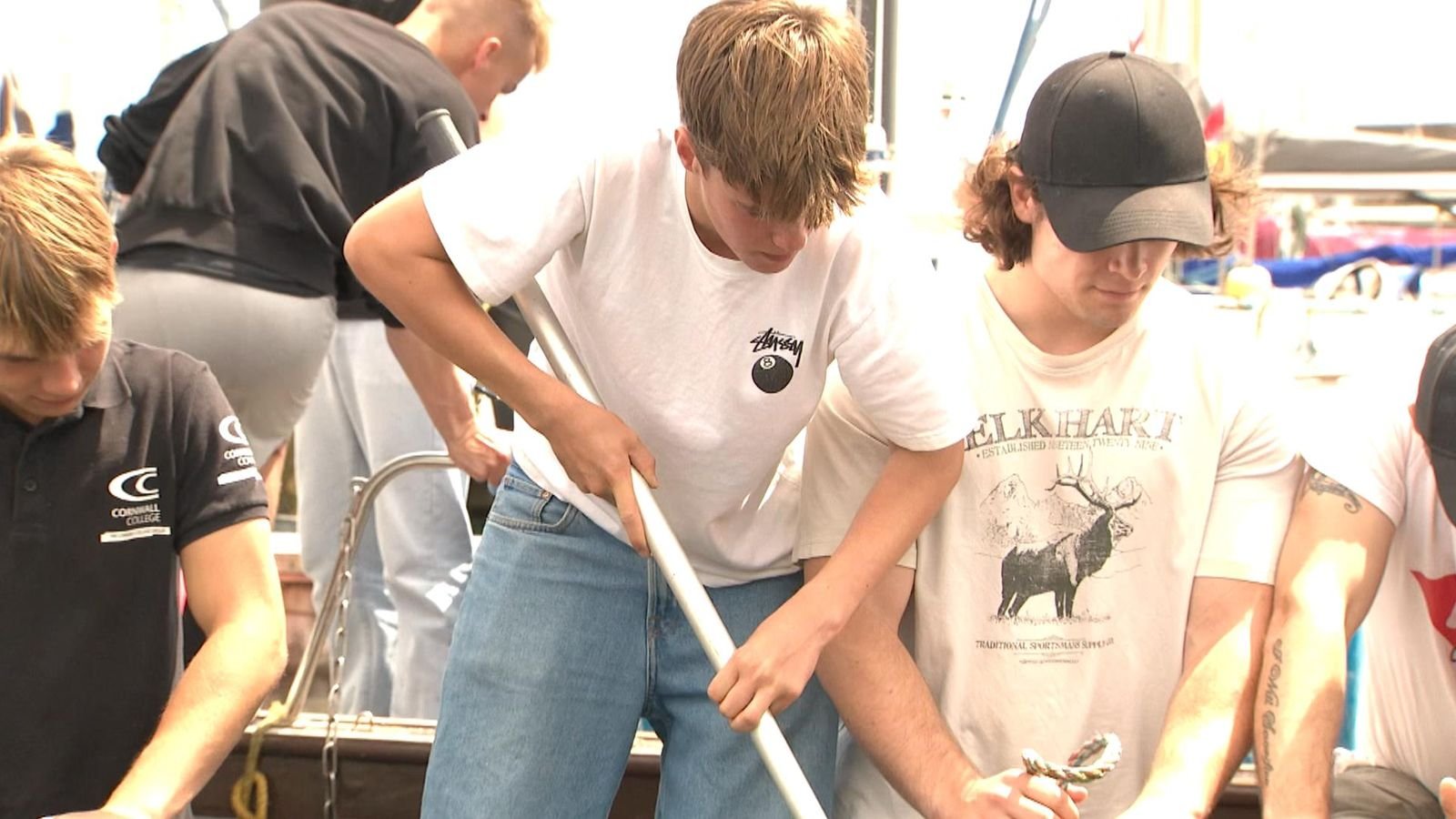
At a small training hut near Newlyn Harbour in Cornwall, a group of aspiring fishermen are immersing themselves in the age-old craft that has sustained coastal communities for generations. Over the course of a two-week intensive program, around a dozen students are learning everything from knotwork and chart plotting to navigation and sea survival, equipping them with the skills required to embark on a career at sea.
While many participants follow family traditions, others are embracing fishing as a completely new path. Elliot Fairbairn, 28, originally from London, paused his work as a groundworker to take the course. “I’m not from a fishing family – I just like a challenge,” he explains. “It makes you feel good doing a hard job. I think that’s what’s getting lost these days – people want an easy job, easy money, and they don’t understand what it takes to be successful. Sometimes you’ve got to put in the work.” Fairbairn already has a berth lined up on a ring-netter boat for the following week.

Among the younger recruits is 17-year-old Oscar Ashby, balancing his A-Level studies at Truro College with work in Cornwall’s main hospital. Drawn by the opportunity to work outdoors and learn practical skills, Ashby describes fishing as “one of the last jobs that is like being a hunter-gatherer – everything else is really industrialised.”
The course, run by the charity Seafood Cornwall Training, was oversubscribed, with only half of applicants able to secure a place. Clare Leverton, manager of the program, emphasizes that students gain not only technical expertise but also practical guidance on entering the industry. “We’re trying to give them a foot in the door. By meeting tutors, skippers on the quay, and vessel managers, they start to understand who they need to talk to in order to get jobs,” she explains.
Attracting young entrants is increasingly urgent as the UK fishing workforce continues to shrink. Over the past 30 years, the number of professional fishermen has halved from roughly 20,000 to 10,000, and the average age now stands at 55. Mike Cohen, chief executive of the National Federation of Fishermen’s Organisations, notes the impact of an aging workforce on the industry’s sustainability.
The decline is compounded by tensions over post-Brexit EU agreements, which allow European vessels continued access to UK waters. Cohen explains that for new entrants operating smaller boats, access to the most productive coastal areas is increasingly limited, creating additional pressure on those just starting their careers. The government maintains that it remains committed to supporting the British fishing industry while safeguarding UK waters.

To bolster recruitment and support for young fishermen, the Cornwall Fish Producers Organisation has helped establish the Young Fishermen Network. Skipper Tom Lambourne, 29, who helped create the group, stresses the importance of community among newcomers. “There’s never been a collective for young fishermen. For a youngster entering the industry, being part of this network – knowing there are other young people in the same position – is invaluable,” he says.
While fishing contributes a modest 0.03% to the UK’s GDP, generating an economic output of approximately £483 million in 2021, studies suggest each active fisherman supports around 15 additional jobs within the broader seafood supply chain. Beyond economics, the profession represents a vital thread in the fabric of the nation’s identity, culture, and coastal heritage. As these trainees prepare to take their first steps into the profession, they carry the responsibility of preserving a centuries-old way of life for the generations to come.
Related News:
 Tragic End to Racing Event as Powerboat Driver Dies in Collision near Lowestoft
 Tragedy Strikes in Portugal: UK-Based Family of Four Killed in Devastating Holiday Collision
 Mystery Wallaby Spotted on Norfolk-Suffolk Border Sparks Police Appeal
 Manchester Airport Faces Delays After EasyJet Planes’ Wings ‘Clip’ on Runway
 UK Weather: Heat Alerts Extended as Temperatures Set to Reach 30°C This Weekend
 Access to Iconic Cornish Beach Cut Off by National Trust Amid Safety Concerns
 Aston Villa Under Pressure as Newcastle Take on Hosts in Premier League Opener
 Tottenham Make Three Changes as Spurs Prepare to Host Burnley in Premier League Opener
 Manchester City Announce Their Return in Style with Haaland Double and Debut Goals at Wolves
 Rayner Warns Farage’s Reform UK Could ‘Fail a Generation of Young Women’ in Online Safety Row
 Where Is Prince William and Kate Middleton’s New House? Inside the Historic Lodge Set to Become Their ‘Forever Home’
 Tragic Loss: 11-Year-Old Girl Dies in Water Accident at Cornwall Beauty Spot
 Westminster Bridge Shut Amid Police Response to Mental Health Incident
 Heathrow Terminal 4 Reopens After Police Find No Hazardous Substance
 Man City 2-0 Napoli: Haaland Reaches 50 Champions League Goals After Red Card Turns Tide
 Commons Speaker Warns UK Parliament Vulnerable to Foreign Espionage After China-Linked Case Dropped
 “Social Housing Crisis in England: Tenant Complaints Soar Amid Dangerous Living Conditions”
 Dawson’s Creek” Cast Reunites for Special Broadway Benefit to Support James Van Der Beek
 Liverpool Edge Past Southampton in Dramatic Carabao Cup Clash
Manchester City Dominate Burnley 5-1 as Haaland’s Brace Secures Vital Win
Liverpool Edge Past Southampton in Dramatic Carabao Cup Clash
Manchester City Dominate Burnley 5-1 as Haaland’s Brace Secures Vital Win
 Aston Villa Fight Back to End Winless Run with Convincing Victory over Fulham
 Storm Amy Ravages UK: Fatalities, Widespread Travel Chaos, and Power Outages
 Storm Amy Wreaks Havoc Across UK and Ireland, Claims One Life
 UK Police to Gain New Powers to Manage Repeated Protests, Home Office Announces
 Who is Ruth Codd? All about the Irish actress on Celebrity Traitors
 Women Challenge Meta Over Targeted Ads After Miscarriage
 Owl rescued after flying 180 miles to North Sea oil rig
 Ange Postecoglou’s Naivety Premier League Misadventure Ends
 Barnes Inspires Newcastle to Champions League Triumph Over Benfica
City shine with PlayStation-style football to overwhelm Villarreal
Barnes Inspires Newcastle to Champions League Triumph Over Benfica
City shine with PlayStation-style football to overwhelm Villarreal
 Lisbon Transport Board Resigns After Deadly Funicular Crash
 Gibbs-White Inspires Forest to Thrilling Win Over Porto
 Go Ahead Eagles Shock Aston Villa as Buendía Misses Late Penalty
 Children to Judge Inaugural Booker Prize for Young Readers
 Manchester United triumph as Mbeumo brace seals thrilling win
 Fabio Wardley stuns Joseph Parker to earn Usyk title shot
 Lotto result jackpot draw halted due to technical glitch
 Prince Andrew May Leave Royal Lodge for Frogmore Cottage
 Man Trapped in Quicksand Rescued in Dramatic Coastal Rescue
Prince Andrew Hosted Epstein Days Before Arrest
Man Trapped in Quicksand Rescued in Dramatic Coastal Rescue
Prince Andrew Hosted Epstein Days Before Arrest
 Hospice Cuts Raise Alarm Across England Amid Funding Crisis
 Morning-After Pill Now Free Across England’s Pharmacies
 Zarah Sultana Launches Party to Change Politics
 Ex-Army Sergeant Jailed for Assault on Soldier Who Later Died
 Dyche Criticises Corner Decision as Forest Draw with United
 Caicedo Shines as Chelsea Edge Spurs in Chaotic Derby
 Millions of Brits Adjust Lifestyle to Afford Essentials
 Who is Rama Duwaji? What Zohran Mamdani’s wife has said about Gaza and ICE as he’s elected NYC mayor
 Stephen Fry backs SafeCall to protect missing children
 Mary Earps’s Manchester United Return Faces Mixed Reception
 Sam Kerr Stars in Chelsea Return with Champions League Double
 This kid is something else: Alex Scott’s rise to England call-up
 Son Reveals UK Couple in Iran Resort to Hunger Strike for Help
 Pressure Mounts on Starmer to Sack Chief of Staff Over Briefing Row
 Two in Three Women in UK Armed Forces Report Harassment
 Former Lion Heskey Warns of Shortage of England Strikers
 UK Asylum Reforms: Temporary Refugee Status and Faster Deportations
 Mother Watches in Horror as Teen Daughter Dies on Tracks
 Minister Defends Tough New Asylum Reform Plan
 UK Net Migration Falls Sharply After ONS Revisions
 Commuters warned as yellow snow and ice alert hits Northern Ireland
 UK Vulnerable to Attack, Defence Committee Finds
 Rama Rebukes Mahmood for Targeting Albanian Families
 Russian Vessel Used Lasers on RAF Pilots, UK Claims
 MP Offers Seat to Help Burnham Challenge Starmer
 Court to Hear Challenge to Wimbledon Expansion Plan
 Serial Rapist and Former Cop Found Guilty Again
 TikTok Star Jessie Yendle Mocked by KFC
 UK Energy Bills to Rise Slightly in January
 English Mayors Set to Introduce Tourist Taxes
 Ex-Classmate Accuses Farage of Dishonesty on Racism Claims
 Millions Face Higher Taxes Under Reeves New Budget
 Peers Get Extra Time to Debate Assisted Dying Bill
 Planned Palestinian Flag Raising at Belfast City Hall Faces Delay Amid Legal Concerns
 Sudanese Family Vows to Stay After Racist Graffiti
 Ex-Brexit MEP Rejects Claim of Pro-Russia Payments
 Machynlleth High Street Left Without Christmas Lights
 Government righting decades-old injustice for miners
 Second homes curbs quashed in Gwynedd legal ruling
 Search underway for British man overboard off Tenerife