Published: 21 August 2025 . The English Chronicle Desk
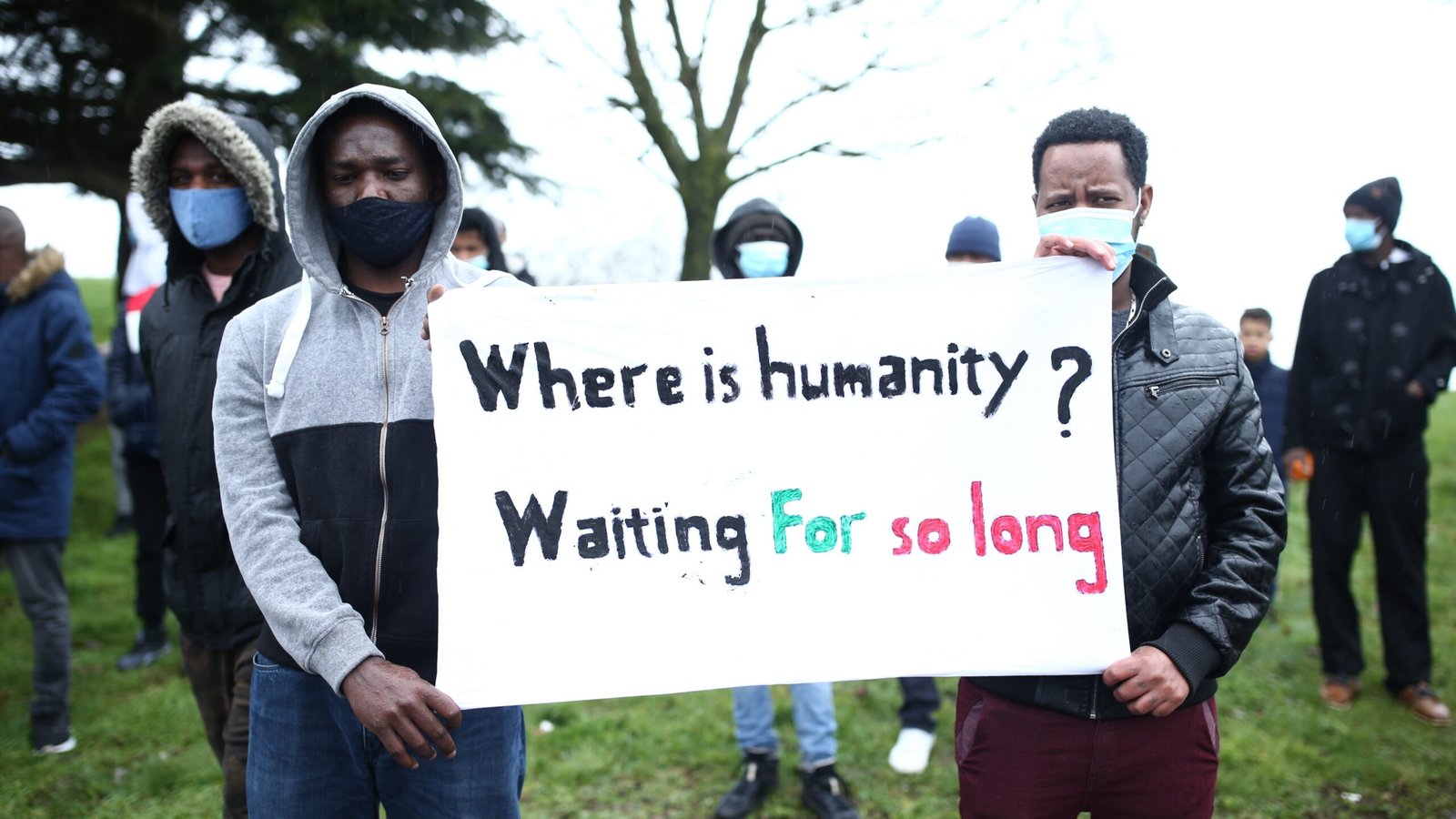
Newly released Home Office data has painted a stark picture of the pressures facing the United Kingdom’s asylum system, prompting urgent warnings from political commentators and opposition figures over what they describe as a rapidly escalating crisis. The figures reveal that the number of asylum seekers housed in hotels increased by 8 percent to 32,059 during Sir Keir Starmer’s first year in office, reflecting a continued surge in small boat arrivals across the English Channel.

Reform party spokesman Zia Yusuf has sharply criticised what he terms “soft touch Britain,” warning that the country’s immigration crisis is deepening under the current government. Speaking to the Express, Mr Yusuf described the situation as “dire,” arguing that the UK’s infrastructure is already stretched to capacity. “British people are generous, warmhearted, and welcoming, but they have had enough. Britain is full. We have no infrastructure to cope. People are being soaked in taxes to pay for all of these people to basically live a life of leisure at taxpayer expense,” he said.
The Home Office figures also show that the total number of people claiming asylum reached a record 111,084 in the year to June 2025, up 14 percent from 97,107 in the same period the previous year. This surpasses the previous 12-month record of 109,343 in March 2025. While small boat arrivals remain a central concern, deportations in the same period have fallen by seven percent to 2,330, raising questions about the government’s ability to deter illegal crossings and manage the backlog of pending asylum cases.

Critics, including Nigel Farage’s DOGE UK head, have voiced frustration at what they perceive as a system of incentives that encourage migrants to cross from France, a safe country, into the UK. “As soon as they get here, they are picked up by the British border force, taken to free hotels, provided meals, healthcare, and even trips to local attractions. Work legally if you want, but their entire life is effectively paid for,” he remarked, highlighting concerns over the potential for exploitation of the asylum system.
Mr Yusuf has called for urgent policy changes to reduce these incentives, including a withdrawal from the European Convention on Human Rights, an outcome he believes is unlikely under the current administration. “The only way to bring these figures under control is by removing the incentives that encourage this dangerous and costly behaviour,” he asserted.
In response, Home Secretary Yvette Cooper emphasised that the government inherited a “broken immigration and asylum system” from the previous administration. Cooper highlighted recent measures designed to restore control and efficiency, including increased enforcement and returns of failed asylum seekers, stricter visa controls, and reductions in asylum costs. “In the last 12 months, we have increased returns of failed asylum seekers by over 30 percent, cut asylum costs by 11 percent, and reduced the backlog by 18 percent. Our forthcoming reforms will overhaul the asylum appeal system, ensuring fairness and efficiency, and tackling the chaotic use of asylum hotels,” she said.
Cooper also stressed that the government is taking steps to manage legal migration while strengthening border security. Measures include a 48 percent reduction in work visas this year, new skill requirements, and the introduction of a pilot agreement with France to manage Channel crossings more effectively. Additional counter-terror powers and asylum reforms are planned for later this year to further streamline the system and address persistent delays in appeals.

As the UK grapples with record asylum claims, a rising number of migrants in temporary accommodation, and growing political debate, the latest figures underline the immense pressures facing the government and the urgent need for comprehensive immigration and asylum reforms. The debate over the balance between humanitarian obligations and effective border management remains at the forefront of UK politics, as policymakers, political commentators, and the public closely monitor developments in this unfolding crisis.
Related News:
 UK Must Act with Courage and Clarity on Israel-Palestine Conflict, Says Foreign Affairs Committee Report
 The Ketamine Crisis in the UK is a Silent Epidemic Leaving Users with Lifelong Pain
 London Set to Honour Euro 2025 Champions as Lionesses Take Victory Parade Through the Capital
 Targeted Attack in Bury Sparks Murder Investigation as Community Awaits Justice
 Princess of Wales Launches Animated Video Series to Support Early Childhood Development
 Heartbreak in the New Forest as Shetland Ponies Vanish, Community on Edge
 Radioactive Leak at UK’s Nuclear Warhead Base Sparks Outcry Over Safety and Secrecy
 Fire Contained at Edinburgh’s Arthur’s Seat After Overnight Battle by Firefighters
 Premier League Supercomputer Predicts Tough Season for Man Utd Amid Three-Team Title Battle
 Mystery Wallaby Spotted on Norfolk-Suffolk Border Sparks Police Appeal
 UK Weather: Heat Alerts Extended as Temperatures Set to Reach 30°C This Weekend
 Terence Stamp, ’60s British Film Legend and Star of Superman, Dies at 87
 Merseyside Police Helicopter Crew Cleared After Low-Altitude Pursuit of Suspect
 Is the UK Ready to Put Boots on the Ground in Ukraine? Assessing Military Capacity and Challenges
 Palestine Action Ban Protesters Plan Tactic to Overwhelm Police at Next London Demonstration
 High Court Rules Against Noel Clarke in Libel Case Against Guardian Publisher
 Desperate Plea to ‘End This Tide of Misery’ as Children Struggle in the English Channel
 Grimsby Stun Manchester United in Dramatic Penalty Shootout
 Rachel Reeves’s Budget Advisor Proposes Sweeping Tax Hikes: What Could Hit Households Next
 Why E-Bikes and E-Scooters Are Making Streets a ‘Nightmare’ for Blind People
 Retail Sales See Uptick Amid Errors and Delays as ONS Faces Scrutiny
 Millions in the UK at Higher Risk of Heart Failure and Stroke Due to Air Pollution, Study Warns
 UK Launches Major Crackdown on Networks Profiting from Online Child Sexual Abuse
 UK Rejoining EU ‘Unlikely in My Lifetime,’ Says Starmer’s Europe Reset Negotiator
 Prime Suspect in Madeleine McCann Case Declines Metropolitan Police Interview Ahead of German Prison Release
 ‘Unite the Kingdom’ Rally Sparks Fears of Far-Right Normalisation Among Minority Britons
 Growing Crisis in UK Schools: One in Three Parents Seek Special Needs Assessments
 Thousands Gather in London to Protest Donald Trump’s Second UK State Visit
 Zarah Sultana Seeks Legal Action After Bitter Clash with Jeremy Corbyn Over Party Membership Funds
 Watchdog, Cornflakes and Courage: Remembering John Stapleton, a Broadcaster Who Did It All
 Top Andy Burnham Ally Launches Fierce Critique of Starmer Ahead of Labour Conference
 Mahmood Pledges Reform of Modern Slavery Laws After Court Blocks Deportation Appeal
 UK Government Backs Return of International Rail Travel to Kent Stations
 Arsenal VS Newcastle Hearts with Dramatic Late Turnaround at St James’ Park
 Ed Miliband Urges Labour to Confront Billionaire-Backed Opposition to Net Zero Goals
 A Third of EU Citizens in UK Report Discrimination by Public Bodies Post-Brexit
 Wetherspoon vows to keep prices low amid soaring energy and tax costs
 Teacher Permanently Banned After Slapping Pupil Over Classroom Incident
 Jilly Cooper: The Bonkbuster Queen Who Redefined Romantic Fiction
 Digital ID Plans Ignite Debate Over £600m Treasury Tax Boost and Privacy Concerns
 Millions in the UK at Risk of Cyber-Attacks as Microsoft Ends Windows 10 Updates, Warns Which?
 Public Trust in SNP Hits Historic Low Amid NHS Concerns
 Yvette Cooper Backs Digital ID Plan for UK Teens
 Strictly Celebs Starstruck as Cynthia Erivo Shines
 Ian Watkins Killed in Prison; Ex-Girlfriend Speaks Out
 Johnson Suggests Mandelson Linked to China Spy Controversy
 Ministry of Justice fails to file £11bn in spending receipts
 Rachel Reeves signals welfare reform ahead of key budget
 Pizza Hut to shut 68 sites after collapsing into administration
 Reform UK candidate fined £19,000 after using AI-generated cases to challenge election
 Harry and Meghan join global AI leaders urging superintelligence ban
 One in 12 Secondary Pupils Sent to Isolation Weekly
 William Steps Up Over Prince Andrew Palace Response
 Manchester United triumph as Mbeumo brace seals thrilling win
 Hospice Cuts Raise Alarm Across England Amid Funding Crisis
 UK Woman Loses Child Benefit After Booking Flight She Never Took
 Green Party Surges Past Labour in Latest UK Poll
 Zarah Sultana Launches Party to Change Politics
 Mass Stabbing on Doncaster to London Train Leaves Ten Injured
 Children to Learn Local History in Major Curriculum Overhaul
 Granit Xhaka Rescue Earns Everton Draw at Sunderland
 The Lowry Hotel: Manchester’s Iconic Five-Star Retreat
 Prince William Plants Trees with Brazil’s Nature Heroes
 Just Stop Oil Protesters Convicted Amid Climate Defence Row
 Tony Blair think tank warns Rachel Reeves must cut taxes if manifesto broken
 King Charles to Lead Nation in Remembrance Sunday Service
 How to get help when a child goes missing – call 999 urgently
 Starmer Faces Growing Dissent as Labour MPs Weigh Leadership Challenge
 Son Reveals UK Couple in Iran Resort to Hunger Strike for Help
 Valve Opens the Door for Android Games on Steam
 Peers Flood Assisted Dying Bill with 942 Amendments
 Former Lion Heskey Warns of Shortage of England Strikers
 Mother Watches in Horror as Teen Daughter Dies on Tracks
 ‘Traumatic Wait’: Northern Ireland Women Face Breast Cancer Delays
 Serial Rapist and Former Cop Found Guilty Again
 Most Tories Expect to Support a Farage-Led Government
 Bill Murray Terrified Wes Anderson but Became His Closest Collaborator
 Karen Carney Stuns on Blackpool Week, Deserves Strictly Final
 Fibromyalgia Patients Struggle as NHS Fails to Provide Care
 Virgin Media Fined £23.8m Over Telecare Safety Failures