Published: 08 July 2026. The English Chronicle Desk. The English Chronicle Online.
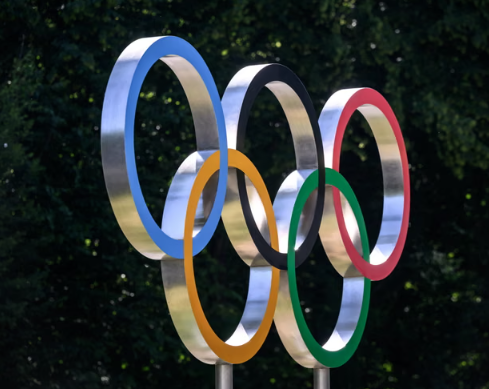
The International Olympic Committee has officially lifted the long-standing suspension imposed upon Russia today. This monumental decision now clears the path for Russian athletes to return to the Games. The sporting world watches closely as this development sets the stage for the Los Angeles event. Many stakeholders have expressed varied reactions to this significant shift in international sports diplomacy policy. The Olympic movement faces a complex future as it balances inclusion with its core ethical values.
Russia has remained barred from competing under its own national flag since the year 2016. State-sponsored doping scandals initiated a series of strict sanctions that lasted for several long years. The subsequent invasion of Ukraine intensified these measures, leading to a near-total international sporting isolation. The IOC executive board now invites the Russian Olympic Committee back into the global fold. Officials claim the committee no longer exerts influence over sports bodies in occupied Ukrainian territories. This shift represents a major change in how the committee views current regional administrative structures.
Kirsty Coventry, the IOC president, provided clear justifications for this controversial and historic policy reversal. She emphasized that individual athletes should not face punishment for the actions of their government. The committee updated its internal rules last week to prioritize the participation of all athletes. Coventry stated that they want to ensure every qualified person can compete at the Games. She further clarified that this decision does not signal support for violence across the world. The committee aims to maintain a delicate balance between athletic participation and global political neutrality.
Only twenty-seven athletes from Russia competed across the recent Paris and Milano Cortina Games. These individuals had to undergo a rigorous vetting process to prove their neutral status clearly. Athletes were required to show they did not support the ongoing conflict in their home country. The IOC has now scrapped this specific requirement for future international events and upcoming Games. Russian competitors will only need to abide by the general values of the Olympic charter. This change allows hundreds of athletes to potentially represent their nation at the Los Angeles.
The IOC decision includes several strict caveats designed to ensure Russia follows essential rules. Officials have not yet decided if the Russian flag or national anthem will be allowed. The committee will continue to refuse hosting any events within the borders of the Russian Federation. No Russian government officials will receive invitations to attend official committee events in the future. Athletes must also undergo multiple doping tests administered by the International Testing Agency immediately. Doping concerns remain a primary focus because the Russian anti-doping agency remains currently suspended.
The Russian anti-doping agency continues to face issues regarding a past major cover-up scandal. Directors allegedly manipulated test results during the Sochi Winter Olympics held in the year 2014. These ongoing trust issues force the committee to maintain careful oversight of all Russian athletes. The committee has also granted individual sports federations the discretion to make their own choices. Many sports organizations will likely allow Russian teams to return long before the Games begin. This decentralization of authority creates a patchwork landscape for international competition in the coming years.
Major governing bodies like Fifa and Uefa currently maintain their bans on all Russian teams. Neither organization has immediate plans to welcome back Russian national or club level squads. World Athletics recently upheld its firm decision to exclude both Russian and Belarusian individual competitors. These entities prioritize the safety and integrity of their specific sports over broader committee decisions. The gap between the committee and various federations continues to widen with these recent announcements. Fans and pundits remain uncertain about how these conflicting rules will function in practice soon.
Mikhail Degtyarev, the Russian sports minister, expressed deep satisfaction with the committee’s latest policy announcement. He predicted this move would lead to the rapid reinstatement of Russian teams across sports. He also expects his country to host major sporting events again in the near future. The minister highlighted the extensive diplomatic efforts his nation undertook to reach this current stage. He expressed his clear intent to take advantage of the newly granted federation autonomy soon. Russian authorities see this as a victory for their long-term international sports advocacy goals.
However, many Western political leaders have expressed profound disappointment and shock at this latest move. The UK culture secretary, Lisa Nandy, publicly condemned the decision during a recent press briefing. She stated she was utterly appalled by the committee choosing to ignore the current invasion. The British government maintains that the Russian state should not participate in international sports events. Nandy insisted that the UK stands in total solidarity with the people of Ukraine today. She expressed her belief that this move undermines the global effort to isolate Russia.
Government officials also raised significant concerns regarding the integrity of anti-doping systems in the country. Nandy argued that Russia consistently shows a blatant disregard for established international anti-doping rules today. She claimed that such behavior makes a mockery of all future Olympic participation and competition. Athletes from around the world deserve to compete on a truly fair and level field. The prospect of an uneven playing field remains a massive concern for many national federations. Politicians worry about the long-term impact on the reputation of the global Olympic movement.
Advocacy groups like Global Athlete have also voiced strong opposition to the committee’s new approach. The group director general, Rob Koehler, criticized the lowering of standards for stakeholder accountability today. He argued that the committee has chosen to rewrite its own rules to accommodate Russia. There is no current evidence suggesting that the Russian state has changed its behavior significantly. The Olympic Charter should protect the integrity of sport rather than enabling repeat policy violators. These organizations fear that this decision will permanently damage the trust of the athletes.
The committee remains focused on its mission to foster international unity through competitive sport events. They continue to monitor the situation closely to ensure all rules are followed by everyone. The road to the Los Angeles Games will likely remain fraught with intense political debate. Meanwhile, the committee has announced new additions to the upcoming 2030 Winter Olympic schedule. These events include a new format of synchronized ice skating and freeride skiing events. The organization hopes these fresh competitions will generate excitement among the global viewing public soon.
Related News:
 Can Congress Stop US Sports Teams From Moving Cities?
 John Terry Faces Backlash Over Political Posts
 North Korean Women’s Football Club to Visit Seoul in Rare Cross-Border Trip
 Trump’s Red-Card Intervention Hurts the US World Cup
 French Soccer Team Linked to ICE Deportation Flights
 Army Officers Orders to Cut Ties with Men-Only Clubs
 Trump’s UK Ambassador Urges North Sea Drilling to Strengthen US Ties
BBC to Apologise Over Edited Trump Speech Amid Backlash
Trump’s UK Ambassador Urges North Sea Drilling to Strengthen US Ties
BBC to Apologise Over Edited Trump Speech Amid Backlash
 Britain deploys RAF specialists to assist Belgium with drone threats
 Millionaires group urge Reeves to introduce wealth tax to ‘lift kids out of poverty’
 Reeves rejects £1bn plea for NHS redundancy payouts
 PM Condemns Leaks, Vows Loyalty to Ministers and Stability
 Major Rent Reform Ends No-Fault Evictions in England
 Saka Solidifies Role as Tuchel’s Key England Lieutenant
 Greene Pushes Epstein Files Amid Trump Fallout
 December Run-Off in Chile as Election Produces No Winner
 Shadow Fleet at Sea: Europe’s Battle Against Illicit Oil Shipping
 Tiny Curacao Makes History as Smallest Nation to Reach World Cup
 Georgians Defy Government Crackdown After Year of Protests
 ICC to Rule on Duterte’s Provisional Release
 Starmer Says Labour’s Economic Plan Needs Years to Deliver
 Australia Face Big Changes as Cummins and Lyon Ruled Out of Ashes
 Aston Villa Remain Arsenal’s Key Obstacle in Title Pursuit
 Australia grants Asio powers to designate hate groups under new laws
 Trump press secretary attacks reporter over ICE question
 Spoof “Make America Go Away” Caps Rally Denmark Over Greenland
 Trump Fed bid heads to Supreme Court
 Pentagon Signals Reduced Role in Deterring North Korea
 Artificial intelligence will cost jobs, admits Liz Kendall
 Liverpool Chase Champions Glory With Stunning Qarabag Victory
 Partial US Government Shutdown Hits Homeland Security Funding
 Mandelson Faces Police Inquiry Over Epstein Leak
 Ben Stokes injury joke after brutal ball strike
 Morgan McSweeney downfall shocks Labour leadership
 UK and US Drop in Global Corruption Index Rankings
 Farage Unveils Reform UK Frontbench Team
 Canberra Poster Seizure Sparks Free Speech Row
 BBC World Cup Presenting Duties Shared Among Trio
 Wales Approves Assisted Dying Bill Consent
 English Cricket Faces Moral Crisis Over Indian Investment
 Jacinda Ardern Move Sparks Kiwi Reflection
 Asylum Seekers to Work After Year-Long Wait
 New Zealand Covid Response Praised Despite Lingering Scars
 Injured Mojtaba Khamenei Elevated as Iran Leader
 Inquiry into HMRC child benefit errors launched by NAO
 Air Canada CEO Faces Outcry Over Recent Language Misstep
 Relationship with Trump may be beyond repair, Starmer warned
 Reform UK Pledges To Halt Visas Over Reparations Demands
 UK Government Poised to Revive Stalled Hillsborough Law
 Trump Signals Hope for New Iran Talks as Ceasefire Fades
 Democrats Move to Impeach Defense Secretary Pete Hegseth
 Trump Brokers Landmark Lebanon Ceasefire Amid Regional Hopes
 Investigation Into Anti-Trump Motives After Gala Shooting
 Welsh Labour Faces Potential Historic Election Defeat
 Scott Parker Leaves Burnley After Premier League Drop
 Silent Tracks: Rail Line Without Passengers
 Arteta urges Arsenal to step up in Atlético semi-final
 RFU Backs Borthwick Despite England’s Poor Six Nations
 Major test for Labour as polls open in Great Britain
 Infantino Defends Soaring World Cup 2026 Ticket Costs
 Trump Announces 3-Day Russia–Ukraine Ceasefire Deal
 Wes Streeting faces narrow road to Labour members’ favour
 Keir Starmer Struggles to Secure His Grip on Downing Street
 Farage Faces Standards Probe Over Cash Property Purchase
 England Call Up Janse van Rensburg for Nations Campaign
 Guardiola to Exit Man City; Maresca Lineup Nears
 Alice Capsey Sparks England Win With Brilliant Fifty
 Makerfield Voters Demand Real Change as Election Looms
 Man City Threaten Legal Action Over Haaland Real Madrid Shirt
 Fifa Official Under Investigation Over Hand Gesture Controversy
 Labour MP Revives Blocked Assisted Dying Bill in Commons
 Starmer Set to Announce Exit Plan as Burnham Eyes No 10
 Canada Secure Historic Last 16 Spot with Late Goal
 Trump Faces Backlash Over $2bn Earnings Since Return
 AOC Backs El-Sayed in Tight Michigan Senate Primary
 England Triumph in Azteca World Cup Thriller
 Kylian Mbappé Slams Paraguayan Senator Over Racist Attack
 Trump Swaps Planes Amid Iran Tensions
 Ann Widdecombe, Formidable Political Figure, Dies at 78
 Houthis Strike Saudi Arabia as Middle East Tensions Rise