Published: 22 August 2026. The English Chronicle Desk. The English Chronicle Online
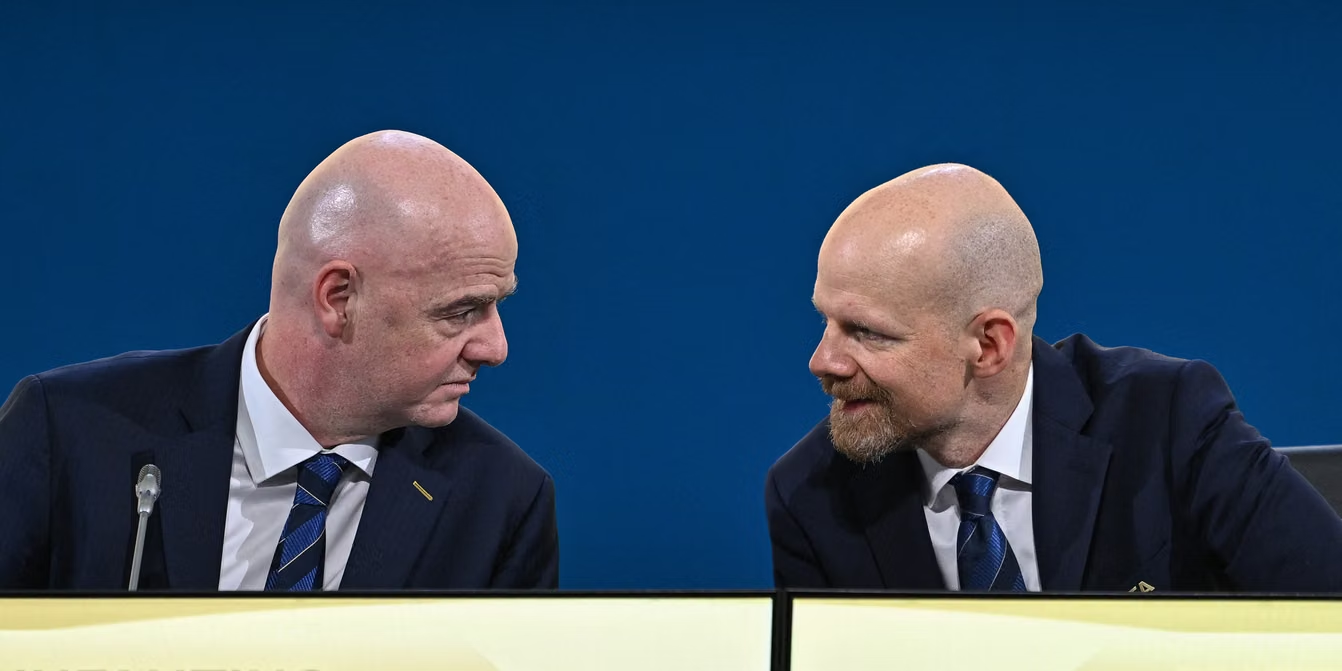
Senior figures in African football have approached Fifa general secretary Mattias Grafström to assess whether the Swedish administrator could be willing to challenge Gianni Infantino for the presidency of world football’s governing body next year, according to reports.
The approaches have emerged at a potentially significant moment for Fifa, with growing signs of dissatisfaction among some African football federations despite the Confederation of African Football publicly maintaining its support for Infantino. As many as 15 African federations are understood to be considering breaking ranks with the incumbent when he seeks re-election.
Grafström, 45, has not indicated that he intends to run for the presidency and is understood to have remained non-committal when approached. However, his initial resistance to a controversial Fifa commercial initiative appears to have encouraged opponents of Infantino to consider whether he could become a credible alternative.
Two presidents of African football federations reportedly spoke separately with Grafström by telephone last week to gauge his position. The conversations are said to have caught him by surprise. Although he did not commit himself to challenging Infantino, his previous working relationships with African football officials have made him a figure of interest among those seeking a possible change in Fifa leadership.

One African football official suggested that Grafström could potentially bring different continental interests together if he decided to enter the contest. The belief among some opponents of Infantino is that a candidate capable of building a coalition across Africa, Europe, Asia and the Concacaf region could present a serious challenge to the incumbent.
Grafström has been Fifa’s permanent general secretary since May 2024, having previously held the position on an interim basis. As the organisation’s second-highest executive official, he has worked closely with Infantino and with football authorities in Africa during the past two years. His position inside Fifa gives him a detailed understanding of the organisation, its finances and its relationships with the continental confederations.
His relationship with Infantino came under scrutiny after the collapse of the Fifa Forward Enterprise proposal. The initiative had included plans to sell a 20% share of the commercial rights connected to the World Cup, with the proceeds intended to strengthen financial support for football associations around the world.
Grafström initially appeared to distance himself from the initiative. In a memo sent to Fifa staff three days after the proposal was abandoned, he wrote that individuals, unstable moments and unfortunate episodes would come and go. The wording was interpreted by some as an indication that the general secretary did not fully support the direction being taken by the organisation’s leadership.
The situation changed quickly. Twenty-four hours later, Grafström signed a letter expressing full support for Infantino. He subsequently informed staff that Fifa chief operating officer Kevin Lamour had been dismissed. Lamour had been one of the strongest internal critics of the Forward Enterprise proposal.
That sequence of events nevertheless appears to have attracted attention among Infantino’s opponents. His initial position was seen by some African officials as evidence that he could potentially be persuaded to lead an alternative campaign, even though there is currently no indication that he has decided to do so.
The issue is particularly important in Africa because the continent’s 54 voting members could play a decisive role in any attempt to remove Infantino. Under Fifa’s electoral system, an opposing candidate would need a majority of the 211 member associations, meaning at least 106 votes, to defeat the incumbent.
Africa has traditionally been one of Infantino’s strongest areas of support. However, disagreements have reportedly increased in several African countries following the decision to hold the Africa Cup of Nations every four years rather than every two years. Many officials are understood to believe that the change was imposed on the continent by Fifa at the end of last year.
The latest signs of uncertainty became particularly visible during a Caf executive committee meeting on 7 August. While Caf president Patrice Motsepe and Moroccan vice-president Fouzi Lekjaa were among those publicly supporting Infantino, sources indicated that only four of the 21 executive committee members openly declared their support.
Most of the others reportedly remained silent. According to one person familiar with the meeting, officials were reluctant to publicly reveal their positions while waiting to see how the presidential contest develops.
That silence does not necessarily mean that Caf has abandoned Infantino. The organisation has publicly stated that its executive committee unanimously reconfirmed its support for the Fifa president. Nevertheless, the reported reluctance among some officials to publicly endorse him suggests that the political situation may be more complicated behind closed doors.
Another potential challenger could be Sheikh Salman bin Ebrahim Al-Khalifa, president of the Asian Football Confederation. Sheikh Salman previously challenged Infantino in the 2016 Fifa presidential election and has continued to maintain significant influence within international football.
Supporters of a possible challenge believe Sheikh Salman could attract backing from several confederations if Europe and other regions decide to unite behind him. The political calculations could therefore involve a broader coalition extending beyond Africa.
One African source suggested that Sheikh Salman could receive between 10 and 15 votes from African associations if he ultimately decides to run. The source also argued that support from Europe, Asia and Concacaf could make his campaign highly competitive.
The emergence of possible candidates is also linked to a wider debate over financial support for football associations. The Forward Enterprise proposal had been expected by some African officials to generate approximately $20 million a year for each association. Although the plan was abandoned, the financial expectations created by the proposal remain important to the political debate.
African football officials are understood to want any alternative candidate to offer a convincing plan for developing football infrastructure across the continent. Simply opposing Infantino may not be enough to win support.
One executive committee member argued that any rival backed by Uefa or another major confederation would need to demonstrate that it could provide African associations with a better financial and development framework. A proposal involving long-term cooperation with Uefa to support poorer football nations and improve infrastructure could, according to the official, attract significant backing.
The debate therefore extends beyond personalities and electoral politics. For many African associations, the future of Fifa leadership will also be judged on the amount of financial assistance available to national federations, the development of football facilities and the balance of power between Fifa and the continental confederations.
Infantino, who has been Fifa president since 2016, remains the clear favourite to retain his position unless a strong coalition emerges behind a rival. His support within several parts of world football remains substantial, and Caf has officially reaffirmed its backing.

However, the discussions surrounding Grafström demonstrate that opposition to Infantino is being actively explored in parts of Africa. The Swedish general secretary’s current position remains unclear, and there is no confirmation that he will enter the presidential race.
Much will depend on whether African federations can coordinate their positions and whether potential challengers can build a sufficiently broad international coalition. With the election approaching next year, the coming months could determine whether the current expressions of dissatisfaction develop into a formal campaign.
For now, Grafström remains inside Fifa’s senior leadership rather than being an announced challenger. Yet the fact that African federation presidents have already approached him indicates that the contest for the presidency could become considerably more complicated if he decides to listen to those urging him to stand.
Related News:
 Football Hopes to Outshine World Cup Drama in Mexico
 Bryne Backs Haaland Before England World Cup Clash
 England and Norway Fans Turn Miami Into World Cup Carnival
 Lamine Yamal’s Birthday: Football, Fame, and France
 England’s Euro Odyssey: A Tale of Grit, Glory and the Lionesses’ Miraculous March to the Final
 Raducanu’s Resurgence and Venus’s Record-Breaking Feat Highlight Washington Showdowns
 Tottenham Takes On Newcastle
 Manchester City Announce Their Return in Style with Haaland Double and Debut Goals at Wolves
 FIFA Eyes Biennial Club World Cup from 2029, Plans Possible Expansion
 Serbia Humiliated 0-5 by England in World Cup Qualifier
 Haaland Hits Five as Norway Crush Moldova 11-1 in World Cup Qualifier
 Gabriel Martinelli’s Spark Ignites Arsenal’s Champions League Campaign with Victory at Athletic Bilbao
 Dembélé and Bonmatí Shine as Ballon d’Or Winners in Glittering Paris Ceremony
 Hannah Hampton Makes History as First Winner of Women’s Yashin Trophy at Ballon d’Or Awards
 Liverpool Vs outhampton Set for Carabao Cup Clash at Anfield
 Dramatic Derby: Sorloth Strikes as Atletico and Real Madrid Share the Spoils
 ICC Women’s World Cup 2025: India to Host as Pakistan Fixtures Moved to Neutral Venues
 Bournemouth Stun Fulham with Dramatic Comeback in Premier League Thriller
 Chaos at Ibrox as Martin’s Rangers Era Comes to an End
 Arsenal Showcase Depth and Flexibility as Arteta Eyes Title Challenge
 Ruben Neves Strikes Late as Portugal Beat Ireland
 Tuchel Criticises ‘Silent Wembley’ After England Win
 Kane’s Double Seals England’s World Cup Qualification
 Barnes Inspires Newcastle to Champions League Triumph Over Benfica
 Fabio Wardley stuns Joseph Parker to earn Usyk title shot
 Tension and Turmoil at Aston Villa v Maccabi Match
 Lando Norris Dominates Brazil GP to Strengthen F1 Title Bid
 Ronaldo Confirms Final World Cup and Plans Retirement
 England Maintain Perfect World Cup Qualifying Record with Win Over Serbia
 Irish Hero Parrott Says Goal Brought First Tears in Years
 Nigeria Misses World Cup Again After Play-Off Loss
 Tiny Curacao Makes History as Smallest Nation to Reach World Cup
 Haiti Qualifies for World Cup Despite Coach Never Visiting Country
 Barcelona Returns to Camp Nou vs Athletic Bilbao
 Mbappe Scores 4 as Real Madrid Edge Olympiakos
 Man City Lose, Champions League Risk
 Trump to attend 2026 FIFA World Cup draw in Washington
 India T20 World Cup Triumph Seals Historic Title Defence
 Iranian Captain Departs Australia Amid Asylum Tension
 $13bn World Cup Set to Break All Revenue Records
 Premier League drama defines crucial weekend
 RFU Backs Borthwick Despite England’s Poor Six Nations
 Miami Upgrades Shake Up F1 Title Fight
 Infantino Defends Soaring World Cup 2026 Ticket Costs
 FIFA Confirms Global Ban for Benfica Star Prestianni
 Chasing Glory: The Quest for a New World Cup Champion
 Nike Charges Fans Most for World Cup Replica Shirts
 Saka Playing Through Pain As England World Cup Campaign Looms
 Knicks Clinch Historic Comeback in Thrilling NBA Finals
 England Cruise Past Costa Rica as World Cup Warm-Up Sharpens Tuchel’s Vision
 Fifa Official Under Investigation Over Hand Gesture Controversy
 Iran Files Official Fifa Complaint Over World Cup Travel
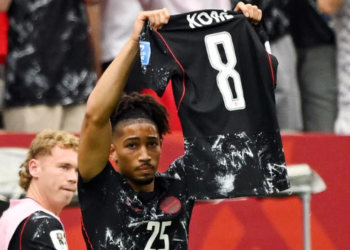 Historic Victory for Canada as They Defeat Nine-Man Qatar
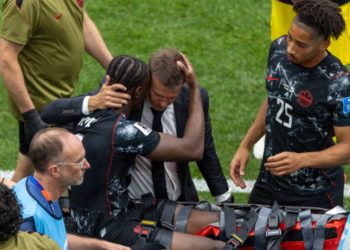 Heartbreak for Canada as Koné Suffers Horrific Injury
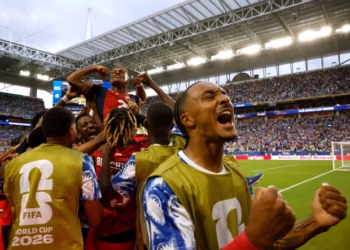 Cape Verde Hold Uruguay in Dramatic World Cup Clash
 World Cup 2026: Reclaiming the American Dream
 Canada Secure Historic Last 16 Spot with Late Goal
 Martinelli Strikes Late as Brazil Edge Past Brave Japan
 Paraguay Shock Germany in Historic Penalty Shootout
 Morocco Beat Dutch in Wild World Cup Penalty Drama
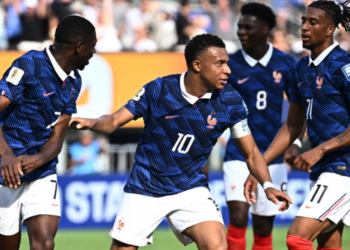 France Dominate Sweden as Deschamps’ New Era Takes Shape
 Mexico World Cup Joy Turns to Tragedy as Two Die in Crowds
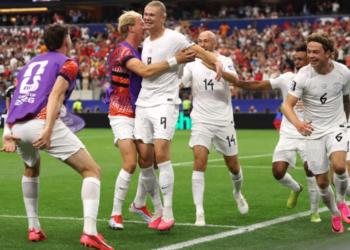 Haaland Heroics Send Norway Into Historic Last 16 Knockout
 Kane Saves Tuchel as England Survive Dramatic Exit
 Ramos Sends Portugal into the Last 16
 Spain Dominates Austria to Reach Quarter-Finals
 Taylor Swift and Travis Kelce Marry at Madison Square Garden
 England Triumph in Azteca World Cup Thriller
 Trump’s Red-Card Intervention Hurts the US World Cup
 Trump Intervenes in Fifa World Cup Balogun Ban
 USA World Cup Heartbreak: Belgium Ends Their Dream
 Spanish Late Winner Sends Ronaldo Into Final Sunset
 Belgium Thrashes USA After Red Card Controversy
 Kylian Mbappé Slams Paraguayan Senator Over Racist Attack
 Egyptian Fury After Argentina World Cup Heartbreak
 World Cup 2026 Power Rankings: England on the Rise
 Mbappé Brilliance Leads France Into Semi-Finals
 Belgium Draws Global Support Before Spain Showdown
 Spain’s Superstar Fan: Keyne Yamal Steals the Spotlight
 Rice Poised for England Semi-Final Clash Against Argentina