Published: 22 September 2025. The English Chronicle Desk
The sporting world, the entertainment industry and countless admirers across Britain remain in mourning following the sudden death of Ricky Hatton, the former boxing champion who captured the hearts of fans far beyond the ring. The 46-year-old athlete, known to many as “The Hitman” and widely regarded as a people’s champion, was found dead at his Manchester home on 14 September. Greater Manchester Police confirmed that the body discovered at his address was not being treated as suspicious, but the shock surrounding the circumstances has left friends, colleagues and fans grappling with grief and unanswered questions.
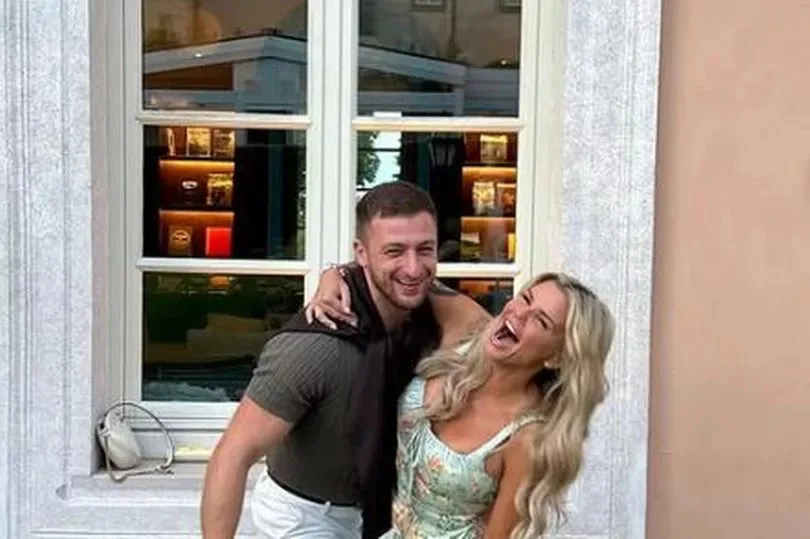
In the days since his passing, a stream of tributes has poured in from public figures, fellow athletes, musicians, actors and ordinary fans whose lives had been touched by his charisma, humour and generosity. Among those who have spoken openly about their grief is television personality Kerry Katona, who revealed a deeply personal regret that she says has been “replaying” constantly in her mind since hearing the devastating news.

Katona, who had known Hatton for several years and worked alongside him in recent months as a brand ambassador for Supreme CBD, described her final interactions with the late boxer. In her weekly column for New! Magazine, she admitted that she had spoken with Hatton earlier in the summer while both were in Ibiza, but declined invitations to meet. “I was devastated when I heard about Ricky Hatton’s death, it really shook me up,” she wrote. “He was a great friend. When I was in Ibiza recently he asked me to meet up twice, and I didn’t because I didn’t want to go out and just wanted to chill, but now that has been replaying in my head.”
She went on to share memories of Hatton’s warm interactions with her children, recalling how he playfully sparred with her son DJ earlier this year and even offered to provide boxing lessons for her son Max. “The whole family have been really upset,” Katona added. “I’m sending love to his family.” Her words reflect the sense of loss felt not only by those closest to Hatton but also by communities who admired his role as both an athlete and a friend.
Katona’s reflections are part of a broader outpouring of emotion. Musician Noel Gallagher, who shared a long friendship with Hatton, recounted their last exchanges just days before his death. Speaking publicly, Gallagher explained: “We were texting each other last week. And I saw him at Heaton Park a couple of the nights, and he was on standard Ricky form. He was wisecracking with everyone, he was having a drink, he was great.” Gallagher admitted he was “gobsmacked” at the news and highlighted Hatton’s long struggle with mental health, a subject widely acknowledged throughout his career. “It just shows you that you never really know,” Gallagher remarked. “It’s such a shame. He’s a great Mancunian.”
Tributes also came from actress Claire Sweeney, who had dated Hatton in the past and maintained a close friendship following their amicable split. Taking to Instagram, she described the difficulty of processing the loss. “I’ve needed a few days to process the devastating news about my dear friend Ricky. My thoughts are with his family, especially his children Campbell, Millie Fearne and Lyla, and his granddaughter,” she wrote. Addressing Hatton’s lifelong friend and manager Paul “Speaky” Speak, she extended sympathy to all those who had known and loved him. “Ricky, you were the people’s champ. We adored and cherished you. Love you always.” Her post was accompanied by a video montage of memories with Hatton, set to Elvis Presley’s If I Can Dream.
The grief has been especially poignant in Manchester, where Hatton was more than a sporting hero. To many, he embodied the working-class resilience of the city, carrying its pride onto international stages while never losing the down-to-earth humour that endeared him to supporters. His boxing career, which saw him rise to world champion status, was marked not only by his tenacity inside the ring but also by his accessibility outside it, as a man who was approachable and unpretentious even at the height of his fame.
Yet behind the success lay personal struggles. Hatton’s battles with mental health were well documented, and his openness in discussing those challenges had earned him respect as well as sympathy. Friends have pointed out that his willingness to speak about his difficulties offered hope to others facing similar issues, reinforcing his role as both a sportsman and a human being who resonated with millions.
The circumstances of his death remain under investigation, but authorities have stated there is no suspicion of foul play. For his family, including his children and granddaughter, and for his manager Paul Speak who discovered him, the loss is deeply personal and profound. For fans, the loss is cultural, marking the passing of a figure who brought them moments of joy, pride and inspiration.

As tributes continue to flood in, questions also remain about how best to honour Hatton’s legacy. Some have suggested charitable initiatives focused on mental health awareness in sport, while others have emphasised the importance of remembering his achievements in boxing. Whatever form remembrance takes, the consistent theme in tributes is clear: Ricky Hatton was loved not only for what he accomplished but for who he was.
For Kerry Katona and many others, the grief is laced with moments of personal regret—words unsaid, meetings postponed, opportunities lost. Yet the collective memory being built in the days following his death has also been one of celebration: of a man whose humour, humanity and fighting spirit left an indelible mark. The image of Ricky Hatton, the smiling fighter who carried Manchester’s spirit with him around the world, will endure long after the sadness of this moment begins to fade.
Related News:
 Emma Heming Willis Speaks Openly on Bruce Willis’s Declining Health Amid Dementia Battle
 Dawson’s Creek” Cast Reunites for Special Broadway Benefit to Support James Van Der Beek
 Who is Ruth Codd? All about the Irish actress on Celebrity Traitors
 Lola Petticrew: ‘Calling it the Troubles minimises what it really was’
 Director Michael Caton-Jones Reflects on Career and Beginnings
 London Bids for 2029 World Athletics Championships with £45 Million Government Backing
 Usyk vs. Dubois: Heavyweight Clash of Generations Set to Electrify Boxing World Tonight
 Darts’ Elite Converge on Blackpool as Prestigious World Matchplay Tournament Begins
 Farewell to a Cultural Icon: Malcolm-Jamal Warner Dies at 54 During Holiday in Costa Rica
 A New Wrestling Revolution: Fox Nation Teams with Hulk Hogan and Eric Bischoff for Groundbreaking League
 The Walking Dead’ Actress Kelley Mack Dies at 33
 Sean Hayes Reimagined: From Sitcom Stardom to Serious Stage Acclaim
 Love? Actually, No: Emma Thompson Reveals Donald Trump Once Asked Her on a Date
 The Twisted Tale of Amanda Knox: When Retelling Justice Becomes Misguided Drama
 Millie Bobby Brown and Jake Bongiovi Begin Parenthood Through Adoption
 Chappell Roan Delivers Fairytale Spectacle at Reading Festival, Cementing Pop Stardom
 September’s Must-See Films: From Spinal Tap II to Leonardo DiCaprio’s Latest Thriller
 Robert Redford: The Indispensable Patron of American Independent Cinema
 Watchdog, Cornflakes and Courage: Remembering John Stapleton, a Broadcaster Who Did It All
 Beloved Actress Dame Patricia Routledge Dies Aged 96
 Karen Carney Shines on Strictly Come Dancing Week Two Despite Tango Wobbles
 Celebrity Traitors First Look: A Star-Studded Highland Adventure That Hooks from the Start
 Academy Award-Winning Actress Diane Keaton Dies at 79
 Strictly Celebs Starstruck as Cynthia Erivo Shines
 Grange Hill Creator Criticises TV’s ‘Oxbridge Gang’ Rule
 Kaye Adams Yet to Receive Complaint Weeks After Suspension
 Dave Ball: The Unsung Genius Behind Soft Cell’s Bold Sound
 Fabio Wardley stuns Joseph Parker to earn Usyk title shot
 Netflix’s A House of Dynamite Hits Reality Walls
 Prunella Scales: From Fawlty Towers Icon to Beloved Canal Explorer
 Kate Winslet to Narrate Film Highlighting King’s Environmental Mission
 The upcoming book-to-screen adaptations I’m most excited about
 Meghan ‘to return to acting’ after eight-year hiatus
 Pauline Collins, Beloved ‘Shirley Valentine’ Star, Dies at 85
 I’m a Celebrity 2025 line-up revealed: Osbourne joins
 Amber Davies Shines on Strictly – Time to Drop the West End Debate
 From Lego to Pokémon: How Adults Are Driving UK Toy Market Growth
 Boos, backlash and body horror: The story of Alpha
 TalkTV Fires Mike Graham Over Racist Facebook Post
 Pat Butcher Returns to EastEnders in Touching Dementia Storyline
 EastEnders icon Pat Butcher returns to Walford this Christmas
 Wuthering Heights: bold new trailer for Emerald Fennell’s epic adaptation

 Yungblud Pauses Tour Over Health Concerns, Apologises to Fans
 SS Rajamouli Announces ‘Varanasi,’ a Mythic Time-Travel Epic
 Tom Cruise Receives Honorary Oscar, Celebrates Cinema
 The Lasting Legacy of Seven: Crime, Morality, and Urban Decay
 Two Judges Quit Miss Universe Amid Allegations of Rigged Competition
 New Miss Universe Crowned Amid Controversy in Thailand
 Australia to Ban Social Media for Kids Under-16 Starting December
 TikTok Star Jessie Yendle Mocked by KFC
 Miss Mexico Wins Miss Universe After Walkout Drama
 Sony, Warner, Universal Sign AI Music Deals With Klay
 Robert Irwin Claims Dancing with the Stars Crown
 Rosalía Inspires Young Listeners to Discover Classical Music
 Belfast’s Elle Vosque finishes runner-up on Drag Race UK
 Pavarotti statue frozen in Italian ice rink sparks backlash
 Franklin Turtle, Sabrina Carpenter Slam US Social Media Use
 UK Banks Granted Reprieve as BoE Delays Basel III Capital Rules Until 2028
 Ozzy Osbourne: The Prince of Darkness Bows Out, Leaving Behind a Legacy of Metal and Myth
 Singapore Corruption Scandal: Details Emerge on Iswaran’s Luxury Flight and Ties to Tycoon Ong Beng Seng
 UK Weather: Heat Alerts Extended as Temperatures Set to Reach 30°C This Weekend
 Peter Andre Praises Son Junior’s ‘Quiet Season’ Amid Ongoing Family Dispute
 Arsenal Showcase Depth and Flexibility as Arteta Eyes Title Challenge
 Hospice Cuts Raise Alarm Across England Amid Funding Crisis
 Son Reveals UK Couple in Iran Resort to Hunger Strike for Help
 Former Lion Heskey Warns of Shortage of England Strikers
 Orban Says Ukraine Has ‘No Chance’ as EU Support Continues
 Mother Watches in Horror as Teen Daughter Dies on Tracks
 Seven Countries, One Winner: Europe’s Best Christmas Market
 Haiti Qualifies for World Cup Despite Coach Never Visiting Country
 Serial Rapist and Former Cop Found Guilty Again
 Pentagon Officials in Ukraine to Discuss War End
 Scottish Families Take Legal Action Over School CO Leak
 Venezuela Threatens Nobel Winner Machado with Fugitive Status
 Bill Murray Terrified Wes Anderson but Became His Closest Collaborator
 Karen Carney Stuns on Blackpool Week, Deserves Strictly Final
 Vicki Fears Losing Motability Car
 Two National Guard Soldiers Critically Injured Near White House
 Kenya Signs $2.5bn Health Deal with US Amid Data Concerns